The first batch of rhubarb jam I ever made sat in my fridge for a week as a thin, runny syrup before I admitted defeat. Rhubarb is one of those ingredients that punishes overconfidence.
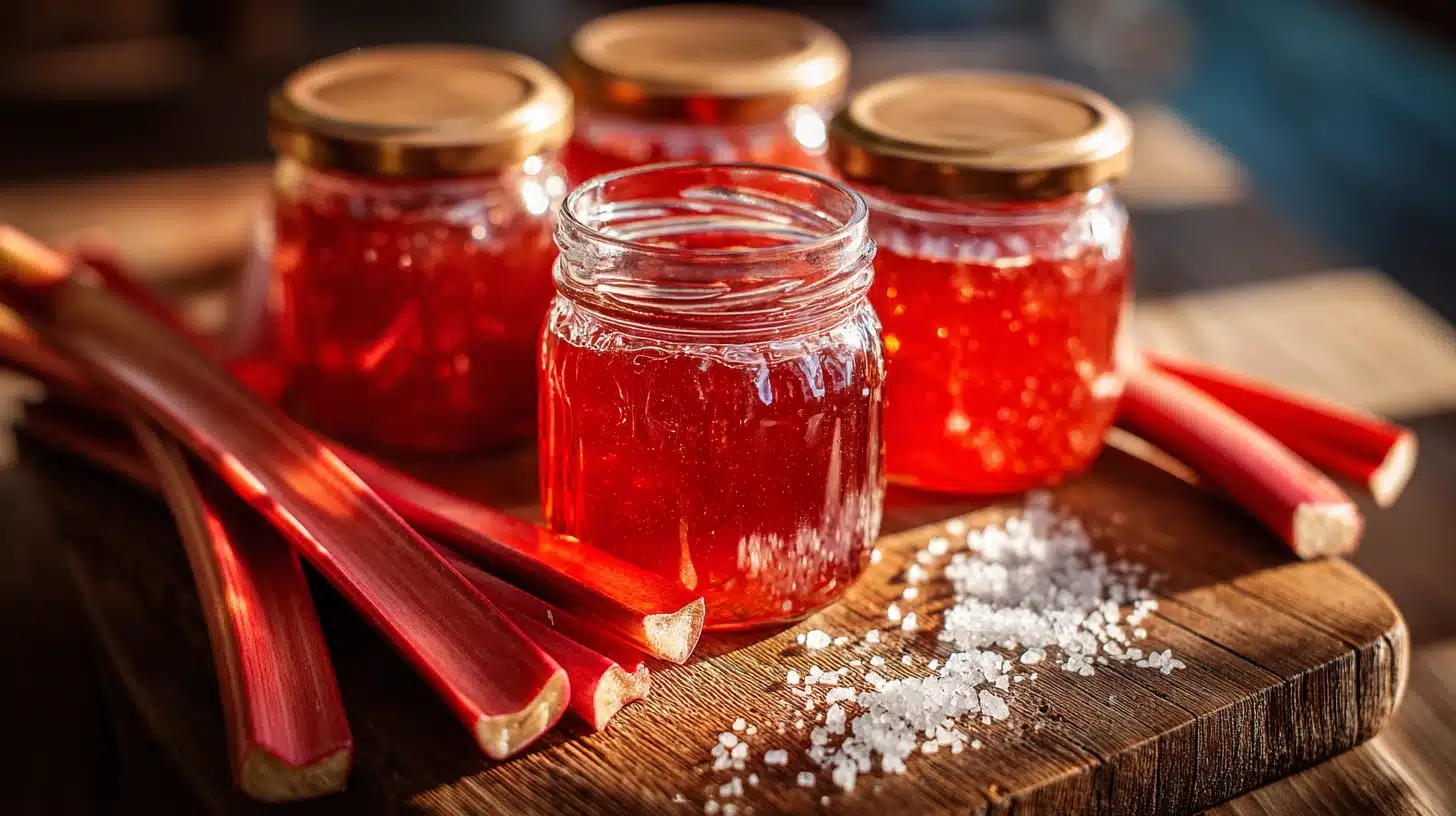
Most recipes skip over the one detail that separates a jam that sets beautifully from one that never leaves the liquid stage: the maceration step. Let your chopped rhubarb sit with sugar overnight, and you draw out enough natural pectin to get a proper, spoonable set without buying a single packet of commercial pectin.
Inside: how to pick the right rhubarb stalks, why the overnight sugar soak changes everything, and a complete guide to safe canning rhubarb jam for the pantry shelf.
Table of Contents
Why This No-Pectin Rhubarb Jam Recipe Works
The Science Behind Rhubarb’s Natural Pectin
Rhubarb contains a moderate amount of natural pectin concentrated near the skin. That pectin only releases properly when the fruit is broken down slowly with sugar and acid.
Commercial pectin is convenient, but it comes with tradeoffs. Jams made with boxed pectin require significantly more sugar to activate, and they tend to produce a firmer, more jelly-like set that some people find rubbery. A no-pectin rhubarb jam has a softer, more spreadable texture with a flavor that tastes genuinely like the fruit: bright and tart and faintly floral, rather than like sweetened gel.
The key is the overnight maceration. When you combine chopped rhubarb with granulated sugar and let it rest for at least eight hours (or up to twelve), osmosis pulls the liquid out of the plant cells. That liquid is loaded with natural pectin and oxalic acid. By the time you put the pot on the stove, the rhubarb is already partially broken down, the sugar is dissolving into a thick syrup, and the whole mixture is ready to concentrate quickly.
The result is a jam that reaches the gel point faster, which means less time on the heat and a fresher, brighter flavor in the finished jar.
Choosing the Best Rhubarb Stalks
Not all rhubarb is the same, and the stalks you pick will shape both the color and the flavor of your jam.
- Bright red stalks produce a deeper pink-red jam with a slightly sweeter, berry-forward taste.
- Pale green or speckled stalks are just as flavorful but yield a softer blush-pink or even golden jam.
- Avoid stalks that feel hollow, look split at the ends, or bend limply instead of snapping crisply.
The leaves are toxic and must be removed completely before you start. Trim them off outdoors if you can, because even handling them and then touching your eyes is irritating.
Fresh spring rhubarb from a farmers’ market or your own garden works best, but frozen rhubarb (thawed and drained) is a perfectly good substitute in the off-season. If you use frozen rhubarb, skip the maceration step and add an extra ten minutes of stovetop time, since frozen rhubarb releases water more readily and needs a bit longer to concentrate.
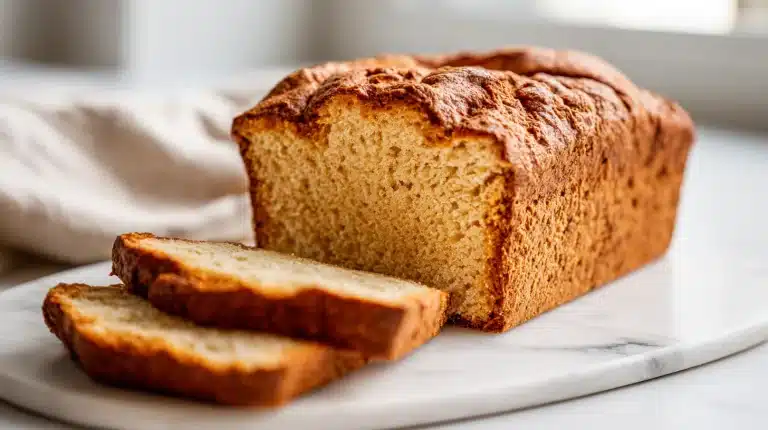
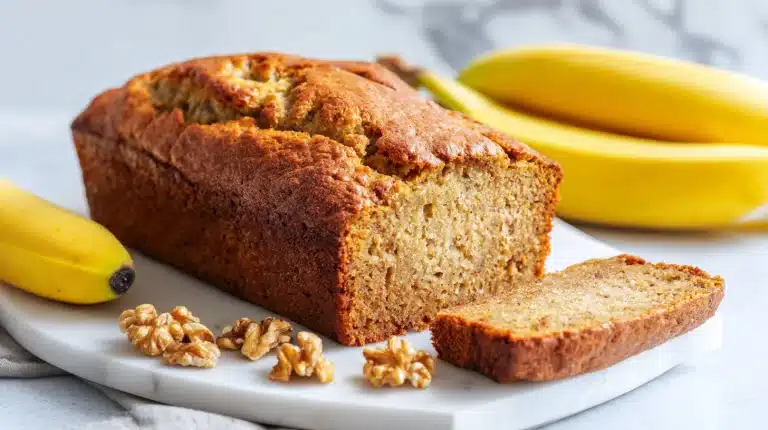
If you love baking with rhubarb as much as I do, the same stalks you use for jam are perfect in a rhubarb bread recipe when you want to use the whole harvest in different ways.
Print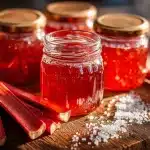
Homemade Rhubarb Jam: Easy, No-Pectin Recipe That Actually Sets
- Total Time: 45 min
- Yield: 8 servings 1x
- Diet: Vegan
Description
A simple homemade rhubarb jam made with just three ingredients and no commercial pectin. An overnight sugar soak draws out the rhubarb’s natural pectin so the jam sets into a soft, spreadable, bright-tasting preserve every time.
Ingredients
For the jam:
1.5 lbs fresh rhubarb stalks (about 5 cups, trimmed and chopped into 1/2-inch pieces)
1.5 cups granulated white sugar
2 tablespoons fresh lemon juice (about 1 medium lemon)
1 teaspoon lemon zest (optional but recommended)
Instructions
1. Combine the chopped rhubarb, sugar, and lemon zest in a large bowl. Stir until the sugar coats the rhubarb evenly. Cover with plastic wrap and let macerate at room temperature for 8 to 12 hours, or refrigerate overnight. The mixture will release a rosy pink syrup.
2. Pour the macerated rhubarb and all its syrup into a heavy-bottomed saucepan or Dutch oven. Add the lemon juice and stir to combine.
3. Bring the mixture to a boil over medium-high heat, stirring frequently. The jam will foam up in the first few minutes. Reduce the heat slightly if needed to prevent overflow, and keep stirring.
4. Continue boiling for 15 to 20 minutes, stirring every minute or two. The color will deepen to a rich coral or ruby and the liquid will begin to thicken visibly.
5. Start testing for the gel point at 20 minutes. Use a candy thermometer and look for 220 degrees F, or spoon a small amount onto a chilled plate, wait 30 seconds, and push it with your fingertip. If it wrinkles and holds, it is ready. If it spreads, cook for 5 more minutes and test again.
6. While the jam cooks, wash your jars and lids in hot soapy water. For shelf-stable canning, sterilize jars by simmering them in boiling water for 10 minutes.
7. Remove the pot from the heat. Let the jam sit for 2 minutes, then ladle it into the prepared jars using a wide-mouth funnel, leaving 1/4 inch of headspace at the top.
8. Wipe the jar rims clean with a damp cloth, place the lids on top, and screw the bands on fingertip-tight.
9. For refrigerator storage, let the jars cool to room temperature and then refrigerate. For shelf-stable canning, process the filled jars in a boiling-water bath for 10 minutes, then lift them out and let them cool undisturbed on a towel for 12 hours. Listen for the pop of each lid sealing as they cool.
Notes
Store sealed processed jars in a cool, dark pantry for up to 12 months. Once opened, refrigerate and use within 3 weeks. Unprocessed jars keep in the refrigerator for up to 3 weeks.
Frozen rhubarb works well in this recipe. Thaw and drain it first, skip the maceration step, and add 10 extra minutes of stovetop cooking time to account for the extra water content.
For a strawberry-rhubarb version, add 1 cup of halved fresh strawberries with the macerated rhubarb and reduce the sugar by 2 tablespoons.
The jam is done when it reaches 220 degrees F on a candy thermometer (subtract 2 degrees F per 1,000 feet of elevation above sea level if you live at altitude).
- Prep Time: 15 min
- Cook Time: 30 min
- Category: Breakfast
- Method: Stovetop
- Cuisine: American
Nutrition
- Serving Size: 2 tablespoons
- Calories: 95 kcal
- Sugar: 22 g
- Sodium: 2 mg
- Fat: 0 g
- Saturated Fat: 0 g
- Unsaturated Fat: 0 g
- Trans Fat: 0 g
- Carbohydrates: 24 g
- Fiber: 1 g
- Protein: 0 g
- Cholesterol: 0 mg
Ingredients and Equipment You Need
The Ingredient List (Kept Short on Purpose)
One of the best things about easy rhubarb jam is how minimal the ingredient list is. You do not need pectin, you do not need a long list of spices, and you do not need specialty equipment. Here is what goes into a standard batch that yields about two cups:
| Ingredient | Amount | Notes |
|---|---|---|
| Fresh rhubarb stalks | 1.5 lbs (about 5 cups chopped) | Trimmed, leaves removed |
| Granulated white sugar | 1.5 cups | Adjust by up to 1/4 cup to taste |
| Fresh lemon juice | 2 tablespoons | About 1 medium lemon |
| Lemon zest | 1 teaspoon | Optional but recommended |
The lemon juice does two things: it adds acidity that helps the pectin set, and it keeps the color bright. Without it, rhubarb jam tends to dull to a brownish-pink over time.
Equipment Checklist
You do not need a canning setup to make this recipe, but you do need a few specific pieces of equipment to get a good result.
- A heavy-bottomed saucepan or Dutch oven (at least 3-quart capacity)
- A long-handled wooden spoon or silicone spatula
- A candy or instant-read thermometer (the gel point for jam is 220°F at sea level)
- Clean glass jars with lids
- A wide-mouth funnel (makes filling jars much easier)
- A small plate, chilled in the freezer (for the wrinkle test)
The freezer plate test is your backup if you do not own a thermometer. Spoon a small amount of jam onto the cold plate, wait thirty seconds, then push it with your fingertip. If it wrinkles and holds its shape, the jam is ready. If it spreads back out like water, keep cooking and test again in five minutes.
For comparison on how other fruit jams manage the pectin question, the approach in this crab apple jelly jam recipe uses naturally pectin-rich fruit in a similar way.
Step-by-Step: How to Make Rhubarb Jam
Step 1: Macerate the Rhubarb Overnight
Wash and dry your rhubarb stalks, then chop them into roughly half-inch pieces. Smaller pieces break down faster and give you a smoother finished jam. Larger chunks are fine if you like a chunkier texture with visible pieces of fruit.
Combine the chopped rhubarb with the sugar and lemon zest in a large bowl. Stir everything together until the sugar begins to coat the rhubarb. Cover the bowl with plastic wrap or a clean kitchen towel and let it sit at room temperature for at least 8 hours, or refrigerate it overnight if your kitchen is warm. By morning, the bowl will be full of a beautiful rosy syrup and the rhubarb will have softened considerably.
Step 2: Cook the Jam
Pour the macerated rhubarb and all of its syrup into your heavy-bottomed pot. Add the lemon juice and stir to combine. Bring the mixture to a boil over medium-high heat, stirring frequently. The jam will foam up considerably in the first few minutes, which is normal. Reduce the heat slightly if the foam looks like it might overflow, and keep stirring.
After about 15 minutes at a steady boil, you will notice the foam subsiding and the liquid thickening. The color deepens from a pale pink to a rich ruby or coral, depending on your rhubarb. The smell at this point is extraordinary: warm and tangy with a honey-like sweetness starting to develop underneath the tartness.
Continue cooking for another 10 to 15 minutes, stirring every minute or two to prevent scorching on the bottom. Start checking for the gel point at the 20-minute mark using your thermometer or the frozen plate test.
Step 3: Fill and Seal the Jars
While the jam is cooking, wash your jars and lids in hot soapy water and rinse them well. If you plan to process the jars for shelf-stable canning rhubarb jam, sterilize them by running them through a hot dishwasher cycle or simmering them in a large pot of water for 10 minutes.
When the jam has reached the gel point, remove the pot from the heat. Let it sit for 2 minutes to settle, then use your funnel to ladle it into jars, leaving a 1/4-inch of headspace at the top. Wipe the jar rims with a clean damp cloth, place the lids on top, and screw the bands on fingertip-tight.
For refrigerator storage, that is all you need. For shelf-stable jars, process them in a boiling-water bath for 10 minutes, then lift them out and let them cool undisturbed on a towel for 12 hours. You will hear the satisfying pop of each lid sealing as they cool.
If you want to put your finished jam to work right away, try it spooned over the filling in rhubarb cream cheese bars as a bright, glossy topping.
Storing, Serving, and Using Your Rhubarb Jam
Storage Guidelines
Knowing how to store your jam properly means you get to enjoy it for months without any quality loss.
- Refrigerator: Unsealed jars keep for up to 3 weeks. The jam will thicken slightly as it chills.
- Processed shelf-stable jars: Store in a cool, dark pantry for up to 12 months. Once opened, refrigerate and use within 3 weeks.
- Freezer: Rhubarb jam freezes well in freezer-safe containers for up to 6 months. Leave an inch of headspace to allow for expansion.
Always use a clean, dry spoon when scooping from the jar. Introducing moisture or crumbs from toast can cause mold to develop faster in refrigerated jam.
Flavor Variations Worth Trying
The base recipe is a canvas, and rhubarb plays nicely with a range of flavor additions. Try stirring in any of the following with the lemon juice at the start of cooking:
- 1 teaspoon vanilla extract for a warmer, rounder flavor
- 1/2 teaspoon ground ginger for a spicy, aromatic kick
- 1 cup fresh strawberries (halved) for a classic strawberry-rhubarb combination
- 1 tablespoon rose water added off the heat for a floral, Persian-inspired finish
- 1/2 teaspoon cinnamon and a pinch of cardamom for a spiced winter version
If the strawberry-rhubarb combination calls to you, the same flavor logic behind strawberry rhubarb muffins translates beautifully into the jam pot. Just add the strawberries raw with the macerated rhubarb and reduce the sugar by 2 tablespoons to account for the strawberries’ natural sweetness.
Serving Ideas That Go Beyond Toast
Homemade rhubarb jam is more versatile than most people expect. Here are some ways to use it that go beyond spreading it on a morning piece of bread:
- Swirl a spoonful into plain Greek yogurt or overnight oats for a tart, jammy breakfast.
- Use it as a glaze for roasted pork tenderloin or duck breast, brushed on during the last 10 minutes of roasting.
- Stir it into vinaigrette with a little Dijon mustard for a fruity salad dressing.
- Spread it between the layers of a simple sponge cake in place of store-bought jam.
- Serve it alongside aged cheddar or brie on a cheese board where the tartness cuts through the richness of the cheese.
- Spoon it warm over vanilla ice cream straight from the pot if you cannot wait for it to cool.
The jam also makes a beautiful filling or topping for baked goods across the board. It pairs particularly well with the buttery crumble layer in a rhubarb crisp with crumble topping, where the jam’s concentrated flavor adds an extra layer of depth.
Frequently Asked Questions
Why is my rhubarb jam not setting?
The most common reason is that the jam did not reach a high enough temperature during cooking. The gel point is 220°F at sea level, and every 1,000 feet of elevation lowers that by about 2°F. If your jam is still loose after cooling, pour it back into the pot, bring it to a boil, and cook for another 5 to 10 minutes before testing again. Skipping the overnight maceration step can also lead to a looser set, since the natural pectin has not had enough time to fully release from the rhubarb.
Can I make rhubarb jam without the overnight soak?
Yes, but the texture and cooking time will differ. Without maceration, place the rhubarb, sugar, and lemon juice directly in the pot and cook over medium heat, stirring constantly, until the rhubarb completely breaks down. You will need to cook it for roughly 10 minutes longer to reach the gel point, and the finished jam may have a slightly looser consistency. The overnight soak is strongly recommended if you have the time.
Is it safe to can rhubarb jam at home?
Yes, rhubarb jam is safe for home canning using a standard boiling-water bath canner because rhubarb is naturally very acidic. The high acid content (reinforced further by the lemon juice in this recipe) prevents the growth of harmful bacteria, including Clostridium botulinum. Always use sterilized jars, ensure a proper seal after processing, and follow tested canning times from a trusted source like the USDA Complete Guide to Home Canning.
Can I reduce the sugar in this recipe?
You can reduce the sugar slightly, but going below 1 cup per 1.5 pounds of rhubarb will affect both the set and the shelf life. Sugar is not just a sweetener here: it acts as a preservative and activates the natural pectin. If you want a lower-sugar version, use a small amount of commercial pectin formulated for low-sugar recipes to compensate for the reduced sugar’s effect on the gel. Keep in mind that a lower-sugar jam should be refrigerated and used within 2 weeks.
Conclusion
There is something deeply satisfying about pulling a jar of rhubarb jam from your own pantry in the middle of winter, that bright coral color a reminder of the garden in full spring flush. The overnight soak that felt like an extra step turns out to be the whole secret, and once you know it, you will never skip it.
Give this recipe a try this week while rhubarb is at its peak, and make enough jars to share with someone who has never tasted homemade jam before.
For more recipes like rhubarb jam, follow us on Facebook and Pinterest for seasonal preserving and fruit-forward baking inspiration.
More recipes in this series: