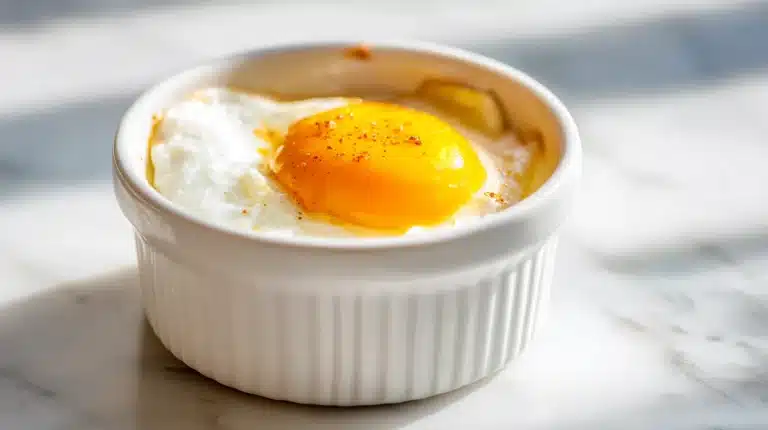
Sous vide poached eggs ruined traditional breakfast for me the morning I pulled my first batch from the water bath. The yolks poured out like liquid gold, and I never wanted to go back to the stovetop chaos.
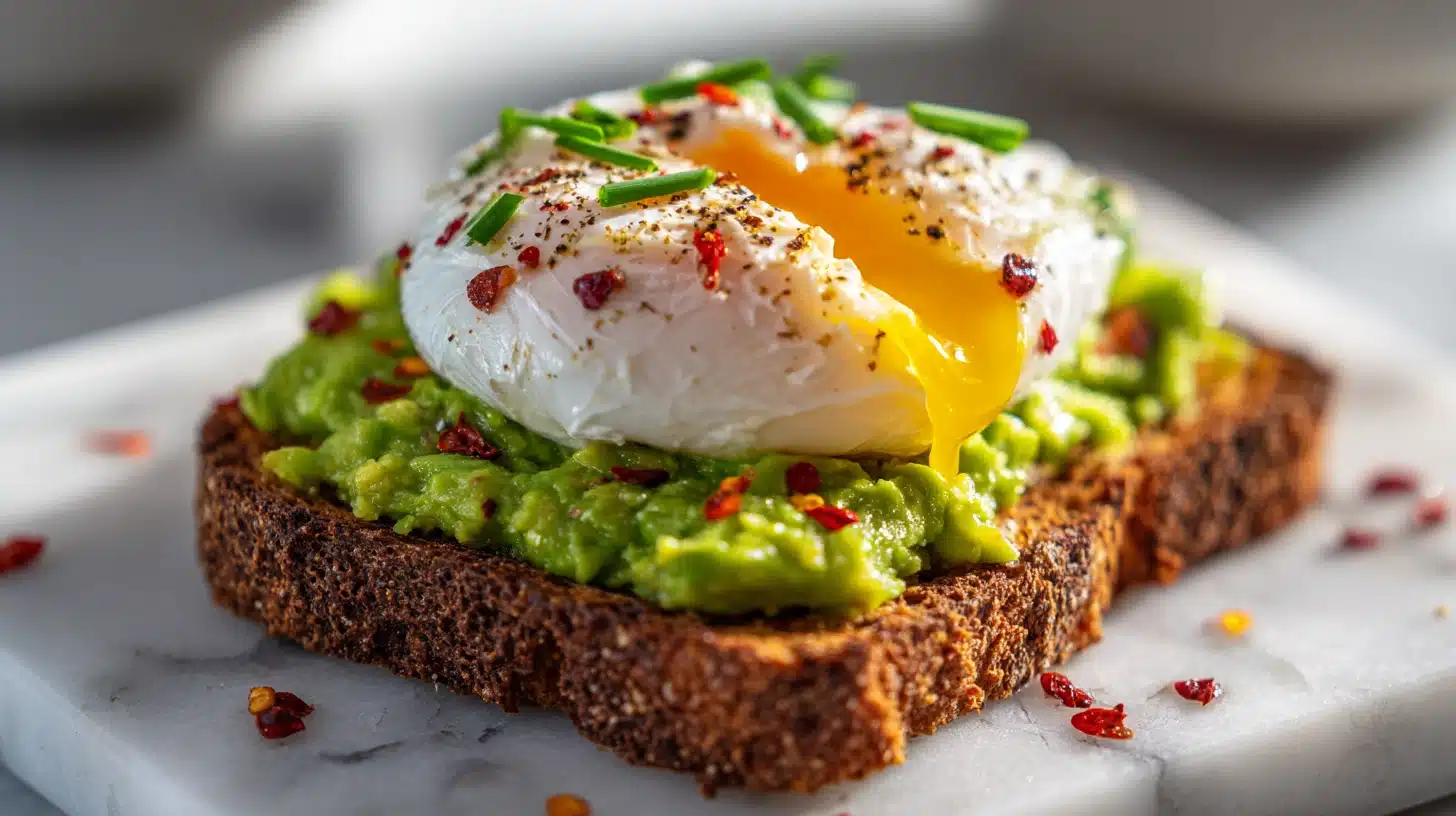
Whisking up a vortex and chasing wispy whites around a boiling pot is frustrating. This method stops the messy stovetop acrobatics and gives you a perfectly set, tender white with a gooey, runny yolk on command.
This guide covers the exact temperature and timing combinations for different yolk textures, how to prep your eggs for the water bath, and the best ways to serve them.
Table of Contents
The Science Behind Sous Vide Poached Eggs
Once you understand what happens to egg proteins at specific temperatures, you stop fighting the stove and start cooking with precision. Eggs are made of proteins that denature and coagulate at specific temperatures. The egg white, or albumen, sets at a lower temperature than the yolk. This is why traditional stovetop poaching is so tricky. You need boiling water to cook the white quickly, but that same high heat often overcooks the delicate yolk.
An immersion circulator solves this problem by holding your water bath at a precise, steady temperature. When you drop a whole egg into a temperature-controlled bath, the heat penetrates the shell slowly and evenly. The white gently sets while the yolk stays completely liquid. You get that coveted jammy texture without any guesswork. You are not actually poaching in the traditional sense since the egg stays inside its shell. Instead, you are slow cooking the egg to a precise custard like state.
The magic happens between 165 and 167 degrees Fahrenheit. At this range, the thick albumen turns opaque and firm enough to hold its shape, while the yolk remains a flowing, golden syrup. This is the exact principle behind the famous onsen tamaki eggs found in Japanese hot springs. With a precision cooker, you can pull off the same trick on your kitchen counter.
If you want to explore other precise temperature methods, our guide to air fryer hard boiled eggs shows how dry heat affects the same proteins. The texture of sous vide poached eggs is unmatched because the gentle water surrounding the shell keeps the temperature consistent everywhere. There are no hot spots to cause the whites to become rubbery. The result is a silken, tender egg that tastes rich without being heavy. You will notice the white looks slightly more translucent than a stovetop poached egg, but the mouthfeel is smooth and luxurious. Every single bite carries the savory richness of a perfectly cooked yolk.
Print
How to Make Perfect Sous Vide Poached Eggs Every Single Time
- Total Time: 41 min
- Yield: 4 servings 1x
- Diet: Vegetarian
Description
A precise method for cooking whole eggs in a temperature controlled water bath to achieve tender, set whites and a perfectly runny yolk every single time.
Ingredients
4 large eggs (refrigerator cold)
1 pot of water (for the water bath)
Ice (for the ice bath)
2 slices thick sourdough bread (toasted)
1/2 avocado (mashed)
1 tsp red pepper flakes
1 tsp fresh chives (minced)
Sea salt (to taste)
Instructions
1. Fill a large pot or container with water and attach your immersion circulator. Set the temperature to 167 degrees Fahrenheit and wait for the water to fully heat.
2. Inspect your eggs for any hairline cracks. Use a slotted spoon to gently lower the whole, uncracked eggs into the hot water bath.
3. Cook the eggs for exactly 37 minutes to achieve a firm white and a liquid, runny yolk.
4. When the timer goes off, use the slotted spoon to carefully remove the eggs from the hot water. If serving immediately, proceed to the next step.
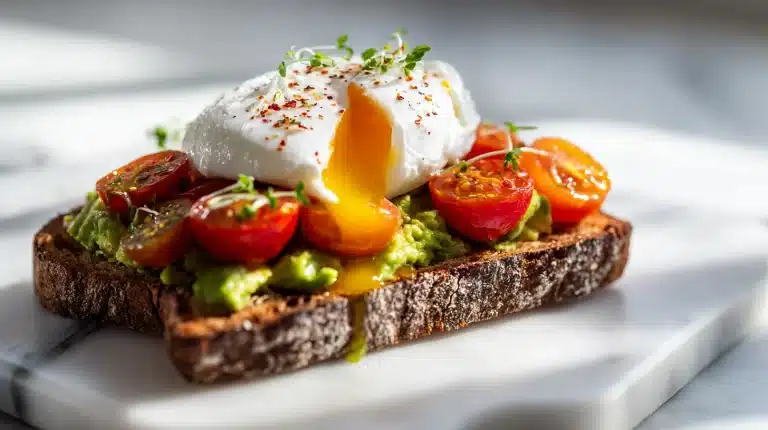
5. To serve, crack the warm egg shell open and let the egg slip directly onto your toasted sourdough bread smeared with mashed avocado.
6. Sprinkle the top of the egg with red pepper flakes, fresh chives, and sea salt. Cut into the egg to release the bright, golden yolk.
Notes
Store uncracked cooked eggs in the refrigerator for up to 3 days. Reheat in a bowl of hot tap water for 2 minutes.
If your egg has a loose layer of watery white after cracking, let it sit on a fine mesh strainer for 10 seconds before plating.
For a thicker, jammy yolk, set your water bath to 165 degrees Fahrenheit and cook for 35 minutes instead.
- Prep Time: 4 min
- Cook Time: 37 min
- Category: Breakfast
- Method: Sous Vide
- Cuisine: American
Nutrition
- Serving Size: 1 egg with toast
- Calories: 245 kcal
- Sugar: 1 g
- Sodium: 310 mg
- Fat: 14 g
- Saturated Fat: 3 g
- Unsaturated Fat: 9 g
- Trans Fat: 0 g
- Carbohydrates: 22 g
- Fiber: 5 g
- Protein: 10 g
- Cholesterol: 190 mg
Choosing the Right Temperature and Time
The best part of making sous vide poached eggs is that you can calibrate your exact yolk preference. You are no longer at the mercy of stovetop heat variations. Different times and temperatures yield completely different textures, so you can customize your breakfast down to the degree.
For a classic poached egg with a runny yolk and set whites, 167 degrees Fahrenheit for 37 minutes is the sweet spot. This gives you a white that is delicate but holds its shape when cracked open. If you prefer a firmer, more custardy yolk that you can slice with a knife, try 158 degrees Fahrenheit for 45 minutes. The yolk will hold together but still taste creamy and rich on your tongue. For a deeply jammy texture similar to a soft boiled egg, 165 degrees for 35 minutes produces a thick but pourable yolk.
Timing matters just as much as temperature. You can leave your eggs in the bath for an extra five to ten minutes without ruining them, which makes serving a crowd surprisingly easy. However, do not push past the recommended time by more than fifteen minutes. The whites will eventually become gummy and stiff. The structure of the proteins continues to tighten the longer they sit in the warm water.
One thing to keep in mind is the temperature of your eggs when they go into the bath. Refrigerator cold eggs dropped into a warm bath will temporarily lower the water temperature. This means your actual cook time will be slightly longer. For the most consistent results, let your eggs sit on the counter for ten minutes before cooking them. This takes the chill off so the immersion circulator does not have to work as hard to maintain the set temperature.
You also need to account for your altitude. If you live at a high elevation, you might need to bump your temperature up by one or two degrees to achieve the exact same protein coagulation. Once you find your personal sweet spot, you can replicate these perfect poached eggs sous vide every single morning without fail.
The Step by Step Water Bath Method
Creating perfect poached eggs sous vide is remarkably straightforward once you know the basic steps. You do not need any special equipment beyond your immersion circulator and a pot or container. The process is much cleaner than the traditional swirling method.
First, fill your container with water and attach your immersion circulator. Set your target temperature based on your preferred yolk texture. For a standard runny yolk, set the machine to 167 degrees Fahrenheit. Wait for the water to reach the exact temperature before adding your eggs. Most circulators will beep or display a steady light when the bath is ready.
While the water heats up, inspect your eggs. Look for any hairline cracks in the shells. A cracked egg will leak into your water bath and create a mess of cooked egg whites floating around your machine. If you find a cracked egg, save it for scrambling. Use a slotted spoon to gently lower the whole, uncracked eggs into the water bath. Let them cook for exactly 37 minutes.
When the time is up, use the slotted spoon to carefully lift the eggs out of the hot water. The shells will feel warm and slightly brittle. If you are not serving them immediately, transfer the eggs directly into a bowl of ice water to stop the cooking process. You can store these chilled eggs in the refrigerator for up to three days.
When you are ready to serve, simply crack the shell open. The egg will slip right out. Because the egg was cooked inside the shell, there is no need to drain the eggs on a paper towel or worry about ragged egg whites. The shape will be perfectly oval and smooth. This method produces sous vide poached eggs that look like they came from a professional kitchen. The white will feel tender and silky, while the yolk bursts forth in a bright, golden stream when you cut into it. You get a freshly poached egg without the stovetop stress.
Tested Substitutions and Variations
One of the best things about mastering sous vide poached eggs is how easily the technique adapts to other ingredients and flavor profiles. You can change the seasonings, swap the base, or even use the water bath for different types of eggs entirely. Let us look at some tested variations that bring new life to your breakfast table.
If you want to add a savory punch, try rolling the freshly cracked egg in a mixture of toasted sesame seeds and sea salt before serving. The crunch of the seeds contrasts beautifully with the soft, yielding white and the liquid yolk. For a spicy kick, a sprinkle of Aleppo pepper or a drizzle of chili oil adds a fruity heat that cuts through the richness of the yolk. You can also explore our kimchi eggs recipe for a fermented twist that pairs beautifully with this cooking method.
Sometimes you need to swap ingredients based on what you have on hand. Duck eggs are spectacular when cooked this way. Because duck eggs have a higher fat content, the yolks taste even richer and creamier than chicken eggs. You will need to add about three to four minutes to the cooking time to account for their larger size. If you are looking for a different protein style entirely, our scrambled eggs with cottage cheese offers a high protein alternative.
Below is a table of tested substitutions and how they impact your final dish:
| Swap | Use Instead | What Changes |
|---|---|---|
| Chicken eggs | Duck eggs | Yolks are richer and creamier, cook time increases by 4 minutes. |
| Sea salt | Smoked flaky salt | Adds a campfire aroma and loud crunch to the tender white. |
| Black pepper | Aleppo pepper | Provides a mild, fruity heat without overpowering the egg flavor. |
| Olive oil | Truffle oil | Earthy, pungent flavor that turns the dish into a luxury brunch item. |
| Toast base | Quinoa bowl | Nutty, fluffy texture that absorbs the runny yolk like a sponge. |
Experimenting with these swaps keeps the recipe exciting. The base technique remains identical, but the flavor profile shifts dramatically depending on your choices. Try swapping your standard toast base for a bowl of warm grains. The yolk spills into the crevices of the grains and becomes a rich sauce that coats every bite. This turns a simple breakfast into a deeply satisfying meal.
Serving Suggestions and Pairings
Sous vide poached eggs are incredibly versatile and deserve a base that can soak up all that runny yolk. The way you serve them can completely transform the meal. You want something underneath that catches the yolk and flavors that balance the richness of the egg.
The classic approach is resting the warm egg on a thick slice of toasted sourdough. The crunch of the crust against the silken white is hard to beat. Add a smear of mashed avocado and a sprinkle of red pepper flakes for a filling breakfast. If you want something heartier, try placing two eggs over a bed of buttery, crispy hash browns. The yolk acts as a sauce for the potatoes, so you do not need extra butter or gravy.
For a Mediterranean twist, you can nestle the egg into a shallow bowl of marinara sauce and crumbled feta. The acidity of the tomatoes cuts through the fat of the yolk perfectly. This pairs wonderfully with our mediterranean baked feta eggs inspiration. The bright, herbaceous notes make the egg taste incredibly fresh. Another excellent option is serving the eggs over roasted asparagus or lightly sautéed greens. The bitter notes of the greens contrast sharply with the savory, fatty yolk.
Do not forget about sauces. A bright yogurt dipping sauce recipe swirled underneath the egg adds a tangy bite that wakes up your palate. The cold, acidic yogurt against the warm, rich yolk is a sensation you will crave. You can also use a simple squeeze of fresh lemon juice and some chives to keep things light.
If you are hosting brunch, set up a station with various toppings. Let your guests choose between crispy prosciutto, sautéed spinach, or sharp cheddar cheese. The eggs hold their temperature well if you keep them in a warm water bath until the last minute. This means you can socialize without worrying about the eggs overcooking or getting cold. The presentation of a whole egg slipping out of its shell onto a beautifully styled plate always draws gasps from the crowd. It looks complicated but takes almost no active effort.
Storage, Make Ahead, and Troubleshooting
One of the greatest advantages of sous vide poached eggs is how well they lend themselves to a make ahead strategy. You can cook a large batch on Sunday and enjoy gourmet breakfasts all week long without dirtying a single pan.
To store them, transfer the cooked eggs directly from the water bath into a bowl of ice water. Let them chill for at least ten minutes until they are completely cold. Once chilled, you can keep them in their shells in the refrigerator for up to three days. Do not crack them open until you are ready to eat. When you want to serve one, simply lower it back into a bowl of hot tap water for about two minutes to warm it through. Then crack it open over your toast or salad. The texture remains perfectly runny and the white stays intact.
Sometimes things go wrong, and knowing how to troubleshoot saves the day. If your egg white looks completely clear after the cooking time, your water bath temperature was too low. Bump the heat up by two degrees and try again. If the yolk is firm and chalky, the temperature was too high or the egg stayed in the bath too long. Always verify your water temperature with an independent thermometer if your circulator seems off.
You might also notice a loose, watery layer of egg white when you crack the shell open. This is the thin albumen that never fully sets, even in a perfect water bath. To fix this, simply let the cracked egg sit on a fine mesh strainer for ten seconds. The loose liquid will drip away, leaving you with a tight, perfectly shaped egg. This is a trick used in professional kitchens to ensure immaculate plating.
Another common issue is an egg that refuses to slip cleanly out of the shell. If the white sticks to the inside of the shell, your eggs might be extremely fresh. Farm fresh eggs have a lower pH, which makes the white adhere tightly to the membrane. Use eggs that have been sitting in your fridge for about a week for the best results. If you want to explore other unique egg preparations, our okra water recipe highlights interesting ingredient properties. Mastering these small details will keep your sous vide poached eggs turning out beautifully every single time.
Frequently Asked Questions
Can I leave the eggs in the sous vide bath longer than the recommended time?
You can leave them in for an extra five to ten minutes without major texture changes, but do not push past fifteen minutes. The egg white proteins will continue to tighten and eventually become rubbery and unpleasant. For the best texture, remove them promptly when the timer goes off.
Do I need to use vinegar in the water bath?
No, you do not need vinegar or any swirling vortex to make sous vide poached eggs. Because the egg cooks entirely inside its shell, the white naturally forms into a perfect oval shape. The vinegar trick is only necessary for traditional stovetop poaching to help the loose whites coagulate faster.
How do I reheat a cold sous vide poached egg?
To reheat a chilled egg, lower it into a bowl of hot tap water for about two minutes. Do not use boiling water, as this will overcook the delicate yolk. The gentle heat warms the white through without changing the runny texture of the yolk inside.
Why is my egg white still runny after the cooking time?
If your egg white is still liquid, your water bath temperature was likely too low. Always double check your immersion circulator setting and verify the temperature with a separate thermometer. Increase the temperature by one or two degrees for your next batch to get a firm white.
Can I use refrigerated eggs straight from the fridge?
Yes, you can use cold eggs directly from the refrigerator. However, adding cold eggs to the bath will temporarily lower the water temperature. You may need to add two or three minutes to the total cooking time to compensate for the temperature drop and ensure the whites set properly.
What is the best temperature for a jammy, spreadable yolk?
For a thick, jammy yolk that you can spread on toast like butter, cook your eggs at 165 degrees Fahrenheit for 35 minutes. This temperature sets the white firmly while leaving the yolk thick and custard like, giving you the perfect texture for enriching salads or grain bowls.
Conclusion
Sous vide poached eggs give you complete control over your breakfast. You never have to worry about wispy whites or broken yolks again. The precision of the water bath guarantees a tender white and a bright, runny yolk every single time.
Start with a half batch tonight and see how the slow heat transforms a simple egg into something worth getting out of bed for. Once you taste the difference, you will never want to go back to the old swirling method.
For more recipes like sous vide poached eggs, follow us on Facebook and Pinterest for weeknight dinner ideas.
More recipes in this series: