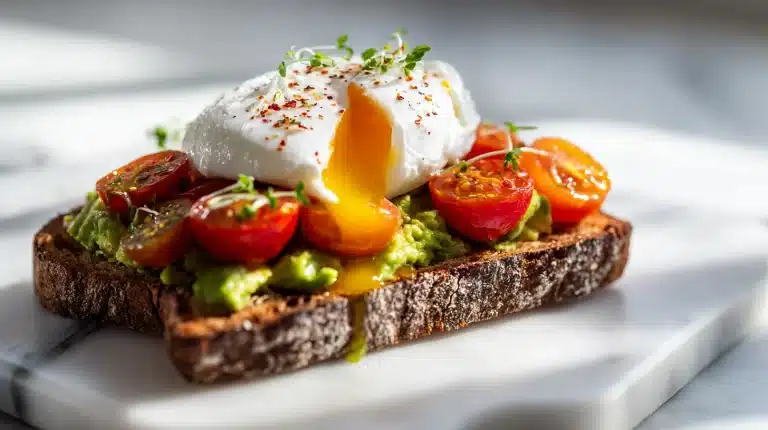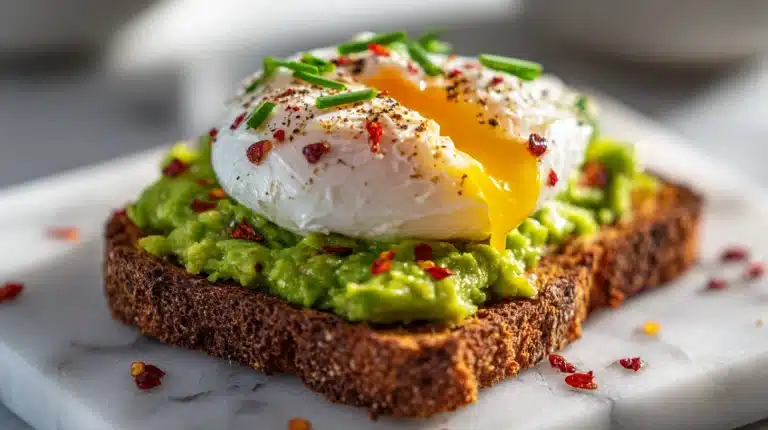
The first time I made air fryer poached eggs, I was genuinely shocked that a whirlwind of hot air could produce a delicate, runny-yolked breakfast without a single pot of simmering water.
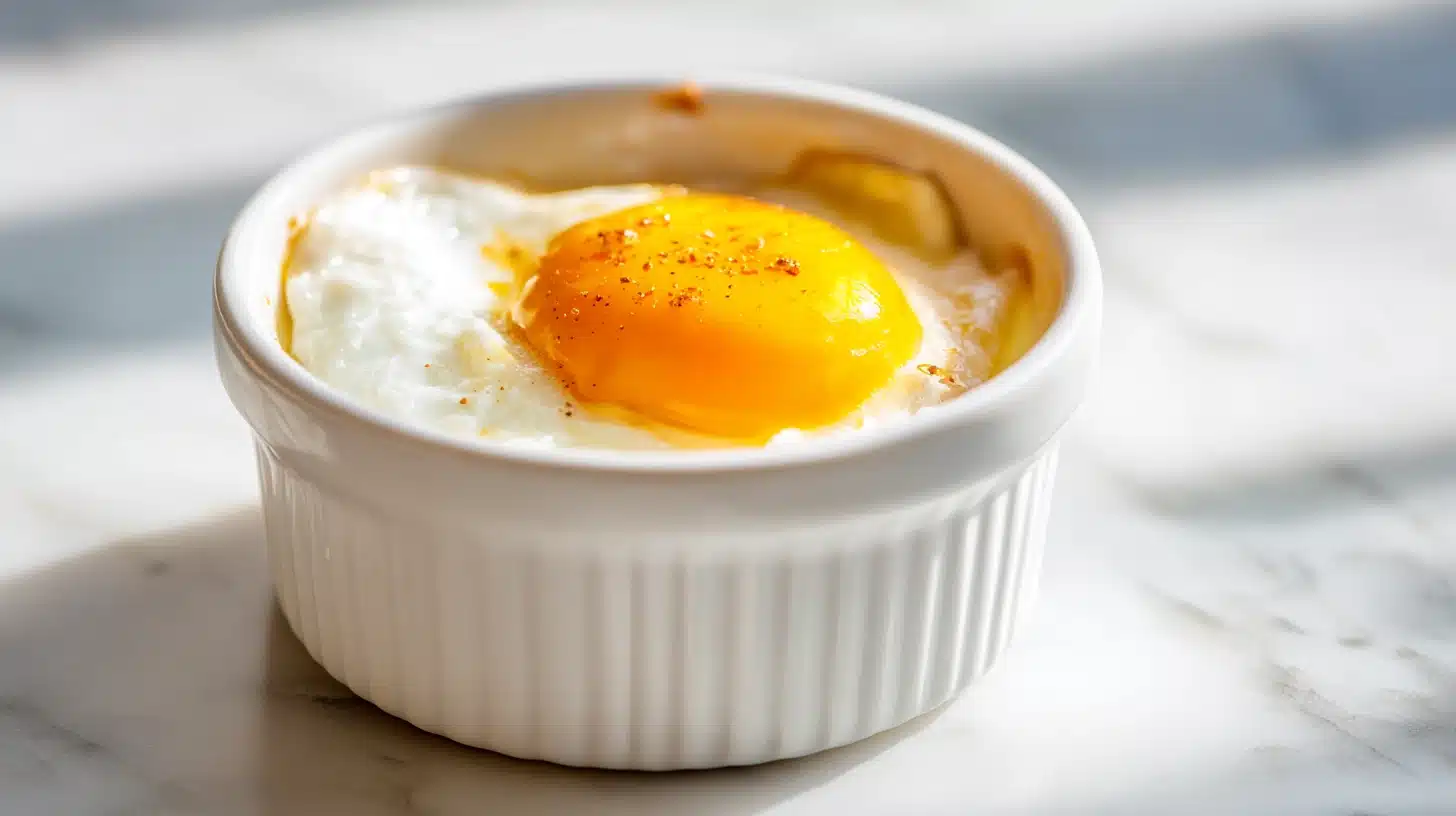
Traditional stovetop poaching often leads to wispy, feathered whites and broken yolks sinking to the bottom of a deep saucepan, leaving you with a messy kitchen and a frustrating breakfast. This hands-off method gives you set, tender whites with runny centers every single time.
Here’s what you’ll get: the exact temperature and water ratio for fail-proof cooking, the best ramekins and silicone molds to use, and a tested substitutions table for every egg type and kitchen setup.
Table of Contents
Why Air Fryer Poached Eggs Work So Well
The science behind air fryer poached eggs comes down to how this appliance circulates heat. Instead of dropping an egg into violently boiling water and hoping the current wraps the whites around the yolk, you are using a small, controlled water bath surrounded by intense, rapidly moving hot air. The air fryer heats the water in your ramekin or silicone cup quickly and evenly, essentially creating a mini bain-marie. The hot water cooks the egg from the bottom and sides, while the ambient heat in the basket sets the top. No more wispy, feathered egg whites floating off into the pot.
When you make poached eggs the traditional way, the rolling boil tears the delicate egg whites apart before they have a chance to coagulate. You end up with stringy threads of albumin that you have to skim out of the pot. With air fryer egg poaching, the egg sits perfectly still in its individual vessel. The water stays calm, and the whites set smoothly around the yolk. If you have ever struggled with the classic technique, you will appreciate how hands-off this process feels. You can read more about the classic stovetop struggles in our poached eggs guide.
The texture of an air fried poached egg is remarkably similar to the traditional version, but the shape is often neater. Because the egg conforms to the shape of the ramekin or silicone mold, you get a perfectly round, tall poached egg rather than a flat, ragged pancake. The yolk stays suspended in the center of the white, insulated by the surrounding liquid. You hear the gentle hum of the machine, and when you open the basket, you see opaque whites with a slight wobble in the center that tells you the yolk is still runny.
Another major advantage is consistency. Once you dial in the exact cooking time for your specific machine, you can replicate these results day after day. There is no guessing if the water is simmering too hard or not hard enough. The machine maintains a steady ambient temperature, which translates to predictable cooking times. This reliability makes air fryer poached eggs an easy choice for meal prep or hosting brunch. You can cook two, four, or even six at once, depending on the size of your air fryer basket, without increasing your active cooking time.
Print
Air Fryer Poached Eggs: The No-Stovetop Method
- Total Time: 14 min
- Yield: 2 servings 1x
- Diet: Vegetarian
Description
A simple method for making perfectly runny poached eggs using your air fryer, hot water, and ceramic ramekins.
Ingredients
For the eggs:
2 large eggs (room temperature)
4 tablespoons hot water
Olive oil spray (for greasing ramekins)
Instructions
1. Preheat the air fryer to 270 degrees Fahrenheit.
2. Lightly coat two 4-ounce ramekins with olive oil spray to prevent sticking.
3. Crack one room temperature egg into each prepared ramekin.
4. Pour 2 tablespoons of hot water gently over each egg.
5. Carefully place the ramekins into the air fryer basket without splashing.
6. Air fry for 8 minutes until the whites are set and opaque.
7. Let the ramekins rest in the basket for 1 minute to finish cooking the yolks gently.
8. Run a small spoon around the edge of each ramekin and slide the eggs onto toast.
Notes
Store unpeeled poached eggs in an ice bath in the refrigerator for up to 2 days.
To reheat, drop the cold egg into a bowl of hot water for 30 seconds.
Use silicone egg poachers but add 1 minute to the cooking time.
Always use room temperature eggs to prevent runny, unset egg whites.
- Prep Time: 5 min
- Rest Time: 1 min
- Cook Time: 8 min
- Category: Breakfast
- Method: Air Fryer
- Cuisine: American
Nutrition
- Serving Size: 1 poached egg
- Calories: 72 kcal
- Sugar: 0 g
- Sodium: 71 mg
- Fat: 5 g
- Saturated Fat: 1 g
- Unsaturated Fat: 4 g
- Trans Fat: 0 g
- Carbohydrates: 0 g
- Fiber: 0 g
- Protein: 6 g
- Cholesterol: 186 mg
The Best Equipment for Air Fryer Egg Poaching
Choosing the right vessel is the most important step for making air fryer poached eggs. You need something that can hold water and an egg safely while fitting comfortably inside your air fryer basket. Ramekins are the top choice for this method. A four-ounce or six-ounce ceramic ramekin is the perfect size for a standard large egg. Ceramic retains heat well, which helps the water stay hot and cooks the egg evenly from all sides. When you spray the inside of the ramekin with a little olive oil spray, the finished egg slides out effortlessly, leaving no stuck white behind.
Silicone egg poachers are another excellent option. These are specifically designed for poaching eggs and have small perforations or raised bumps on the bottom. If you are using silicone molds, you still need to add a splash of hot water to the air fryer basket beneath them, or directly into the mold if it is solid. The silicone makes it incredibly easy to pop the egg out, and they are virtually indestructible. However, because silicone is an insulator, your cooking time might need an extra minute compared to ceramic ramekins. You might already have ramekins or silicone cups if you have tried our egg white frittata recipe.
Custard cups work well too, provided they are oven-safe and short enough to allow proper air circulation above the egg. If the sides of the cup are too tall, the top of the egg will remain raw while the bottom overcooks. You want the hot air to flow freely over the surface of the water to help set the top layer of egg whites. Glass custard cups let you see the egg cooking, but they can be slippery when greased, so handle them carefully when removing them from the hot air fryer basket.
You also need a reliable way to add water to your vessel. A small measuring cup with a spout or a squeeze bottle gives you precision. You want to add exactly two tablespoons of hot water to each ramekin. If you add too little water, the egg white will scorch on the bottom of the dish before the yolk sets. If you add too much, the water can overflow and create a mess in your air fryer basket. Hot tap water is fine, but using water heated in a kettle cuts down the preheating time inside the machine.
Tested Substitutions Table
| Swap | Use Instead | What Changes |
|---|---|---|
| Ceramic Ramekin | Silicone Egg Poacher | Adds 1 to 2 minutes of cook time because silicone insulates the egg from the hot air. |
| Hot Tap Water | Boiling Kettle Water | Reduces the cooking time by about 1 minute and sets the egg whites faster. |
| Large Eggs | Medium Eggs | Yolks set firmer and faster, so you must reduce the cooking time by 1 minute to keep them runny. |
| Olive Oil Spray | Melted Butter | Adds a richer, nuttier flavor to the egg whites and helps them release from the ramekin easily. |
| Standard Basket | Air Fryer Oven Trays | Cooks slightly slower because the fan is positioned differently, requiring an extra minute of resting time. |
| Room Temperature Eggs | Cold Refrigerator Eggs | Cold eggs drop the water temperature, resulting in runny, unset whites. Always bring eggs to room temperature. |
Step-by-Step Guide to Perfect Air Fried Poached Eggs
Making air fryer poached eggs is a straightforward process, but the details matter. Start by preheating your air fryer to 270°F. Preheating matters because it gets the cooking environment hot and stable the moment you put the eggs inside. While the machine warms up, prepare your ramekins. Lightly coat the inside of each four-ounce ramekin with olive oil spray. This prevents the delicate egg whites from sticking to the ceramic and tearing when you try to remove them.
Next, crack one room temperature egg into each prepared ramekin. Using room temperature eggs matters more than you might think. Cold eggs straight from the refrigerator will drop the temperature of the water in the ramekin, leading to unevenly cooked whites. Let your eggs sit on the counter for about 15 minutes before cooking. Once the eggs are in the dishes, carefully pour two tablespoons of hot water directly over the egg in each ramekin. The water should surround the egg, creating a small bath that helps cook the whites evenly.
Place the ramekins gently into the air fryer basket. You do not want to jostle them and splash water over the sides. Slide the basket into the machine and set the timer for 8 minutes. During this time, the circulating hot air will heat the water, gently poaching the eggs. You will hear the fan whirring steadily. The egg whites will slowly turn from clear to opaque white, while the yolks remain protected in the center.
When the timer goes off, check the eggs. The whites should be completely set and opaque, and the yolk should still have a slight wobble when you gently shake the ramekin. If the whites look wet or clear on top, cook for another minute. Let the ramekins rest in the basket for 1 minute after removing them from the air fryer. The residual heat from the water and the ceramic will continue to cook the eggs gently. Run a small spoon around the edge of the ramekin to loosen the egg, then carefully slide it onto your toast, English muffin, or salad.
Flavor Variations and Serving Ideas
Once you master the basic technique for air fryer poached eggs, the serving possibilities are endless. The classic approach is a simple eggs Benedict. Layer your perfectly round poached egg on top of a toasted English muffin, a slice of Canadian bacon, and a generous drizzle of hollandaise sauce. Because the air fryer yields such uniformly round eggs, your homemade breakfast will look like it came straight from a professional brunch kitchen. The runny yolk breaks over the toasted muffin, creating a rich sauce that mixes with the salty ham.
If you want something with a bit more kick, try making a spicy breakfast bowl. Start with a base of warm rice or quinoa, add black beans, sliced avocado, and a spoonful of salsa. Top it with an air fried poached egg. When you break into the egg, the warm yolk mixes with the salsa and beans, making a hearty, comforting meal. For a Mediterranean twist, you can serve the poached egg over a bed of warm roasted tomatoes, chickpeas, and crumbled feta cheese. This pairs well with our Mediterranean baked feta eggs.
You can also add seasonings directly to the ramekin before cooking. A pinch of smoked paprika, garlic powder, or everything bagel seasoning sprinkled over the water will gently flavor the egg whites as they cook. This adds a savory depth without any extra effort. For a rich and creamy breakfast, serve your poached egg over a slice of sourdough toast spread with ricotta cheese. The contrast of crunchy bread, cold creamy cheese, and hot runny egg is something I keep coming back to.
Do not forget about using your air fryer poached eggs for lunch or dinner. A poached egg turns a simple green salad into a filling meal. Toss arugula with a light lemon vinaigrette, shave some Parmesan over the top, and finish it with a warm poached egg. The yolk acts as an extra dressing, coating the leaves in a silky, rich glaze. You can also serve them over roasted asparagus, on top of a thick slice of tomato gratin, or alongside air fryer sweet potato fries for a sweet and savory dipping experience.
Troubleshooting Common Air Fryer Egg Problems
Even with a reliable method, you might run into a few hiccups when making air fryer poached eggs. One common issue is rubbery egg whites. If your whites are tough and bouncy, your air fryer is running too hot or you cooked them too long. Remember that air fryers can have hot spots, and some models run hotter than others. If you encounter rubbery whites, try reducing the temperature by 5 degrees or shortening the cooking time by one minute. The goal is a tender white that yields easily to a fork.
Another frequent problem is a broken yolk. This usually happens during the cracking phase. Always crack your egg into a small bowl first, then slide it gently into the oiled ramekin. This prevents broken yolks from shell fragments and gives you a chance to pick out any stray shells before cooking. If a yolk breaks in the ramekin, you end up with a hybrid poached scrambled egg. It still tastes good, but it will not have that beautiful runny center. You might face similar yolk issues with our deviled egg chicks recipe, so gentle handling matters.
Sometimes you might find that the top of the egg white remains unset and watery while the bottom is fully cooked. This means there was not enough ambient heat hitting the top of the ramekin. Make sure your ramekins are not too tall. If you are using deep custard cups, switch to shallower ramekins. You can also cover the ramekin loosely with a piece of foil for the last minute of cooking to trap the heat and set the top. Just be careful when removing the hot foil from the air fryer basket.
If your eggs are sticking to the ramekin despite using olive oil spray, you might need more fat. Try brushing a thin layer of melted butter or neutral oil directly onto the ceramic with a pastry brush. Aerosol sprays can sometimes pool in one spot, leaving the rest of the dish dry. Running a small silicone spatula around the edge of the cooked egg before attempting to slide it out will also release any suction holding the egg to the dish. These small adjustments help the egg release cleanly and keep its shape.
Storage, Reheating, and Make-Ahead Tips
While air fryer poached eggs are best enjoyed immediately, you can absolutely make them ahead of time. If you are meal prepping for a busy week, you can cook a batch of poached eggs and store them in the refrigerator. Once the eggs finish cooking, use a slotted spoon to transfer them immediately into a bowl of ice water. This stops the cooking process instantly, preserving the runny yolk. Leave them in the ice bath for 5 minutes, then carefully transfer the cooled eggs to an airtight container.
Store the unpeeled poached eggs in the refrigerator for up to two days. When you are ready to eat, you do not need to reheat them in the microwave, which often causes the yolks to explode. Instead, bring a small pot of water to a bare simmer. Drop the cold poached egg into the hot water for about 30 seconds just to warm it through. Remove it with a slotted spoon, let the water drip off, and place it on your toast. The egg will taste and feel freshly made, with a perfectly warm white and a still-liquid yolk.
You can also use this storage method if you are hosting a large brunch. Cook your air fryer poached eggs a day in advance, chill them, and then reheat them right before your guests arrive. This frees up your morning and reduces stress. You can focus on making scrambled eggs with cottage cheese or setting up a bagel bar without hovering over the stove. Your guests will be surprised that you served hot poached eggs to a crowd without any last-minute chaos.
For longer storage, you can actually freeze poached eggs, though the texture of the whites changes slightly upon thawing. To freeze, place the cooled, ice-bathed eggs on a parchment-lined baking sheet and freeze until solid. Once frozen, transfer them to a freezer-safe bag for up to one month. To reheat, drop the frozen egg directly into simmering water for about 60 seconds. The whites might become a tiny bit firmer than fresh, but the yolk stays runny. This is a great trick for quick protein additions to soups or grain bowls.
Frequently Asked Questions
Can you poach eggs in an air fryer?
Yes, you absolutely can. By adding a small amount of hot water to a greased ramekin along with a cracked egg, the air fryer circulates intense heat around the vessel. This creates a mini water bath that gently cooks the egg whites while leaving the yolk perfectly runny.
How do you poach an egg in an air fryer?
Preheat your air fryer to 270°F. Coat a small ramekin with olive oil spray, add two tablespoons of hot water, and crack a room temperature egg inside. Cook for 8 minutes, let it rest for 1 minute, and slide the egg out onto your favorite dish.
How long do you poach eggs in an air fryer?
For a standard large egg at room temperature, 8 minutes at 270°F yields a set white with a runny yolk. If you prefer a firmer yolk, cook for 9 minutes. Cold eggs or silicone molds will require an additional minute of cooking time.
Can you use silicone egg poachers in an air fryer?
Yes, silicone egg poachers work perfectly in an air fryer. Because silicone is an insulator and heats slower than ceramic, you should add one minute to the total cooking time. Make sure the silicone mold fits securely in your air fryer basket without touching the heating element.
Conclusion
Mastering air fryer poached eggs takes the stress out of your morning routine. You get tender, perfectly set whites and rich, runny yolks without hovering over a pot of swirling water. The controlled heat of the air fryer means your results are repeatable, and the cleanup is practically nonexistent. I switched to this method months ago and honestly haven’t looked back.
For more recipes like air fryer poached eggs, follow us on Facebook and Pinterest for easy brunch ideas.
More recipes in this series: