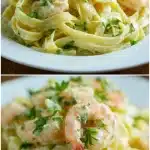
A great tagliatelle with prawns recipe should taste like the seaside. Instead, most home cooks end up with rubbery prawns and a sauce that slides right off the noodles.
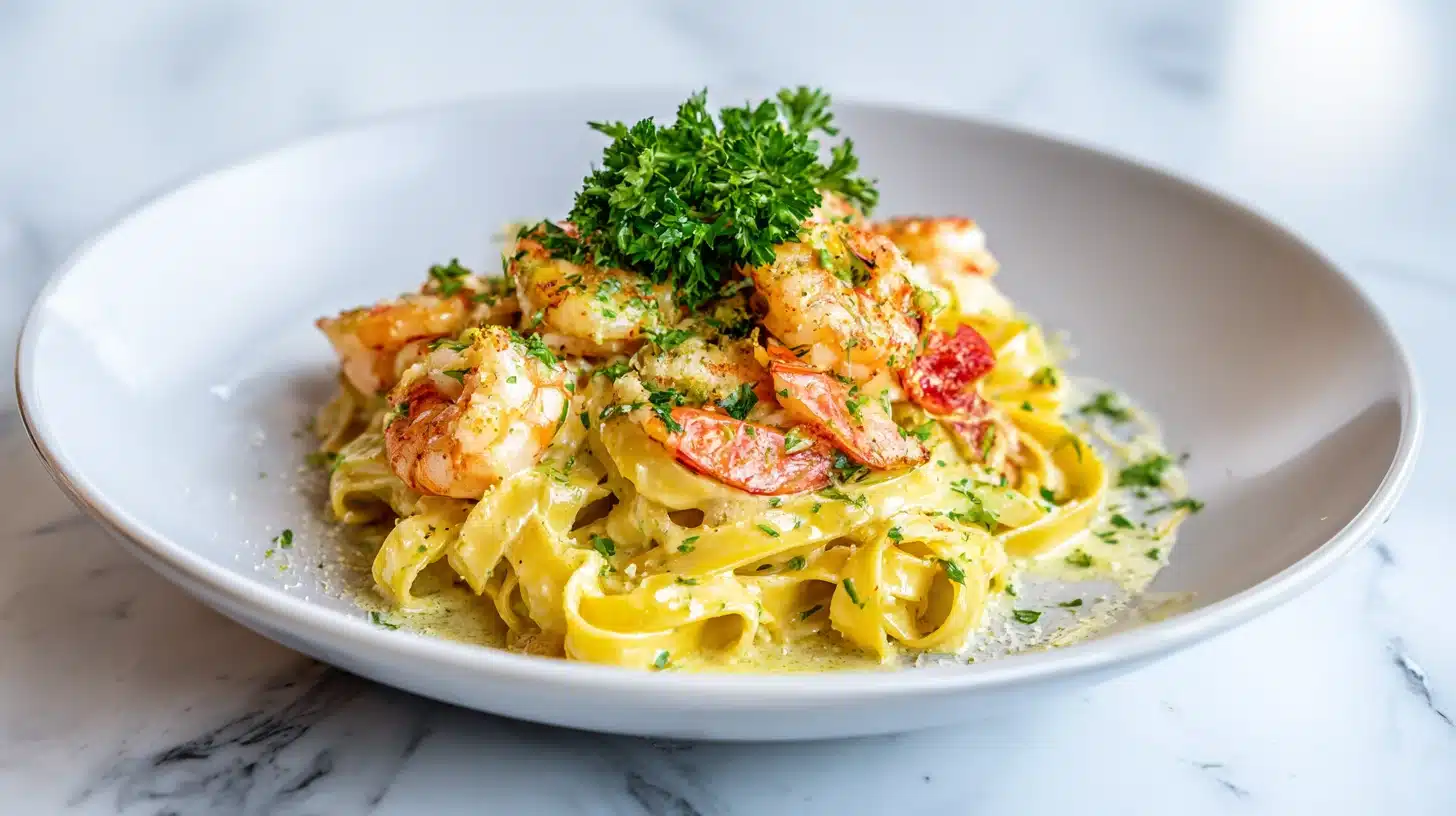
I know the frustration. Your cream sauce splits, or the prawns turn into little rubber erasers. But a simple two-step cooking method and starchy pasta water will fix that instantly.
Let’s talk about the exact timing for juicy prawns, how to emulsify cream with pasta water, and picking the right tagliatelle to hold every drop of sauce.
Table of Contents
Why This Tagliatelle with Prawns Recipe Works
There’s a reason restaurant pastas taste better than what we make at home. It comes down to two things: heat control and emulsification. The goal here is a glossy, clingy sauce that coats every strand of pasta without turning the prawns into tough little nuggets. The secret is the starch released by the pasta itself. As tagliatelle boils, it leaches starch into the water. Whisk that starchy water into butter, white wine, and cream, and the starch acts as a binder. You get a stable emulsion that refuses to separate.
Most home cooks drain their pasta and dump it into a sauce pan, expecting the cream to do all the work. Cream alone is too thin to cling to flat ribbons of tagliatelle. You need that active starch interaction. The wide surface area of tagliatelle makes it the perfect shape for a creamy prawn sauce, but it also means the pasta dries out quickly if the sauce isn’t properly emulsified. This is exactly why understanding pasta water matters so much for any creamy garlic parmesan pasta.
This recipe also works because of how the prawns are handled. Prawns cook incredibly fast. If you boil them in the sauce, they overcook by the time the pasta is ready. Instead, we sear them quickly in a hot pan to get a golden caramelized exterior, remove them, and build the sauce in that same pan. Those browned bits left behind, known as fond, are packed with savory flavor. You deglaze the pan with white wine, scraping up all that goodness, which becomes the foundation of your sauce. When you fold the prawns back in at the very end, they warm through gently without losing their snap.
The Flavor Foundation
The flavor profile of this dish is built on a careful balance of richness and acidity. The butter and olive oil provide a luxurious mouthfeel, while the white wine and fresh lemon juice cut through the fat. Garlic and shallots add a pungent, aromatic depth. The gentle heat from chilli flakes provides a subtle background warmth that brings out the sweetness of the prawns without overpowering them. Every ingredient plays a specific role. If you love the combination of seafood and cream, you might also enjoy this cajun shrimp and salmon with garlic cream.
Print
The Creamy Tagliatelle with Prawns Recipe You Will Make on Repeat
- Total Time: 23 min
- Yield: 4 servings 1x
Description
A quick and elegant seafood pasta featuring wide ribbons of tagliatelle tossed in a creamy garlic and white wine sauce with golden seared prawns and a bright finish of fresh lemon.
Ingredients
1 lb raw prawns (peeled and deveined, medium or large)
10 oz tagliatelle pasta (fresh or dried)
1 tbsp olive oil
1 tbsp butter
Salt and black pepper to taste
1 tbsp butter
1 large shallot (finely diced)
3 cloves garlic (minced)
1/2 tsp chilli flakes
1/2 cup dry white wine (like Pinot Grigio)
1/2 cup double cream or heavy cream
1 cup starchy pasta water (reserved from cooking pasta)
1 lemon (zest and juice)
1/4 cup parmesan cheese (freshly grated)
2 tbsp fresh parsley (chopped)
Instructions
1. Bring a large pot of well salted water to a boil. Add the tagliatelle and cook until al dente, reserving one cup of starchy pasta water before draining.
2. While the pasta cooks, pat the prawns dry and season with salt and pepper. Heat olive oil and one tablespoon of butter in a large skillet over medium high heat.
3. Sear the prawns in a single layer for two minutes per side until golden. Remove the prawns immediately to a plate to prevent overcooking.
4. Lower the heat to medium and add the remaining butter to the skillet. Add the diced shallot and cook for two minutes until soft and translucent.
5. Add the minced garlic and chilli flakes, cooking for thirty seconds until the garlic is fragrant but not browned.
6. Pour in the white wine and scrape up the browned bits from the pan. Let it simmer until reduced by half, then stir in the double cream.
7. Add the drained tagliatelle to the skillet and toss continuously, adding splashes of starchy pasta water until the sauce is silky and clings to the pasta.
8. Remove the pan from the heat. Return the prawns, add lemon zest, lemon juice, and parmesan. Toss gently until warmed through and serve immediately.
Notes
Store leftovers in an airtight container in the refrigerator for up to 1 day. Reheat gently in a skillet over low heat with a splash of water or milk to loosen the sauce.
For a non alcoholic version, replace the white wine with seafood stock and a splash of white wine vinegar.
Do not use pre cooked prawns, as they will become rubbery when reheated in the sauce.
For a richer flavor, try using fermented honey garlic in place of standard garlic.
- Prep Time: 8 min
- Cook Time: 15 min
- Category: Main Course
- Method: Stovetop
- Cuisine: Italian
Nutrition
- Serving Size: 1 bowl
- Calories: 520 kcal
- Sugar: 3 g
- Sodium: 680 mg
- Fat: 24 g
- Saturated Fat: 14 g
- Unsaturated Fat: 8 g
- Trans Fat: 0 g
- Carbohydrates: 52 g
- Fiber: 3 g
- Protein: 28 g
- Cholesterol: 210 mg
Choosing Your Ingredients
A standout tagliatelle with prawns recipe starts with sourcing the right components. You don’t need a long shopping list, but the quality of each item matters. Let’s break down the main players. First, the prawns. You want raw prawns, peeled and deveined. Look for medium or large prawns, roughly 20 to 25 per pound. Smaller prawns cook too quickly and get lost in the wide ribbons of pasta, while jumbo prawns take too long to cook through evenly. Fresh is great, but frozen raw prawns are completely fine. Just thaw them safely in the refrigerator overnight, or place them in a colander under cold running water for fifteen minutes. Never buy pre-cooked prawns for this dish, as they will turn rubbery when you reheat them.
Next, the pasta. Tagliatelle is a long, flat ribbon pasta, traditionally made with egg. The egg gives the dough a slightly richer flavor and a porous texture that grips sauces beautifully. You can use dried tagliatelle, which is sturdy and reliable, or fresh tagliatelle. If you use fresh pasta, it will cook in just two to three minutes, so you must time your sauce accordingly. Dried pasta takes ten to twelve minutes, which gives you more time to build the sauce. Either works well, but if you want that authentic Italian trattoria feel, seek out fresh egg tagliatelle. If you are exploring other comforting pasta dishes, our creamy tomato garlic pasta is another excellent option.
The cream is another important choice. Double cream or heavy whipping cream is non-negotiable here. Single cream or half and half does not have enough fat to withstand the acid from the wine and lemon, and it will curdle. You need that high fat content to create a stable, silky sauce. Finally, the aromatics. Use fresh garlic cloves, not pre-minced jars. Fresh garlic has a sharp, pungent oil that mellows into sweetness as it cooks. A small shallot adds a mild, sweet backbone to the sauce without competing with the garlic. Fresh parsley and real parmesan cheese finish the dish. The parmesan adds a salty, umami punch, and the parsley brings a fresh, grassy note that cuts through the rich cream.
Common Mistakes and How to Avoid Them
Even a simple tagliatelle with prawns recipe can go sideways if a few steps are overlooked. The most common issue people face is rubbery prawns. Prawns cook in just two to three minutes per side. Once they turn pink and curl slightly, they are done. If you leave them in the pan while you build the sauce, they will become tough and chewy. Remove them from the pan as soon as they are seared and only return them at the very end to warm through.
Another frequent mistake is a thin, watery sauce. This happens when cooks forget to save their pasta water or don’t let the sauce reduce enough. The starchy water is the magic ingredient that binds the cream and the fat together. Without it, the sauce slides off the flat tagliatelle ribbons and pools at the bottom of the bowl. Always reserve at least one cup of pasta water before draining your noodles, and add it a splash at a time until the sauce reaches the right consistency.
Overcooked pasta is another tragedy. Tagliatelle should be cooked until al dente, which means it still has a slight bite when you chew it. Since the pasta finishes cooking in the sauce, if you boil it until it is completely soft, it will turn to mush. Start testing the pasta two minutes before the package instructions say it will be done.
- Skipping the pasta water and ending up with a dry, clumpy dish. Always reserve a full cup of starchy pasta water before draining the noodles so you can loosen the cream sauce to a silky consistency.
- Cooking the prawns entirely in the sauce. Sear the prawns quickly in the pan first, remove them, and fold them back in at the end so they stay juicy and tender.
- Dumping parmesan directly into a boiling sauce. Take the pan off the heat before adding grated parmesan to prevent the cheese from clumping or turning stringy.
- Using thin single cream instead of double cream. Stick to double cream or heavy cream to ensure the sauce holds together when mixed with acidic wine and lemon juice.
- Adding lemon juice too early. Stir in the lemon juice right at the end to keep its bright, fresh flavor intact and prevent it from turning bitter during cooking.
Step by Step Cooking Method
Now let’s walk through the actual cooking process for this tagliatelle with prawns recipe. Bring a large pot of well-salted water to a rolling boil. The water should taste slightly salty, like the sea. Add your tagliatelle and stir well to prevent the ribbons from sticking together. While the pasta cooks, heat a large skillet over medium-high heat. Add one tablespoon of olive oil and one tablespoon of butter. Pat the prawns dry with paper towels and season them with salt and pepper. When the fat is shimmering, add the prawns in a single layer. Do not crowd the pan. Sear them for two minutes on the first side until they develop a golden crust, then flip and cook for one more minute. Immediately remove the prawns to a plate.
Lower the heat to medium and add the remaining butter to the same skillet. Add the finely diced shallot and cook for two minutes until it softens. Add the minced garlic and chilli flakes, cooking for just thirty seconds until the garlic is fragrant. Do not let the garlic brown. Pour in the white wine and use a wooden spoon to scrape up the browned bits from the bottom of the pan. Let the wine simmer until it reduces by half, which takes about two minutes.
Add the double cream and bring it to a gentle simmer. By now, your pasta should be al dente. Reserve one cup of the starchy pasta water, then drain the pasta. Add the drained tagliatelle directly to the skillet with the cream sauce. Toss the pasta continuously, adding a splash of pasta water at a time. Keep tossing until the sauce thickens and coats every strand of pasta beautifully.
Take the pan off the heat. Return the prawns to the skillet. Add the lemon zest, lemon juice, and freshly grated parmesan. Toss everything together until the prawns are warmed through and the sauce is glossy. Taste and adjust the seasoning. If you want a deeper flavor, try using fermented honey garlic recipe in place of standard garlic for a complex twist.
Variations and Swaps
One of the best things about a tagliatelle with prawns recipe is how adaptable it is. If you cannot find tagliatelle, you can easily swap it out for another long, flat pasta like fettuccine or pappardelle. The wide ribbons work best for holding creamy sauces. Spaghetti is another good option if you prefer a thinner noodle. Just remember to adjust the cooking time according to the pasta you choose. If you are looking for a change of pace, this creamy cajun garlic pasta shows how a simple spice blend can completely change a cream sauce.
If you cannot find raw prawns, large raw shrimp work perfectly well. The cooking method remains exactly the same. Just be sure to buy raw, not pre-cooked. For the white wine, a dry, crisp white like Pinot Grigio or Sauvignon Blanc is ideal. Avoid oaky wines like Chardonnay, which can overpower the delicate flavor of the prawns. If you prefer not to cook with alcohol, you can substitute an equal amount of seafood stock or vegetable broth with a splash of white wine vinegar.
You can also play with the flavor base. Adding a handful of halved cherry tomatoes when you add the garlic brings a bright acidity to the dish. A handful of baby spinach stirred in at the end adds color and freshness. If you love a bit of spice, increase the chilli flakes, or add a finely sliced fresh red chilli with the garlic. Some cooks like to add a splash of brandy instead of white wine for a richer, deeper flavor. Just be sure to flambé the brandy safely before adding the cream. If you are a fan of bold Southern flavors, our smothered okra and shrimp recipe offers another wonderful way to prepare shrimp.
Serving and Storing Your Prawn Pasta
Serving this tagliatelle with prawns recipe immediately is important for the best texture. The sauce is at its peak silkiness when it is freshly tossed. Divide the pasta among warm bowls. Twirl the pasta using a carving fork or tongs for a neat presentation, making sure each bowl gets a generous portion of prawns. Garnish with freshly chopped parsley and an extra dusting of parmesan cheese. A drizzle of high-quality extra virgin olive oil on top adds a rich, fruity finish. Serve with a wedge of fresh lemon on the side for anyone who wants an extra hit of acidity.
If you have leftovers, let the pasta cool completely before transferring it to an airtight container. Store it in the refrigerator for up to one day. Be aware that cream sauces tend to absorb into the pasta as it sits, so the dish will be thicker when you reheat it. To reheat, place the pasta in a skillet over low heat. Add a splash of water or milk to loosen the sauce, and stir gently until it is warmed through. Do not microwave on high, as this will turn the prawns rubbery and cause the cream sauce to separate. We do not recommend freezing this dish, as the cream sauce will break and become grainy when thawed.
Pairing this meal is simple. A crisp green salad with a sharp vinaigrette cuts through the richness of the cream sauce. Crusty bread is essential for soaking up any leftover sauce in the bowl. As for wine, pour the same white wine you used to cook the sauce. This dish is perfect for a quick weeknight dinner or a romantic meal at home. If you enjoy seafood dishes with a bit of kick, a seafood boil recipe might be your next project.
Prefer a lighter, silkier ribbon? My shrimp linguine (prawn linguine) takes the same garlic-butter instincts in a brighter, lemon-forward direction, between the two, every prawn-pasta craving is covered.
Frequently Asked Questions
Does tagliatelle go with prawns?
Yes, tagliatelle is an excellent pasta choice for prawns. Its flat, ribbon-like shape provides a wide surface area that holds creamy and oil-based sauces perfectly. The slight porosity of egg-based tagliatelle grabs onto the sauce, so you get a bit of prawn and sauce in every single bite.
What pasta goes best with prawns?
Long, flat pastas like tagliatelle, fettuccine, and linguine are ideal for prawns, especially when paired with cream or oil-based sauces. If you are using a chunkier tomato sauce, short tubular pastas like penne or rigatoni work well because the prawns and sauce can tuck inside the tubes.
What sauce goes best with tagliatelle?
Tagliatelle pairs best with rich, smooth sauces. Cream-based sauces, like a garlic and white wine cream, are classic because they cling to the wide ribbons. Meaty ragu sauces are also traditional, as the sturdy pasta can hold up to heavy, slow-cooked meats. For seafood, keep the sauce light but creamy.
Which pasta sauce is best for prawns?
A garlic, butter, and white wine cream sauce is one of the best sauces for prawns. The acidity of the wine and the richness of the cream complement the sweet, delicate flavor of the prawns. Avoid heavy tomato sauces, which can overpower the subtle taste of the seafood.
Can I use pre-cooked prawns for this recipe?
It is not recommended. Pre-cooked prawns will become rubbery and tough when reheated in the sauce. For the best texture, use raw prawns. Sear them quickly, remove them, and fold them back in at the end just to warm them through.
How do I prevent my cream sauce from curdling?
To prevent curdling, use double cream or heavy cream, which has a high enough fat content to remain stable when mixed with acidic ingredients like wine and lemon. Also, do not let the sauce come to a hard boil once the cream is added. Keep it at a gentle simmer, and add the lemon juice off the heat.
Conclusion
This tagliatelle with prawns recipe proves that you do not need a restaurant kitchen to achieve a silky, restaurant-quality seafood pasta. By focusing on the details, like reserving starchy pasta water and searing the prawns separately, you solve the common frustrations of gummy noodles and rubbery seafood. The balance of white wine, fresh lemon, and rich cream creates a sauce that clings perfectly to every ribbon of tagliatelle.
Start with a half batch tonight and see how a little attention to timing transforms simple ingredients into a meal you will want to make again and again.
For more recipes like this tagliatelle with prawns recipe, follow us on Facebook and Pinterest for weeknight dinner ideas.
More recipes in this series: