The first time I pulled a dense, gummy brick out of the oven, I realized that making banana bread with oil is the true secret to a tender crumb.
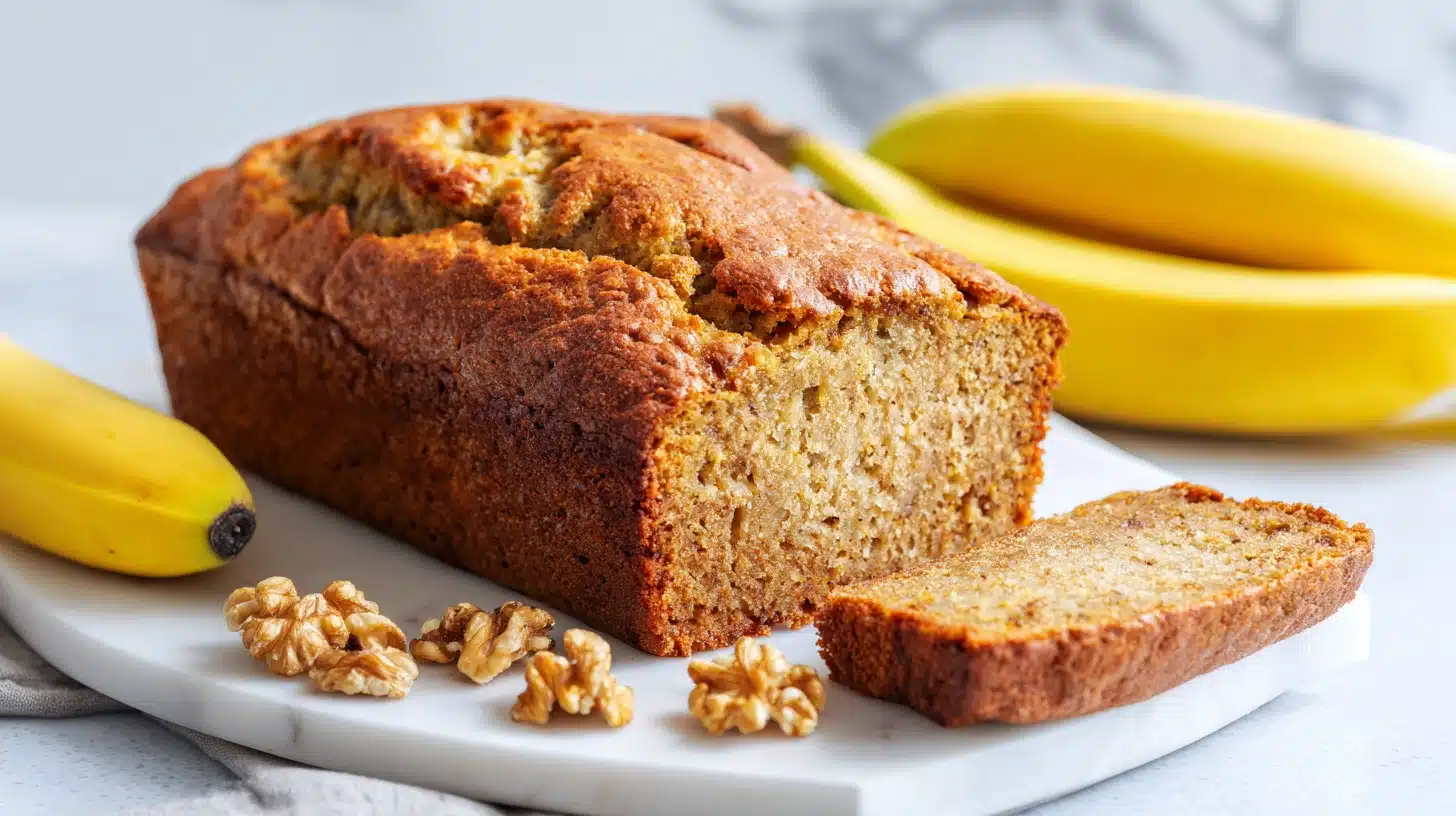
So many home bakers struggle with loaves that sink in the middle or turn dry and crumbly by day two. Swapping out dairy fat for a liquid fat changes the structure entirely, keeping your bake plush and soft for days.
Inside: the exact science of why liquid fat beats butter, the precise mixing method to prevent dense dough, and how to customize your mix-ins for the best loaf.
Table of Contents
Why Oil Makes Better Banana Bread
When it comes to baking incredible quick breads, the fat you choose determines the final texture more than any other ingredient. Butter brings a rich dairy flavor, but it also contains water. When you bake butter-based batters, that water evaporates in the oven, leaving behind tiny air pockets that initially create lift but ultimately lead to a drier crumb as the bread cools. This is why your fresh-from-the-oven slice tastes amazing, but the leftover half feels brittle and crumbly the next morning.
Vegetable oil, on the other hand, is 100 percent pure fat with zero water content. Because there is no moisture to evaporate, the fat coats the flour proteins thoroughly, inhibiting gluten formation. Less gluten means a softer, more velvety texture that lasts. This simple science is exactly why a reliable banana bread with oil stays soft and slices cleanly even after sitting on your counter overnight. The crumb stays plush, the edges stay tender, and you never get that heavy, sinking sensation in the middle of the loaf.
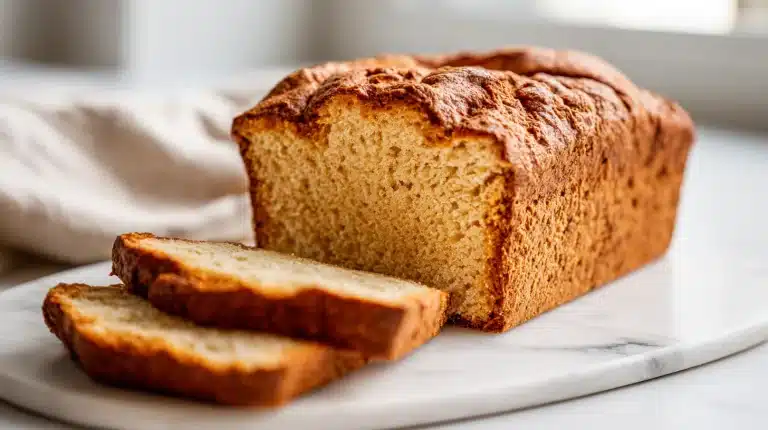
If you have ever tried a recipe banana bread no butter approach and found it lacking in richness, the trick is using the right type of oil. A neutral tasting vegetable oil lets the sweet, tropical flavor of the fruit shine through without interference. You can use canola oil or a very light olive oil if you prefer, but standard vegetable oil is my go-to for consistency. The loaf bakes up golden brown with a delicate, crispy crust that gives way to an impossibly soft interior.
Choosing an oil-based banana bread is not about cutting corners. It is about understanding how different fats interact with flour, sugar, and eggs. Butter disguises itself with flavor, but oil does the heavy lifting to keep your bake genuinely tender. Once you see the difference in the slice you cut tomorrow morning, you will understand why this method has become the gold standard in my kitchen.
Print
Banana Bread with Oil (No Butter)
- Total Time: 75 min
- Yield: 12 servings 1x
- Diet: Vegetarian
Description
A perfectly moist banana bread with oil that yields a tender, plush crumb every time. This simple no-mixer recipe uses overripe bananas and vegetable oil for a soft texture that lasts for days.
Ingredients
For the banana bread:
3 medium overripe bananas (peeled, heavily speckled)
3/4 cup vegetable oil
1/2 cup granulated sugar
1/4 cup dark brown sugar (packed)
2 large eggs (room temperature)
1 teaspoon vanilla extract
1 1/2 cups all-purpose flour
1 teaspoon baking soda
1/2 teaspoon salt
1/2 cup walnuts (chopped, optional)
For the pan:
1 teaspoon vegetable oil (for greasing)
Instructions
1. Preheat your oven to 350 degrees Fahrenheit and grease a 9 by 5 inch loaf pan with oil, then line it with a strip of parchment paper.
2. In a large bowl, mash the overripe bananas with a fork until they are mostly smooth with a few small chunks remaining.
3. Add the vegetable oil, granulated sugar, brown sugar, eggs, and vanilla extract to the mashed bananas, whisking vigorously until the mixture is smooth and glossy.
4. Sprinkle the all-purpose flour, baking soda, and salt directly over the wet mixture.
5. Use a silicone spatula to gently fold the ingredients together, stopping as soon as you no longer see dry white streaks of flour.
6. Fold in the chopped walnuts if you are using them, taking care not to overmix the batter.
7. Pour the batter into your prepared loaf pan and smooth the top evenly with your spatula.
8. Bake in the center of the oven for 65 minutes, or until the top is deep golden brown and a toothpick inserted into the center comes out with a few moist crumbs.
9. Let the bread cool in the pan for 10 minutes, then use the parchment sling to lift it onto a wire rack to cool completely before slicing.
Notes
Store the cooled loaf tightly wrapped in plastic wrap at room temperature for up to 4 days.
You can freeze individual slices in an airtight container for up to 3 months and reheat them in the microwave for 20 seconds.
If you prefer a sweeter loaf, you can add 1/2 cup of dark chocolate chips along with the walnuts.
Make sure your eggs are at room temperature so the vegetable oil does not seize and look curdled when mixed.
- Prep Time: 10 min
- Cook Time: 65 min
- Category: Breakfast
- Method: Baking
- Cuisine: American
Nutrition
- Serving Size: 1 slice
- Calories: 285 kcal
- Sugar: 18 g
- Sodium: 210 mg
- Fat: 16 g
- Saturated Fat: 2 g
- Unsaturated Fat: 13 g
- Trans Fat: 0 g
- Carbohydrates: 35 g
- Fiber: 1 g
- Protein: 3 g
- Cholesterol: 30 mg
Essential Ingredients for the Best Loaf
A great banana bread with vegetable oil relies on a simple balance of pantry staples. You do not need anything fancy, but the quality and temperature of your ingredients matter immensely. Let us break down exactly what goes into the bowl and why.
The Bananas
You want bananas that are heavily speckled, soft, and squishy to the touch. The skins should be mostly black. At this stage, the starches have converted entirely to sugar, which means they will bake up sweeter and break down seamlessly into the batter. Under-ripe bananas will leave you with firm, starchy lumps and a flat flavor profile.
The Sugars
I use a combination of granulated sugar and dark brown sugar. The granulated sugar provides a clean, sharp sweetness, while the brown sugar contributes molasses depth and extra moisture. The molasses in brown sugar is hygroscopic, meaning it attracts and holds onto water, working in tandem with the oil to keep the bread soft. If you only have light brown sugar, that works perfectly fine too.
The Oil
Use exactly three quarters of a cup of neutral vegetable oil. This is the ideal ratio for a standard nine by five inch loaf pan. It provides enough fat to coat the flour and keep things tender without making the bake feel greasy on your fingers. If you want to experiment with a banana bread with oil that has a slightly savory edge, a high quality extra virgin olive oil adds a beautiful peppery finish. If you want something slightly sweeter and more breakfast oriented, you might enjoy our matcha banana bread which also relies on liquid fats for its soft texture.
The Structure
All-purpose flour provides the backbone. You will also need baking soda to neutralize the acidity of the bananas and provide lift. A pinch of salt is non-negotiable because it wakes up the sweetness and balances the fat. Two large eggs bind the mixture together, and a generous pour of vanilla extract rounds out the flavor profile. If you want to add a tangy note to cut through the richness, a tablespoon of buttermilk does wonders.
The Mixing Method: Step by Step
The way you combine these ingredients is just as important as the ingredients themselves. Overmixing is the enemy of a tender crumb. When you agitate flour and liquid too much, you develop gluten, turning your soft bread into a tough, rubbery slab. Here is how to avoid that.
Common Mistakes to Avoid
- Overmixing the batter once the flour is added, which creates tough gluten strands. Stop folding as soon as you no longer see dry white streaks of flour.
- Using cold eggs straight from the fridge, which makes the oil seize and look curdled. Let your eggs sit on the counter for thirty minutes before baking.
- Opening the oven door during the first forty minutes of baking. The rush of cold air causes the rising structure to collapse and sink in the middle.
- Slicing the loaf while it is still hot. The internal steam needs time to redistribute and set the crumb, so wait at least forty-five minutes.
- Measuring flour by scooping the cup directly into the bag. This packs the flour down and adds too much to the bowl. Spoon the flour into your measuring cup and level it off with a knife.
Start by mashing your overripe bananas in a large bowl until they are mostly smooth with a few small chunks remaining. Add the vegetable oil, granulated sugar, brown sugar, eggs, and vanilla extract. Whisk this mixture vigorously until it is smooth and glossy. This is the stage where you want to put some energy into it, because you are emulsifying the oil and eggs together.
Once your wet mixture looks uniform, you switch to a gentle hand. Sprinkle the dry ingredients, including the all-purpose flour, baking soda, and salt, directly over the wet mixture. Instead of a whisk, use a silicone spatula or a wooden spoon. Fold the mixture gently, scraping the bottom and sides of the bowl. You are simply trying to incorporate the dry flour into the wet bananas. As soon as the last streak of white disappears, stop mixing.
If you are adding walnuts, pecans, or chocolate chips, fold them in during these final few strokes. Pour the batter into your prepared loaf pan and get it straight into the oven. This careful mixing method is what guarantees an easy banana bread with oil that rises tall and slices like a dream.
Baking, Testing, and Cooling for Perfect Texture
Getting your banana bread with oil perfectly baked requires a bit of patience and careful observation. You want the oven preheated to 350 degrees Fahrenheit. Make sure your rack is positioned in the center of the oven so the heat circulates evenly around the loaf pan.
Pour your batter into a nine by five inch metal loaf pan that has been lightly greased and lined with a strip of parchment paper. The parchment creates a sling that makes it easy to lift the bread out later without scratching your pan. Smooth the top of the batter with your spatula so it bakes evenly. Slide the pan into the oven and set your timer for 60 minutes.
At the 60 minute mark, take a look. The top should be a deep, caramelized golden brown. Press your finger gently on the center of the loaf. If it springs back immediately and feels firm, it is likely done. To be absolutely certain, insert a wooden toothpick or a thin skewer into the center. It should come out with a few moist crumbs attached, but no wet batter. If you see wet batter, bake for another 5 to 10 minutes and test again.
Cooling is a critical step that many bakers rush. Let the bread sit in the hot pan for exactly 10 minutes. This allows the structure to firm up slightly so the bread does not tear when you invert it. After 10 minutes, use your parchment sling to lift the loaf out of the pan and transfer it to a wire rack to cool completely. If you leave the bread in the pan to cool entirely, the trapped steam will make the bottom soggy.
This baking approach guarantees a moist banana bread with oil that holds its shape beautifully. The crust caramelizes perfectly in the metal pan, while the interior stays soft and plush. For another great way to use up your overripe fruit, check out our rhubarb bread recipe which uses a similar cooling technique.
Variations and Storage Tips
Once you have mastered the basic oil-based banana bread, you can start playing with flavors and textures. The base recipe is incredibly forgiving and adapts well to different mix-ins and substitutions.
Adding Texture
Toasted walnuts are the classic choice, adding a bitter, earthy crunch that cuts through the sweetness. Pecans work beautifully too. If you want to lean into a dessert profile, fold in a cup of dark chocolate chips. The heat of the oven will soften them into melty pools throughout the bread. For a breakfast twist, our muffin banana chocolate chip recipe translates these exact flavors into a handheld morning treat.
Flavor Twists
You can easily modify this no butter banana bread to suit your pantry. Add a teaspoon of ground cinnamon and a pinch of nutmeg to the dry ingredients for a warm, spiced profile. If you want to boost the protein content for a post-workout snack, try our protein banana bread variation which maintains the same tender crumb by keeping the oil intact.
Storage Solutions
Because this is a banana bread with oil, it stores beautifully without drying out. Once the loaf is completely cool, wrap it tightly in plastic wrap and leave it on your kitchen counter. It will stay perfectly moist for up to four days. You can also slice the loaf and freeze the individual slices in an airtight container. Pop a frozen slice in the microwave for 20 seconds whenever you need a quick breakfast. If you are planning a brunch, you can even use leftover slices to make a make ahead banana bread breakfast casserole for a crowd.
Frequently Asked Questions
Can I use oil in banana bread instead of butter?
Yes, you absolutely can. In fact, using oil often results in a softer and more tender crumb because oil is 100 percent fat, whereas butter contains water that evaporates during baking. You will lose the rich dairy flavor of butter, but the texture of your bread will stay moist for much longer.
How much oil should I add to my banana bread?
For a standard loaf using three or four medium bananas, three quarters of a cup of vegetable oil is the perfect amount. This ratio provides enough fat to keep the bread tender without making the finished loaf feel greasy or heavy on your palate.
How to bake banana bread with oil?
You bake it the same way you would a butter-based recipe, but you do not need to cream the fat with the sugar. Simply whisk the oil, sugar, eggs, and mashed bananas together, fold in the dry ingredients, and bake in a greased loaf pan at 350 degrees Fahrenheit for about 65 minutes.
Is banana bread healthy?
While banana bread contains nutritious fruit, it is still a sweet baked good that contains significant amounts of sugar and oil. You can make it slightly healthier by reducing the sugar, using whole wheat flour, or adding nuts for extra fiber and protein, but it is best enjoyed as an occasional treat rather than a daily health food.
Which oil is best for banana bread?
A neutral oil, canola, vegetable, or light olive oil, gives the classic flavor and the moistest crumb. Melted coconut oil adds gentle sweetness, and avocado oil swaps in 1:1. Skip strong extra-virgin olive oil; it competes with the banana.
How do I substitute oil for butter in banana bread?
Use about three-quarters the amount: 1 cup of butter becomes 3/4 cup of oil, and 1/2 cup butter becomes 6 tablespoons of oil. Because oil is 100% fat (butter is only about 80%), the loaf actually turns out moister.
Why does oil make banana bread moister than butter?
Oil stays liquid at room temperature, so the crumb stays soft for days. Butter re-solidifies as the loaf cools, which is why butter-based banana bread can feel dry by day two.
Conclusion
Baking an incredible banana bread with oil is all about understanding how liquid fat transforms the crumb. By skipping the butter, you guarantee a loaf that stays soft, plush, and deeply flavorful for days. The simple mixing method and careful baking time ensure your bread rises tall without sinking or turning gummy.
Carve out an evening this week and give it a go. The smell of caramelizing bananas and vanilla filling your kitchen is the perfect way to wind down.
For more recipes like banana bread with oil, follow us on Facebook and Pinterest for cozy baking inspiration.
More recipes in this series: