Kimchi eggs saved me on a Tuesday morning when I had nothing but a near-empty jar of kimchi, two eggs, and the stubborn belief that breakfast should taste like something.
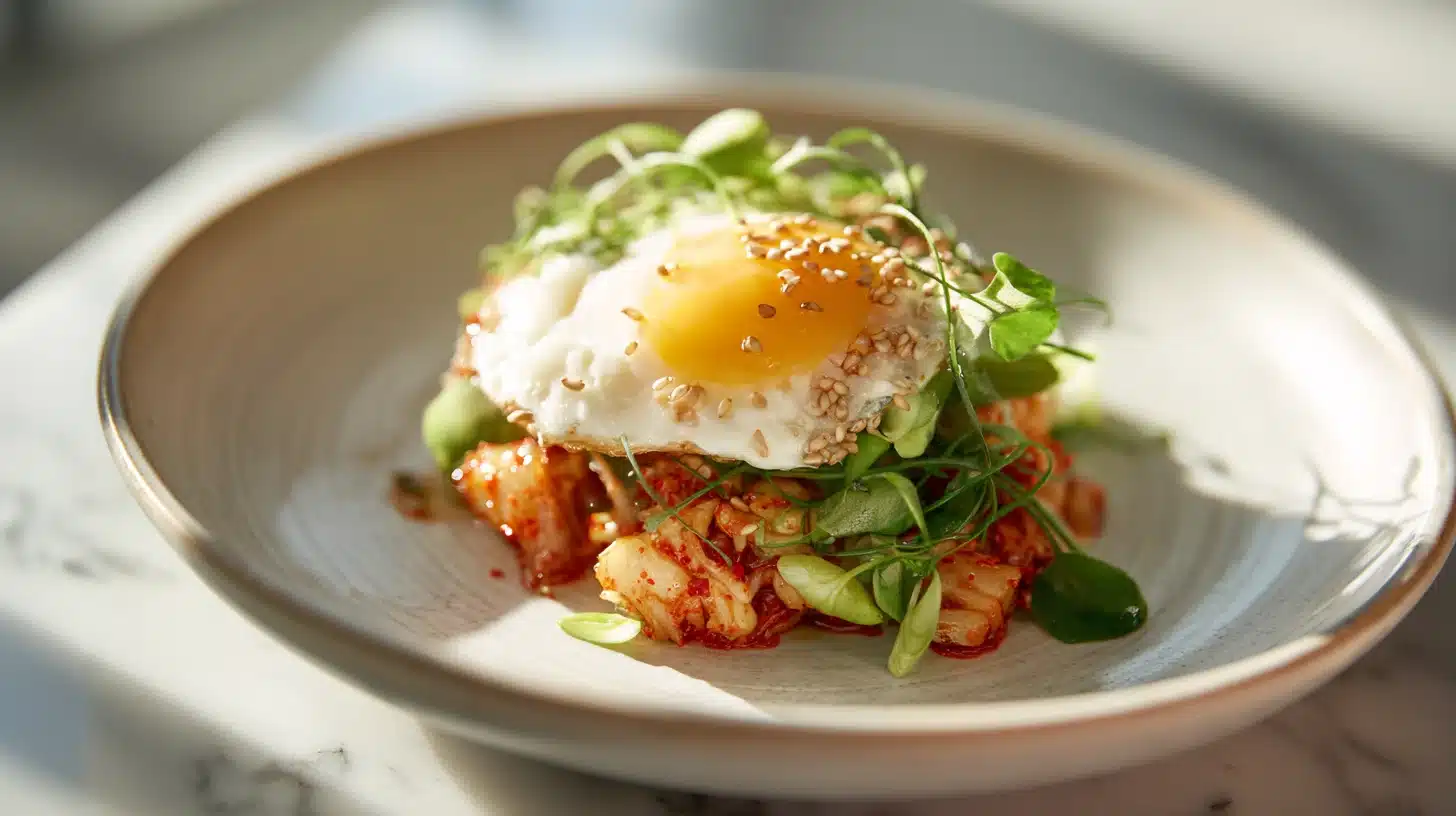
Most quick egg recipes solve the speed problem but not the flavor one. You end up with eggs that are technically edible and entirely forgettable. This recipe fixes that by using kimchi as a flavor-packed cooking base, so every bite carries tang, heat, and a faint caramelized sweetness without any extra effort.
Inside: you’ll get the exact technique for getting that golden, lacy edge on your fried egg, the right moment to add kimchi so it caramelizes instead of just steaming, and tips for turning this into a full meal with rice.
Table of Contents
Why Kimchi and Eggs Are a Perfect Match
Korean home cooks have been pairing fermented vegetables with eggs for generations. It’s not a trend. It’s just good food science dressed up as instinct.
The Flavor Logic Behind This Pairing
Eggs are rich, mild, and a little fatty. Kimchi is sharp, funky, acidic, and deeply savory. Together they do what good food pairings always do: each one makes the other taste more like itself. The acidity of the kimchi cuts through the richness of the yolk. The fat in the egg softens the kimchi’s sharpest edges. You get a single, cohesive bite that feels more complete than either ingredient alone could manage.
But here’s the part that most kimchi egg recipes skip over: caramelization. When you let the kimchi sit in hot oil for a minute or two before adding the eggs, the natural sugars in the fermented cabbage begin to brown. The sourness mellows. The color deepens to a warm amber. The smell shifts from sharp and tangy to something almost nutty. That shift is exactly where this dish picks up its depth.
Skip that step, and you’re essentially just adding cold condiment to hot eggs. The result is flat. One extra minute of patience is all that separates a good kimchi egg from a great one.
The Nutritional Angle
Kimchi eggs are also genuinely good for you, which is not always a given when something tastes this satisfying. Eggs are one of the most complete high-protein foods you can build a meal around. Two eggs deliver roughly 12 grams of protein, plus fat-soluble vitamins and choline. Kimchi brings probiotics from the fermentation process, plus fiber, vitamin C, and a measurable amount of B vitamins.
If you want to build more fermented foods into your daily cooking, a good starting place is learning to make your own. This easy homemade kimchi recipe walks you through the whole process with no special equipment required.
Together, this two-ingredient core creates a breakfast that is high-protein, gut-friendly, low in carbohydrates, and ready in under ten minutes. It’s a rare combination, and it’s exactly why kimchi scrambled eggs have become a staple in so many quick-meal rotations.
Minimalist cooking at its best is not about using fewer ingredients for the sake of simplicity. It’s about using fewer ingredients because you chose the right ones. Kimchi and eggs are the right ones.
Print
Kimchi Eggs: The 7-Minute Breakfast That Tastes Like You Tried
- Total Time: 7 min
- Yield: 1 servings 1x
- Diet: Vegetarian
Description
Kimchi eggs is a fast, savory meal made by caramelizing chopped kimchi in a hot pan and cooking eggs directly over it. The kimchi turns golden and slightly sweet, the eggs cook up rich and runny, and the whole thing comes together in about 7 minutes. Serve it plain or over a bowl of white rice for a satisfying high-protein breakfast or quick weeknight meal.
Ingredients
For the kimchi eggs:
1/2 cup kimchi (well-fermented, roughly chopped, excess brine drained)
2 large eggs
1 teaspoon neutral oil (such as canola or avocado oil)
1 pinch fine sea salt
1 pinch black pepper
Optional toppings:
1 teaspoon toasted sesame oil (for drizzling at the end)
1 scallion (thinly sliced)
1 teaspoon toasted sesame seeds
1 teaspoon soy sauce
1 cup cooked short-grain white rice (for serving)
Instructions
1. Heat a small non-stick or cast-iron skillet over medium heat. Add the neutral oil and let it warm for about 30 seconds until it shimmers when you tilt the pan.
2. Add the chopped kimchi to the hot pan in a single layer. Let it cook undisturbed for 60 to 90 seconds. You should hear a steady sizzle and notice the kimchi turning golden at the edges and smelling slightly sweet and nutty. Stir once, then let it sit for another 30 seconds.
3. For fried eggs: push the caramelized kimchi to the edges of the pan. Crack both eggs into the center. Let them cook undisturbed over medium heat for 2 to 3 minutes until the whites are fully set and opaque but the yolks are still glossy and slightly wobbly. Season with salt and pepper.
4. For scrambled eggs: lower the heat to medium-low after caramelizing the kimchi. Pour two beaten eggs directly over the kimchi. Use a spatula to gently fold the eggs and kimchi together in slow, wide strokes. Pull the pan off the heat just before the eggs look fully set and let residual heat finish the cook. Season with salt.
5. Slide the finished eggs and kimchi onto a plate or directly over a bowl of warm rice. Add any optional toppings you like: a drizzle of sesame oil, sliced scallions, sesame seeds, or a few drops of soy sauce. Serve immediately while the yolk is still runny and the kimchi edges are crisp.
Notes
Store any leftovers in an airtight container in the refrigerator for up to 2 days. Reheat gently in a skillet over low heat for best texture. This dish is not suitable for freezing.
Use older, more fermented kimchi for deeper flavor and better caramelization. Freshly made kimchi works but gives a milder, crunchier result.
Add a small pinch of sugar to the kimchi before frying if you want faster caramelization with fresh kimchi.
Swap the neutral oil for a small amount of butter for a richer, slightly Western-style take on the dish.
- Prep Time: 2 min
- Cook Time: 5 min
- Category: Breakfast
- Method: Stovetop
- Cuisine: Korean
Nutrition
- Serving Size: 1 plate (2 eggs with kimchi)
- Calories: 220 kcal
- Sugar: 2 g
- Sodium: 480 mg
- Fat: 15 g
- Saturated Fat: 3 g
- Unsaturated Fat: 10 g
- Trans Fat: 0 g
- Carbohydrates: 6 g
- Fiber: 1 g
- Protein: 14 g
- Cholesterol: 372 mg
Ingredients and What Each One Does
You need very little here. That is the point. Each ingredient pulls its weight, so understanding what it does helps you make smarter swaps when needed.
The Core Three
Kimchi (about 1/2 cup, roughly chopped): The flavor engine of the whole dish. Use well-fermented kimchi if you have it. Older kimchi, meaning kimchi that has been in your fridge for two weeks or more, is more sour and more complex. It caramelizes more readily and brings a richer flavor to the pan. Fresh, newly made kimchi is milder and crunchier, which is fine but gives you a slightly less punchy result.
Drain your kimchi loosely before adding it to the pan. You don’t need to press it dry, but you want to leave the excess brine behind so the kimchi fries rather than steams. Save that brine. It’s liquid gold for soups and marinades.
Eggs (2 large): Two eggs is the right quantity for a single serving that actually fills you up. The cooking method here is flexible. Fried eggs give you that crispy, lacy bottom with a runny yolk that breaks over the kimchi like a sauce. Scrambled eggs give you something softer and more cohesive. Both work. The technique section below covers both.
Neutral oil (1 teaspoon, or sesame oil for extra flavor): You need just enough to keep the kimchi from scorching and to get that good bottom crust on the egg. A neutral oil like canola or avocado oil lets the kimchi flavor dominate. A small drizzle of toasted sesame oil at the end adds a warm, nutty finish that ties the whole dish to its Korean food roots without overpowering anything.
Optional Add-Ons Worth Considering
- A small pinch of sugar stirred into the kimchi before frying accelerates caramelization if your kimchi is very fresh.
- A splash of soy sauce on the finished eggs adds umami depth.
- Sliced scallions on top add a fresh, sharp contrast to the richness of the yolk.
- Cooked white rice on the side turns this into a full meal in under ten minutes total.
If you enjoy building full meals around eggs, the mediterranean baked feta eggs recipe on this site uses a similar principle of letting bold base ingredients do most of the flavor work.
How to Make Kimchi Eggs (Step by Step)
The whole cook takes five minutes once your pan is hot. Read through the steps once before you start so nothing catches you off guard.
Step 1: Heat the Pan
Set a small non-stick or cast-iron skillet over medium heat. Add the oil and let it get hot for about 30 seconds. You’re looking for the oil to shimmer slightly when you tilt the pan. If it starts to smoke, the heat is too high.
A properly heated pan is the single biggest factor in whether your kimchi caramelizes or just softens. Too cool and the kimchi releases water and steams. Too hot and it scorches before the sugars have time to develop. Medium heat is your friend here.
Step 2: Fry the Kimchi
Add the chopped kimchi to the hot oil. Press it into a single layer with a spatula and leave it alone for 60 to 90 seconds. You want to hear a steady, gentle sizzle, not frantic spitting. After about a minute, stir it once and let it sit for another 30 seconds. The kimchi should be slightly golden on the bottom and smell noticeably sweeter and nuttier than when it went in raw.
This step is the most important one. That golden, caramelized kimchi base is what separates Korean kimchi eggs from every other egg dish.
Step 3: Add the Eggs
For fried eggs: push the kimchi to the edges of the pan or into a small mound to one side. Crack the eggs directly into the center of the pan. Let them cook undisturbed for 2 to 3 minutes until the whites are fully set but the yolks are still glossy and slightly wobbly. Season with a small pinch of salt and pepper.
For scrambled eggs: whisk the eggs with a pinch of salt before you start. Once the kimchi is caramelized, pour the eggs directly over the kimchi and use a spatula to gently fold everything together over low heat. Pull the pan off the heat just before the eggs look fully set. They’ll finish cooking from residual heat, and you’ll end up with soft, custardy folds rather than rubbery chunks.
Step 4: Finish and Serve
Slide everything onto a plate or directly over a bowl of warm rice. Add any toppings you like: scallions, a drizzle of sesame oil, a few drops of soy sauce, a pinch of toasted sesame seeds. Eat immediately. This is not a dish that benefits from waiting.
The whole process from cold pan to plated food is under seven minutes. That’s the promise, and the recipe keeps it.
Serving Ideas, Variations, and Make-It-Yours Tips
Once you have the basic kimchi egg recipe down, the variations are almost endless. Here are the ones worth knowing about.
Serve It Over Rice
This is the most traditional presentation and also the most satisfying. A bowl of short-grain white rice, a pile of caramelized kimchi, and a fried egg on top with a broken yolk that seeps into the rice below. This is the kind of meal that takes ten minutes to make and feels like it came from somewhere much more deliberate. Add a small drizzle of sesame oil and a sprinkle of furikake if you have it.
For a fuller Korean-style spread, this dish pairs naturally with a side of tofu kimchi, which uses similar ingredients in a slightly different application.
The Kimchi Scrambled Egg Variation
Kimchi scrambled eggs are the version you want on a cold morning when you need something warm and cohesive. The technique is the same through step two. After the kimchi caramelizes, lower the heat to medium-low, pour in two beaten eggs, and fold gently and slowly. The goal is large, soft curds, not small dry flecks. Season with a pinch of sesame salt or just regular flake salt. Serve on toast for a fast, high-protein breakfast that keeps you going until lunch.
Kimchi Fried Eggs With a Crispy Bottom
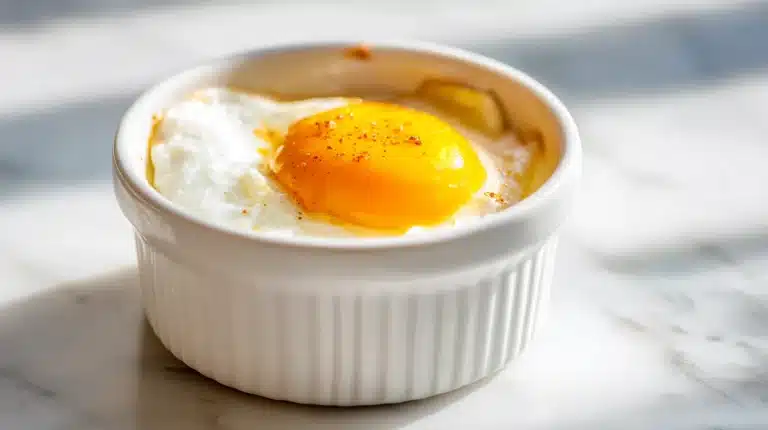
If you want the egg with a lacy, golden-brown underside and a barely-set yolk, this is the move for brunch. Use a touch more oil, crank the heat to medium-high after adding the egg, and let the bottom set and crisp for 2 full minutes without touching it. The white will puff and bubble slightly at the edges. The yolk stays orange and runny. Served over rice with thinly sliced scallions and a small pour of soy sauce, this version is a legitimate showstopper for something made in under ten minutes.
Make It a Full Protein Bowl
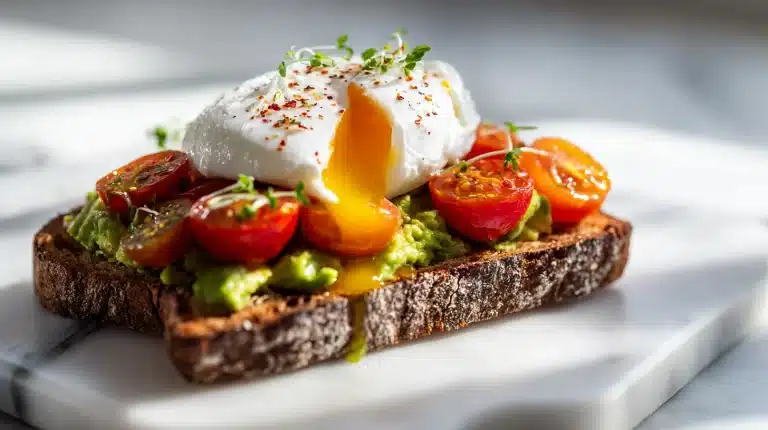
Add a handful of baby spinach to the pan with the kimchi and let it wilt before adding the eggs. Top the finished bowl with half a sliced avocado, a soft-boiled egg instead of fried, and a drizzle of gochujang thinned with a little water. You’ve now turned a two-ingredient minimalist recipe into a full, balanced meal without adding more than five minutes to the process.
Ingredient Swaps
- No kimchi on hand? You can make your own faster than you think. The easy homemade kimchi recipe has a quick version that is ready to use right away, before full fermentation, for a milder but still flavorful result.
- Swap the eggs for a fried tofu slice if you want a plant-based version with similar texture and protein content.
- Use chili crisp instead of plain oil for a slightly different heat profile that works beautifully with the fermented flavor of the kimchi.
The core principle stays the same no matter how you adapt it: caramelize the kimchi first, add your protein, season and serve. That three-step framework is the actual recipe. Everything else is detail.
Frequently Asked Questions
Does kimchi go well with eggs?
Yes, kimchi and eggs are one of the best quick pairings in Korean home cooking. The acidity and heat from the kimchi cut through the richness of the egg yolk, while the fat in the egg softens the sharpness of the ferment. They balance each other in a way that makes both ingredients taste more interesting than they would on their own.
Are eggs and kimchi healthy?
Kimchi eggs are a genuinely nutritious meal. Two eggs provide around 12 grams of protein plus essential vitamins and healthy fats. Kimchi contributes probiotics from the fermentation process, plus fiber and vitamins. Together, the combination is high in protein, low in carbohydrates, and supports gut health, making it a solid choice for breakfast or any quick meal.
How do you make kimchi eggs?
Heat a small skillet over medium heat, add a teaspoon of oil, and fry roughly chopped kimchi for 60 to 90 seconds until it starts to caramelize and smell slightly sweet and nutty. Push the kimchi to the side and crack two eggs into the pan. Cook until the whites set, about 2 to 3 minutes for sunny-side-up. Season, plate over rice, and serve immediately. Total time is about 7 minutes.
What is a hobo egg?
A hobo egg is a fried egg cooked inside a ring or hole cut into a slice of bread, so the egg and toast cook together in one pan. It’s also called an egg-in-a-basket or toad-in-a-hole. While it’s a different dish from kimchi eggs, the one-pan, fast-cook philosophy is similar, and it can be a fun vessel for a kimchi-topped version if you want a heartier breakfast.
Conclusion
Kimchi eggs prove that the best quick meals are not about shortcuts. They’re about choosing ingredients that do the heavy lifting for you. The caramelized kimchi base does all the seasoning, all the depth, and most of the flavor, while the egg provides richness, protein, and that satisfying runny yolk.
Give this a try tomorrow morning before you write it off as too simple to be worth it. Make it over rice if you can. You’ll understand within the first bite why this combination has stayed in Korean home kitchens for so long.
For more recipes like kimchi eggs, follow us on Facebook and Pinterest for easy Asian-inspired breakfast ideas.
More recipes in this series:
Craving more ways to use that jar? Browse all my recipes with kimchi in one place — there is a kimchi dish for every craving.