The internet is buzzing about a Japanese cheesecake hack that turns two simple pantry staples into a fluffy, decadent dessert. I first spotted it on a late-night scroll and immediately doubted it could rival a true baked souffle.
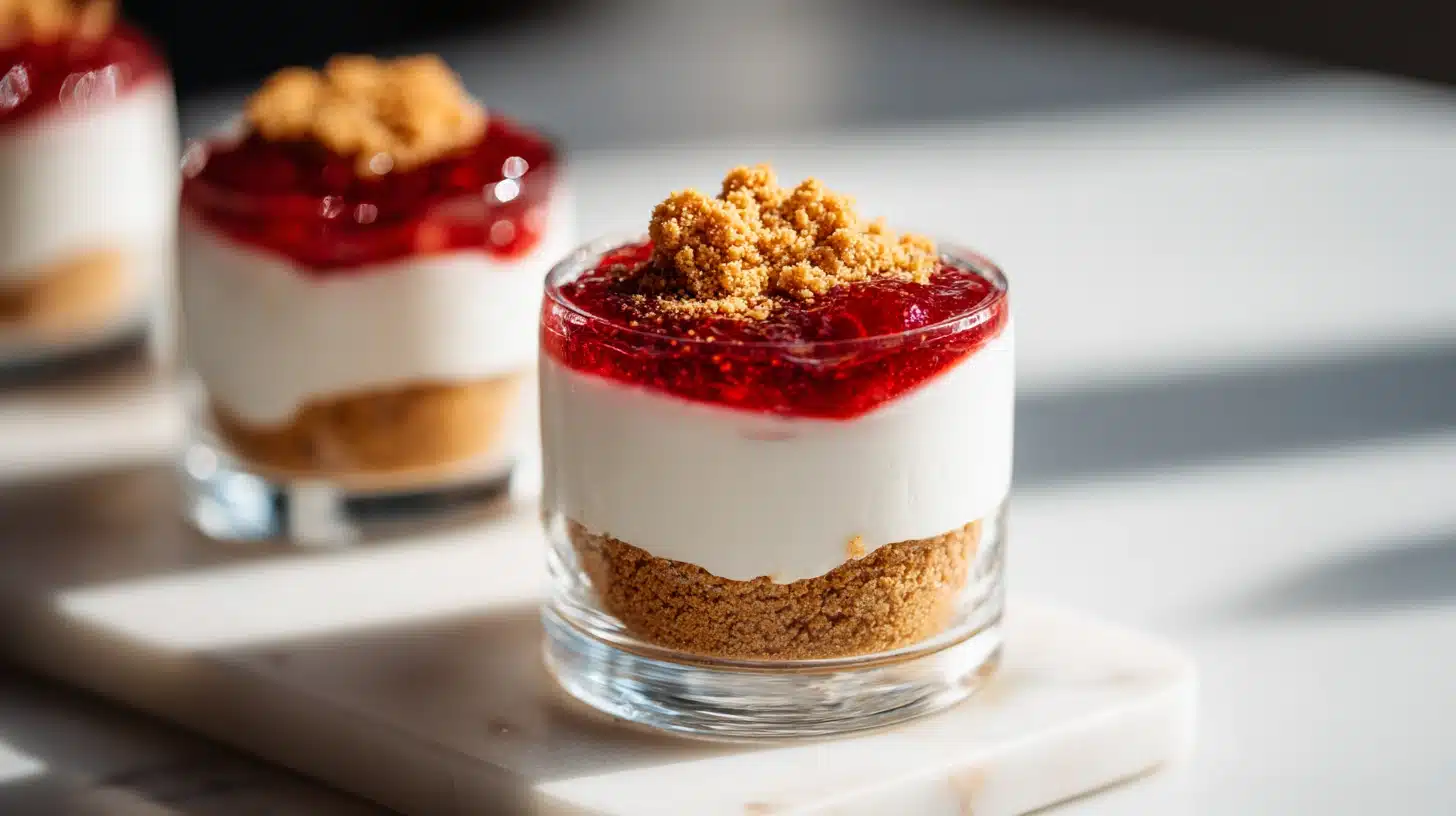
Traditional cotton cheesecakes demand a water bath, precise egg folding, and a tense hour watching the oven. This no-bake Japanese cheesecake skips the oven entirely, promising the same creamy tang without the risk of a sunken, gummy middle.
This guide walks through the science, the flavor variations, and the chilling times you need for a clean set.
Table of Contents
The origins of the viral Japanese cheesecake trend
The concept of a Japanese cheesecake hack sounds almost too simple to be real, especially when you consider the painstaking effort a traditional cotton cheesecake requires. A classic souffle cheesecake from Tokyo demands a meticulous meringue folded into a warm cream cheese base, baked gently in a water bath, and watched with the anxiety of a hawk. If your oven temperature fluctuates by even ten degrees, the cake collapses into a dense, chewy puck. The viral Japanese cheesecake trend flipped this entire process on its head by removing the oven from the equation entirely. Instead of baking air into the batter, this hack relies on the natural thickness of strained dairy to provide structure.
It starts with the base ingredient. Thick Greek yogurt or Icelandic skyr has an astonishingly similar tang and mouthfeel to cream cheese, but with a higher protein content and a fraction of the fat. When you crush Biscoff cookies and layer them with this thick yogurt, the cookies absorb moisture from the dairy overnight. The cookie layer softens into a graham-cracker-like crust, while the yogurt maintains a dense, sliceable consistency that mimics the baked cheesecake texture. It is a neat bit of food science happening right in your fridge.
This 2-ingredient Japanese cheesecake relies entirely on time rather than heat. The chilling process lets the proteins in the yogurt firm up and the spices from the cookies permeate the dairy. You get the warm notes of cinnamon, caramel, and ginger infusing into the cool, tart yogurt. It satisfies the craving for a Japanese yogurt cheesecake without requiring a single bowl of batter or a water bath wrapped in foil. If you love simple desserts that lean on pantry staples, you might also enjoy our 3 ingredient no bake cheesecake which uses a similar shortcut.
Understanding why this works helps you troubleshoot the texture. If the yogurt is too thin, the final result will be runny. If you do not chill it long enough, it will taste like yogurt with soggy cookies. The transformation happens in the cross-linking of the dairy proteins as they cool and the hydration of the cookie crumbs. This no-bake Japanese cheesecake trend proves that sometimes the best baking hacks come from understanding how ingredients interact when left to their own devices. It is an overnight transformation that genuinely surprised me the first time I tried it.
Print
The Viral 2-Ingredient Japanese Cheesecake Hack Taking Over Kitchens
- Total Time: 245 min
- Yield: 1 serving 1x
- Diet: Vegetarian
Description
This 2-ingredient Japanese cheesecake hack uses thick skyr and spiced Biscoff cookies to create a creamy, no-bake dessert. The cookies soften overnight into a crust-like layer, while the cold yogurt sets into a dense, tangy treat.
Ingredients
For the cheesecake:
1/2 cup thick skyr or full-fat Greek yogurt (plain, unsweetened)
4 Biscoff cookies (plus 1 extra for topping)
Optional toppings:
1 tablespoon raspberry jam
1 teaspoon dark chocolate shavings
A pinch of flaky sea salt
Instructions
1. Crush 4 Biscoff cookies into small pieces, leaving some texture rather than a fine dust.
2. Place the crushed cookies into the bottom of a small jar or ramekin and press them down slightly.
3. Spoon the thick skyr or Greek yogurt over the cookie layer, smoothing the top evenly.
4. Cover the container tightly with plastic wrap or a lid.
5. Chill in the refrigerator for at least 4 hours or overnight until the cookies soften and the yogurt sets.
6. Before serving, add a dollop of raspberry jam, dark chocolate shavings, and a pinch of flaky sea salt.
Notes
Store in the refrigerator for up to 3 days. Keep covered so the yogurt does not absorb odors.
For a thicker consistency, use skyr instead of Greek yogurt.
Add the raspberry jam right before serving to prevent the yogurt from becoming watery.
If you want a sweeter dessert, add a drizzle of honey to the yogurt before chilling.
- Prep Time: 5 min
- Rest Time: 240 min
- Cook Time: 0 min
- Category: Dessert
- Method: No-Cook
- Cuisine: Asian
Nutrition
- Serving Size: 1 jar
- Calories: 290 kcal
- Sugar: 22 g
- Sodium: 110 mg
- Fat: 9 g
- Saturated Fat: 4 g
- Unsaturated Fat: 5 g
- Trans Fat: 0 g
- Carbohydrates: 38 g
- Fiber: 2 g
- Protein: 18 g
- Cholesterol: 15 mg
Essential ingredients for your Biscoff yogurt cheesecake
The beauty of the Japanese cheesecake hack is its incredibly short ingredient list. You need just two mandatory items to create the base dessert, but the quality of those two items will make or break your final result. Here is exactly what you need.
First, the yogurt. You must use thick Greek yogurt or skyr. Do not reach for regular plain yogurt, as it contains too much whey and will result in a soupy mess. Skyr is an Icelandic dairy product that is naturally strained, resulting in an incredibly dense, protein-rich texture. It has a mild tang that mimics cream cheese pretty well. When you open a container of skyr, it should hold its shape and not slosh around. This density is what holds the cheesecake together. You want to use plain, unflavored skyr or Greek yogurt so you can control the sweetness level. A vanilla-flavored yogurt will make the final dessert cloyingly sweet and mask the spiced cookie flavor.
Second, the cookies. Lotus Biscoff cookies are the standard for this hack because they have a unique caramelized, spiced flavor and a specific texture that absorbs moisture without completely disintegrating. They soften into a pliable crust that holds together when you scoop it. If you want to experiment with other flavors, our biscoff cheesecake recipe offers additional tips on working with these cookies. The cookies provide the sweetness and the base layer, acting as both the crust and the flavoring agent.
Beyond the two main ingredients, you can add a few optional elements to customize your dessert. A high-quality raspberry jam adds a bright, tart contrast that cuts through the rich dairy. Dark chocolate shavings or a drizzle of melted dark chocolate adds a bitter note that balances the sweetness. Flaky sea salt sprinkled on top brings out the caramel notes of the Biscoff cookies. If you want to boost the protein content even further or adjust the sweetness, a scoop of unflavored or vanilla protein powder can be blended into the skyr. You can also use a touch of chia pudding to add texture and fiber.
Step-by-step guide to the 2-ingredient Japanese cheesecake
Creating this Japanese cheesecake hack is refreshingly straightforward. You will spend about five minutes actively working, and the refrigerator does the rest. The process involves preparing your vessel, layering the ingredients, and waiting for the transformation.
Layering the base and cream
Start by selecting a small container. A half-pint jar, a ramekin, or a small glass works perfectly. You want a vessel that holds roughly six to eight ounces. If you want to boost the protein and texture even more, you can blend a spoonful of chia pudding into your yogurt. Spread a layer of crushed Biscoff cookies at the bottom of your container. You want the cookies broken down into fine crumbs, not completely pulverized to dust, to maintain some texture. Press the crumbs down slightly so they form an even layer at the bottom.
Next, spoon your thick skyr or Greek yogurt over the cookie layer. Smooth the top with the back of a spoon so the yogurt reaches the edges of the container. The yogurt layer should be roughly twice as thick as the cookie layer. If you are adding a middle layer, you can drop a small dollop of raspberry jam into the center and gently swirl it through the yogurt with a toothpick.
The chilling transformation
Once your layers are assembled, cover the container tightly with plastic wrap or a lid. Place it in the refrigerator and let it chill undisturbed. You need to let it rest for at least four hours, but overnight is ideal. During this time, the moisture from the skyr migrates into the cookie crumbs and softens them into a cohesive, sliceable crust. The cold temperature also firms the dairy proteins, which gives the yogurt the dense, creamy texture of a baked cheesecake.
If you want to add toppings, wait until just before serving. Melted dark chocolate can be poured over the cold yogurt to create a shell, or you can shave chocolate over the top. A sprinkle of flaky sea salt and a few extra cookie crumbs add a contrasting crunch. The final dessert should hold its shape when you scoop it with a spoon, with a distinct, softened cookie layer and a firm, creamy dairy layer.
A few things to watch out for:
- If your yogurt is thin and watery, your cheesecake will turn into soup. Always use thick, strained skyr or Greek yogurt that holds its shape on a spoon.
- Do not skip the chilling time or you will end up with crunchy cookies floating in cold yogurt. Give it at least four hours so the cookies can absorb moisture and soften.
- Do not pulverize the cookies into fine dust or the crust becomes paste. Crush them until they are broken down but still have small chunks.
- Add toppings right before serving. Jam or chocolate added before chilling will weep and make the yogurt watery.
- Skip the sweetened yogurt. Pre-sweetened vanilla yogurt makes the dessert overly sugary and masks the spice of the cookies.
Common mistakes and how to avoid them
Even with a recipe as simple as this Japanese cheesecake hack, a few pitfalls can derail your dessert. Knowing what goes wrong and why helps you nail the texture every time. The most common issue is texture related, specifically a dessert that remains too loose or watery. This almost always traces back to the yogurt choice. Regular plain yogurt or even standard Greek yogurt that is not sufficiently strained contains too much liquid. When the excess whey interacts with the cookie crumbs, instead of softening them into a crust, it dissolves them into a murky, unappetizing soup. The fix is to seek out skyr or a Greek yogurt that is nearly solid in the container.
Another frequent mistake involves the chilling time. Patience is the real ingredient here. If you pull the container out after an hour, the cookies will still be hard and the yogurt will not have set. The cross-linking of the proteins and the hydration of the cookies require time. You must commit to the full four hours, though leaving it overnight yields the best results. The cookies need time to absorb the moisture and transform into a soft, cake-like layer that contrasts with the dense yogurt.
Sweetness imbalance is another problem. The Biscoff cookies bring a significant amount of sugar and spice to the dessert. If you decide to use a flavored or sweetened yogurt, the final product becomes cloying and loses the balance that makes the Japanese cheesecake trend so appealing. The tang of the plain yogurt is necessary to cut through the caramel sweetness of the cookies. If you want a sweeter dessert, add a small drizzle of honey to the yogurt before layering rather than starting with sweetened dairy.
Improper storage can also ruin the texture. If you leave the container uncovered in the refrigerator, the yogurt will dry out and develop a skin on top. It will also absorb odors from the fridge, which ruins the caramel aroma of the cheesecake. Always cover the container tightly with a lid or plastic wrap. If you want to add fresh fruit or a jam swirl, do it right before eating. Adding wet toppings in advance leads to a soggy, messy dessert that lacks the clean layers you want. For a different take on layered desserts, try our peach cobbler cheesecake bars which also rely on careful layering.
Customizing your Japanese yogurt cheesecake
Once you master the basic two-ingredient version, the Japanese cheesecake hack becomes a blank canvas. The neutral, tangy profile of the skyr works well with a wide range of flavors, so it is easy to customize based on what you have in your pantry.
One of the easiest ways to switch up the flavor is by swapping the cookie base. While Biscoff cookies are the viral standard, you can use gingersnaps for a spicier, warmer dessert. Graham crackers work if you want a more traditional cheesecake crust flavor, though you may need to add a touch of honey to the yogurt since graham crackers are less sweet than Biscoff. If you love the combination of fruit and cheesecake, you can add a bright layer of raspberry jam. The tartness of the raspberries cuts through the rich dairy for a refreshing bite. A thin layer of jam swirled into the yogurt before chilling turns this into a fruity, fresh treat. You can check out our rhubarb cheesecake bars for more fruit and dairy pairing ideas.
Chocolate lovers can easily adapt this hack. A handful of dark chocolate chunks folded into the yogurt adds texture, or you can create a thin chocolate shell on top by melting dark chocolate and pouring it over the cold cheesecake right before serving. The cold yogurt will immediately set the chocolate into a snap-able shell. A sprinkle of flaky sea salt over the chocolate brings out the caramel notes of the cookies and the bitterness of the chocolate. If you want a warm, earthy flavor, try incorporating a spoonful of hojicha powder into the yogurt. The roasted tea flavor goes well with the sweet cookies, similar to our hojicha cheesecake bars.
You can also play with the protein aspect of this dessert. Since skyr is naturally high in protein, this dessert already makes a great post-workout snack. To boost it further, blend a scoop of vanilla protein powder into the yogurt before layering. This also thickens the yogurt even more, which gives you an even denser, more satisfying texture. If you want to keep things light, you can use a lighter Greek yogurt and add a spoonful of chia seeds to the mix, letting them hydrate overnight. The chia seeds add a slight crunch and a boost of fiber, so this simple dessert becomes more filling and nutrient-dense.
Why this no-bake hack beats traditional methods
The traditional Japanese cheesecake is a serious baking project. It requires a precise balance of eggs, sugar, cream cheese, and cornstarch, all folded together with a delicate meringue. The cake bakes in a water bath at a low temperature, and you must watch it carefully to ensure it rises without cracking. It is a rewarding bake, but it is undeniably time-consuming and stressful. The Japanese cheesecake hack bypasses all of that stress and still gives you a surprisingly similar eating experience.
The primary advantage of this hack is the guaranteed success rate. There is no oven to monitor, no water bath to spill into your cake, and no meringue to deflate. The worst-case scenario is a dessert that needs another hour in the fridge. This reliability makes it perfect for beginner bakers or anyone who wants an impressive dessert without the stress. The texture of the chilled skyr, while not exactly the same as a baked souffle, provides that same satisfying, melt-in-your-mouth creaminess. It is a dense, rich texture that feels indulgent but is actually quite light.
Another major benefit is the nutritional profile. Traditional cheesecakes are heavy in fat and sugar. This hack uses thick yogurt or skyr, which is naturally high in protein and lower in fat. The sweetness comes entirely from the cookie layer, so you can control the overall sugar content easily. If you want a dessert that satisfies a sweet tooth without causing a sugar crash, this is a solid choice. It works equally well as a dessert or a high-protein breakfast. Our pumpkin cheesecake protein pudding is another great option for protein-focused desserts.
The simplicity of cleanup is hard to beat, too. You need one small container, a spoon, and a bowl to crush the cookies. There are no mixing bowls, no springform pans, and no electric mixers to wash. This ease of preparation, combined with the long chilling time, makes it a perfect make-ahead dessert. You can assemble it before bed and wake up to a ready-to-eat, creamy breakfast or dessert. The Japanese cheesecake hack proves that you do not need complex techniques to create a dessert that tastes this good. It is a practical, delicious shortcut that I keep coming back to.
Frequently asked questions
Does this actually taste like cheesecake?
Yes, it genuinely does. The thick skyr or Greek yogurt provides a tangy, creamy base that mimics the flavor of cream cheese. When the Biscoff cookies soften overnight, they create a sweet, spiced crust that ties the whole dessert together. It will not have the exact same baked flavor, but the mouthfeel is remarkably similar.
What kind of yogurt works best for this recipe?
You need thick, strained yogurt. Icelandic skyr is the best option because it is naturally dense and high in protein. A high-quality Greek yogurt also works, but make sure it is very thick and not runny. Regular plain yogurt contains too much liquid and will not set properly.
Can I use something other than Biscoff cookies?
Yes, you can substitute other cookies. Gingersnaps add a warm, spicy kick, and graham crackers offer a classic, simple crust. You could also try chocolate wafers or even shortbread. Keep in mind that sweeter cookies may require you to add less additional sugar to the yogurt layer.
Is the raspberry jam required?
No, the raspberry jam is completely optional. The recipe works perfectly with just yogurt and cookies. However, a small dollop of jam adds a bright, tart contrast that cuts through the rich dairy. You can also use strawberry jam or a thin layer of chia pudding for a similar fruity effect.
How long does this dessert last in the refrigerator?
The Japanese cheesecake hack will last for up to three days in the refrigerator when stored tightly covered. The cookie layer will continue to soften over time, so the texture is best on the first or second day. If you add fresh fruit toppings, add them right before serving.
Can I make this dessert ahead of time?
Yes, this is the perfect make-ahead dessert. In fact, it requires at least four hours of chilling time so the cookies can soften. You can easily prepare it the night before and let it chill overnight. This makes it a great option for easy entertaining or meal prep.
Conclusion
The Japanese cheesecake hack proves that you do not need a water bath or a hot oven to enjoy a creamy, satisfying dessert. By leaning on the natural thickness of skyr and the spiced sweetness of Biscoff cookies, you get all the pleasure of a cheesecake with a fraction of the effort. It is a simple, overnight transformation that turns two pantry staples into a genuinely good treat.
Make it, then come back and tell me how yours turned out. Did you stick to the classic Biscoff layer or did you try a fun jam swirl?
For more recipes like this Japanese cheesecake hack, follow us on Facebook and Pinterest for more dessert ideas.
More recipes in this series: