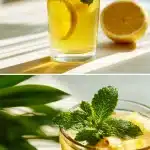
My first encounter with pineapple tea happened in a sweltering kitchen in Oaxaca, where nothing went to waste and fruit peels were treated like gold.

Most homemade fruit teas end up tasting like sad, sweetened water with a faint fruity whisper. This whole-fruit brewing method pulls out deep caramel notes and bright tropical oils for a genuinely rich, spiced drink.
You’ll walk away with a proper cleaning method for the skins, the exact simmer time for maximum flavor, and the best sweeteners to balance the natural tartness.
Table of Contents
Why This Pineapple Tea Recipe Works
When you cut a pineapple, you usually toss the spiky skin and the tough, fibrous core right into the compost bin. That is a massive waste of flavor and nutrition. The skin holds concentrated tropical aromatics and essential oils. When you simmer it slowly, those oils release into the water, creating a base that tastes surprisingly complex. The core, often too tough to eat raw, softens during a simmer and leaks pure sweetness into the pot.
Brewing your own pineapple tea means you capture every ounce of the fruit’s value. Most store-bought pineapple drinks rely on artificial flavors and processed sugars. They taste flat and one-dimensional. When you brew it yourself, you control every ingredient. You can adjust the spice level, choose your sweetener, and actually enjoy what you’re drinking.
Pineapple contains an enzyme called bromelain. This compound is known for its anti-inflammatory properties and its ability to aid digestion. While much of the bromelain sits in the flesh, the skin and core hold a meaningful amount. Drinking this tea after a heavy meal can help soothe your stomach. It makes a fantastic alternative to a digestive ginger smoothie when you want something warm rather than cold.
Using the skins turns a simple beverage into a sustainable practice. I find it genuinely rewarding. You take what is normally considered garbage and turn it into a fragrant, healthful brew. The scent of simmering pineapple skins, spicy ginger, and warm cinnamon filling your kitchen is reason enough to try this method. You will never look at a pineapple crown the same way again.
Print
The Ultimate Pineapple Tea Recipe: Zero-Waste Brewing
- Total Time: 40 min
- Yield: 6 cups 1x
- Diet: Vegan
Description
A zero-waste, anti-inflammatory tea brewed from pineapple skins and core, fresh ginger, turmeric, and cinnamon. This homemade beverage extracts deep tropical flavors and beneficial enzymes from fruit scraps.
Ingredients
For the tea base:
Peels and core of 1 whole pineapple (scrubbed and clean)
10 cups filtered water
1-inch piece fresh ginger (sliced thinly)
1-inch piece fresh turmeric (sliced thinly)
1 whole cinnamon stick
For finishing:
1 whole lemon (sliced into rounds)
2 tablespoons honey or maple syrup (adjust to taste)
Instructions
1. Place the clean pineapple peels, core, sliced ginger, turmeric, and cinnamon stick into a large stainless steel pot.
2. Pour the filtered water over the ingredients and place the pot on the stove over medium-high heat.
3. Bring the water to a gentle boil, then immediately reduce the heat to low to maintain a lazy simmer.
4. Simmer the mixture uncovered for 30 minutes until the liquid turns a deep golden color and the kitchen smells fragrant.
5. Turn off the heat and remove the large solid pieces with a slotted spoon, discarding the skins and spices.
6. Add the fresh lemon slices to the hot liquid and let them steep for 5 minutes off the heat to release bright citrus oils.
7. Strain the entire batch through a fine mesh sieve into a heat-proof pitcher.
8. Stir in the honey or maple syrup while the liquid is still hot until fully dissolved.
9. Serve the tea hot in mugs or chill it in the refrigerator before pouring over ice.
Notes
Store the cooled tea in a sealed glass pitcher in the refrigerator for up to 5 days.
Reheat gently on the stove or in the microwave for a warming cup.
You can substitute ground turmeric and ginger if fresh is unavailable, but use just a quarter teaspoon of each.
For a spicier kick, add a pinch of black pepper to activate the turmeric.
- Prep Time: 10 min
- Cook Time: 30 min
- Category: Drink
- Method: Stovetop
- Cuisine: American
Nutrition
- Serving Size: 1 cup
- Calories: 45 kcal
- Sugar: 9 g
- Sodium: 25 mg
- Fat: 0 g
- Saturated Fat: 0 g
- Unsaturated Fat: 0 g
- Trans Fat: 0 g
- Carbohydrates: 12 g
- Fiber: 1 g
- Protein: 0 g
- Cholesterol: 0 mg
Gathering and Prepping Your Ingredients
A great pineapple tea recipe starts at the grocery store. You need a ripe, healthy pineapple. Look for one with green leaves and a firm shell that gives just slightly when you press it. Smell the base. It should have a distinct, sweet tropical aroma. If it smells fermented or has deep, soft bruises, pass on it. You want the fruit at its peak ripeness so the skins and core contain maximum sugar and flavor.
Before you even think about cutting the fruit, you must wash the exterior thoroughly. Pineapples grow close to the ground and travel long distances. They pick up dust, field debris, and handling residue. A quick rinse under tap water is not enough. Fill your sink with cold water and add a splash of white vinegar. Let the whole pineapple soak for five to ten minutes. Grab a clean vegetable brush and scrub the rough, spiky skin firmly. The vinegar soak helps lift microscopic grime so your tea stays clean. Dry the fruit completely before slicing.
You will also need fresh aromatics to build depth. Fresh ginger adds a bright, pungent heat that cuts through the intense sweetness. Fresh turmeric provides an earthy, bitter undertone and a beautiful golden color. You only need small pieces of each. A whole cinnamon stick adds woody warmth, while a fresh lemon brightens the whole pot. Slice the ginger and turmeric thinly so their flavors extract quickly. Do not peel the ginger or turmeric. As long as you scrub them well, their skins add extra nuance. Slice the lemon into rounds. Now your lineup is ready for the pot.
The Brewing Method: Step by Step
Now comes the actual transformation. Place a large stainless steel pot on your stove. Drop in your scrubbed pineapple skins, the tough core, sliced ginger, turmeric, and the cinnamon stick. Pour in ten cups of cold, filtered water. Filtered water matters here because it lets the fruit flavors shine without competing mineral tastes.
Turn the burner to medium-high heat and bring the pot to a gentle boil. Once you see bubbles breaking the surface, immediately reduce the heat to low. You want a soft, lazy simmer. Vigorous boiling destroys delicate aromatics and makes the tea taste flat. Let the pot simmer uncovered for exactly thirty minutes. During this time, the water takes on a deep amber color. The tough core softens, releasing natural sugars, while the skins turn pale and dull. Your kitchen will smell like a tropical spice market.
While the tea simmers, prep your sweeteners and citrus. This pineapple tea recipe relies on finishing touches. Once the thirty minutes are up, turn off the heat. Remove the large solids with a slotted spoon and discard them. The skins have given everything they have. Now add your freshly sliced lemon rounds to the hot liquid. Let them steep for five minutes off the heat. This preserves the bright, acidic lemon oils.
Finally, strain the entire batch through a fine mesh sieve into a heat-proof pitcher. Stir in your preferred sweetener while the liquid is still hot. Honey dissolves beautifully and adds floral notes. Maple syrup gives a rich, earthy sweetness. Taste the tea and adjust the sweetness to your liking. Serve it hot in your favorite mug, or chill it in the refrigerator for a refreshing iced beverage.
Common Mistakes to Avoid
- Boiling the skins too aggressively. A harsh, rolling boil destroys the delicate floral aromatics and leaves you with a flat, dull liquid. Keep the water at a gentle, lazy simmer instead.
- Skipping the scrubbing step. Pineapple skins are rough and trap dirt, field debris, and handling residue. Always use a vegetable brush and a brief vinegar soak to clean the surface thoroughly.
- Tossing the core into the compost. The core holds pure sweetness and helps balance the astringency of the skins. Always slice the core up and include it in the simmer pot.
- Letting the lemon boil with the skins. Boiling lemon slices makes the juice bitter and destroys the bright, acidic oils. Add the lemon rounds only after you turn off the heat.
- Using metallic tasting water. Tap water with heavy chlorine or mineral tastes masks the subtle tropical flavors. Always use filtered water for the cleanest brew.
Flavor Variations and Pairings
Once you master the basic pineapple tea recipe, you can start playing with flavor variations. The base of pineapple, ginger, and turmeric is incredibly versatile. If you want a spicier drink, add a pinch of black pepper to the pot. Black pepper activates the curcumin in the turmeric, boosting its anti-inflammatory benefits. It also adds a warm, sharp bite. For a deeper, more autumnal flavor profile, add whole cloves or star anise. These spices make the tea feel richer.
If you prefer a more floral beverage, consider adding a few dried rosehips or chamomile flowers during the final steeping phase. This pairs beautifully with honey. You can even blend this tea with other herbal infusions. Half pineapple tea and half hibiscus tea recipe creates a stunning ruby-red drink with a tart, summery punch. The hibiscus cuts the intense sweetness of the pineapple perfectly.
For a warming winter drink, follow the spiced lead of a cinnamon tea recipe and double your cinnamon. You can also add a slice of orange peel. If you want a refreshing summer cooler, brew the tea as directed, sweeten it lightly, and chill it overnight. Pour the cold tea over ice and top it with sparkling water. This makes a bubbly, low-sugar alternative to soda. It rivals a cold glass of peach iced tea on a hot afternoon.
Pair this beverage with light meals. It works exceptionally well alongside a breakfast of toast and eggs. The bromelain helps digest proteins. It is also a fantastic afternoon pick-me-up that will not give you a caffeine crash. The natural sugars provide steady energy.
Health Benefits of Pineapple Peel Tea
The most compelling reason to make a pineapple peel tea recipe is the health benefit. You are essentially brewing a potent anti-inflammatory tonic. Bromelain, the star enzyme found abundantly in the peel and core, has been studied extensively for its ability to reduce joint pain and muscle soreness. Drinking this tea after a tough workout can help your muscles recover faster. It breaks down proteins that cause inflammation in the body.
This tea is also a powerhouse for digestive health. The enzymes help your stomach process heavy meals more efficiently. If you ever feel sluggish after eating meat or beans, a warm cup of this tea will settle your stomach quickly. The ginger and turmeric only amplify this effect. They are traditional remedies for nausea and gastrointestinal distress. Combining them with pineapple creates a synergistic digestive aid. It acts much like a papaya digestive smoothie but in a warming liquid form.
Pineapple skin is also rich in vitamin C and manganese. These antioxidants protect your cells from damage and support a healthy immune system. Drinking a cup daily during cold season can help ward off sniffles. The warm liquid soothes a scratchy throat. The honey adds antimicrobial properties, while the lemon provides an extra dose of vitamin C.
Finally, this tea supports hydration and skin health. The combination of vitamins, minerals, and hydration helps your skin stay clear and glowing. Because it is naturally low in calories when you go easy on the sweetener, it is a guilt-free way to satisfy cravings for flavored drinks. You get all the taste and nutrition without any artificial additives.
Frequently Asked Questions
What does pineapple tea do to your body?
Pineapple tea provides a concentrated dose of bromelain, an enzyme that reduces inflammation and aids digestion. It helps soothe sore muscles, supports joint health, and assists your stomach in breaking down proteins. The added ginger and turmeric further calm your digestive tract and boost your immune system.
Does boiling pineapple skin destroy bromelain?
Boiling at a rolling boil can degrade some heat-sensitive enzymes. However, a gentle thirty-minute simmer extracts the maximum flavor and preserves a significant amount of the bromelain. Keeping the water at a lazy simmer ensures you still get the beneficial enzymes without making the tea taste flat or bitter.
Is it good to boil pineapple skin and drink it?
Yes, boiling clean pineapple skin is an excellent way to extract nutrients and flavor that would otherwise go to waste. The skins contain high levels of bromelain, vitamin C, and tropical aromatics. Drinking the strained liquid provides anti-inflammatory benefits and makes a delicious, low-waste beverage.
How do you clean pineapple skin for tea?
Start by soaking the whole pineapple in a sink filled with cold water and a splash of white vinegar. Let it sit for ten minutes. Use a clean vegetable brush to scrub the rough, spiky surface firmly. Rinse the fruit under running water and dry it completely before slicing.
Conclusion
This pineapple tea recipe turns what you normally throw away into a fragrant, healthful brew. By taking the time to scrub the skins and simmer them gently with warming spices, you extract deep flavors and beneficial enzymes that store-bought drinks simply cannot match. Trust the simmering process and enjoy the tropical aroma filling your kitchen.
Pour a hot mug to soothe your stomach after dinner, or chill the batch for a refreshing afternoon refresher. For more recipes like pineapple tea, follow us on Facebook and Pinterest for cozy casserole inspiration.
More recipes in this series: