
Here’s a stat that sounds like a typo but isn’t: Whirlpool, the appliance company, paid $11.5 million in a civil settlement after its electric cooktops kept turning on by themselves, with 157 separate reports of stoves “going rogue” before anyone officially filed a complaint. That’s a different kind of whirlpool disaster than the one we’re talking about today, but honestly, it feels fitting. Because if you’ve ever stood over a pot of swirling water trying to nail the classic stovetop egg whirlpool, you already know the frustration of something that’s supposed to be simple going completely off the rails.
I’ve stood at that stove more times than I’d like to admit, spoon in hand, watching a perfectly good egg turn into wispy white ribbons instead of a neat little poached pillow. If that’s you too, this one’s for you.
Key Takeaways
| Question | Quick Answer |
|---|---|
| Why does the stovetop egg whirlpool fail so often? | The swirl relies on perfect timing and perfect water speed, and both are nearly impossible to control by hand every single time. |
| What’s the ideal poaching time? | Around 2 minutes for a fresh egg, with a margin of error as tight as 30 seconds before the yolk turns jammy instead of runny. |
| Does egg freshness actually matter? | Yes. Eggs older than about a week lose the structural integrity that keeps the white together in a whirlpool, causing them to disintegrate into a mess. |
| What’s an easier alternative? | An egg poacher, the microwave, or an air fryer, all covered below with real timing. |
| Can you poach eggs in the microwave? | Yes, and it’s honestly become one of my go-to breakfast tricks on chaotic mornings. |
| Is the air fryer poached egg method worth trying? | Yes, it skips the stovetop entirely and gives you a more consistent result than swirling water ever could. |
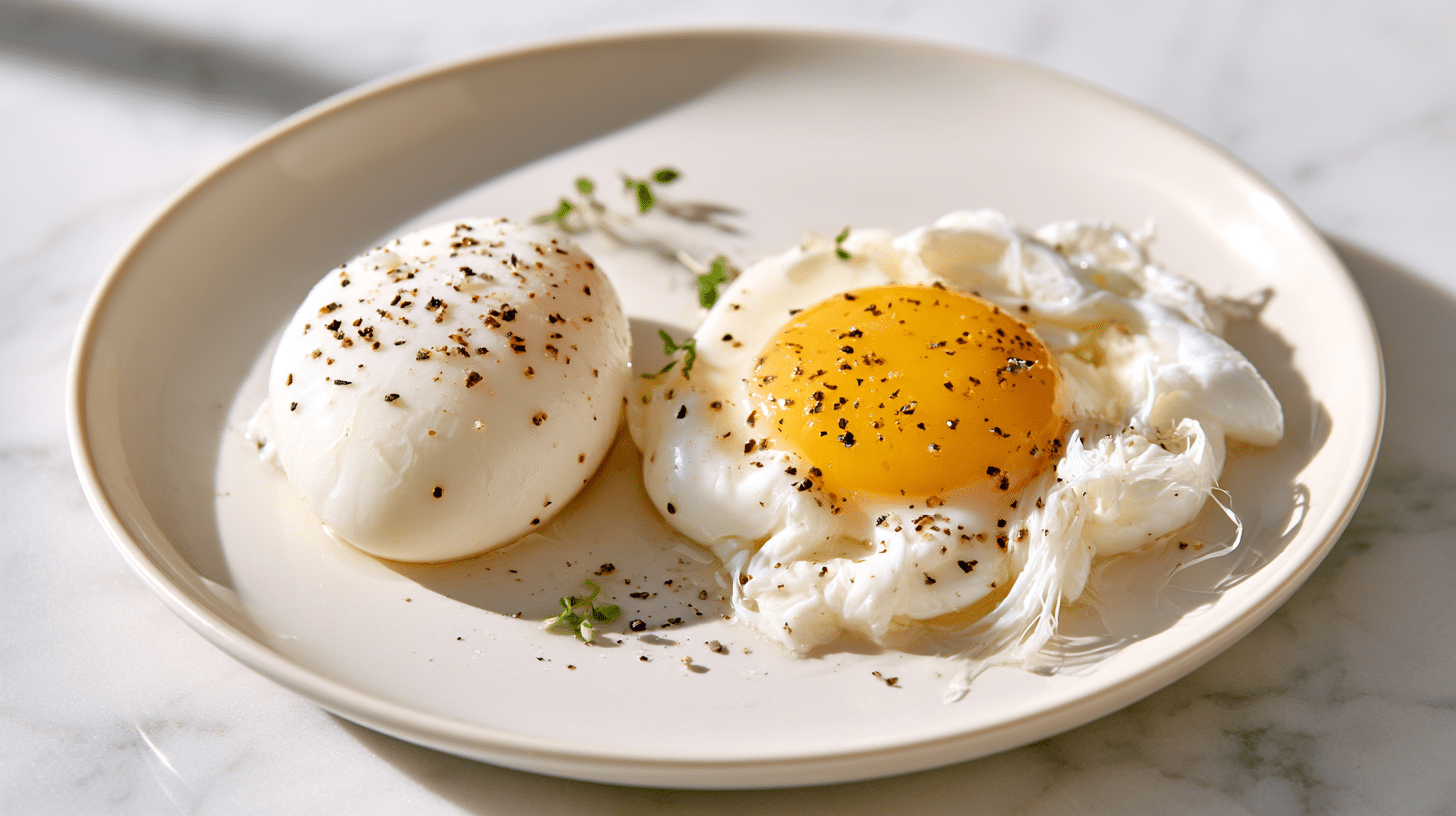
Table of Contents
The Stovetop Egg Whirlpool Method: Why It’s Actually Failing You From the Start
The classic trick goes like this: bring water to a gentle simmer, add a splash of vinegar, spin the water into a whirlpool with a spoon, then slide a cracked egg into the center.
The theory is that the spinning water wraps the loose white around the yolk, giving you that neat, restaurant-style teardrop shape instead of a sloppy, sliding mess.
It sounds too simple to fail. I believed that too, for a long time.
But here’s the thing nobody tells you when they film that satisfying 15-second video of a perfect swirl: they’ve probably cracked six eggs to get that one good take.
The 30-Second Window Nobody Warns You About
Poaching an egg is not a forgiving process. According to British Egg Week, the difference between a silky runny yolk and an overcooked, jammy center comes down to a window of about 30 seconds.
Thirty seconds. That’s shorter than it takes most of us to find a spoon in a messy kitchen drawer.
Now think about the whirlpool method for a second. You’re not just timing the egg. You’re also managing simmer temperature, swirl speed, and the moment of drop, all while standing over hot water with a spoon in one hand and an egg in the other.
That’s three variables competing against a 30-second clock. It’s basically rigged against you before you even crack the shell.

Why Your Stovetop Egg Whirlpool is Actually Failing You Every Single Time
I want to be really honest here. It’s not that you’re bad at this.
The stovetop egg whirlpool is failing you because it was never designed for consistency. It’s a technique built for a camera angle, not for a Tuesday morning when you’re also trying to butter toast and find your keys.
Every time you swirl that water, the speed is a little different. The simmer is a little hotter or a little cooler than last time.
The egg goes in from a slightly different height. Multiply all of that by a 30-second cooking window and you get wildly inconsistent results, even when you follow the “rules” exactly.
This is why I stopped treating the whirlpool as “the move.” It’s a party trick, not a reliable breakfast method, and there’s a real difference between the two.
Skip the Swirl: Poaching an Egg in a Poacher Instead
If you want good poached eggs without the drama, an actual egg poacher removes almost all of the guesswork.
Poached eggs in an egg poacher work because the little cups hold the white and yolk together for you. No swirling water, no hoping the white doesn’t scatter into wispy strands across the pot.
You still simmer water in a pan, but the poacher sits above it, gently steaming the egg into shape while you do literally anything else for a few minutes.
Here’s roughly how the timing breaks down when using a poacher versus the traditional whirlpool:
| Method | Approx. Time | Consistency |
|---|---|---|
| Stovetop whirlpool | 2 to 4 minutes (highly variable) | Low, depends on swirl speed and simmer |
| Egg poacher in simmering water | 3 to 4 minutes | High, shape is contained |
| Microwave | 45 to 60 seconds | Medium to high, once you find your microwave’s sweet spot |
| Air fryer | 4 to 6 minutes | High, hands-off and repeatable |
This is why I keep a small poacher insert in my kitchen drawer. It’s the least glamorous tool I own and also one of the most used.
How to Poach an Egg in the Microwave (My Backup When the Stovetop Goes Rogue)
On mornings when I genuinely do not have the patience for a pot of simmering water, poaching an egg in the microwave is the trick I reach for.
Crack an egg into a microwave-safe mug or bowl, cover it with about half an inch of water, and pierce the yolk lightly with a toothpick so it doesn’t explode. Microwave in 30-second bursts, checking after each one, until the white is set and the yolk is however jammy or runny you like it.
Most microwaves get you there in 45 to 60 seconds total, though every microwave has its own personality. Mine runs hot, so I start checking at the 30-second mark instead of waiting the full minute.
This is genuinely one of the easiest ways to get a poached egg in the microwave without any special equipment, and it works just as well for soft cooked eggs in the microwave if you’re after something closer to a soft-boiled texture instead.
I’ll be honest, my first few attempts at egg in the microwave were a small kitchen disaster, complete with a yolk explosion I’m still finding remnants of behind the microwave turntable. The toothpick trick fixed that overnight.
Air Fryer Poached Eggs: The No-Stovetop Method I Actually Trust Now
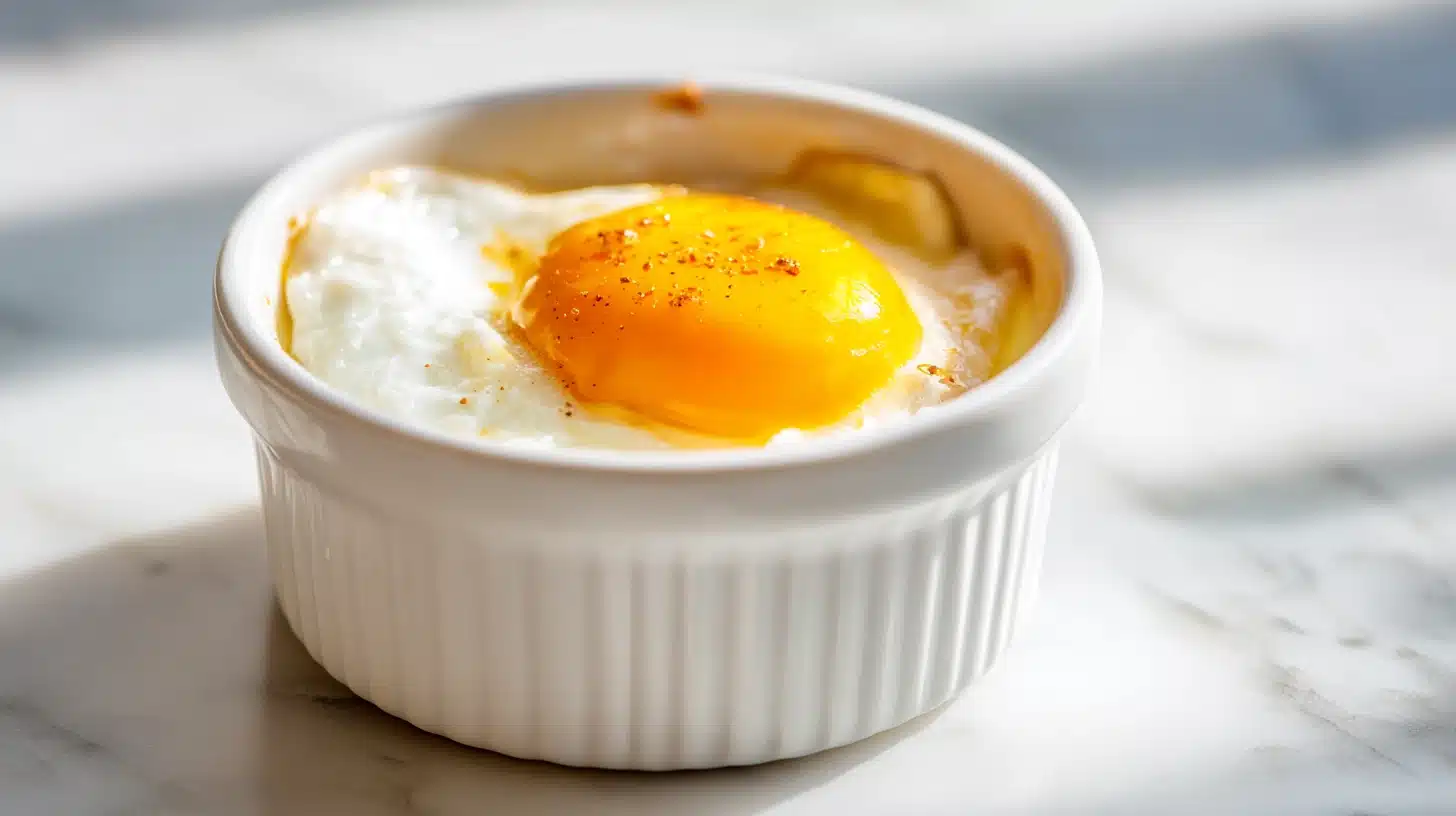
Air fryer poached eggs sound a little odd the first time you hear about them. No stovetop, no swirling water, no vinegar.
You crack the egg into a small heatproof ramekin, add a splash of water, and set it in the air fryer basket for around 4 to 6 minutes depending on how set you like the yolk. That’s genuinely it.
Because the air fryer holds a steady temperature the whole time, you don’t get the swirl-speed and simmer-heat variables that sabotage the stovetop version. It’s the closest thing to a “set it and walk away” poached egg I’ve found.
I’ve started serving these on salads for lunch too, since the texture holds up better than a rushed stovetop egg that’s already started to fall apart by the time it hits the plate.
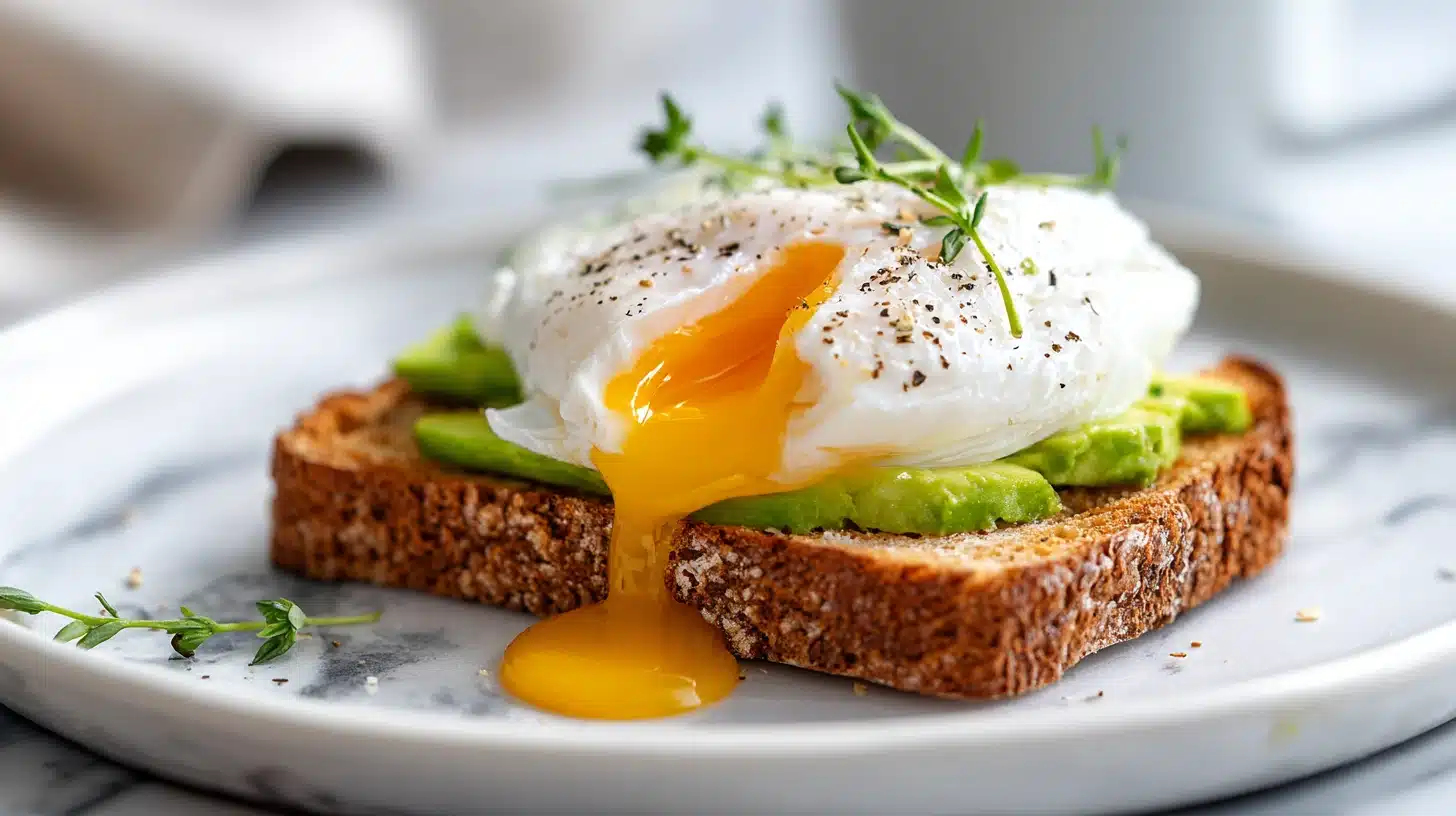
It’s Not Just You: Why Your Stovetop Egg Whirlpool is Actually Failing You If the Eggs Aren’t Fresh
Here’s the part almost nobody mentions when they teach the whirlpool trick. It’s not just technique. It’s the egg itself.
Fresh eggs have a tight, thick white that holds its shape in hot water. Older eggs have a thin, watery white that spreads out the second it hits the pot, no matter how good your swirl is.
According to RecipeTin Eats, an egg that’s over a week old lacks the structural integrity to hold together in a whirlpool at all, disintegrating into feathery strands instead of a neat shape. A truly fresh egg, laid that day, can poach perfectly in about 2 minutes with barely any technique required.
That’s a wild gap. It means the “failure” you’re blaming on your swirl might actually be sitting in your fridge, several days past its prime.
This egg-freshness problem has gotten more real for a lot of home cooks lately too. With ongoing avian flu disruptions still rippling through the U.S. flock, some consumers paid as much as $8 a dozen for eggs in early 2025, which makes a failed poaching attempt sting a little more than it used to.
So before you blame your swirl technique one more time, check the carton date. It might be the actual culprit.
Perfect Poached Eggs, Every Time: My Actual Method Now
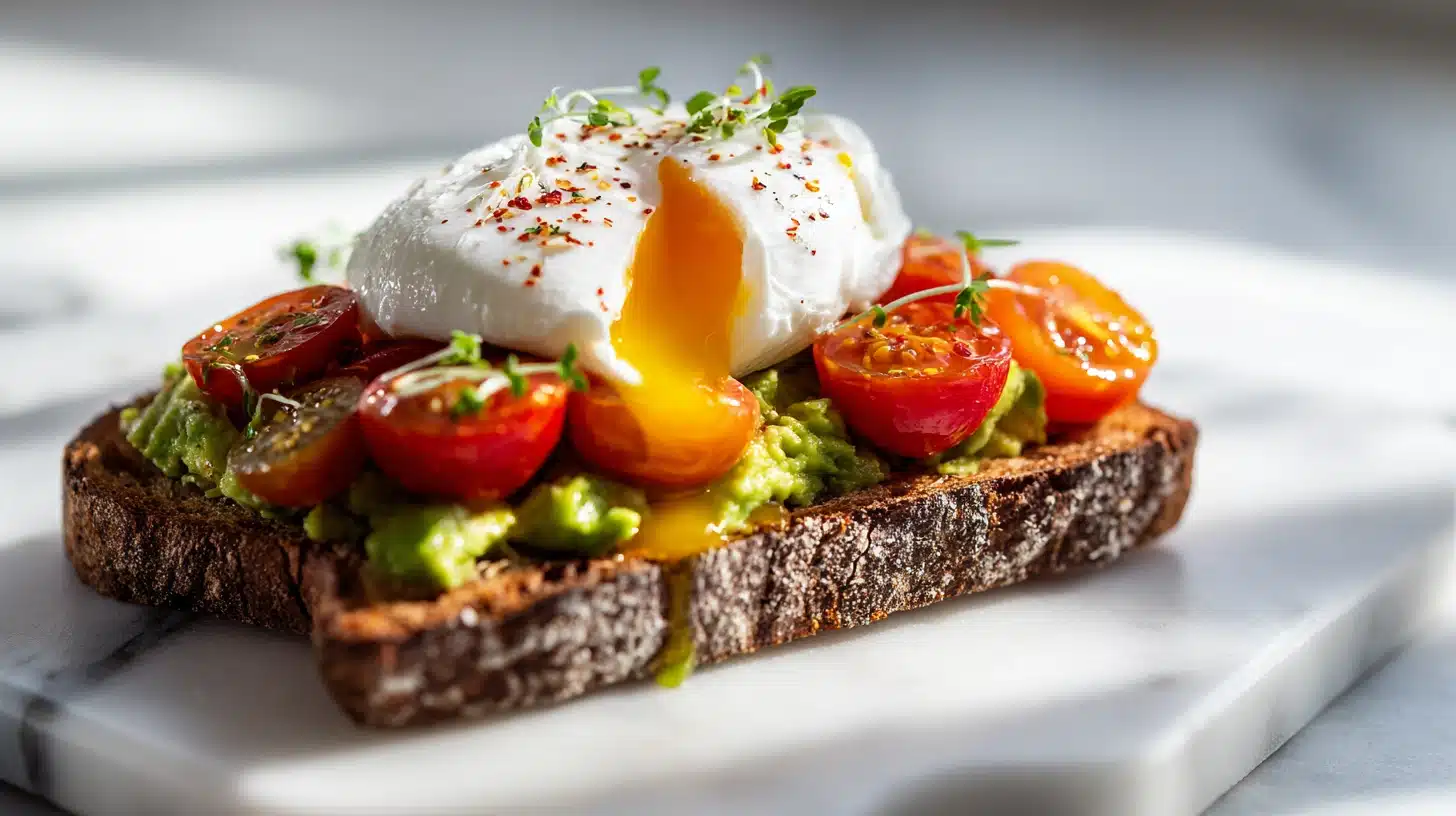
These days, my ritual for a simple poached egg looks nothing like the whirlpool videos.
I use the freshest eggs I can get, I set a real timer instead of guessing, and I lean on either a poacher or the microwave depending on how much patience I have that morning.
- Use the freshest eggs available, ideally within a few days of the carton date.
- Set an actual timer for poached eggs instead of eyeballing it. Thirty seconds matters more than you’d think.
- Try a poacher insert for near-guaranteed shape without any swirling.
- Reach for the microwave or air fryer on rushed mornings when the stovetop feels like too much effort.
- Serve it warm, over toast, over greens, or straight out of the poacher with a little salt and pepper.
It’s that simple, and it’s a lot more forgiving than the whirlpool ever was. If you want more easy morning ideas beyond eggs, our recipe roundups collection has a whole batch of quick rituals worth trying.
Conclusion
The stovetop egg whirlpool isn’t a scam, exactly. It’s just asking a lot from a tiny window of time and a swirl of hot water, and that’s why your stovetop egg whirlpool is actually failing you more often than it’s working.
Swap in a poacher, the microwave, or the air fryer, use fresher eggs, and set an actual timer. Give it a try for a few weeks, and breakfast will stop feeling like a gamble.
If you’re curious how I ended up obsessing over these small kitchen fixes instead of chasing viral cooking tricks, you can read a bit more about that shift on our about page, or browse the full recipe index for more real-life kitchen fixes.
Frequently Asked Questions
Why does my stovetop egg whirlpool keep falling apart?
Your stovetop egg whirlpool is actually failing you most often because of timing and egg freshness, not your swirling technique. Older eggs have thin, watery whites that scatter in hot water no matter how well you spin it.
What’s the ideal time for poaching eggs?
A fresh egg poaches in about 2 minutes, with roughly a 30-second window before the yolk goes from runny to jammy. Using a timer for poached eggs instead of guessing makes a bigger difference than most people expect.
Is a poached egg in the microwave actually good?
Yes, a poached egg in the microwave can turn out just as good as a stovetop version, often in under a minute. Cover the egg with water, pierce the yolk, and microwave in 30-second bursts until it’s set the way you like.
Are air fryer poached eggs worth trying?
Yes, air fryer poached eggs are worth trying because the steady heat removes the guesswork that makes the stovetop whirlpool so unpredictable. It’s a hands-off method that produces consistent results without any swirling water at all.
Do I need a special egg poacher to poach eggs in a poacher?
You don’t need anything fancy, just a simple poacher insert that sits over simmering water. Poached eggs in an egg poacher hold their shape reliably because the cup contains the white while it sets, unlike the open-water whirlpool method.
Can old eggs really ruin a poached egg?
Yes, eggs older than about a week lose the structural integrity needed to hold together during poaching. This is one of the biggest hidden reasons a stovetop whirlpool fails even when your technique is solid.
What’s the easiest way to make a simple poached egg at home?
For an easy poached egg with the least effort, skip the whirlpool and use either the microwave or an egg poacher instead. Both methods take the guesswork out of timing and give you a consistent, good poached egg with far less stress than swirling hot water on the stovetop.

