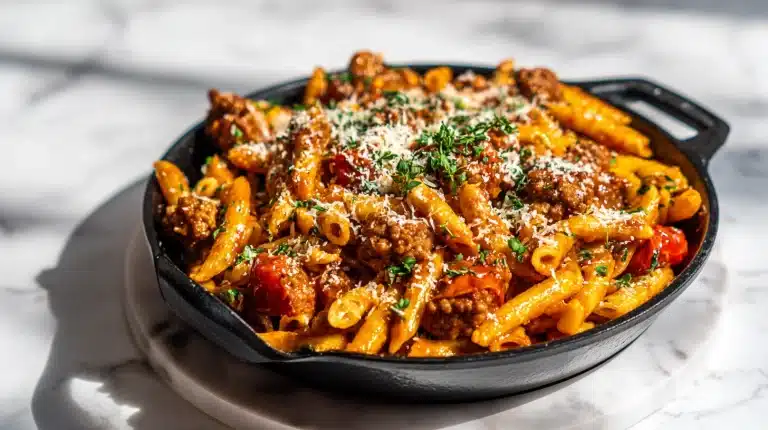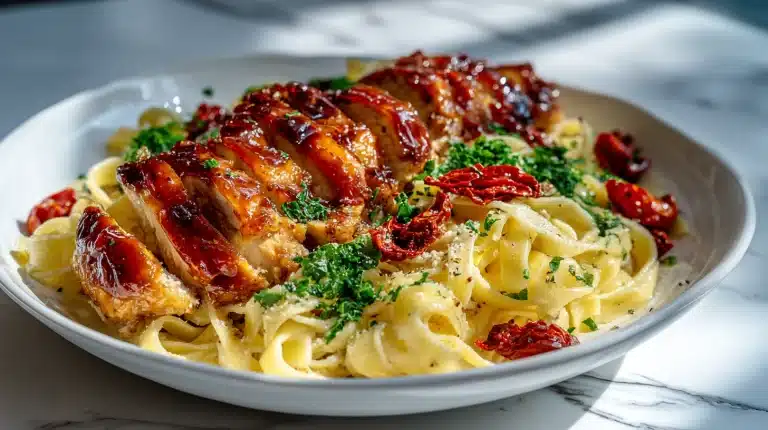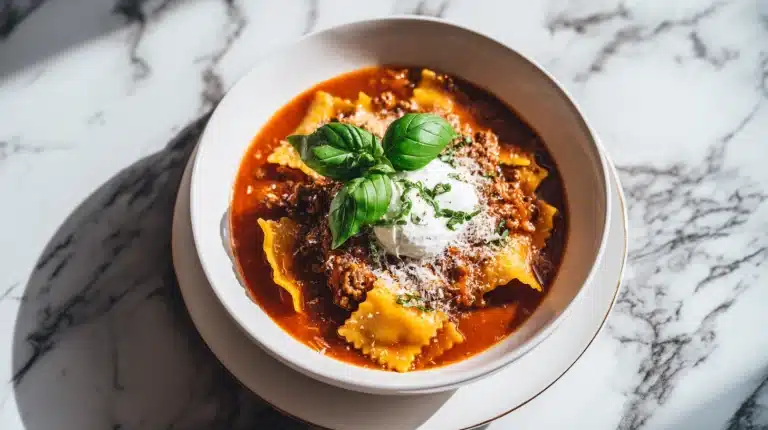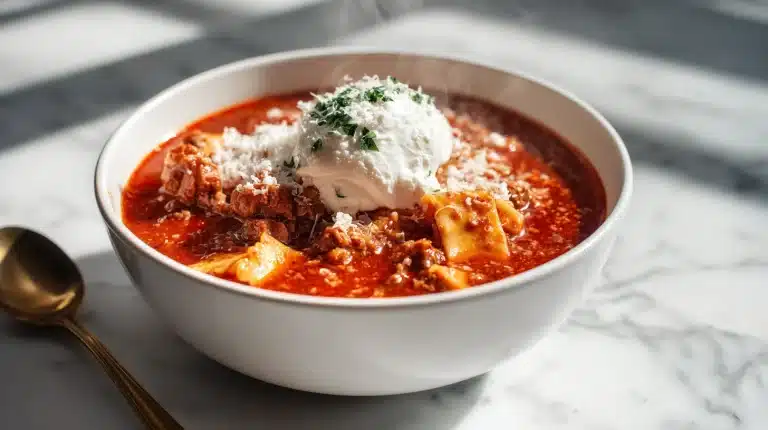
The first time I attempted Creamy Cajun Steak Pasta, I ended up with chewy, gray strips of beef floating in a curdled, broken sauce that tasted nothing like the restaurant version I was trying to replicate. The frustration of spending good money on sirloin only to have it turn tough and dry is enough to make anyone swear off pasta recipes. This method guarantees a tender, medium-rare sear and a smooth, spicy cream sauce that clings to every noodle.
By the end, you’ll know the exact pan temperature for a crusty sear, the visual cue for a perfectly emulsified cream sauce, and why starchy pasta water is the secret weapon that ties the whole dish together.
Table of Contents
The Secret to the Perfect Creamy Cajun Steak Pasta
The foundation of any great Creamy Cajun Steak Pasta comes down to understanding the relationship between your meat and your heat. Most home cooks sabotage their steak pasta before the sauce even hits the pan. They crowd the skillet, drop the meat into a pan that is not hot enough, and then wonder why they have a pool of gray, boiled beef rather than a beautifully seared protein. The result is a chewy, stringy texture that no amount of creamy sauce can hide. To build a steak dinner worth getting excited about, you need a crusty, caramelized exterior and a pink, juicy interior.
To achieve this, you must start with the right cut. Sirloin is my go-to choice for Creamy Cajun Steak Pasta because it offers a great balance of beefy flavor and tenderness without requiring a second mortgage. Ribeye works beautifully if you want something richer, and steak tips are fantastic if you prefer a more bite-sized, rustic presentation. Whichever cut you choose, slice the meat against the grain into strips roughly half an inch thick. Slicing against the grain shortens the muscle fibers. Even if you accidentally cook the steak a touch past medium, it will still be tender when you bite into it.
Once your steak is sliced, pat the strips completely dry with paper towels. Moisture is the enemy of the Maillard reaction, which is the chemical process responsible for that savory, browned crust. If the meat is wet, it will steam instead of sear. Toss the dry strips with a tablespoon of Cajun seasoning until every piece is coated. Let the seasoned meat sit at room temperature for ten minutes. This resting period does two things: it lets the salt in the seasoning penetrate the meat, and it raises the internal temperature so the beef cooks more evenly in the pan.
When it is time to cook, heat a large cast-iron or heavy-bottomed stainless steel skillet over medium-high heat until it is smoking slightly. Add a splash of neutral oil with a high smoke point, like canola or grapeseed. Lay the steak strips in a single layer, leaving space between each piece. If you are cooking for four people, you will likely need to sear the meat in two batches. Cook for exactly two minutes on the first side, flip, and cook for one more minute. You want a dark, rich crust and a pink center. Transfer the steak to a plate immediately. If you are looking for more beef inspiration, check out our ribeye steak sandwich recipe for another way to handle a perfect sear.
Print
How to Make Creamy Cajun Steak Pasta Without Ruining the Steak
- Total Time: 50 min
- Yield: 4 servings 1x
Description
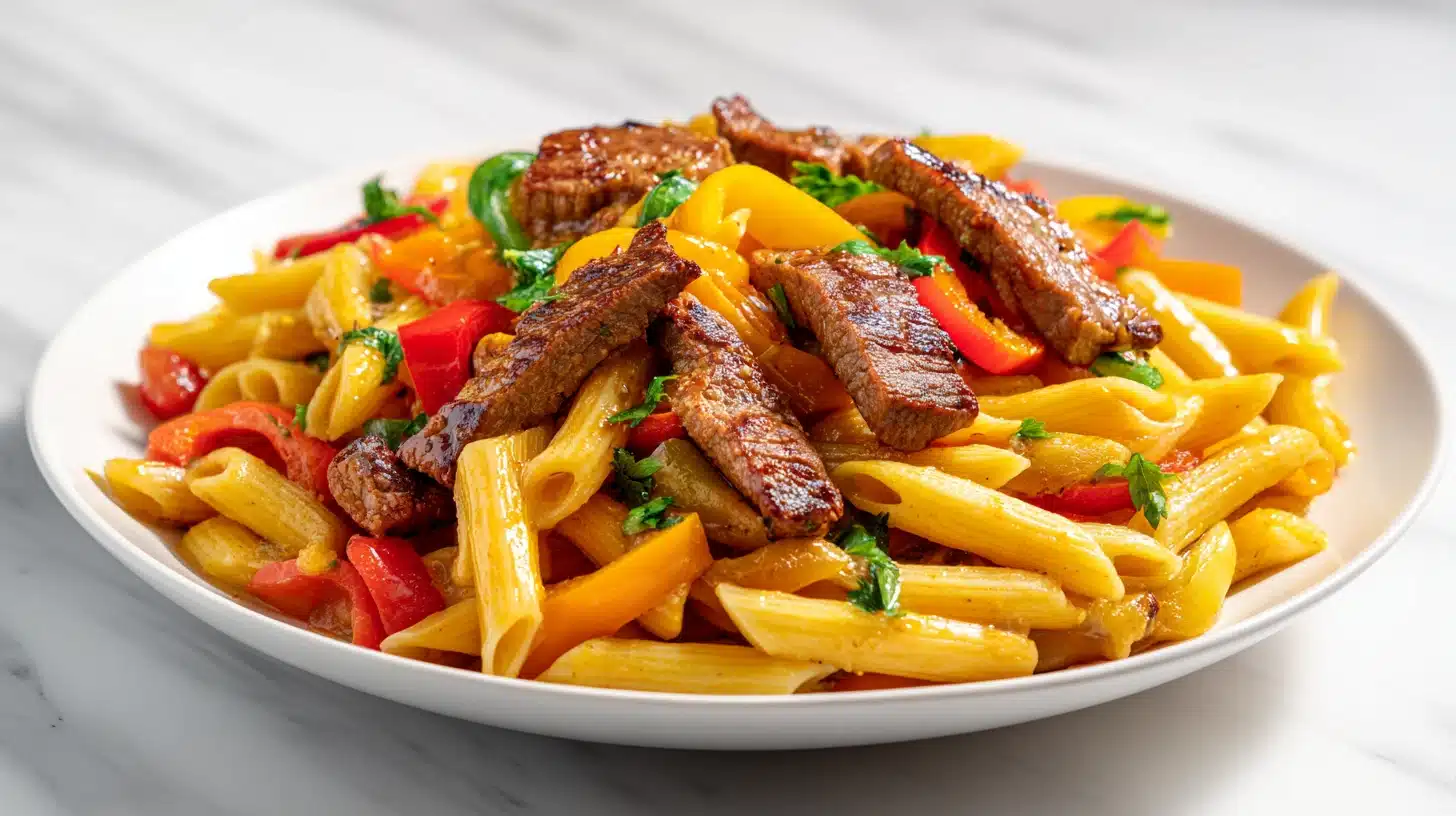
Creamy Cajun Steak Pasta features strips of crusty, medium-rare sirloin tossed with penne noodles in a rich, spicy cream sauce built with shallots, bell peppers, and Parmesan cheese.
Ingredients
For the steak and pasta:
1 lb sirloin steak (sliced against the grain into half-inch strips)
1 tbsp Cajun seasoning
1 tbsp neutral oil (canola or grapeseed)
12 oz penne pasta (or rigatone)
1 tbsp kosher salt (for the pasta water)
For the Cajun cream sauce:
1 tbsp butter
1/2 cup shallots (finely diced)
1/2 cup green bell pepper (diced)
3 cloves garlic (minced)
1 tsp Cajun seasoning (additional)
1/2 cup chicken broth
1 cup heavy cream
1/2 cup Parmesan cheese (freshly grated)
1/2 tsp lemon zest (freshly zested)
1 tbsp fresh parsley (chopped for garnish)
Instructions
1. Pat the steak strips dry with paper towels and toss them with one tablespoon of Cajun seasoning until evenly coated. Let the meat sit at room temperature for ten minutes.
2. Bring a large pot of water to a boil and salt it generously. Cook the penne to al dente according to the package directions, then scoop out one cup of starchy pasta water before draining.
3. Heat a large cast-iron skillet over medium-high heat until it smokes slightly. Add the neutral oil, sear the steak strips in a single layer for two minutes per side, then transfer the meat to a plate.
4. Lower the heat to medium and add the butter to the same skillet. Saute the diced shallots and green bell pepper for four minutes until soft, then add the minced garlic and cook for one minute until fragrant.
5. Sprinkle the additional teaspoon of Cajun seasoning over the vegetables, pour in the chicken broth, and scrape the browned fond off the bottom of the pan. Let the broth reduce by half.
6. Pour in the heavy cream and let it simmer gently for two minutes. Remove the pan from the heat and slowly whisk in the freshly grated Parmesan cheese until the sauce is smooth.
7. Return the pan to medium-low heat and add the drained pasta. Toss continuously, adding the reserved starchy pasta water one quarter cup at a time, until the sauce is glossy and coats the noodles.
8. Fold in the rested steak strips and any pooled juices, sprinkle with the lemon zest, and toss one final time. Garnish with fresh parsley and serve immediately.
Notes
Store leftovers in an airtight container in the refrigerator for up to three days. Reheat gently in a skillet over low heat with a splash of milk to loosen the sauce.
For a less spicy version, omit the additional teaspoon of Cajun seasoning in the sauce and use a mild paprika-based blend for the steak.
Do not substitute pre-shredded Parmesan cheese, as it contains anti-caking agents that prevent it from melting smoothly into the cream sauce.
Slice the steak against the grain to ensure the meat remains tender and easy to chew.
- Prep Time: 10 min
- Rest Time: 10 min
- Cook Time: 30 min
- Category: Main Course
- Method: Stovetop
- Cuisine: American
Nutrition
- Serving Size: 1.5 cups
- Calories: 680 kcal
- Sugar: 4 g
- Sodium: 950 mg
- Fat: 38 g
- Saturated Fat: 21 g
- Unsaturated Fat: 15 g
- Trans Fat: 0 g
- Carbohydrates: 45 g
- Fiber: 2 g
- Protein: 34 g
- Cholesterol: 135 mg
Choosing the Right Pasta and Getting the Texture Right
While the steak might be the star of the show, the pasta is what holds the entire dish together. For Creamy Cajun Steak Pasta, you want a shape that can trap and hold the heavy, spiced cream sauce. Rigatoni and penne are my top recommendations. Their tubular shapes act as tiny vessels, catching the sauce inside and delivering a burst of creamy, Cajun-spiced flavor with every bite. If you prefer a longer noodle, tagliatelle or fettuccine work beautifully because their flat, wide surfaces give the sauce plenty to cling to. Avoid thin, delicate pastas like angel hair, as they will become lost and clumpy under the weight of the rich ingredients.
The biggest mistake people make when boiling pasta is treating it as an afterthought. You must salt your boiling water generously. It should taste distinctly salty, like the sea. Because the Cajun seasoning and Parmesan cheese are both quite salty, you want the pasta itself to be properly seasoned so the final dish does not rely entirely on the sauce for flavor. Cook your chosen pasta to al dente, which means it still has a slight bite to it. The pasta will continue to absorb moisture and soften slightly when you toss it in the hot cream sauce later.
The most critical element of the pasta cooking process is saving the starchy pasta water. Before you drain your noodles, scoop out at least one cup of the cloudy, starchy liquid. You will need this for your Creamy Cajun Steak Pasta. The starches in the water act as a binder, helping the heavy cream and melted Parmesan cheese emulsify into a glossy, cohesive sauce rather than a thin, watery soup or a clumpy mess. Without it, your sauce will slide right off the noodles and pool at the bottom of the bowl.
When you drain the pasta, do not rinse it. Rinsing washes away the surface starch that helps the sauce adhere. Shake off the excess water and set the noodles aside. The goal is to add the warm, freshly drained pasta directly into the skillet with your finished Cajun cream sauce, tossing everything together so the noodles drink up the flavors. If you are a fan of creamy, saucy noodle dishes, our creamy cajun garlic pasta uses the exact same pasta water technique to achieve a flawless texture.
Building the Cajun Cream Sauce from Scratch
Now we arrive at the heart of the dish: the Cajun cream sauce. This is where most recipes either succeed brilliantly or fail miserably. A great sauce for Creamy Cajun Steak Pasta should be rich, smooth, and deeply flavored with the holy trinity of Cajun cooking, combined with aromatics and dairy. You want a sauce that coats the back of a spoon and delivers a gentle heat that builds without overpowering the beef.
Start by using the same skillet you used to sear the steak. Do not wash it. Those browned bits stuck to the bottom of the pan are called fond, and they are concentrated packets of flavor. Place the pan over medium heat and add a tablespoon of butter. Once the butter melts and foams, add half a cup of finely diced shallots and half a cup of diced green bell pepper. Cook these down for about four minutes until they are soft and translucent. You will smell a sweet, savory aroma as the vegetables release their moisture and lift the fond off the pan. Add three cloves of minced garlic and cook for one more minute until fragrant.
Next, sprinkle an additional teaspoon of Cajun seasoning over the softened vegetables. Blooming the spices in the butter for thirty seconds before adding liquid intensifies their flavor. Pour in half a cup of chicken broth to deglaze the pan, scraping the bottom with a wooden spoon to incorporate every last bit of flavor. Let the broth reduce by half. This step prevents your sauce from tasting like dishwater and gives it a robust backbone.
Reduce the heat to medium-low and pour in one cup of heavy cream. Whisk gently to combine the cream with the broth and vegetables. Let the cream simmer softly for two minutes until it slightly thickens. Remove the pan from the direct heat and slowly whisk in half a cup of freshly grated Parmesan cheese. Adding the cheese off the heat prevents the proteins in the dairy from seizing and breaking, which results in a grainy sauce. The sauce should now be a pale, creamy orange with flecks of green pepper and shallot. If you love this style of sauce, you will want to try our creamy garlic parmesan pasta for a milder variation.
Putting It All Together: Assembly and Timing
The true test of a great Creamy Cajun Steak Pasta is how the components come together in the final moments. Timing is everything. If your sauce finishes too early, it will thicken and turn into paste. If your pasta sits too long, it will turn into a gummy block. The goal is to have your pasta drained, your sauce simmering, and your steak resting all at the same time, so you can unite them while everything is hot and fluid.
Bring your Cajun cream sauce back to a gentle simmer over medium-low heat. Add your drained, al dente pasta directly into the skillet. Using tongs, toss the pasta vigorously in the sauce for about thirty seconds. You will notice the sauce thickening slightly as it clings to the hot noodles. Now, grab your reserved starchy pasta water. Pour in about a quarter cup at a time, tossing continuously. You are looking for a specific visual cue: the sauce should ripple and flow smoothly, coating the noodles without pooling in deep puddles at the bottom of the pan. The starch in the water emulsifies the butter and cream, creating a glossy finish.
Once the sauce reaches that perfect consistency, fold in your rested steak strips and any juices that have pooled on the plate. Those juices are pure beef essence and will enrich the sauce further. Add a half teaspoon of fresh lemon zest and toss one final time. The lemon zest provides a bright, acidic counterpoint that cuts through the heavy dairy and makes the Cajun spices pop. Tossing the steak at the very end keeps the meat warm through without overcooking. You want those strips to remain medium-rare and tender. If you enjoy this technique of finishing meat in a creamy pan sauce, our creamy garlic parmesan chicken breast follows a similar, effective logic.
Here is a quick troubleshooting guide for the most common issues you might encounter when making this dish:
| Problem | Cause | Fix |
|---|---|---|
| Steak is tough and chewy | Pan was not hot enough, or meat was crowded | Sear in smaller batches at medium-high heat and slice against the grain |
| Cream sauce broke or looks grainy | Parmesan was added over high heat | Remove pan from heat before whisking in cheese and stir constantly |
| Sauce is too thick and clumpy | Not enough liquid when tossing with pasta | Add starchy pasta water one tablespoon at a time until it loosens |
| Sauce is watery and will not cling | Pasta water was not starchy enough or broth was not reduced | Simmer sauce longer before adding pasta or add a cornstarch slurry |
| Pasta is gummy and stuck together | Pasta was rinsed after draining or sat too long | Never rinse pasta and add it directly from the pot to the sauce |
Variations and Dietary Adjustments
One of the best things about a well-constructed recipe is its ability to adapt. Creamy Cajun Steak Pasta is highly customizable, so you can cater to different spice tolerances and dietary needs without losing what makes the dish work. If you are cooking for someone who is sensitive to heat, you can easily dial back the fire. Commercial Cajun seasoning blends vary wildly in their spice levels. Look for a mild Cajun blend, or make your own by combining paprika, garlic powder, onion powder, dried oregano, and a tiny pinch of cayenne. You can also add a tablespoon of tomato paste to the sauce; the acidity and sweetness of the tomato help mellow the perception of heat on the palate.
If you want to add more vegetables to balance the richness, sliced andouille sausage or mushrooms make excellent additions. Sear the mushrooms or sausage in the pan right after you remove the steak, before you start the vegetables for the sauce. If you are a fan of surf and turf, adding a handful of peeled shrimp at the end is a fantastic way to turn this into a seafood feast. For a slightly different take on this combination, our cajun surf and turf pasta offers a great roadmap for combining beef and seafood under a creamy blanket. Similarly, our steak in creamy cajun shrimp sauce shows you how to build a deeply flavored seafood base.
For those looking to reduce the fat content, substituting heavy cream with half and half is an option, though you must be careful. Half and half has a higher water content and less fat, making it more prone to curdling when exposed to heat and acid. To stabilize it, whisk a teaspoon of cornstarch into the half and half before pouring it into the pan. Never use plain milk, as it will not provide the rich mouthfeel or the emulsification needed for a proper sauce. If you need a gluten-free version, simply swap the regular pasta for your favorite gluten-free brand and check that your Cajun seasoning blend does not contain wheat fillers. For another robust, creamy pasta option that uses a different protein, check out our creamy cajun sausage rigatoni.
Frequently Asked Questions
What steak is best for steak pasta?
Sirloin is the best overall choice because it is tender, flavorful, and affordable. Ribeye is excellent if you prefer a richer, fattier bite, while steak tips are ideal for a more casual presentation. Always slice your chosen cut against the grain to ensure the meat remains tender and easy to chew in the final dish.
Can I make Cajun steak pasta less spicy?
Yes, you can absolutely reduce the heat. Use a mild Cajun seasoning blend or make your own with paprika, garlic powder, and onion powder while omitting the cayenne. Adding a tablespoon of tomato paste to the cream sauce also introduces sweetness and acidity, which effectively masks the heat without dulling the flavor.
Why is my cream sauce too thick?
Your cream sauce is likely too thick because you reduced it too much or the pasta absorbed all the liquid. To fix this, add your reserved starchy pasta water one tablespoon at a time, tossing the pasta over low heat until the sauce reaches your desired consistency. Keep the pan off high heat to prevent scorching.
Can I use milk instead of heavy cream?
You can substitute milk, but it requires extra care to prevent curdling. Milk lacks the fat needed for a rich, stable sauce. If you use milk, add a teaspoon of cornstarch to stabilize it and simmer it very gently over low heat. Heavy cream yields a much smoother, richer texture.
Can I make this dish ahead of time?
While you can prep the vegetables and slice the steak in advance, this dish is best served immediately. The sauce will thicken and the steak will overcook if you try to reheat it together. If you have leftovers, store them separately and reheat the sauce gently with a splash of milk.
Conclusion
Mastering Creamy Cajun Steak Pasta is about respecting the heat and understanding the emulsion. By searing your meat hot and fast, building a sauce on a foundation of fond, and using starchy pasta water to bind it all together, you eliminate the frustration of tough meat and broken sauces.
For more recipes like Creamy Cajun Steak Pasta, follow us on Facebook and Pinterest for weeknight dinner ideas.
More recipes in this series: