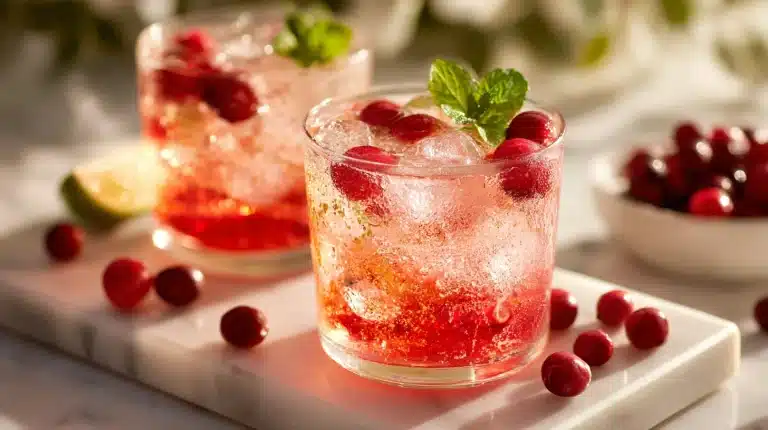
My first sip of a Hugo spritz happened on a sunlit terrace in Northern Italy, where the air smelled of wildflowers and sweet lime. I watched a bartender gently bruise fresh mint leaves. The fragrance that came off those leaves made this cocktail my new summer obsession on the spot.
Too many home bartenders end up with a cloying, syrupy glass that overpowers the delicate prosecco. This recipe solves that by balancing elderflower sweetness with bright lime and effervescent club soda for a crisp finish.
Coming up: the exact 3-2-1 pouring ratio I learned in Italy, the science of bruising mint correctly, and the only glassware you need for perfect temperature control.
Table of Contents
The origins of the Hugo spritz
The Hugo spritz feels like a centuries-old Italian tradition, but it is actually a modern invention. Created in 2005 by bartender Roland Gruber in the South Tyrol region of Italy, this cocktail was designed as a lighter, more floral alternative to the intensely bitter Aperol spritz. Gruber wanted something that captured the alpine freshness of the region, replacing the bright orange of Aperol with the pale, fragrant notes of elderflower. The result was an immediate sensation that spread across Italian piazzas and eventually the world.
Unlike its bitter cousin, the Italian Hugo spritz relies on the sweet, floral profile of elderflower liqueur. St-Germain is the most widely available brand globally, but in Italy, you will often find local variations like S. Oliver or Santero. These liqueurs are made by macerating elderflowers in alcohol. The result is a syrupy, fragrant base that pairs beautifully with sparkling wine. The flavor is distinctly different from the earthy rhubarb notes of an Aperol. It is softer, slightly sweeter, and dangerously drinkable.
When developing this Hugo spritz recipe, I spent weeks testing different elderflower liqueurs. The St-Germain Hugo spritz offers a clean, lychee-like finish that works perfectly with the dryness of prosecco. If you want to understand why this cocktail took Italy by storm, consider the setting. Imagine sitting in a shaded piazza, the sound of a marble fountain nearby, and a chilled wine glass sweating in your hand. The scent of crushed mint floats up before you drink. It is an experience built on refreshment.
The beauty of the Hugo cocktail lies in its accessibility. You do not need expensive spirits or specialized equipment. The magic comes entirely from the combination of bubbles, botanical sweetness, and citrus. It pairs effortlessly with easy summer meals 25 bold fast recipes ready in 35 minutes or less, so it works as the ultimate weeknight porch sipper. Roland Gruber inadvertently created a new classic by looking to the local flora of his homeland.
Print
The Hugo Spritz Recipe: Italy’s Floral Answer to the Aperol
- Total Time: 4 min
- Yield: 1 cocktail 1x
- Diet: Vegetarian
Description
A refreshing Italian aperitivo made with dry prosecco, elderflower liqueur, club soda, fresh mint, and lime. Built directly in a wine glass over ice for a crisp, floral cocktail.
Ingredients
3 oz Brut or Extra Dry prosecco, chilled
2 oz elderflower liqueur (such as St-Germain), room temperature
1 oz club soda, chilled
6 fresh mint leaves, plus a sprig for garnish
1 fresh lime wedge
Large clear ice cubes
Instructions
1. Add the fresh mint leaves and lime wedge to the bottom of a large wine glass.
2. Gently press the mint and lime with a muddler to release the essential oils and lime juice without shredding the leaves.
3. Fill the wine glass completely with large clear ice cubes.
4. Pour the chilled prosecco over the ice.
5. Add the elderflower liqueur.
6. Top with the chilled club soda.
7. Gently stir the mixture once with a bar spoon to combine the ingredients.
8. Garnish with a fresh sprig of mint and serve immediately.
Notes
Store the elderflower liqueur in a cool, dark place. Keep the prosecco and club soda refrigerated until ready to pour.
Substitute lemon for lime if you prefer a sharper, brighter acidity.
Always pack the glass full of ice to prevent rapid dilution and keep the spritz cold.
- Prep Time: 4 min
- Cook Time: 0 min
- Category: Drink
- Method: No-Cook
- Cuisine: Italian
Nutrition
- Serving Size: 1 cocktail
- Calories: 185 kcal
- Sugar: 18 g
- Sodium: 10 mg
- Fat: 0 g
- Saturated Fat: 0 g
- Unsaturated Fat: 0 g
- Trans Fat: 0 g
- Carbohydrates: 20 g
- Fiber: 0 g
- Protein: 0 g
- Cholesterol: 0 mg
Understanding the core ingredients
A great Hugo spritz recipe demands quality components, but not in the way you might expect. You do not need top-shelf champagne or rare artisanal bitters. The secret lies in understanding how each ingredient interacts with the others. The foundation is prosecco, a sparkling wine from the Veneto region of Italy. For a Hugo spritz, you want a Brut or Extra Dry prosecco. The elderflower liqueur brings significant sweetness, so a bone-dry sparkling wine creates the necessary structural tension. If you use a sweet prosecco, the drink becomes syrupy and loses its refreshing quality.
Next is the elderflower liqueur. St-Germain is the gold standard for a St-Germain Hugo spritz, known for its delicate flavor profile with notes of pear, grapefruit, and tropical fruit. It is heavy and syrupy, which is why it requires dilution. This is where club soda enters the picture. Club soda adds essential effervescence and water volume without adding any sugar. The bubbles lift the floral aromas, while the water tempers the liqueur’s thickness. You need fresh, highly carbonated club soda that has just been opened.
The finishing touches are what define a proper elderflower spritz. Fresh mint is entirely non-negotiable. Dried mint will not work, and skipping it means losing the aromatic experience that makes this cocktail special. You want bright green leaves with no brown spots. When handled correctly, the mint releases essential oils that float on the surface of the liquid. Finally, fresh lime juice provides acidity. Some purists use lemon, but the original recipe calls for lime. The sharp, green acidity of lime cuts through the floral sweetness perfectly.
If you are looking to expand your wellness routine alongside your aperitivo hour, you might consider an adrenal cocktail recipe for the morning. For evening refreshment, the Hugo spritz remains unparalleled. The quality of your ice matters as well. Use clear, large ice cubes if possible. They melt slower, which keeps your spritz cold without watering it down too quickly. This preserves the intended flavor balance from the first sip to the last.
The perfect ratio and technique
The most common failure point in any Hugo spritz recipe is the ratio. Pour too much elderflower liqueur, and the drink becomes cloying. Pour too much club soda, and it tastes like lightly flavored water. The traditional Italian ratio is roughly 3 parts prosecco, 2 parts elderflower liqueur, and 1 part club soda. This means for a standard pour, you are looking at 3 ounces of prosecco, 2 ounces of elderflower liqueur, and 1 ounce of club soda. This specific balance keeps the wine as the star, supported by the floral sweetness and lifted by the bubbles.
Temperature is a critical factor in executing this Hugo spritz recipe. You must chill your ingredients before you begin. Room temperature prosecco poured over ice will melt the ice instantly, throwing off your carefully measured ratio. Store your prosecco and club soda in the refrigerator, and keep your elderflower liqueur in a cool, dark place. When mixing, always add the prosecco first, followed by the elderflower liqueur, then the club soda. This layering technique helps mix the drink naturally without the need for aggressive stirring.
When it comes to the mint, technique is everything. Do not simply drop the mint leaves into the glass. You need to gently press the mint against the side of the glass with your spoon or muddler. The goal is to bruise the leaves and break the cell walls to release the essential oils, without shredding them into tiny pieces. Shredded mint will float in your drink and create a messy texture with a bitter flavor from the chlorophyll. Bruised mint stays mostly intact and releases its fragrant aroma right under your nose as you drink.
Here are the most common mistakes people make with this cocktail and how to avoid them:
- Using sweet prosecco which makes the final drink cloying. Always opt for a Brut or Extra Dry prosecco to balance the elderflower liqueur.
- Skipping the fresh mint entirely. The aroma is essential to the experience, so always use fresh leaves and give them a gentle smack against your hand before garnishing.
- Shaking the cocktail in a shaker. Shaking ruins the bubbles and bruises the mint too aggressively. Build the drink directly in the wine glass.
- Using old flat club soda. The carbonation is necessary for texture. Open a fresh bottle right before pouring.
- Over-muddling the lime and mint. This releases bitter chlorophyll. Press gently to release oils without tearing the leaves apart.
- Using small, cloudy ice cubes. They melt too fast and dilute the spritz. Use large, clear ice cubes to maintain temperature and flavor integrity.
If you are hosting a summer gathering, these ratios scale beautifully. You can mix a large batch of the base in a pitcher without the ice, keep it chilled, and pour individual glasses over fresh ice. Just remember to hold back on the club soda until the moment of pouring so the bubbles remain lively.
Choosing the right glassware and ice
The vessel you choose for your Hugo spritz recipe plays a surprisingly vital role in your overall enjoyment. The traditional choice is a large wine glass. This is about more than aesthetics. A large wine glass provides ample surface area for the aromas to gather. When you bring the glass to your nose, the scent of the bruised mint and the floral elderflower hits you before the liquid even touches your lips. This sensory preview is an important part of the aperitivo experience. A highball glass works in a pinch, but it concentrates the aromas differently and traps them lower in the glass.
The shape of the wine glass also allows for proper ice distribution. You want a glass large enough to hold a generous amount of ice while still accommodating the liquid volume. The more ice you can fit in the glass, the slower it will melt. This is a fundamental rule of mixology. A glass packed with ice will stay cold longer and dilute the cocktail at a much slower rate. If you only put two or three ice cubes in a large glass, they will melt rapidly, turning your crisp spritz into a watery disappointment.
Speaking of ice, the quality of your ice cannot be overstated. Cloudy ice from standard ice cube trays contains trapped air and minerals, which cause it to fracture and melt quickly. If you are serious about your cocktails, consider making clear ice at home. You can do this by boiling water twice before freezing it, or by using a small cooler placed inside your freezer to force directional freezing. Clear ice is denser and melts slower, preserving the delicate balance of your elderflower spritz for much longer.
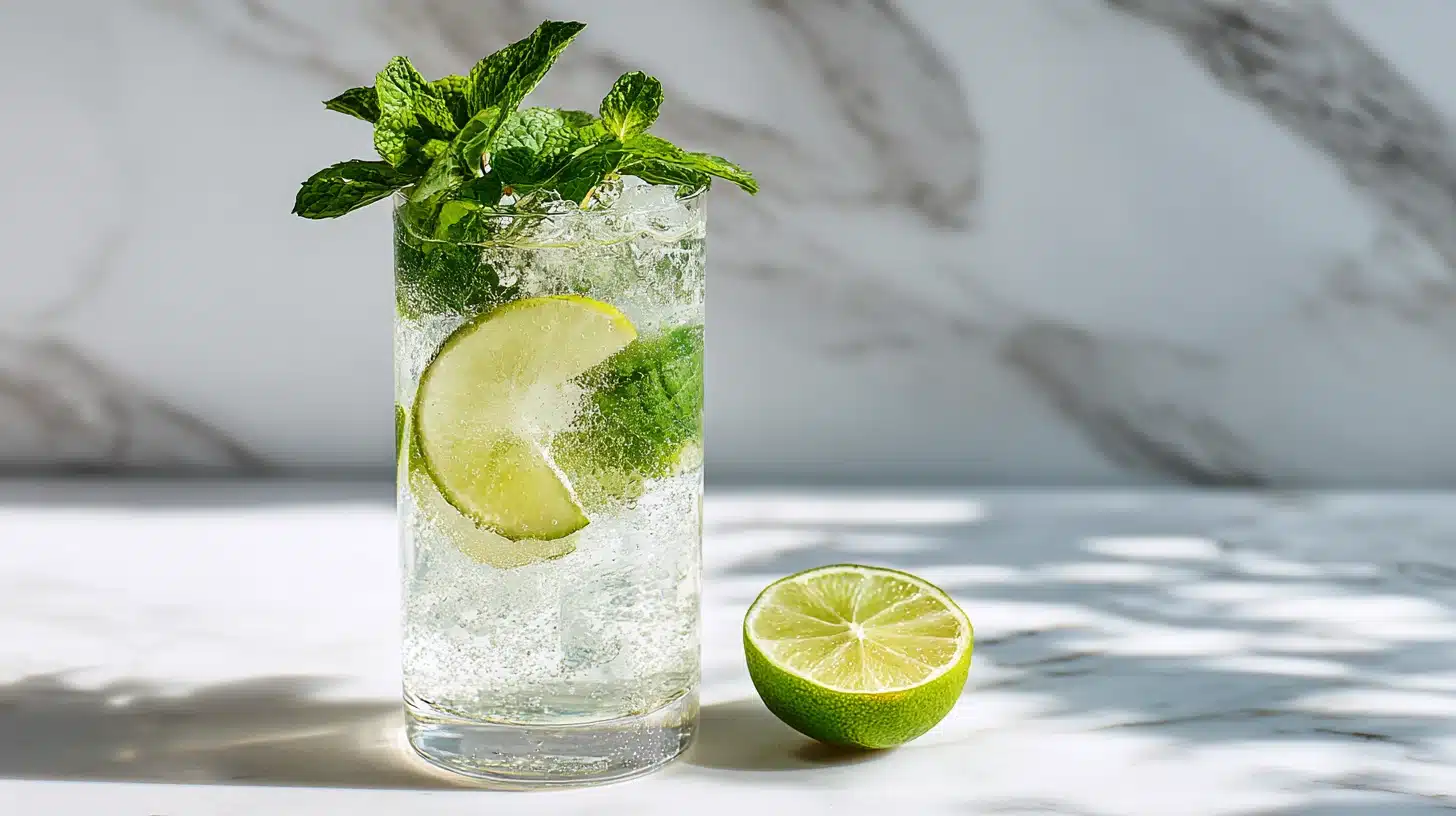
The visual appeal of a Hugo cocktail is also tied to the glassware. The pale yellow hue of the St-Germain mixed with the golden prosecco looks beautiful in a crystal wine glass. The bubbles stream upward through the liquid, catching the light. A sprig of fresh mint peeking over the rim adds a pop of bright green. It is a drink designed to be savored slowly, and the right glass encourages that behavior. Holding the stem of the wine glass also prevents your warm hands from transferring heat to the liquid, keeping your drink colder for a longer period.
Variations and substitutions
Once you have mastered the classic Hugo spritz recipe, the door is open for creative variations. The inherent flexibility of this cocktail is one of its greatest strengths. If you want to reduce the alcohol content, you can adjust the standard ratio. Try using 3 ounces of prosecco, 1 ounce of elderflower liqueur, and 2 ounces of club soda. This creates a lighter, sessionable drink that is perfect for long afternoon gatherings. The floral notes will still shine through, but the ABV drops significantly.
For those who prefer a non-alcoholic option, the Hugo spritz adapts beautifully. Swap the prosecco for a high-quality non-alcoholic sparkling wine or sparkling water. Replace the elderflower liqueur with an elderflower syrup or cordial. Brands like Belvoir or Monin make excellent elderflower cordials that capture the floral essence without the alcohol. You will need to adjust the sweetness to your liking, as syrups can be sweeter than liqueurs. Add a splash of fresh lime juice and your mint, and you have a refreshing mocktail that honors the spirit of the original.
If you want to experiment with flavor profiles, consider adding complementary fruits. A few fresh raspberries or blackberries muddled gently in the bottom of the glass add a tart, fruity dimension that pairs wonderfully with elderflower. A slice of cucumber along the rim brings a cool, vegetal freshness that is perfect for hot summer days. Some bartenders even add a dash of rosemary or thyme for an herbal twist. These variations should complement the base flavors, not overpower them. The elderflower should always remain the focal point of the drink.
If you are focusing on health-conscious choices for your summer menu, you might also explore our fibermaxxing recipes for dinner. The Hugo spritz pairs beautifully with light, plant-forward fare. Another popular substitution involves swapping the lime for lemon. While lime is traditional, lemon offers a brighter, sharper acidity that some people prefer. It alters the flavor profile slightly, so it tastes more like a citrus-forward sparkling lemonade. Whatever variation you choose, always taste as you go. The sweetness of different elderflower brands varies, so you may need to adjust your lime juice accordingly to achieve perfect balance.
Pairing your Hugo spritz with food
The Hugo spritz is quintessentially an aperitivo, which means it is designed to stimulate the appetite before a meal. Its dry, floral, and slightly acidic profile makes it an exceptional pairing partner for a wide variety of foods. The bright effervescence cleanses the palate, while the subtle sweetness complements savory and salty flavors without overwhelming them. Understanding how to pair this cocktail with food will transport your happy hour to an Italian piazza.
When thinking about appetizers, look to the sea. The floral notes of a St-Germain Hugo spritz match incredibly well with light seafood. Think citrus-cured salmon crostini, grilled shrimp skewers, or a simple plate of fresh oysters. The acid in the lime and the bubbles in the prosecco cut through the richness of the fish. For a substantial appetizer, try pairing it with our tagliatelle with prawns recipe. The delicate flavor of the pasta and the sweetness of the prawns harmonize with the elderflower perfectly.
Charcuterie and cheese boards are another classic pairing. Avoid overly pungent or blue cheeses, as they will clash with the delicate floral notes. Instead, opt for fresh cheeses like burrata, ricotta, or a young mozzarella. The creaminess of these cheeses provides a beautiful textural contrast to the crisp, bubbly cocktail. For meats, choose prosciutto, speck, or mild salami. The saltiness of the cured meat is balanced by the slight sweetness of the spritz. Add some marcona almonds and a drizzle of honey to complete the board.
For a heartier pairing, light poultry and vegetable dishes work wonders. A salmon and leek recipe offers a rich, earthy counterpoint to the bright cocktail. The leeks bring a subtle sweetness that echoes the elderflower, while the salmon provides healthy fats that coat the palate. If you are serving a vegetarian spread, consider prawn tacos recipe or a light summer salad with a vinaigrette. The goal is to avoid heavy, dark sauces or heavily spiced dishes that will overpower the subtle nuances of the Hugo spritz recipe.
Frequently asked questions
What is a Hugo spritz?
A Hugo Spritz is a popular Italian aperitif cocktail made with prosecco, elderflower liqueur, club soda, fresh mint, and lime. Created in 2005 by Roland Gruber in Northern Italy, it offers a lighter, more floral alternative to the bitter Aperol spritz. It has become a staple in summer cocktail culture.
What are the ingredients for a Hugo spritz?
The core ingredients for a Hugo Spritz are dry prosecco, elderflower liqueur like St-Germain, club soda, fresh mint leaves, and a slice of fresh lime. You will also need ice. Some variations substitute lemon for lime, but the lime provides a traditional, sharp acidity that balances the sweetness.
What is the ratio for a Hugo spritz?
The standard ratio for a Hugo Spritz is 3 parts prosecco, 2 parts elderflower liqueur, and 1 part club soda. A typical single serving uses 3 ounces of prosecco, 2 ounces of elderflower liqueur, and 1 ounce of club soda. This balance keeps the drink crisp and not overly sweet.
What do Italians use for a Hugo spritz?
Italians typically use a dry or extra dry prosecco, an elderflower liqueur often locally produced, club soda, fresh mint, and lime. While St-Germain is widely used globally, local brands in Italy are also common. The drink is always built directly in a large wine glass over ice.
Can I make a non-alcoholic Hugo spritz?
Yes, you can easily make a non-alcoholic Hugo Spritz. Replace the prosecco with a non-alcoholic sparkling wine or sparkling water, and swap the elderflower liqueur for an elderflower syrup or cordial. Adjust the amount of syrup to taste, and add fresh mint and lime.
Conclusion
Mastering this Hugo spritz recipe means you always have a refreshing, elegant aperitivo ready in under five minutes. By focusing on the traditional Italian ratio, the proper technique for bruising mint, and the right glassware, you avoid the common pitfalls of a watery or overly sweet drink. It brings that sunlit terrace experience right to your home.
Bookmark this for your next Sunday dinner or afternoon gathering on the patio. The floral notes and crisp bubbles are exactly what your weekend needs. For more recipes like Hugo spritz recipe, follow us on Facebook and Pinterest for boozy brunch recipes.
More recipes in this series: