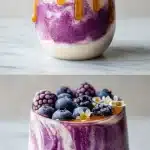
The first time I tried to make a Greek Yogurt Fruit Smoothie, I ended up with a glass of purple water. Most blended fruit and yogurt recipes suffer from a thin, watery texture or a gummy, protein-shake consistency. This guide fixes that with a specific frozen fruit ratio and a thickening technique that gets you to milkshake-level creaminess.
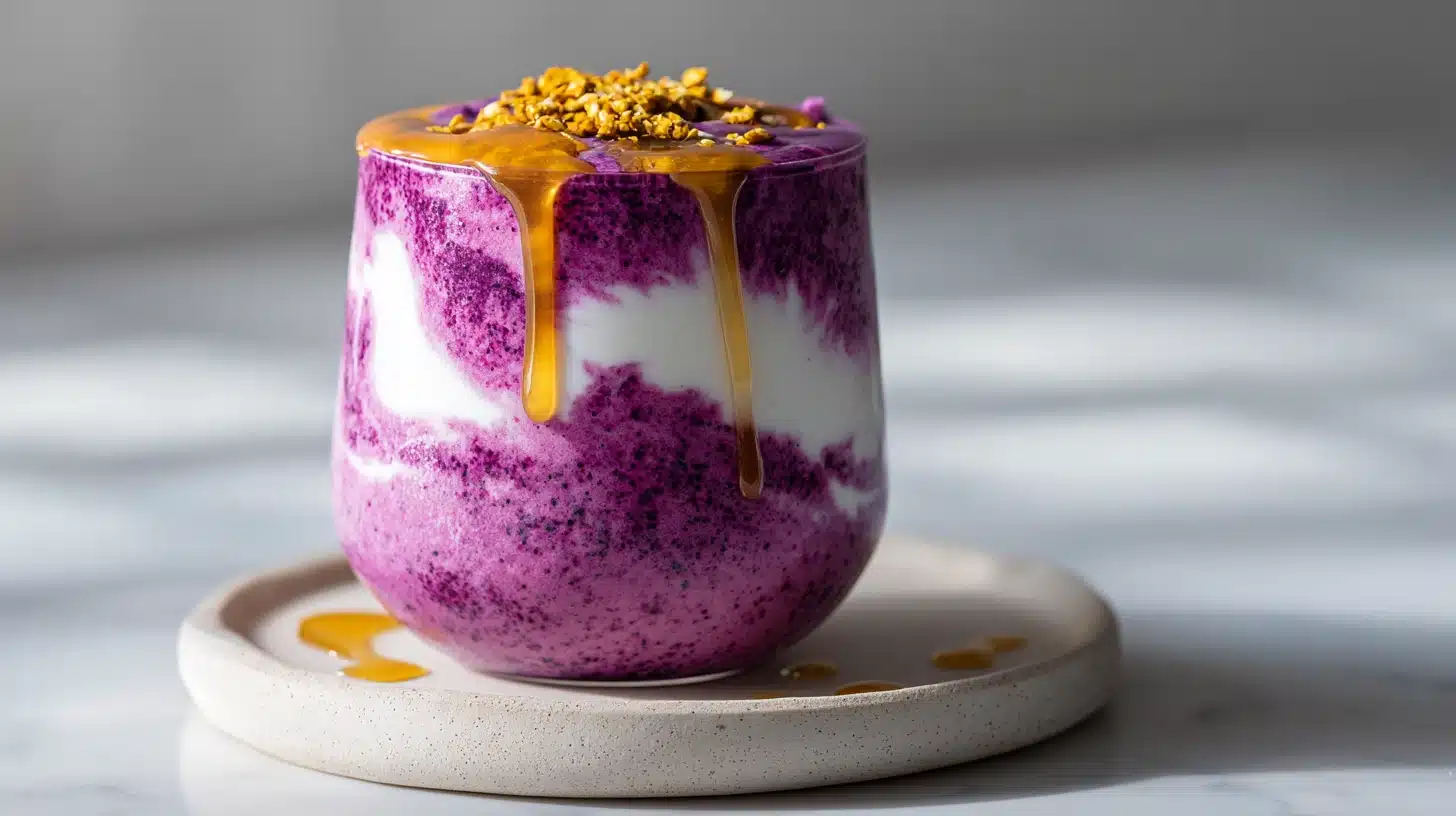
Here’s what you’ll get: the exact liquid-to-frozen-fruit ratio for a spoonable texture, the best yogurt varieties to avoid sourness, and three mix-in variations to customize your daily blend.
Table of Contents
Why a Greek yogurt fruit smoothie belongs in your morning routine
A Greek Yogurt Fruit Smoothie is one of the most efficient ways to pack protein, probiotics, and fresh fruit into a single glass. When you use Greek yogurt instead of regular yogurt, you instantly double the protein content while cutting the natural sugars significantly. This combination keeps your blood sugar stable and prevents that mid-morning energy crash.
The tang of plain Greek yogurt is a perfect backdrop for sweet fruits. When blended with frozen bananas and mixed berries, the yogurt cuts through the intense sweetness. The result is a balanced flavor that tastes rich rather than cloying. You get the bright acidity of the fruit and the creamy mouthfeel of dairy. If you enjoy starting your day with a greek yogurt bowl with nuts and seeds, you will appreciate how those same flavors translate into a drinkable format.
Beyond the basic nutritional benefits, this healthy fruit smoothie supports digestion. Greek yogurt is fermented, meaning it introduces beneficial bacteria to your gut. When paired with fiber-rich fruits and a small handful of chia seeds, your digestive system gets a gentle morning wake-up. I used to skip breakfast more often than I care to admit, but sipping something nutrient-dense feels effortless in a way that sitting down with eggs never did for me. You can even incorporate ingredients from a gut health smoothie bowl into a drinkable format. The thickness of the yogurt keeps you full. Actually full, not just hydrated.
To make the best protein smoothie with Greek yogurt, you need to think about temperature and texture. Room temperature smoothies feel lackluster. Using deeply frozen fruit eliminates the need for regular ice, which would otherwise dilute the flavor as it melts. You want a drink that stays cold from the first sip to the last. The tangy, creamy profile of this Greek yogurt berry smoothie rivals anything you’d pay eight dollars for at a cafe.
Print
The Ultimate Greek Yogurt Fruit Smoothie (Thick, Creamy, No Guesswork)
- Total Time: 5 min
- Yield: 2 servings 1x
- Diet: Vegetarian
Description
A thick and creamy fruit smoothie made with plain Greek yogurt, frozen bananas, mixed berries, and a touch of honey. High in protein and perfect for a quick breakfast.
Ingredients
1 cup plain whole milk Greek yogurt
1 medium frozen banana (sliced)
1 cup frozen mixed berries (strawberries and blueberries)
1/2 cup unsweetened almond milk
1 tbsp chia seeds
1 tbsp peanut butter
1 tbsp honey
1/2 tsp vanilla extract
Instructions
1. Pour the almond milk into the blender jar first to help the blades spin freely.
2. Add the plain Greek yogurt, honey, vanilla extract, peanut butter, and chia seeds to the blender.
3. Top the wet ingredients with the frozen banana slices and frozen mixed berries.
4. Secure the blender lid and blend on high for 60 seconds until the mixture is thick and completely smooth.
5. Stop the blender and check the consistency. If it is too thick, add another tablespoon of milk and blend for 10 more seconds.
6. Pour the thick smoothie into two glasses and serve immediately.
Notes
Store any leftover smoothie in an airtight jar in the refrigerator for up to 24 hours. Stir well before drinking.
Substitute the almond milk with oat milk or dairy milk for a different flavor and texture profile.
For a lower sugar option, omit the honey and rely entirely on the natural sweetness of the frozen banana.
- Prep Time: 5 min
- Cook Time: 0 min
- Category: Breakfast
- Method: No-Cook
- Cuisine: American
Nutrition
- Serving Size: 1 glass
- Calories: 225 kcal
- Sugar: 18 g
- Sodium: 55 mg
- Fat: 7 g
- Saturated Fat: 2 g
- Unsaturated Fat: 5 g
- Trans Fat: 0 g
- Carbohydrates: 29 g
- Fiber: 6 g
- Protein: 12 g
- Cholesterol: 5 mg
The secret to a thick, creamy texture (no watery smoothies)
The biggest complaint people have about making smoothies at home is the texture. A Greek Yogurt Fruit Smoothie can easily turn into a runny mess if your ingredient ratios are off. The secret to a thick, spoonable consistency lies in the balance of frozen ingredients to liquid. You should never rely on ice cubes to thicken a smoothie. Ice just waters down the flavor and leaves you with a bland, icy drink. Instead, use frozen fruit as your primary chilling agent.
When you use frozen bananas, the texture becomes creamy enough to mimic soft-serve ice cream. The pectin in the bananas binds the liquid together and gives you a silky texture that coats your mouth. If you prefer a Greek yogurt berry smoothie, make sure your berries are frozen solid before they hit the blender. Fresh berries will turn into juice. If you are looking for a different flavor profile, a banana almond sleep smoothie uses similar thickening techniques.
Another thing that matters is the order in which you add ingredients to the blender. Always add your liquid first. Whether you use almond milk, dairy milk, or oat milk, placing the liquid at the bottom of the blender jar helps the blades spin freely without catching on thick yogurt or frozen fruit. Once the liquid is in, add the Greek yogurt. The yogurt provides a creamy base. Next, add your seeds, oats, and nut butter. Finally, top everything with the heavy frozen fruit. This layering technique prevents air pockets and gives you a smooth, even blend. You can read more about yogurt thickness in this high protein yogurt bowl breakdown.
Let the blender run for a full minute. I used to stop at thirty seconds and wonder why I kept finding chunks. You want the motor to run until the sound changes to a high-pitched hum, which means the frozen fruit has been fully pulverized. If the mixture seems too thick, add another tablespoon of milk and blend for ten more seconds. This patience pays off. You get a smooth Greek yogurt blended smoothie every single time.
Choosing the best ingredients for your smoothie
Building a great Greek Yogurt Fruit Smoothie requires selecting the right components. You cannot just throw random items into a blender and expect a balanced result. Start with the yogurt itself. You should use plain, whole milk Greek yogurt. The higher fat content creates a rich, creamy texture that low-fat versions just cannot match. The fat also helps your body absorb the nutrients from the fruit. Plain yogurt allows you to control the sweetness without adding refined sugars. If you want a sweeter base, you can read about alternatives in this greek yogurt parfait recipe.
Next, consider your fruit. A combination of frozen bananas and frozen mixed berries creates the best foundation. Bananas add creaminess, while strawberries and blueberries add antioxidants, color, and flavor. The skins of blueberries provide a slightly chewy texture, so blending them thoroughly matters. If you prefer tropical flavors, you can swap the berries for frozen mango and pineapple. Mango pairs beautifully with the tang of Greek yogurt. For a different fruit combination, check out this banana carrot smoothie recipe.
The liquid component is just as important. Unsweetened almond milk is my go-to because it has a neutral flavor that does not compete with the fruit. Oat milk works well if you want a naturally sweeter, thicker base. If you want to maximize the protein content, use dairy milk. Avoid fruit juices, as they add too much sugar and disrupt the creamy texture you are trying to build.
To add depth and nutrition, you need specific mix-ins. A tablespoon of peanut butter adds richness and extra protein. Chia seeds absorb liquid and expand, which makes the smoothie even thicker while providing healthy fats. A splash of vanilla extract rounds out the flavors and makes the smoothie taste like a milkshake. Honey or maple syrup adds natural sweetness. If you prefer a protein boost without the dairy, a whey protein smoothie with banana and peanut butter uses similar ingredients.
At-a-glance comparison: smoothie styles compared
When deciding on your daily blend, it helps to understand how a Greek Yogurt Fruit Smoothie compares to other common variations. Not all blended drinks serve the same purpose. Depending on your dietary needs, you might prefer a lighter juice-based option or a heavy protein-loaded shake. The table below breaks down the differences so you can choose the right style for your morning.
| Smoothie Style | Texture | Prep Time | Protein Level | Dietary Fit |
|---|---|---|---|---|
| Greek Yogurt Fruit Smoothie | Thick, creamy, spoonable | 5 min | High (from yogurt) | Balanced, filling |
| Juice-Based Fruit Smoothie | Thin, icy, watery | 5 min | Low | Light, low fat |
| Protein Powder Shake | Gummy, dense | 5 min | Very High | Post-workout, low carb |
| Kefir-Based Smoothie | Drinkable, tangy, thin | 5 min | Moderate | Digestive focus |
As the table shows, the Greek Yogurt Fruit Smoothie hits the sweet spot. It offers the thick texture of a protein shake without the artificial gummy feel of protein powders. It also provides more body and satiety than a watery juice smoothie. If you want something lighter but still gut-friendly, a kefir berry smoothie offers a thinner consistency.
The high protein content in the yogurt keeps you full for hours. This makes it an ideal breakfast or post-workout snack. If you need a high-protein option without dairy, a probiotic yogurt breakfast bowl gives you ideas for layering similar ingredients. The texture difference is what sets the Greek yogurt version apart. You get a milkshake consistency using real food ingredients, which is rare in quick breakfast options.
How to customize your Greek yogurt berry smoothie
Once you master the base recipe, you can customize your Greek Yogurt Fruit Smoothie to fit your mood or nutritional needs. The base of frozen bananas, berries, and Greek yogurt is versatile enough to handle a lot of variations. If you want to increase the fiber content, add a quarter cup of rolled oats. The oats blend down and make the smoothie even thicker. They also keep you full until lunch.
For those looking to increase their healthy fat intake, add half an avocado. The avocado makes the smoothie velvety without altering the fruity flavor. You can also swap the peanut butter for almond butter if you prefer a lighter, sweeter nut flavor. A tablespoon of flax seeds or hemp hearts will add a nutty taste and a boost of omega-3s. If you enjoy green drinks, you can adapt this into a gut health green smoothie by adding a handful of fresh spinach.
If you want a fruit smoothie with Greek yogurt that tastes like dessert, add a tablespoon of cacao powder and use frozen cherries instead of berries. This creates a classic cherry chocolate flavor that feels decadent but stays healthy. You can also add a dash of cinnamon to bring out the natural sweetness of the bananas and fruit. If you struggle with sleep or want a relaxing evening drink, the concepts in this sleep friendly evening smoothie show how specific ingredients affect your body.
Another variation I love involves tropical fruits. Swap the mixed berries for frozen pineapple and add a handful of fresh spinach. The spinach turns the smoothie green but the pineapple flavor masks the taste of the vegetables entirely. This is a good way to get extra greens into your diet without noticing. You can even use coconut water instead of milk for a lighter consistency. If you prefer a hydrating summer option, a watermelon smoothie offers a completely different texture profile.
Meal prep and storage tips for your smoothie
Making a Greek Yogurt Fruit Smoothie takes only five minutes, but mornings can still be hectic. You can save time by prepping your ingredients in advance. Use freezer-safe bags or containers to portion out your frozen fruit. Place half a sliced banana, a cup of mixed berries, and a teaspoon of chia seeds in each bag. When you are ready to blend, just dump the contents of the bag into the blender, add your yogurt, milk, and peanut butter, and blend.
If you want to prep the smoothie completely, you can blend it the night before and store it in an airtight jar in the refrigerator. The chia seeds will absorb the liquid overnight, so you might need to add a splash of milk and stir it vigorously before drinking. The texture will remain thick and creamy. If you are interested in other make-ahead ideas, a sleep recovery smoothie bowl offers good overnight storage concepts.
Freezing blended smoothies is another option. Pour the blended smoothie into silicone ice cube trays and freeze. When you want a quick breakfast, pop the smoothie cubes into a glass and let them thaw in the refrigerator for an hour. You can also reblend the cubes with a splash of milk for a fresh texture. This prevents the fruit from separating and keeps the flavor intact. For a soothing evening option, check out this tart cherry sleep smoothie.
Do not leave a smoothie sitting out at room temperature for more than an hour. The yogurt will warm up, and the texture will become runny. If you are taking it to go, use an insulated tumbler to keep it cold. Separation is natural, so give it a good shake or stir before drinking. Your healthy fruit smoothie will taste just as fresh as the moment you blended it if you store it correctly.
Frequently asked questions
Are fruit smoothies with Greek yogurt healthy?
Yes, fruit smoothies with Greek yogurt are highly nutritious. They provide a balanced mix of protein, calcium, and probiotics from the yogurt, plus fiber and vitamins from the fresh or frozen fruit. Using plain yogurt keeps the added sugar low, which makes them a healthy choice.
Are smoothies good for weight loss?
Smoothies can support weight loss if you monitor your portion sizes and ingredients. A Greek yogurt fruit smoothie works well for weight loss because the high protein content keeps you full longer, which reduces the temptation to snack between meals.
Is Greek yogurt good for smoothies?
Greek yogurt is the best choice for smoothies because it adds a significant amount of protein and creates a thick, creamy texture. It also provides a tangy flavor that balances the sweetness of the fruit, so the drink tastes more complex and satisfying.
What flavor of Greek yogurt is best for smoothies?
Plain, unflavored Greek yogurt is the best choice for smoothies. It allows you to control the exact amount and type of sweetener, which helps you avoid the high sugar content found in flavored yogurts. Vanilla extract or honey can be added to the blender for natural flavoring.
Can I use fresh fruit instead of frozen fruit?
You can use fresh fruit, but your smoothie will be much thinner. To maintain the thick, creamy texture, you would need to add a cup of ice, which waters down the flavor. For the best results, use frozen fruit and skip the ice entirely.
What liquid goes best with a Greek yogurt smoothie?
Unsweetened almond milk or oat milk works best because they have neutral flavors that do not overpower the fruit. Dairy milk is a good choice if you want extra protein and calcium. Avoid fruit juices, as they add unnecessary sugar and thin out the texture.
Conclusion
Mastering the Greek Yogurt Fruit Smoothie comes down to understanding your ingredient ratios and relying on frozen fruit rather than ice. By following the layering technique and sticking to plain, whole milk Greek yogurt, you will get a thick, creamy blend every time. No more watery, separated mixtures. The rich texture comes from real food, and honestly, that is what makes this worth the five minutes.
For more recipes like Greek Yogurt Fruit Smoothie, follow us on Facebook and Pinterest for quick breakfast ideas.
More recipes in this series: