A well-built probiotic yogurt breakfast bowl is one of those rare morning meals that actually works, and the first time I made one properly, I realized I had been building mine all wrong for years.
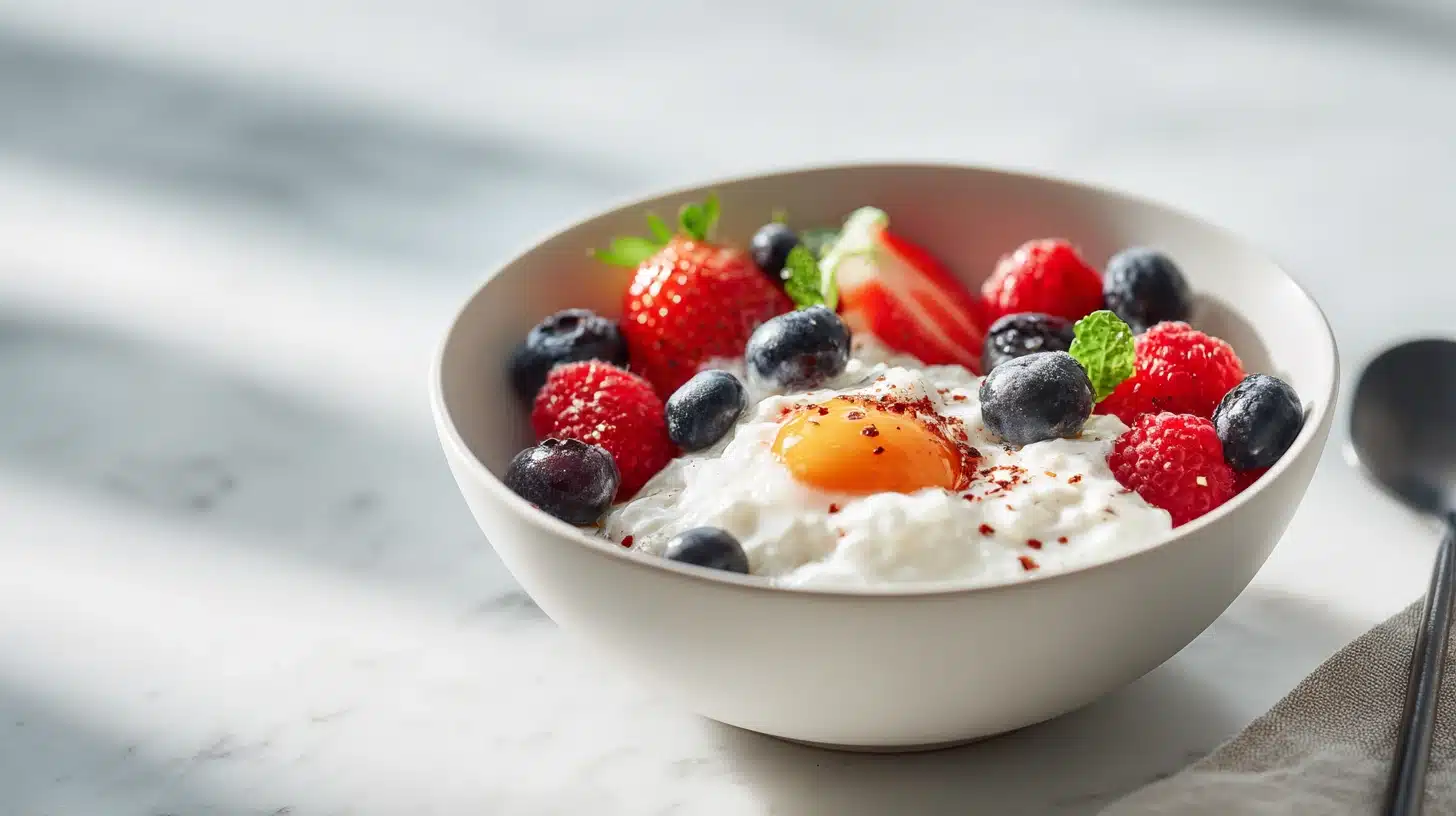
Most yogurt bowls fall flat because the base is too thin and watery, turning granola into a soggy mess within minutes. Use thick, strained Greek yogurt as your foundation and layer your toppings in the right order, and everything stays crisp, creamy, and satisfying until lunch.
We’ll get into which yogurts actually contain live active cultures worth eating, how to layer toppings so nothing goes soft, and the one ingredient that doubles your staying power without adding sugar.
Table of Contents
Why Your Gut Will Thank You for This Bowl
Fermented foods have occupied kitchen tables across every culture for thousands of years, and the science backing them up is strong. When you build a probiotic breakfast bowl around a yogurt that contains live, active bacterial cultures, such as Bifidobacterium lactis and Lactobacillus acidophilus, you’re sending reinforcements to the trillions of microorganisms in your digestive system. These bacteria influence everything from your mood to your immune response.
What “Live Active Cultures” Actually Means
Not every container in the yogurt aisle does the same job. Heat-treated yogurt, which some brands process after fermentation to extend shelf life, kills off most of the beneficial bacteria before it reaches your spoon. Look for the words “contains live and active cultures” on the label, and ideally a National Yogurt Association seal. The bacteria listed often include strain names like Bifidobacterium lactis, which has strong research support for supporting bowel regularity and reducing bloating.
Greek yogurt is an especially smart base for a gut-healthy yogurt bowl because the straining process concentrates the protein while preserving the cultures. A single cup of plain, full-fat Greek yogurt has 17 to 20 grams of protein and billions of colony-forming units of probiotics.
The Fiber Connection
Probiotics work better when they have something to eat, and that something is prebiotic fiber. Chia seeds and flaxseed, two toppings in this recipe, are loaded with soluble fiber that acts as fuel for beneficial bacteria in the colon. Think of your probiotic bacteria as houseplants: the yogurt delivers them, and the fiber feeds them.
Adding chia seeds to your bowl also creates a subtle gel-like texture as they absorb the yogurt’s moisture, which gives each bite an interesting contrast without making the whole bowl watery. Sprinkle them on last, right before eating, or stir a teaspoon into the yogurt base about three minutes beforehand for a slightly thicker consistency.
If you love building out your morning with varied textures and gut-supporting ingredients, the greek yogurt bowl with nuts and seeds on Forkful Daily is worth a look alongside this recipe.
Print
The 5-Minute Probiotic Yogurt Breakfast Bowl That Actually Keeps You Full
- Total Time: 5 min
- Yield: 1 bowl 1x
- Diet: Vegetarian
Description
A quick, gut-healthy breakfast bowl built on thick plain Greek yogurt with live active cultures, layered with fresh berries, banana, crunchy granola, almond butter, chia seeds, and dark chocolate chips. It comes together in 5 minutes and delivers a solid hit of protein, fiber, and probiotics to start your day strong.
Ingredients
For the yogurt base:
1 cup plain whole-milk Greek yogurt (with live active cultures)
1/4 teaspoon vanilla extract
1 to 2 tablespoons kefir or unsweetened almond milk (optional, for thinning)
For the toppings:
1/2 medium banana (sliced)
1/4 cup fresh blueberries
1/4 cup fresh strawberries (halved)
2 tablespoons fresh raspberries
1/4 cup low-sugar high-fiber granola
1 tablespoon almond butter or peanut butter
1 teaspoon chia seeds
1 tablespoon unsweetened coconut flakes
1 tablespoon dark chocolate chips or cacao nibs
1 teaspoon honey or maple syrup (optional, to taste)
Instructions
1. Prepare the yogurt base: Spoon 1 cup of plain Greek yogurt into a wide, shallow bowl. Stir in the vanilla extract until combined. If you prefer a thinner consistency, whisk in 1 to 2 tablespoons of kefir or almond milk until smooth and creamy.
2. Arrange the fruit: Fan the banana slices across the center of the bowl. Place the blueberries and halved strawberries on the left side and tuck the raspberries into any gaps. You want each fruit clearly visible so you get a mix in every bite.
3. Add the nut butter: Spoon the almond butter into a small pool on the right side of the bowl, keeping it distinct from the yogurt so it stays thick and does not dissolve.
4. Scatter the granola: Sprinkle the granola evenly across the top of the fruit and yogurt. Do this right before serving so it stays crunchy and does not absorb moisture from the yogurt.
5. Finish with dry toppings: Dust the chia seeds and coconut flakes evenly over the surface. Scatter the dark chocolate chips or cacao nibs across the top for a slightly bitter contrast to the sweet fruit.
6. Sweeten if needed: Taste the bowl as built. If you want a touch more sweetness, drizzle a small amount of honey or maple syrup over the top in a thin stream. Serve immediately.
Notes
Store the yogurt base and wet toppings (fruit, almond butter) in a sealed jar in the refrigerator for up to 2 days. Store dry toppings (granola, chia seeds, coconut flakes, chocolate chips) separately in a small container at room temperature and add them right before eating to preserve their texture.
For a vegan version, use plain coconut yogurt or cashew yogurt labeled with live active cultures in place of Greek yogurt.
For extra protein, stir one scoop of unflavored or vanilla protein powder into the yogurt base before adding toppings, or increase the almond butter to 2 tablespoons.
Frozen berries work well here. Let them thaw for 5 minutes at room temperature before adding so they do not chill the yogurt too much.
- Prep Time: 5 min
- Cook Time: 0 min
- Category: Breakfast
- Method: No-Cook
- Cuisine: American
Nutrition
- Serving Size: 1 bowl
- Calories: 480 kcal
- Sugar: 28 g
- Sodium: 115 mg
- Fat: 19 g
- Saturated Fat: 6 g
- Unsaturated Fat: 11 g
- Trans Fat: 0 g
- Carbohydrates: 52 g
- Fiber: 8 g
- Protein: 24 g
- Cholesterol: 20 mg
Choosing the Right Ingredients for Maximum Flavor and Nutrition
The beauty of a probiotic yogurt breakfast bowl is that its ingredient list is almost infinitely flexible, but the few non-negotiables matter a lot. Getting those right is the difference between a bowl that keeps you full until noon and one that has you raiding the pantry by 10 a.m.
The Base: Thick Greek Yogurt
Start with one cup of plain, whole-milk Greek yogurt. Full-fat versions have a richer flavor and tend to keep hunger at bay longer than non-fat versions, because the fat signals satiety hormones more effectively. If the yogurt feels thicker than you want, stir in one to two tablespoons of kefir or unsweetened almond milk to loosen it slightly without diluting the probiotic content.
Avoid flavored yogurts for this base. Vanilla and fruit-flavored options almost always contain added sugar that undercuts the health benefits, and the fruit compotes tend to be more corn syrup than actual fruit. Plain yogurt lets you control every gram of sweetness.
The Toppings: Build in Layers
The order you pile things on matters. Here is the sequence that keeps every element at its best texture:
- Start with the yogurt base spread to the edges of the bowl.
- Add half a sliced banana and a large handful of mixed berries (blueberries, strawberries, and raspberries all work).
- Spoon one tablespoon of almond butter or peanut butter in a small pool to one side, so it stays distinct rather than dissolving into the yogurt.
- Scatter one quarter cup of low-sugar, high-fiber granola across the top right before serving. Don’t stir it in.
- Finish with one teaspoon of chia seeds, a small pinch of unsweetened coconut flakes, and a few dark chocolate chips or cacao nibs for bitterness that cuts the sweetness beautifully.
- Drizzle a small amount of honey or maple syrup only if you need it. Taste first.
Each of these toppings pulls its own weight. The berries contribute anthocyanins and vitamin C. The banana adds natural sweetness and potassium. The almond butter contributes healthy fats and a second hit of protein. The granola adds crunch and fiber. The cacao nibs bring magnesium and a depth of flavor that makes the bowl taste sophisticated.
How to Build the Perfect Bowl in 5 Minutes
Assembly is genuinely fast, but a few small techniques make a noticeable difference.
Step 1: Prep Your Yogurt Base
Scoop the Greek yogurt into a wide, shallow bowl rather than a deep one. A shallow bowl gives you more surface area for toppings and a better toppings-to-yogurt ratio in each spoonful. Stir in a small splash of vanilla extract if you like, just about one quarter of a teaspoon. It blooms beautifully in the cold yogurt and gives the whole bowl a bakery-style fragrance without adding sugar.
If you want a slightly thinner, pourable consistency closer to a smoothie bowl, whisk in one tablespoon of kefir. Kefir itself is a fermented dairy drink packed with its own probiotic strains, so you’re layering in even more gut-supporting bacteria without changing the flavor profile much.
Step 2: Arrange, Don’t Just Dump
The difference between a bowl that looks like a Pinterest recipe and one that looks like a rushed Tuesday morning comes down to intentional placement. Section the bowl visually: berries on the left, banana slices fanned in the center, almond butter pooled to the right. This isn’t just for looks. When toppings are arranged rather than mixed, you can taste each element distinctly in every bite, and the granola stays crunchier because it’s sitting on top of fruit and nut butter rather than sinking into wet yogurt.
Step 3: Add Dry Toppings Last
Coconut flakes, chia seeds, cacao nibs, and granola should always go on at the very end, seconds before you carry the bowl to the table. Granola begins absorbing moisture the moment it touches yogurt. Some people enjoy the soft chew of slightly soaked granola, but most people building a healthy breakfast yogurt bowl are after the crunch. If you’re meal-prepping bowls for the week, store the yogurt base and all wet toppings in a jar, and keep the dry toppings in a separate small container to add at eating time.
For a protein-forward variation, the high protein yogurt bowl offers a slightly different topping combination that’s worth trying when you want to push the protein numbers even higher.
Customizing Your Probiotic Breakfast Bowl for Any Season or Diet
One of the best things about the probiotic yogurt breakfast bowl format is how easily it adapts to whatever is ripe, whatever your goals are, and whatever you happen to have in the kitchen on a given morning.
Seasonal Swaps
Summer is peak season for the classic berry combination, but the bowl works beautifully year-round with small ingredient changes.
| Season | Fruit Swap | Flavor Accent |
|---|---|---|
| Spring | Sliced strawberries, kiwi | Fresh mint leaves |
| Summer | Blueberries, raspberries, peach | Basil, lemon zest |
| Fall | Diced apple, pear, dried cranberries | Cinnamon, nutmeg |
| Winter | Frozen mango (thawed), pomegranate arils | Cardamom, orange zest |
Frozen fruit works perfectly fine in a probiotic breakfast bowl because freezing doesn’t destroy fiber or most vitamins. Let frozen berries thaw for five minutes on the countertop before adding them to the bowl so they don’t cool the yogurt down too much.
Dietary Modifications
- For a vegan version, substitute coconut yogurt or cashew yogurt that carries a “live active cultures” label. The probiotic content varies by brand, so read carefully.
- For a nut-free version, replace almond butter with sunflower seed butter, which has a similar fat profile and a pleasantly earthy flavor.
- For a lower-sugar version, skip the honey entirely, use unsweetened granola, and let the natural sugars of the banana and berries carry the sweetness. The vanilla extract and cacao nibs do a lot of work here to make the bowl feel indulgent without additional sweeteners.
- For a higher-calorie, post-workout version, add a scoop of unflavored or vanilla protein powder stirred directly into the yogurt base, and increase the almond butter to two tablespoons.
Making It a Savory Bowl
Yes, yogurt bowls can go savory, and they make a surprisingly satisfying breakfast. Swap the fruit and granola for sliced cucumber, halved cherry tomatoes, a drizzle of extra-virgin olive oil, za’atar or everything bagel seasoning, and a soft-boiled egg. The probiotics in the yogurt work equally well in a savory context, and the protein and fat combination is even more filling.
If savory grain bowls interest you as a breakfast direction, the savory quinoa breakfast bowl is a great companion recipe when you want something warm and hearty alongside your yogurt-based mornings.
Frequently Asked Questions
Are yogurt bowls healthy?
Yes, yogurt bowls are a nutritious breakfast choice when built thoughtfully. A bowl centered on plain Greek yogurt with live active cultures, fresh fruit, fiber-rich seeds, and a source of healthy fat provides protein, probiotics, vitamins, and sustained energy. The key is avoiding excessive added sugar from flavored yogurts, sweetened granolas, or heavy drizzles of syrup, all of which can shift the nutritional balance quickly.
What is the difference between a yogurt bowl and a parfait?
A parfait traditionally layers yogurt, granola, and fruit in a tall glass with alternating strata, creating a fairly fixed ratio of ingredients in each layer. A yogurt bowl spreads the components across a wide, shallow dish, keeping toppings visible, accessible, and adjustable bite by bite. The bowl format also makes it easier to add a wider variety of toppings and to keep dry ingredients like granola crispier, since they sit on top rather than being buried under yogurt.
What type of yogurt is best for a probiotic breakfast?
Plain, whole-milk Greek yogurt that explicitly lists “live and active cultures” on its label is the best foundation for a probiotic breakfast bowl. Brands that specify strains such as Lactobacillus acidophilus, Bifidobacterium lactis, or Lactobacillus bulgaricus give you the most transparency. Avoid heat-treated or ultra-pasteurized yogurts, and skip any variety with fruit syrups or artificial sweeteners mixed in.
When is the best time to eat yogurt for probiotics?
Most digestive health researchers suggest that eating probiotic-rich foods with or shortly after a meal gives the bacteria the best chance of surviving stomach acid on the way to the colon. A morning probiotic yogurt breakfast bowl eaten after waking, ideally alongside or just after a small glass of water to dilute stomach acid slightly, is considered a good timing window. Consistency matters more than timing, though, so making it a daily habit is more important than eating it at a precise hour.
Conclusion
The probiotic yogurt breakfast bowl is one of the simplest, most adaptable meals you can build in under five minutes. The details that look small, the order of the toppings, the type of yogurt, the addition of chia seeds, are the ones that make the difference between a bowl that holds you over and one that leaves you hungry an hour later. Building this bowl right is mostly about knowing the few rules that matter.
Give this recipe a try tomorrow morning and see how it holds you through the day.
For more recipes like this probiotic yogurt breakfast bowl, follow us on Facebook and Pinterest for gut-healthy breakfast ideas.