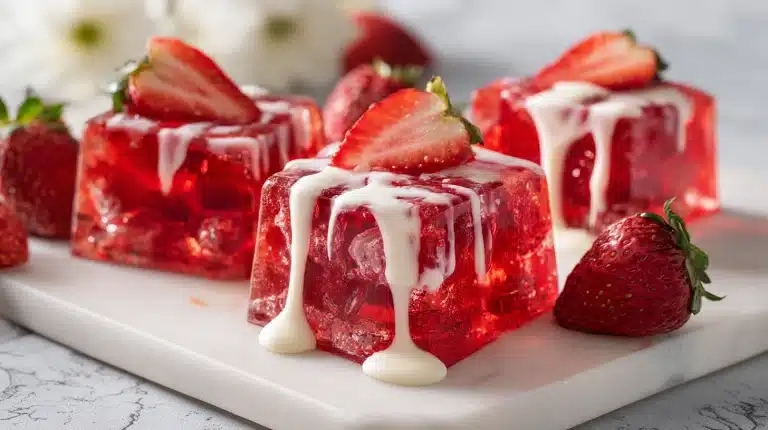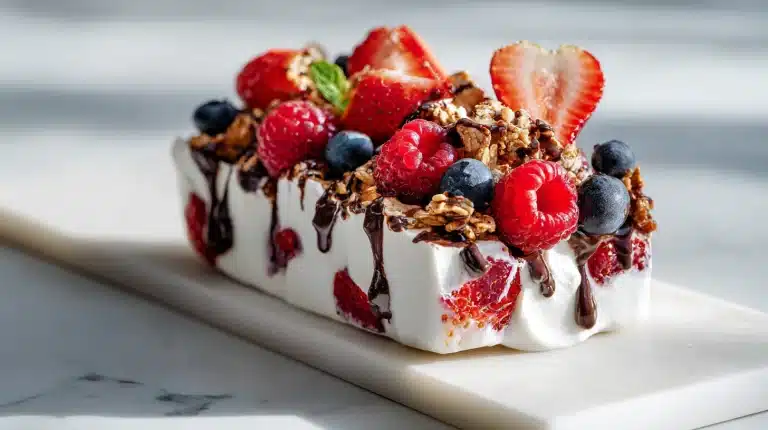
When my nutritionist first asked me what is bariatric gelatin, I assumed it was just ordinary Jell-O in a smaller cup. I was wrong. It’s actually a clever, protein-packed snack designed for bodies that are healing from weight loss surgery.
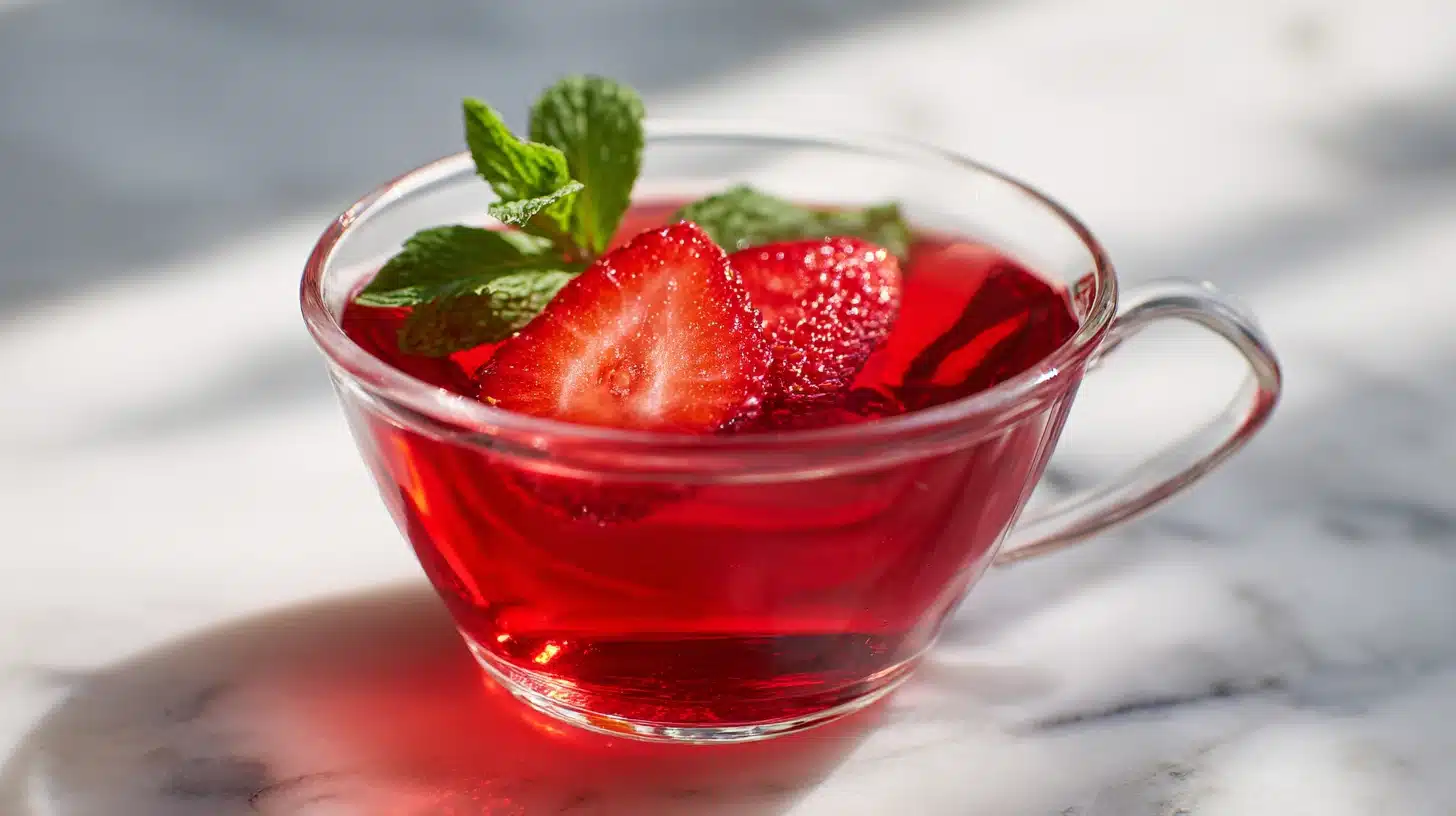
Post-surgery patients get stuck with chalky protein shakes and tough meats that sit like rocks in a tiny stomach. This recipe gives you something different: a smooth, cooling texture that delivers high protein without the foam or the cloying aftertaste.
Coming up: how collagen changes the texture, why this specific gelatin trick for weight loss works, and the exact ratios for a perfect set.
Table of Contents
What Is Bariatric Gelatin and Why Does It Matter?
If you are asking yourself what is bariatric gelatin, you are not alone. Many post-surgery patients encounter this term in support groups and feel confused. Bariatric gelatin is a protein-fortified snack designed for people who have had gastric bypass, sleeve gastrectomy, or other weight loss surgeries. It is not the sugary, brightly colored dessert you remember from childhood hospital trays. It is a functional food.
The primary goal of this snack is to help patients meet their daily protein requirements. After surgery, your stomach capacity is drastically reduced. You can only consume a few ounces of food at a time, so every bite matters. Traditional protein sources like chicken or fish can be hard to tolerate, especially in the early weeks of recovery. They require heavy digestion and can cause discomfort. This is where a high-protein gelatin is a practical solution.
To understand what is bariatric gelatin in practice, look at the ingredients. A proper bariatric gelatin recipe combines unflavored gelatin with high-quality protein powder, usually whey isolate or collagen peptides. This combination creates a soft, easily digestible matrix that slides through the stomach comfortably. It gives your body the building blocks it needs to heal incisions and preserve muscle mass without causing nausea. The gelatin itself is derived from collagen, so it directly supports joint health and skin elasticity, which often need support during rapid weight loss.
This snack also addresses another major post-surgery hurdle: hydration. Staying hydrated is notoriously difficult because you cannot drink large amounts of fluid at once. A gelatin drink provides fluid in a slow-release, edible form. The texture triggers satiety signals in the brain, making you feel full and satisfied without overwhelming your tiny stomach. If you want a deeper look at the mechanics, our gelatin trick for weight loss breaks down the science of why this works so well.
Print
Basic Bariatric Gelatin (Post-Op Friendly)
- Total Time: 130 min
- Yield: 2 servings 1x
- Diet: Gluten Free
Description
A soft, high-protein gelatin snack designed for bariatric patients. This recipe combines unflavored gelatin, collagen peptides, and chamomile tea to create a soothing, low-calorie treat that supports hydration and muscle preservation.
Ingredients
For the gelatin base:
1 tablespoon unflavored gelatin powder
1/4 cup cold water
For the protein mixture:
1 1/2 cups hot chamomile tea
2 scoops unflavored collagen peptides
1 tablespoon fresh lemon juice
5 drops liquid stevia (optional)
1 fresh strawberry (mashed, optional)
Instructions
1. Sprinkle the unflavored gelatin powder over the cold water in a small bowl. Let it sit for five minutes until it looks like a thick, translucent paste.
2. Pour the hot chamomile tea over the bloomed gelatin. Whisk vigorously until the gelatin is completely dissolved and the liquid looks clear.
3. Let the mixture cool for ten minutes until it feels warm but not hot to the touch.
4. Add the collagen peptides and whisk gently but thoroughly until the powder dissolves completely without creating foam.
5. Stir in the fresh lemon juice, liquid stevia, and mashed strawberry if using.
6. Pour the mixture into two small silicone molds or a glass dish.
7. Place in the refrigerator for two hours until the gelatin is completely set and firm.
8. Spoon into a dish and serve cold for a soothing, protein-packed snack.
Notes
Store in the refrigerator for up to 5 days. Keep covered with plastic wrap to prevent the gelatin from drying out.
Do not use fresh pineapple or kiwi as they contain enzymes that prevent gelatin from setting.
If your protein powder clumps, whisk it into a small amount of cold water first to create a smooth slurry before adding it to the warm gelatin mixture.
- Prep Time: 10 min
- Rest Time: 120 min
- Cook Time: 0 min
- Category: Snack
- Method: No-Cook
- Cuisine: American
Nutrition
- Serving Size: 1 cup
- Calories: 45 kcal
- Sugar: 1 g
- Sodium: 25 mg
- Fat: 0 g
- Saturated Fat: 0 g
- Unsaturated Fat: 0 g
- Trans Fat: 0 g
- Carbohydrates: 2 g
- Fiber: 0 g
- Protein: 11 g
- Cholesterol: 5 mg
The Gelatin Trick for Weight Loss Explained
Understanding the gelatin trick for weight loss requires a basic look at how gelatin interacts with water and your digestive system. Gelatin is a hydrophilic colloid, meaning it loves water and can absorb many times its weight in liquid. When you consume gelatin, it expands in your stomach. This expansion creates physical fullness, which is exactly what you need when your reduced stomach capacity makes traditional portion sizes impossible. This is a big part of what is bariatric gelatin.
The satiety factor goes beyond physical volume. Protein is the most satiating macronutrient, and a well-made bariatric gelatin is packed with it. By suspending whey isolate or collagen peptides in a gel matrix, you slow down the digestion process even further. Your body takes longer to break down the solidified gelatin, which means a steady, slow release of amino acids into your bloodstream. This prevents the rapid spikes and crashes in blood sugar that trigger intense cravings. For those who struggle with late-night hunger, a gelatin before bed for weight loss approach can be remarkably effective.
You might wonder does the bariatric gelatin recipe actually work for long-term weight management. The answer lies in its ability to replace high-calorie, low-volume snacks with a low-calorie, high-volume alternative. A typical serving contains fewer than fifty calories but packs ten to fifteen grams of protein. This ratio is nearly impossible to achieve with whole foods alone. When you replace a handful of crackers or a piece of fruit with this protein-rich snack, you increase your daily protein intake while keeping your caloric deficit intact.
| Problem | Cause | Fix |
|---|---|---|
| Gelatin sets too hard | Too much unflavored gelatin or too little liquid | Reduce gelatin powder by 1/4 tsp per cup of liquid |
| Grainy or gritty texture | Protein powder not fully dissolved | Whisk protein into cold liquid first to create a slurry before adding hot water |
| Protein clumps at the bottom | Water too hot when protein added | Let hot gelatin mixture cool to lukewarm before whisking in protein |
| Bitter or chalky aftertaste | Unflavored gelatin or low-quality protein | Add a squeeze of lemon juice or a few drops of stevia to mask the flavor |
| Mixture refuses to set | Fresh pineapple or kiwi added | Use canned fruit or avoid bromelain-containing fruits entirely |
The temperature at which you consume and store your gelatin matters. Cold gelatin feels refreshing and firms up quickly, but room-temperature gelatin is often easier for sensitive stomachs to tolerate. Experiment with what feels best for your digestion.
Key Ingredients for the Perfect Bariatric Gelatin Recipe
To master what is bariatric gelatin, you must start with the right components. The quality of your ingredients directly impacts the texture, flavor, and nutritional profile of the final snack. The foundation is unflavored gelatin. You need pure, high-quality gelatin powder that contains no added sugars or artificial flavors. One tablespoon of unflavored gelatin sets two cups of liquid perfectly, giving you a soft, spoonable texture that is gentle on a healing stomach.
Next is the protein source. Collagen peptides are highly recommended because they dissolve completely in cold and warm liquids without clumping. They are also flavorless, which means they take on the taste of whatever liquid you use. If you prefer whey isolate, choose a high-quality, unflavored variety. Be cautious with flavored protein powders, as they often contain thickeners like guar gum that can make your gelatin rubbery. If you enjoy chocolate flavors, our chocolate collagen gelatin bites offer a different texture experience.
The liquid base is where you inject flavor and extra nutrition. Water is fine, but herbal teas are more comforting. Chamomile relaxes the stomach. Green tea adds a subtle earthy note and a gentle metabolism boost. Ginger tea is excellent for digestion and settling nausea. Brew the tea strong so the flavor comes through the protein and gelatin. A warm cup of chamomile sleep tea makes a wonderful base for a bedtime gelatin snack.
Finally, consider your flavor enhancers. A splash of fresh lemon juice brightens the entire snack and cuts the richness of the protein. Stevia is the best sweetener because it contains zero calories and does not spike blood sugar. If you tolerate fruit well, a single mashed strawberry or a few raspberries blended into the liquid base creates a lovely pink hue and a burst of fresh flavor. For a citrus variation, our bariatric lemon drink recipe is worth checking out.
How to Make Bariatric Gelatin at Home
Making this high-protein gelatin at home takes ten minutes of active prep time. The rest is chilling. First, bloom your unflavored gelatin. Sprinkle one tablespoon of gelatin powder over a quarter cup of cold water in a small bowl. Let it sit for five minutes. The gelatin will absorb the water and look like a thick, translucent paste. This step prevents clumps from forming when you add hot liquid.
While the gelatin blooms, heat one and a half cups of your chosen liquid. Chamomile tea works beautifully here. Do not let the liquid boil. You want it hot enough to dissolve the bloomed gelatin but not so hot that it destroys the protein powder. Pour the hot tea over the bloomed gelatin and whisk vigorously until the gelatin is completely dissolved and the liquid is clear.
Now, let the mixture cool for about ten minutes. It should feel warm to the touch but not hot. Add two scoops of unflavored collagen peptides or whey isolate. Whisk gently but thoroughly until the powder is completely incorporated. If you want a sweeter snack, add a few drops of stevia and a squeeze of lemon juice. Pour the mixture into two small silicone molds or a glass dish. Place it in the refrigerator for two hours until completely set. For a simple variation, try our simple pink bariatric gelatin recipe.
When you are ready to eat, spoon the gelatin into a dish. The texture should be smooth and silky, melting slightly on your tongue without being watery. If you need a grab-and-go option, try our high protein breakfast gelatin cups which use the same technique but are pre-portioned for busy mornings. The cooling sensation of the gelatin is incredibly soothing and helps you feel satisfied for hours.
How to Use Bariatric Gelatin for Weight Loss
Understanding what is bariatric gelatin is only half the battle. Knowing how to incorporate it into your daily routine maximizes its weight loss benefits. Timing matters. Eat a serving of bariatric gelatin thirty minutes before a main meal. The protein and gelatin expand in your stomach, triggering satiety hormones. When you sit down to eat your actual meal, you will feel full faster and consume fewer calories overall.
This snack is also a powerful tool for the evening hours. Many patients experience intense nighttime hunger. A serving of bariatric gelatin bedtime recipe provides slow-digesting protein that keeps you satisfied until morning. Because it contains almost no sugar or fat, it does not disrupt your sleep patterns or cause weight gain. The amino acids in the collagen also support overnight tissue repair.
Hydration is another factor to consider. Your gelatin consists mostly of water. Eating it throughout the day helps you meet your fluid goals without forcing you to sip constantly. If plain water makes you nauseous, a fruit-flavored gelatin is much easier to tolerate. Pairing your daily snack with a digestive ginger smoothie can further soothe your digestive tract and maximize nutrient absorption.
If you want to explore more ways to use gelatin, check out our gelatin trick recipe which offers additional flavor combinations. You can also use our bariatric gelatin recipe as your base for meal prep. Make a batch on Sunday, and you will have a reliable, protein-packed snack ready for the entire week. Pairing a daily bariatric bone broth recipe alongside your gelatin routine gives you a wide profile of amino acids without straining your stomach. And do not overlook fiber and healthy fats. Our bariatric seed trick can be combined with your gelatin intake to promote fullness and digestive regularity.
Frequently Asked Questions
What is bariatric gelatin?
Bariatric gelatin is a high-protein snack designed for weight loss surgery patients. It combines unflavored gelatin with protein powder and a liquid base to create a soft, easily digestible treat. It helps patients meet protein goals without consuming heavy or dense foods.
What are the ingredients in the bariatric gelatin recipe?
The core ingredients include unflavored gelatin powder, a high-quality protein source like collagen peptides or whey isolate, and a liquid base such as water or herbal tea. Optional additions include stevia for sweetness, lemon juice for brightness, and mashed fruit for flavor.
What is the gelatin trick for weight loss?
The gelatin trick involves using gelatin’s water-absorbing properties to create physical fullness. When consumed, the gelatin expands in the stomach and slows digestion. This process, combined with added protein, triggers satiety hormones and helps reduce overall calorie intake during meals.
Does the bariatric gelatin recipe actually work?
Yes, it works by providing a low-calorie, high-protein alternative to traditional snacks. It supports muscle preservation during rapid weight loss and prevents blood sugar spikes that cause cravings. Patients who use it regularly report better appetite control and easier hydration.
Can I use regular Jell-O instead of bariatric gelatin?
Regular Jell-O is not recommended because it contains high amounts of sugar and lacks sufficient protein. Bariatric gelatin uses unflavored gelatin and protein powder to maximize nutritional value. Sugar-free Jell-O is lower in calories but still does not provide the protein needed for healing.
How long does it take for bariatric gelatin to set?
It typically takes two hours in the refrigerator for the gelatin to fully set. The active preparation time is only ten minutes. You can make a large batch in advance to ensure you always have a protein-rich snack ready when hunger strikes.
Conclusion
Bariatric gelatin is more than a simple dessert. It is a functional tool that bridges the gap between your protein goals and your limited stomach capacity. By using this method, you give yourself a gentle, effective way to stay hydrated and full.
Trust the ratios, take the time to bloom your gelatin properly, and let the fridge do the rest of the work. For more recipes like what is bariatric gelatin, follow us on Facebook and Pinterest for bariatric meal prep inspiration.
More recipes in this series: