The first time I made cottage cheese flatbread, I was skeptical that two humble ingredients could turn into something that actually resembles bread. But what came out of the oven was golden, pliable, and surprisingly close to a soft pita.
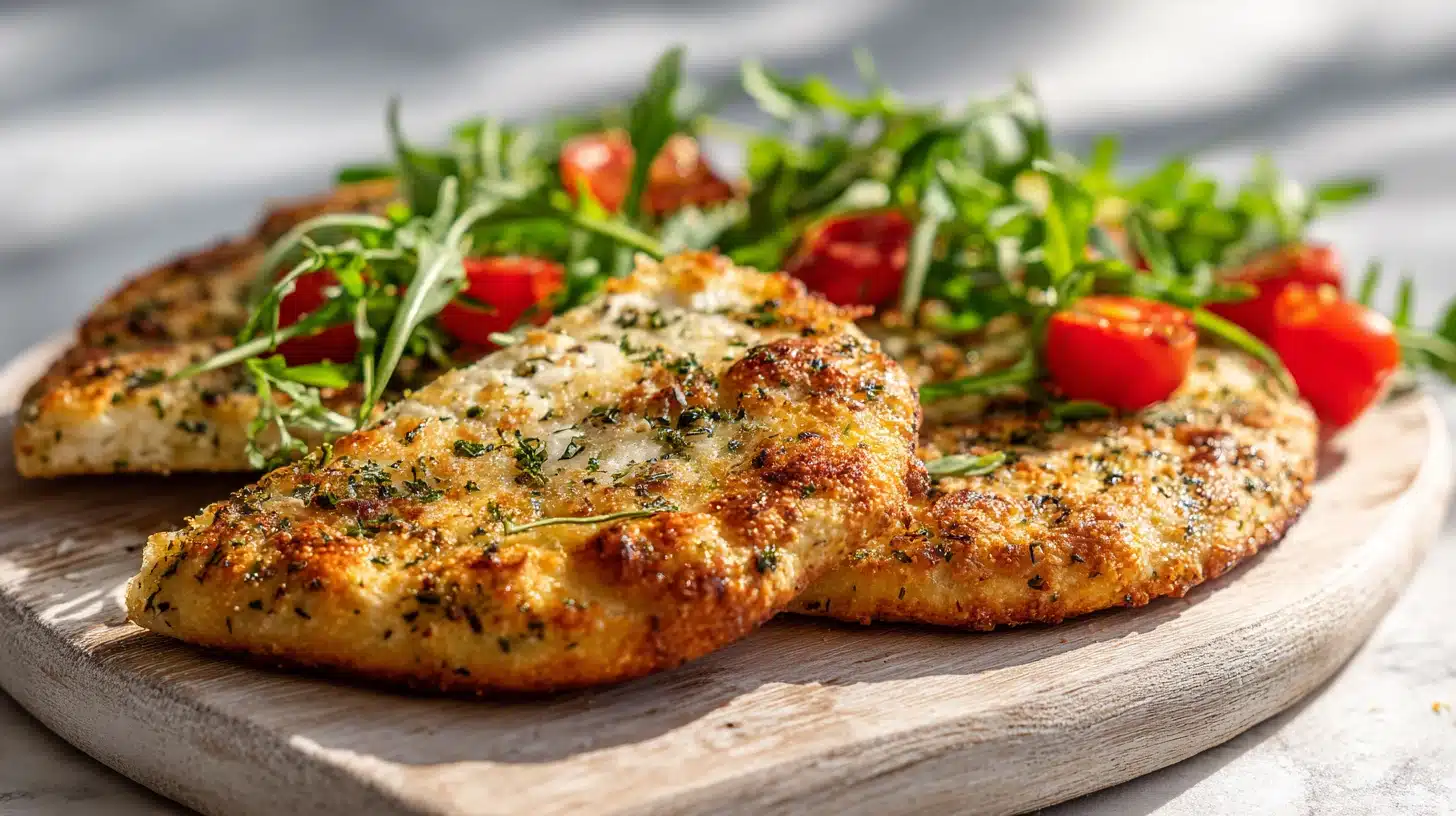
Most homemade flatbread recipes either crumble at the touch or turn gummy and wet in the center because the dough never properly binds. This version solves both problems by blending the cottage cheese smooth so the protein and egg fuse with the flour into a cohesive, sturdy flatbread.
You’ll walk away with a simple formula for high protein flatbread, the technique for getting a crisp surface with a tender chew, and several ways to customize the seasoning for whatever you are serving it with.
Table of Contents
What Makes Cottage Cheese Flatbread Different
If you have spent any time in the high protein cooking space, you already know that cottage cheese is having a moment. People are stirring it into pasta, whipping it into dips, and baking it into bagels. But cottage cheese flatbread stands apart from those recipes because it does something a little unexpected: it replaces the traditional yogurt or water base in flatbread dough with a protein rich dairy component that actually improves the texture.
Here is the thing. When you blend cottage cheese until it is completely smooth, it behaves almost like a thin ricotta or a thick batter. Combined with eggs, it creates a liquid base that hydrates the flour while adding structure. The eggs provide the binding power that holds everything together, and the cottage cheese contributes both moisture and protein. The result is a dough that bakes up sturdy enough to fold, tear, or slice without falling apart.
What sets this apart from other cottage cheese recipes is the versatility. Unlike a cottage cheese queso recipe that is meant to be scooped, or a dip that stays soft, this flatbread gets a real bake. The oven heat transforms the wet, blended mixture into something with an actual crust. The outside turns golden and slightly firm, while the inside stays soft and chewy. You get the satisfying mouthfeel of bread without needing yeast, a long rise, or any kneading whatsoever.
The protein content is another reason this recipe earns a permanent spot in your rotation. A single flatbread made with one cup of cottage cheese and two eggs delivers over 20 grams of protein. That makes it a smart choice for anyone trying to add more protein to breakfast, lunch, or snack time without relying on protein powders or processed alternatives. It is real food, made from ingredients you can pronounce, and it comes together in about five minutes of active work.
The texture is also worth calling out specifically. Because the cottage cheese is blended smooth, you do not get any curdy bits in the finished bread. People who are texture sensitive about cottage cheese often find that this preparation removes the objection entirely. The flatbread tastes mildly tangy, slightly savory, and neutral enough to pair with both sweet and savory toppings. Think of it as a blank canvas that happens to be packed with protein and ready in half an hour.
Print
Cottage Cheese Flatbread: The High Protein Bread You Will Make Again and Again
- Total Time: 35 min
- Yield: 1 flatbread 1x
- Diet: Vegetarian
Description
A simple high protein flatbread made by blending cottage cheese and eggs with self rising flour. Bake until golden and use it as a wrap, dipper, or pizza base.
Ingredients
For the flatbread:
1 cup cottage cheese (full fat or low fat)
2 large eggs
1 cup self-rising flour
1/2 tsp garlic powder
1/2 tsp Italian seasoning (optional)
1/4 tsp salt (if using homemade self-rising flour)
For baking:
Cooking spray (for parchment)
1 sheet parchment paper
Instructions
1. Preheat the oven to 375 degrees F. Line a baking sheet with parchment paper and spray it lightly with cooking spray.
2. Blend the cottage cheese and eggs in a food processor or blender until completely smooth with no visible curds, about 30 seconds. The mixture should look like a thin pourable batter.
3. Pour the blended mixture into a medium bowl. Add the self-rising flour, garlic powder, Italian seasoning, and salt. Stir with a spatula until a soft, slightly sticky dough comes together with no dry flour streaks remaining.
4. Transfer the dough to the center of the prepared parchment. Wet your hands with water and gently press the dough into a round or oval shape about 1/4 inch thick and roughly 8 inches across.
5. Bake at 375 degrees F for 30 minutes until the top is deep golden brown, the edges are firm, and the surface feels dry and springy when pressed lightly.
6. Cool the flatbread on the parchment for 5 minutes. The aroma will be warm and toasty with a hint of garlic, and the interior will finish setting as it rests.
7. Slice into wedges, strips, or tear into pieces. Serve warm with dips, use as a wrap, or top with your favorite spreads and toppings.
Notes
Store the cooled flatbread in an airtight container in the refrigerator for up to 4 days or in the freezer for up to 2 months. Reheat at 350 degrees F for 8 to 10 minutes until warm and crisp.
To make self-rising flour at home, combine 1 cup all-purpose flour with 1-1/2 tsp baking powder and 1/4 tsp salt.
For a lower carb version, substitute almond flour for the self-rising flour, but expect a more delicate texture that may not hold up as well for wraps.
For a sweet version, omit the garlic powder and Italian seasoning and add 1 tsp sugar and 1/2 tsp cinnamon to the dough.
- Prep Time: 5 min
- Cook Time: 30 min
- Category: Snack
- Method: Baking
- Cuisine: American
Nutrition
- Serving Size: 1 flatbread
- Calories: 320 kcal
- Sugar: 3 g
- Sodium: 650 mg
- Fat: 9 g
- Saturated Fat: 3 g
- Unsaturated Fat: 5 g
- Trans Fat: 0 g
- Carbohydrates: 38 g
- Fiber: 2 g
- Protein: 22 g
- Cholesterol: 190 mg
The Ingredients That Matter Most
One of the best things about cottage cheese flatbread is how short the ingredient list is. You do not need specialty flours, dough conditioners, or anything you cannot find at a standard grocery store. Let us walk through each component and why it matters.
The cottage cheese is the star. You want to use either full fat or low fat cottage cheese, both work well. The most important thing is to blend it until completely smooth in a food processor or blender before mixing it with the other ingredients. If you leave curds intact, the flatbread will have an uneven texture and may not bind properly. One cup of cottage cheese gives you the right moisture level for a single large flatbread. If you are scaling up, just maintain the ratio of one cup cottage cheese to one cup flour and two eggs per flatbread.
The eggs are your binder. Two large eggs provide enough structure to hold the flour and cottage cheese together through the baking process. Without them, the dough would spread and never set. The eggs also contribute to the golden color on top and add a few more grams of protein to the finished bread.
For the flour, self rising flour is the easiest option because it already contains baking powder and salt. If you do not have self rising flour on hand, you can make your own by combining one cup of all purpose flour with one and a half teaspoons of baking powder and a quarter teaspoon of salt. Some people also experiment with almond flour for a lower carb version, similar to a high protein cottage cheese crust, but the texture will be different and more delicate. For a first attempt, stick with wheat based self rising flour so you get a feel for how the dough should behave.
Seasoning is where you can get creative. Garlic powder is my default because it adds a savory depth without overpowering the mild cottage cheese flavor. Italian seasoning, onion powder, or even a pinch of black pepper all work beautifully. If you plan to use the flatbread for sweet applications, skip the savory spices and add a teaspoon of sugar or a dash of cinnamon instead. The base recipe is intentionally neutral so you can take it in any direction.
Finally, you need parchment paper and cooking spray. The parchment prevents the dough from sticking to the baking sheet, and a light spray of cooking oil on top of the parchment ensures the bottom of the flatbread does not get soggy. This combination is the difference between a flatbread that lifts cleanly off the pan and one that tears when you try to move it.
How to Make Cottage Cheese Flatbread Step by Step
Making cottage cheese flatbread is genuinely simple, but there are a few technique points that separate a good result from a great one. Let me walk you through the process with the kind of detail that ensures success on your first try.
Start by preheating your oven to 375 degrees F. This is the sweet spot for this recipe. Too hot and the outside burns before the center sets. Too low and the flatbread never develops that golden, slightly firm crust. Line a baking sheet with parchment paper and give it a quick spray with cooking spray. Set it aside.
Now comes the step that matters most: blending the cottage cheese. Put one cup of cottage cheese and two large eggs into a blender or food processor. Run it for about 30 seconds, stopping to scrape down the sides once if needed. You are looking for a completely smooth, pourable mixture with zero visible curds. This is the same principle behind cottage cheese flagels, where a smooth blend is essential for the right dough consistency. When the mixture looks like a thin batter, you are done.
Pour the blended cottage cheese and egg mixture into a medium bowl. Add one cup of self rising flour, half a teaspoon of garlic powder, and any additional seasoning you like. Stir with a spatula until everything comes together into a soft, slightly sticky dough. It will be wetter than traditional bread dough, and that is exactly right. You are not kneading this on a counter. You are just mixing until no dry flour streaks remain.
Transfer the dough to the center of your prepared parchment. Wet your hands with a little water, then gently press the dough outward into a round or oval shape. Aim for about a quarter inch thick and roughly eight inches across. The edges do not need to be perfect. A slightly rustic shape is part of the charm.
Bake at 375 degrees F for 28 to 30 minutes. You will know it is done when the top is a deep golden brown, the edges look firm and slightly darker, and the surface feels dry and springy when you press it lightly. If the center still looks wet or pale, give it another three to five minutes. Every oven runs a little differently, so trust your eyes and your fingertips more than the timer.
Let the flatbread cool on the parchment for about five minutes after it comes out of the oven. This resting period lets the interior finish setting and makes the flatbread easier to slice without tearing. The aroma at this point is wonderful, warm and slightly toasty with a hint of garlic. Cut it into wedges, strips, or tear it into pieces depending on how you plan to serve it.
Ways to Serve and Customize Your Flatbread
Once you have mastered the basic cottage cheese flatbread, the fun really begins. This recipe is a foundation you can build on in dozens of directions, and I want to give you some concrete ideas to get started.
For a quick lunch, think of the flatbread as a wrap. Let it cool slightly so it becomes pliable, then lay it flat and pile on your favorite fillings. Sliced turkey, hummus, cucumber, and spinach make a satisfying wrap. You could also spread it with mashed avocado and top with scrambled eggs for a protein packed breakfast. If you enjoy scrambled eggs with cottage cheese, you already know how well that flavor combination works, and tucking those eggs inside a warm flatbread takes it to another level.
For a snack or appetizer, cut the flatbread into wedges and serve it with dips. It pairs beautifully with marinara, olive oil and balsamic, tzatziki, or even a simple bowl of olive tapenade. The slight tang from the cottage cheese complements bold, salty dips without competing with them. The sturdy texture means the wedges hold up to heavy dips without breaking, which is something you cannot always say about store bought pita.
If you want to turn this into a meal, use the flatbread as a pizza base. Once it is baked, top it with marinara, mozzarella, and whatever vegetables or proteins you have on hand. Run it back under the broiler for two to three minutes until the cheese melts and bubbles. You get a homemade personal pizza with a protein rich crust and no yeast required. This is a great way to use up leftover vegetables or cooked meats from the week.
The seasoning in the dough is another place to experiment. Try adding a teaspoon of everything bagel seasoning, a half teaspoon of smoked paprika, or a tablespoon of fresh chopped herbs like rosemary or thyme. Each variation gives the flatbread a different personality. You can also brush the top with melted butter and a sprinkle of flaky sea salt right after it comes out of the oven for a finish that tastes like a fresh bakery bread.
Finally, do not overlook the sweet angle. Omit the garlic powder and add a teaspoon of sugar and a half teaspoon of cinnamon to the dough. Bake as directed, then serve warm with a drizzle of honey and a dollop of Greek yogurt. It makes a lovely breakfast or afternoon treat that still delivers solid protein. The cottage cheese bread community is full of creative variations, and once you are comfortable with the base recipe, you will find yourself adapting it to whatever you are craving.
Frequently Asked Questions
Is cottage cheese flatbread healthy?
Yes, cottage cheese flatbread is a nutritious choice compared to traditional flatbread. A single flatbread provides over 20 grams of protein from the cottage cheese and eggs, along with calcium and B vitamins. It contains no yeast, no added sugar, and no preservatives. If you use low fat cottage cheese and self rising flour, the fat content stays moderate while the protein remains high, making it a smart option for balanced meals.
Why is my cottage cheese flatbread falling apart?
The most common reason is that the cottage cheese was not blended smooth enough. Visible curds create weak spots in the dough that cause it to break. Another culprit is not using enough eggs or trying to skip them entirely, since eggs are what bind the flour and dairy together. Finally, if you try to move the flatbread before it has cooled for five minutes, the interior may still be too soft to hold its shape.
How do I make cottage cheese flatbread?
Blend one cup of cottage cheese with two eggs until completely smooth. Stir in one cup of self rising flour and seasonings until a soft dough forms. Press the dough onto a parchment lined baking sheet into a round about a quarter inch thick. Bake at 375 degrees F for 28 to 30 minutes until golden brown and firm to the touch. Cool for five minutes before slicing.
How does cottage cheese flatbread taste?
Cottage cheese flatbread has a mild, slightly tangy flavor that is more savory than plain bread but not strongly cheesy. The cottage cheese contributes a subtle dairy tang that pairs well with both sweet and savory toppings. The texture is soft and chewy on the inside with a golden, lightly crisp exterior. Most people find it tastes like a cross between a pita and a savory scone.
Conclusion
Cottage cheese flatbread is proof that simple ingredients can do remarkable things when you treat them with the right technique. By blending the cottage cheese smooth and letting the oven do the work, you get a sturdy, protein rich bread that works as a wrap, a dipper, or a pizza base. It solves the common problems of gummy centers and crumbly edges that plague many homemade flatbread attempts.
Give this recipe a try this week. It takes about five minutes of active prep and the results are worth every minute. Keep the base recipe handy because once you taste it, you will want to make it again with different seasonings and toppings.
For more recipes like cottage cheese flatbread, follow us on Facebook and Pinterest for high protein meal ideas.
More recipes in this series: