The mistake buried in every failed bagel attempt isn’t the yeast or the kneading. It’s the waiting, and Cottage Cheese Flagels skip it entirely, using a blender and two ingredients to deliver chewy, golden perfection without a single minute of proofing.
Homemade bagels usually chain you to a stand mixer, a vat of boiling water, and a 2-hour rise. This recipe ditches all that. In 40 minutes, you get a high-protein flatbread with a chewy crumb and crispy top, no yeast, no boil, and 10 grams of protein per serving.
You’ll walk away with the exact blending time that prevents a gritty texture, the oven rack position that guarantees even browning, and a simple swap if you only have small-curd cottage cheese. You’ll also learn the one topping that takes these flagels from good to unforgettable: everything bagel seasoning.
Table of Contents
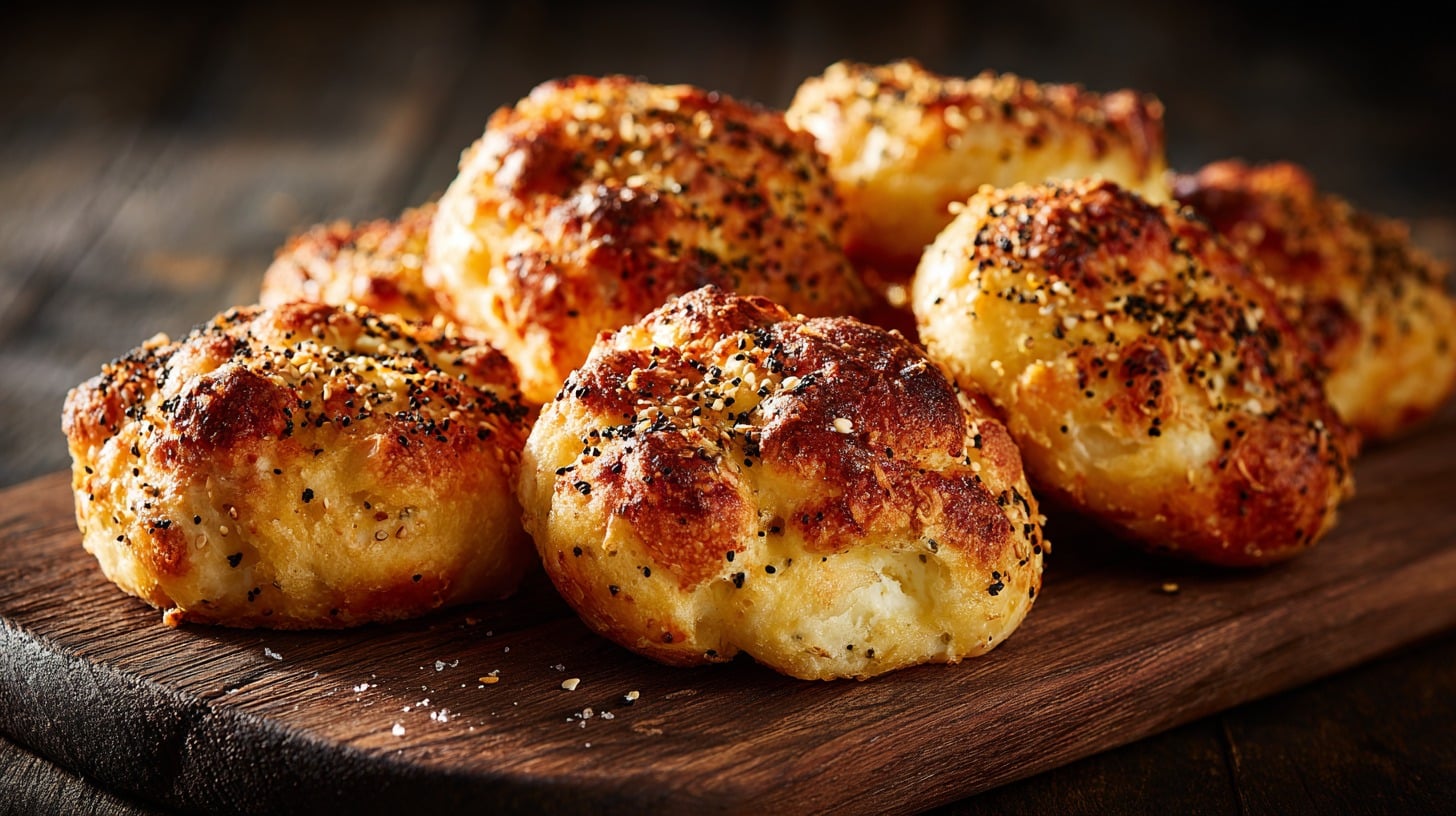
Table of Contents
Why You’ll Love This Recipe
What Makes This Version Special
I first tried a flagel at a tiny Brooklyn shop, all chewy crumb and crackly top, but impossible to recreate without a bakery steam-injected oven. These Cottage Cheese Flagels change the whole game. You need exactly two ingredients: full-fat cottage cheese and self-rising flour. No yeast, no boiling water, no stand mixer. Just a blender and a baking sheet.
What sets this apart from every other high-protein bagel alternative is the texture. Most recipes lean on Greek yogurt or eggs, which can turn gummy. Cottage cheese brings protein and enough moisture to create steam in a hot oven. That steam puffs the dough just enough to mimic a boiled bagel’s chew, without the pot of water. The result is a golden flatbread with an airy interior and crisp edges.
– Ready in 40 minutes with zero rise time
– 10 grams of protein per serving, no protein powder needed
– Works with small-curd cottage cheese if you drain it well
Blending eliminates the curds completely. I’ve made them with a food processor and an immersion blender, and both work. Just make sure the cottage cheese turns into a completely silky liquid before you add flour. If you’re after more ways to use cottage cheese in breakfast, these cottage cheese protein pancakes are equally fluffy and high in protein.
The Secret to Perfect Results Every Time
The real difference between a gritty, disappointing flagel and one with a chewy bakery-style bite comes down to one step: blending the cottage cheese until it’s absolutely smooth. I mean 30 seconds in a high-speed blender, scraping down the sides once. Even tiny lumps create a pebbly texture after baking. You want a thick, pourable consistency that looks like melted milkshake.
After you mix in the flour, the dough will be sticky, so don’t panic. Dust your hands and a parchment-lined sheet with enough flour to shape it without tearing. Then flatten the rounds to about half an inch thick. They won’t spread much, so that thickness determines the final height. Bake at 425°F on the middle rack. That position lets the bottoms crisp up while the tops brown evenly.
I always sprinkle everything bagel seasoning and a pinch of flaky salt right before they go in. The salt pulls out just enough moisture to help the top crackle. If you love savory cottage cheese dishes, the same blending trick makes cottage cheese pasta high protein incredibly creamy, smooth cottage cheese melts into a rich sauce without any heavy cream.
Print
2-Ingredient Cottage Cheese Flagels: High-Protein and So Easy
- Total Time: 40 min
- Yield: 4 flagels 1x
- Diet: Vegetarian
Description
A chewy, golden 2-ingredient bagel-flatbread with a crackly top and airy crumb. No yeast, no boiling, just blend cottage cheese with self-rising flour and bake.
Ingredients
For the flagels:
1 cup (240g) full-fat cottage cheese
1 cup (120g) self-rising flour
2 teaspoons everything bagel seasoning
Flaky sea salt, to taste
Instructions
1. Preheat oven to 425°F and line a baking sheet with parchment. Place the sheet inside to warm while you mix.
2. Blend the cottage cheese in a blender for 30 seconds until completely smooth and pourable, scraping down the sides once.
3. Pour into a bowl and stir in the self-rising flour with a spatula until a sticky dough forms. Avoid overmixing.
4. Divide the dough into 4 equal portions. With floured hands, flatten each into an oval about ½ inch thick on the prepared parchment.
5. Sprinkle tops with everything bagel seasoning and flaky salt. Bake for 22 to 25 minutes, rotating the pan halfway, until deep golden brown and the center springs back.
Notes
Blend the cottage cheese for a full 30 seconds until perfectly smooth, any lumps will create a pebbly texture.
If dough sticks while shaping, wet your hands lightly instead of adding more flour.
For best results, preheat the oven for at least 20 minutes and avoid overworking the dough.
Let flagels cool on the baking sheet for 5 minutes before transferring to a rack to finish cooking through.
Store in an airtight container at room temperature for up to 1 day.
- Prep Time: 10 min
- Rest Time: 5 min
- Cook Time: 25 min
- Category: Breakfast, Snack
- Method: Baking
- Cuisine: American
Nutrition
- Serving Size: 1 flagel
- Calories: 165 kcal
- Sugar: 2 g
- Sodium: 594 mg
- Fat: 3 g
- Saturated Fat: 2 g
- Unsaturated Fat: 1 g
- Trans Fat: 0 g
- Carbohydrates: 25 g
- Fiber: 0 g
- Protein: 10 g
- Cholesterol: 10 mg
Ingredients & Preparation
Active Time: 10 minutes Total Time: 40 minutes Yield: 4 flagels
Key Ingredients (And Smart Substitutions)
The ingredient list is short, but each plays a specific role. The full-fat cottage cheese melts into steam during baking, creating the chewy, airy crumb without yeast or boiling water. Self-rising flour brings just enough lift to keep the flagels light.
– 1 cup (240g) full-fat cottage cheese
– 1 cup (120g) self-rising flour
– 2 teaspoons everything bagel seasoning
– Flaky sea salt, to taste
Only have small-curd cottage cheese? Drain it in a mesh strainer for 5 minutes before blending. This removes excess liquid that would make the dough soupy. Then blend for a full 30 seconds until completely silky.
If you’re out of self-rising flour, whisk 1½ teaspoons baking powder and ¼ teaspoon salt into each cup of all-purpose flour. The dough may feel slightly stiffer. Just work a teaspoon of water in if needed. For a classic boiled bagel shape, these high protein cottage cheese bagels use the same two-ingredient base with a traditional water bath for an even chewier crust.
Prep Work That Saves Time
First, preheat the oven to 425°F and line a baking sheet with parchment. This gives the sheet a chance to get hot while you mix the dough, which helps the bottoms crisp up faster.
Drop the cottage cheese into a blender and whir for 30 seconds, stopping once to scrape down the sides. The liquid should look like a thick, pourable milkshake. Any tiny lumps will bake into a pebbly texture. Pour it into a bowl and stir in the self-rising flour with a silicone spatula. The dough will be sticky. Avoid overmixing once it comes together.
Lightly dust your hands and the parchment with flour, then divide the dough into four equal mounds. Flatten each one to about ½ inch thick. They won’t spread much, so that thickness sets the final height. Sprinkle the tops with everything bagel seasoning and flaky salt right before they go in.
Step-by-Step Baking Instructions
The 5-Step Method
- Preheat the oven to 425°F. Position a rack in the middle. A fully hot oven is non-negotiable. It forces steam out of the cottage cheese, puffing the dough before the crust sets. Slide the parchment-lined sheet in to warm while you mix. That hot surface gives the bottoms a head start on crisping.
- Blend the cottage cheese until silky. Dump it into a blender and run for 30 seconds, scraping down the sides once. Stop when the liquid looks like a thick, pourable milkshake with zero lumps. Any curds left behind bake into a pebbly, dry crumb. I’ve rushed this step and regretted it.
- Stir in the self-rising flour. Pour the cottage cheese mixture into a bowl, add the flour, and fold with a silicone spatula just until a shaggy, sticky dough forms. Overmixing builds gluten and turns the flagels tough. If the dough feels unbearably sticky, let it sit for 2 minutes. The flour absorbs moisture and becomes easier to handle.
- Shape with floured hands. Dust your palms and the parchment lightly with flour. Divide the dough into four equal mounds, then pat each into a flat oval about ½ inch thick. They barely spread, so the height you set now is the height you get. A light touch keeps them airy.
- Season and bake. Sprinkle the tops with everything bagel seasoning and a pinch of flaky salt. The salt draws out surface moisture, encouraging that crackly top. Bake for 22 to 25 minutes, rotating the pan once at the 15-minute mark for even browning.
Quick Note: If the dough sticks to your hands while shaping, wet them lightly with water instead of adding more flour. Extra flour can dry out the flagels.
While these bake, leftover cottage cheese transforms into the creamiest scrambled eggs with cottage cheese. Just blend until smooth and whisk into eggs before cooking.
How to Know When It’s Done
Set a timer for 22 minutes, but trust your senses over the clock. The tops should be deep golden brown with scattered darker spots where the seasoning toasted. Press the center lightly. It springs back with no indentation left behind. A pale, soft surface means they need another 2 to 3 minutes. If you own an instant-read thermometer, the center should hit 200°F. That’s the temperature where the starches have fully set and the interior crumb is chewy, not doughy.
I check the bottoms, too. Lift one flagel with a spatula. The underside should be a rich brown, not pale and soft. If you’re using dark baking sheets, start checking at the 20-minute mark. They transfer heat faster and can over-brown the base.
The most common mistake is pulling them out early because the tops look done. Cracks forming on the surface are actually a good sign. They mean the interior is steaming and expanding properly. Undercooked flagels collapse into a gummy disk as they cool.
Let them sit on the hot sheet for 5 minutes before moving to a rack. This carryover heat finishes any last bit of internal cooking and firms up the crust. Slice into one right away and steam will escape, a perfect sign. If you’re craving a sweet finish, a warm flagel goes beautifully with a scoop of baked apple cinnamon cottage cheese spooned over the top.
Chef’s Note: If your flagels feel heavy or dense after cooling, the oven wasn’t hot enough or the dough was handled too roughly. Next time, let the oven preheat a full 20 minutes and use a lighter hand shaping.
Storage, Troubleshooting & Serving Ideas
How to Store for Maximum Freshness
Keep your Cottage Cheese Flagels at room temperature for up to 1 day in a paper bag or under a clean towel. Plastic traps steam and turns the crust soft. For longer storage, seal them in an airtight container in the fridge. They stay good for 3 days.
Freezing works beautifully. Wrap each cooled flagel in parchment, then stash them in a zip-top freezer bag. They’ll keep for up to 1 month with no loss of texture.
| Storage Method | Duration | Best For |
|---|---|---|
| Room temp (paper bag) | 1 day | Next-day snacking |
| Refrigerator (airtight) | 3 days | Meal prep through the week |
| Freezer (parchment-wrapped) | 1 month | Make-ahead batches |
Reheat from the fridge in a 350°F oven for 5 to 7 minutes, or pop them in a toaster oven until the crust crackles again. A 15-second microwave zap works in a pinch, but the bottom won’t be crisp. Frozen flagels thaw overnight in the fridge, then reheat just like fresh ones. I’ve brought them straight from freezer to oven at 350°F for 10 minutes, flipping once halfway. The interior stays chewy and the outside gets crisp again.
Common Problems & Quick Fixes
| Problem | Solution |
|---|---|
| Dense, heavy texture | The oven wasn’t fully preheated or you overworked the dough. Next time, let the oven heat a full 20 minutes and mix just until the flour disappears. |
| Gummy or doughy center | Pulled them out too early. Bake until deep golden brown and check that the center hits 200°F on an instant-read thermometer. |
| Flat, squat shape | The dough rounds weren’t flattened to ½ inch thick, or the oven temp was too low. Pat them out firmly and confirm 425°F before baking. |
| Gritty mouthfeel | Tiny curds survived blending. Blend the cottage cheese for 30 full seconds, scraping down the sides, until it looks like a silky milkshake. |
These are fantastic straight from the oven, but leftovers open up even more possibilities. Split them for breakfast sandwiches, tear into pieces for dipping into soup, or spread with cream cheese and smoked salmon. For a punchy dinner, try them as a base for a savory cottage cheese beef bowl. The crust soaks up the juices without falling apart. If you’re craving something sweet, spread a thick layer of cottage cheese cookie dough on a warm flagel for a high-protein dessert that actually feels like a treat.
Cottage Cheese Flagels FAQ
Can I use low-fat cottage cheese instead of full-fat?
You can make them with low-fat cottage cheese, but they’ll turn out less rich and slightly drier because there’s less fat. If that’s all you have, add 1 teaspoon of olive oil to the blender. They won’t be quite as chewy, but still delicious.
Why aren’t the tops getting crispy and golden?
For a crispy top, ensure your oven is fully preheated to 425°F and your baking sheet is hot from the start. The flaky salt draws out surface moisture, helping the crust crackle. If they’re still pale, bake 3 more minutes.
What’s the best way to reheat leftovers so they taste fresh?
Reheat refrigerated flagels in a toaster oven or 350°F oven for 5 to 7 minutes until the crust crackles again. A microwave will soften them and make the bottom soggy. Frozen ones can go straight from freezer to a 350°F oven for about 10 minutes, flipping halfway.
Can I make these gluten-free?
You can make gluten-free flagels by swapping the self-rising flour with a gluten-free 1:1 baking blend plus 1½ teaspoons baking powder and ¼ teaspoon salt per cup. The dough will feel stickier, so dust your hands generously. They won’t rise as high, but the edges still crisp up nicely.
Why don’t these flagels need a water bath like regular bagels?
They skip the boil because full-fat cottage cheese contains enough moisture to create steam in a 425°F oven. That steam puffs the dough and sets the crust quickly, giving you a chewy bite without the pot of water. It’s the same two-ingredient trick that makes them so quick.
Make These Cottage Cheese Flagels This Weekend
Blending cottage cheese silky-smooth and baking at 425°F gives you chewy, golden flagels with a crackly top, no yeast, no boiling. The flavor and texture alone make them worth the tiny effort.
I often double the batch and freeze half. They reheat into quick weekday breakfasts with a crisp crust. Try them this weekend with everything seasoning and a swipe of cream cheese.
Do you stick with classic everything seasoning, or have a favorite creative topping?
For more recipes like these, follow us on Facebook and Pinterest for high-protein baking shortcuts and quick breakfast inspiration.
More recipes in this series: