I still remember the first time I tried a high protein tuna dip that did not taste like a sad, watery diet snack. It was at a cramped apartment party, and someone had blended canned fish with something unexpectedly creamy. That bite changed my entire perspective on this pantry staple.
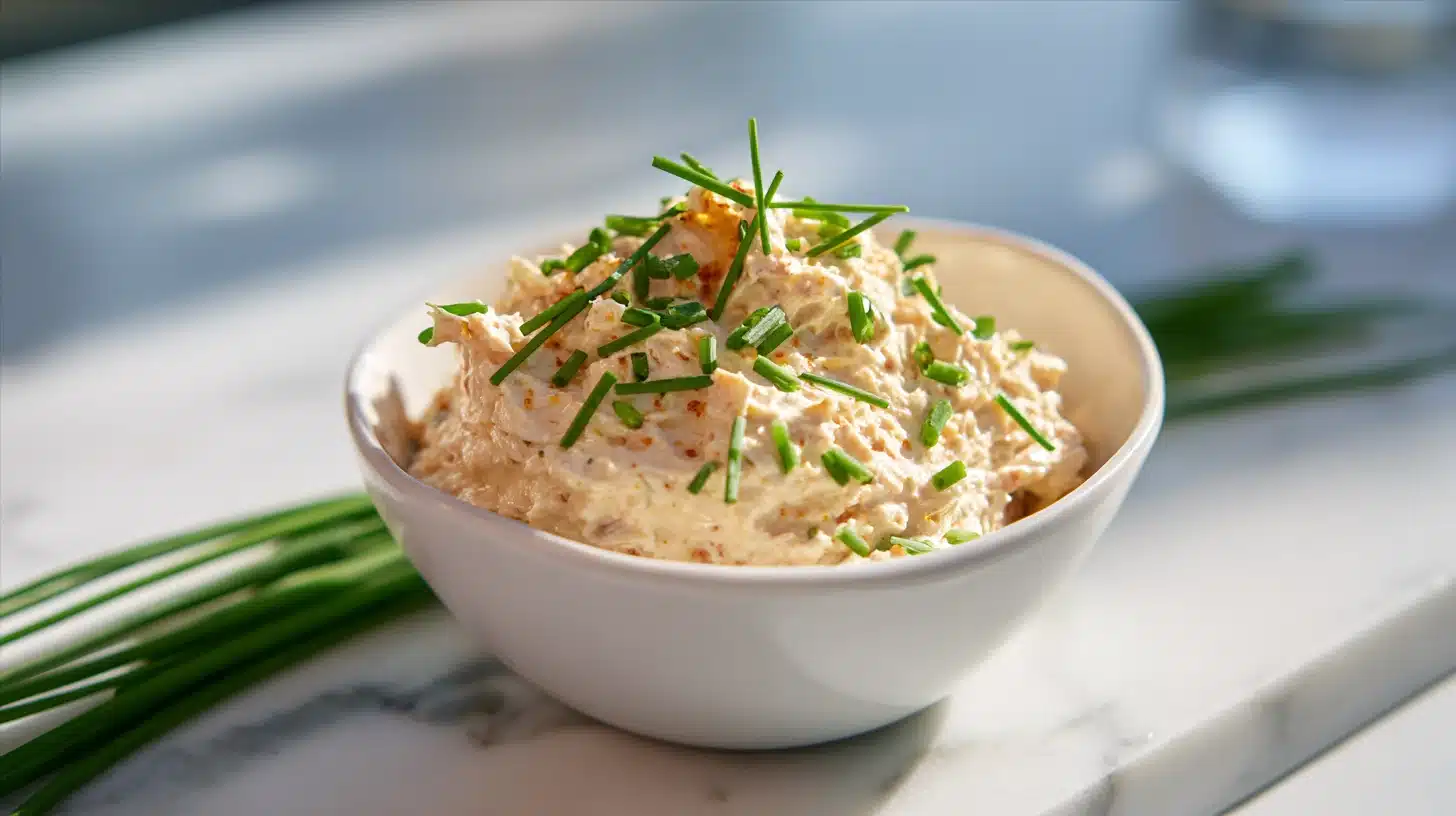
Most tuna dips fail because they rely on a heavy mayonnaise base that separates into a greasy, watery mess after an hour on the counter. This version uses a blended cottage cheese base that stays thick, creamy, and structurally sound without feeling heavy or greasy.
This guide covers the exact ratio of tuna to dairy for optimal thickness, how to choose the right canned tuna variety for texture, and the best dipping vehicles to keep your meal low carb. You will never look at a can of fish the same way.
Table of Contents
Why Cottage Cheese Transforms This Tuna Dip
When you set out to make a high protein tuna dip, the base you choose dictates the entire experience. Traditional recipes lean heavily on mayonnaise, which offers a slick texture but brings a heavy fat load and tends to weep water when sitting at room temperature. Sour cream is another popular choice, but it can overpower the delicate flavor of the fish with too much tang. By swapping these out for cottage cheese, you change the entire nutritional profile and texture of the dip.
Blending cottage cheese until completely smooth takes it from a lumpy breakfast food to a velvety, luxurious spread that mimics the mouthfeel of a rich mascarpone. The neutral, slightly dairy-sweet flavor acts as a blank canvas for the savory tuna and sharp Dijon mustard. Because cottage cheese is naturally dense and holds onto moisture, your high protein tuna dip will not turn soupy. It stays thick enough to hold a cracker straight up without it toppling over.
The protein density is where this ingredient truly shines. A single half cup of cottage cheese packs about 12 grams of protein on its own. When you combine it with tuna and hard boiled eggs, you create a snack that keeps you full for hours. You are not just eating empty calories; you are getting a substantial nutritional payoff. The cottage cheese also introduces a pleasant, mild tang that pairs perfectly with the briny notes of the canned fish. If you enjoy utilizing dairy in savory applications, you might find inspiration in our cottage cheese pasta high protein dish, which uses a similar blending technique for a completely different texture.
To get the best results, use small curd cottage cheese and blend it in a mini food processor or with an immersion blender for about thirty seconds. You want it completely smooth before adding the flaked tuna. If you add the fish before blending, you end up with a paste that feels overworked and mushy. Keep the fish flaky and fold it into the smooth dairy base by hand. This keeps your creamy tuna dip full of distinct, tender bites of fish rather than turning into a uniform paste. The contrast between the velvety cottage cheese and the hearty chunks of tuna is what makes this recipe texturally satisfying. You can also use this dairy blending trick for other dishes, similar to how we approach our high protein cottage cheese baked ziti, where blending creates a seamless sauce.
Print
The Ultimate High Protein Tuna Dip You Will Actually Crave
- Total Time: 24 min
- Yield: 4 servings 1x
- Diet: Low Carb
Description
A thick and creamy high protein tuna dip made with blended cottage cheese, flaked albacore tuna, and grated hard boiled eggs. Seasoned with sharp Dijon mustard and cracked black pepper, it is perfect for dipping crisp vegetables or spreading on a low carb wrap.
Ingredients
For the base:
1 cup small curd cottage cheese
2 cans chunk white tuna (albacore, 5 ounces each, water packed)
2 large hard boiled eggs (grated)
For the flavor:
1 tbsp Dijon mustard
1/2 tsp freshly cracked black pepper
1 tbsp fresh chives (chopped for garnish)
Instructions
1. Drain the cans of tuna thoroughly by pressing the lid firmly against the fish to extract all excess water. Flaky, dry tuna is essential for a thick dip.
2. Place the cottage cheese in a mini food processor or use an immersion blender and process until completely smooth and velvety, about thirty seconds.
3. Transfer the smooth cottage cheese to a mixing bowl. Grate the hard boiled eggs directly into the bowl using a fine mesh grater so they blend seamlessly into the dairy.
4. Add the Dijon mustard and freshly cracked black pepper to the bowl and stir until the mixture turns a uniform, bright yellow color.
5. Gently fold the drained tuna into the creamy base using a fork. Keep the fish in distinct chunks rather than mashing it into a paste.
6. Taste the dip and adjust the pepper if needed. Garnish with fresh chopped chives and serve immediately with cucumber planks or bell pepper strips.
Notes
Store in the refrigerator for up to 3 days in an airtight glass container. Press plastic wrap directly onto the surface to prevent browning.
Do not freeze this dip as the cottage cheese and eggs will separate and become watery upon thawing.
For a smoother dip, use chunk light tuna instead of albacore, as it breaks down into finer flakes.
If your cottage cheese is particularly tangy, a tiny pinch of sugar will balance the sharpness of the Dijon mustard.
Boil the eggs for exactly 9 minutes to achieve a bright, yellow yolk without the gray ring.
- Prep Time: 15 min
- Cook Time: 9 min
- Category: Snack
- Method: Stovetop
- Cuisine: American
Nutrition
- Serving Size: 1/4 of the dip
- Calories: 182 kcal
- Sugar: 3 g
- Sodium: 524 mg
- Fat: 5 g
- Saturated Fat: 2 g
- Unsaturated Fat: 3 g
- Trans Fat: 0 g
- Carbohydrates: 4 g
- Fiber: 0 g
- Protein: 28 g
- Cholesterol: 112 mg
Choosing the Right Canned Tuna for Texture and Flavor
The canned tuna you select dictates everything about your high protein tuna dip. Walking down the grocery aisle presents a few distinct options, and understanding the difference between them ensures your dip turns out perfectly every time. The two main contenders are chunk light tuna and chunk white tuna, usually albacore. They behave differently when folded into a dense spread, and choosing the wrong one can leave you with a dip that is either too mushy or too dry.
Chunk light tuna is typically skipjack or yellowfin. It has a darker color, a more pronounced fish flavor, and a softer texture. Because it is softer, it breaks down easily when mixed. If you prefer a high protein tuna dip that is smoother and more uniform, chunk light is your best bet. It shreds into fine flakes that blend seamlessly into the cottage cheese base. However, you must drain it thoroughly, as it carries more water than white tuna. Give the can a firm press with the lid to extract every last drop of liquid, or your healthy tuna dip will turn runny.
Chunk white tuna, usually albacore, is paler, milder, and holds its shape in firm, meaty steaks. If you want a dip with big, satisfying chunks of fish that require a little chewing, choose albacore. The milder flavor works well if you are serving picky eaters who might not love a strong fishy taste. Because albacore is naturally drier, it absorbs the moisture from the cottage cheese beautifully. When you mix it, be gentle. Use a fork to fold the fish into the dairy rather than stirring aggressively. You want to maintain those beautiful, firm curds of tuna.
Do not overlook the packing liquid. Tuna packed in water is the standard for protein-focused recipes because it keeps the calorie count low and lets the pure flavor of the fish shine. Tuna packed in oil has a richer mouthfeel, but it can make the dip feel heavy and greasy when combined with dairy. Stick to water packed tuna for the lightest, freshest result. If you want to explore other protein packed pantry staples, our high protein black chickpeas salad offers another great way to use canned goods. Remember that a good protein tuna dip relies entirely on the quality of its namesake ingredient, so buy the best can you can afford.
Tested Substitutions for Your High Protein Tuna Dip
Part of developing a great recipe is understanding how it adapts to what you actually have in your refrigerator. I ran this high protein tuna dip through a dozen variations to see how it holds up when you are missing an ingredient or need to accommodate a dietary preference. The results below come from direct experience, so you know exactly what to expect before you start mixing.
| Swap | Use Instead | What Changes |
|---|---|---|
| Cottage Cheese | Greek Yogurt | Tangier flavor, slightly looser texture that firms up after an hour in the fridge |
| Canned Tuna | Canned Salmon | Stronger fish flavor, softer texture, and a pinkish hue throughout the dip |
| Hard Boiled Eggs | Chopped Avocado | Creamier mouthfeel, milder taste, dip will brown if left out too long |
| Dijon Mustard | Whole Grain Mustard | Milder heat, visible seeds add a pop of texture and a rustic look |
| Black Pepper | Crushed Red Pepper Flakes | Adds a bright, sharp heat instead of mild warmth, changes the aroma completely |
If you do not have cottage cheese on hand, Greek yogurt is the most reliable swap. The dip will be tangier and slightly looser right out of the bowl, but it thickens up nicely after a brief chill. If you want to skip the dairy entirely, mashed avocado works, but it changes the flavor profile entirely and introduces a green tint. You lose some of the classic deli style flavor, but you gain a rich, buttery consistency. When substituting the hard boiled eggs, remember that they provide a dense, chalky bite that balances the creamy base. Without them, the dip can feel too smooth, so adding a crunch factor like chopped celery or radishes becomes necessary.
The Dijon mustard is a critical flavor bridge. It cuts through the richness of the dairy and the fat in the egg yolks. If you swap it for a milder yellow mustard, the dip will taste flat. Always taste your substituted ingredients before mixing them in. For instance, if your Greek yogurt is particularly sour, you might need a tiny pinch of sugar to balance the brine of the tuna. If you love experimenting with high protein ingredient swaps, check out our high protein cottage cheese bagels for another flexible base recipe.
Perfect Dippers: What to Eat with Tuna Instead of Bread
A high protein tuna dip is only as good as what you scoop it with. While crackers and toasted bread are the standard, they add empty carbohydrates that can spike your blood sugar and leave you hungry an hour later. If you want to keep this snack low carb and nutrient dense, you need dippers that bring their own texture and flavor to the party.
Crunch is the most important factor. The dip is soft and creamy, so you need something that snaps when you bite into it. Cucumber slices are a classic choice. Use an English cucumber so you do not have to deal with watery seeds, and slice it on the bias to create long, sturdy planks. The cool, crisp water content of the cucumber contrasts beautifully with the savory, dense dip. Bell pepper strips are another excellent option. Red and yellow peppers offer a sweet, fruity crunch that pairs perfectly with the briny tuna. Cut them wide enough so they do not snap under the weight of a thick scoop.
If you want something more substantial, endive leaves are a fantastic, elegant vessel. Their slight bitterness cuts through the richness of the cottage cheese and eggs. Simply trim the bottom off the endive head and peel away the leaves to create natural, scoop shaped boats. For a heartier bite, thickly sliced radishes provide a peppery bite that wakes up the whole dish. You can also use blanched green beans or asparagus spears if you are serving this as a party appetizer. The earthy, slightly grassy flavor of the vegetables matches the tuna surprisingly well.
If you are packing this for lunch, pack the dip and the dippers in separate containers to prevent everything from getting soggy. You can even use this high protein tuna dip as a sandwich filling. Spoon it into a crisp lettuce wrap or scoop it into hollowed out tomatoes for a light, refreshing meal. If you enjoy low carb wraps, you will love our high protein cottage cheese wraps, which make a perfect vehicle for this exact spread.
Building Flavor: The Role of Eggs, Mustard, and Pepper
A high protein tuna dip lives or dies by its seasoning. Because the base ingredients are naturally mild, you must build flavor deliberately. Canned tuna, cottage cheese, and hard boiled eggs are all somewhat neutral on their own. They provide an excellent foundation, but they need a push to become truly delicious. This is where the supporting cast steps in.
Hard boiled eggs do more than add protein. The yolks bring a rich, fatty element that coats the tongue and rounds out the sharp edges of the canned fish. When you grate the boiled eggs instead of chopping them, they melt seamlessly into the cottage cheese base. This creates a uniform, golden creaminess throughout the dip. The whites add a tender, firm bite. Boil the eggs for exactly nine minutes for a yolk that is set but still bright yellow, avoiding the gray ring that overcooking causes.
Dijon mustard is the heavy lifter in the flavor department. Just one tablespoon acts as a binder and a flavor enhancer. The sharp, acidic bite of the mustard cuts through the dense dairy and the oily fish, waking up the palate. It provides a subtle heat that lingers in the back of your throat without overpowering the delicate tuna. Do not substitute this with sweet yellow mustard, as it will make the dip taste like a sandwich spread.
Black pepper is the final touch. Freshly cracked black pepper is non negotiable. It adds a woody, floral heat that pre ground pepper cannot match. The grind should be coarse so it adds visual appeal and a distinct crunch. If you look at the recipe, you will notice there is no added salt. Canned tuna is naturally rich in sodium, and cottage cheese contains a fair amount as well. Adding salt on top of that pushes the dip into an unpleasant, dehydrating territory. The Dijon mustard and the natural salt from the sea provide all the seasoning you need.
Meal Prep and Storage Strategies
One of the best things about this high protein tuna dip is how well it holds up over time. Unlike salads that wilt or dips that weep and separate, this recipe is built to last. If you are trying to eat more protein throughout the week, making a double batch of this dip on Sunday sets you up for several days of quick, satisfying lunches and snacks.
To store it properly, transfer the dip to an airtight glass container. Glass is better than plastic because it does not absorb the smell of the fish. Press a piece of plastic wrap directly onto the surface of the dip before sealing the lid. This prevents air from reaching the top layer, which keeps the cottage cheese and eggs from oxidizing and turning brown. Stored this way, the dip will stay fresh in the refrigerator for up to three days. The texture actually improves after a few hours in the fridge, as the flavors have time to meld and the cottage cheese base firms up to a perfect, spreadable consistency.
Do not freeze this dip. The water content in the cottage cheese and the hard boiled eggs will form ice crystals, and when it thaws, the entire mixture will break down into a watery, grainy mess. The texture cannot be salvaged once it has been frozen. Keep it strictly refrigerated. When you are ready to eat, scoop out only what you plan to consume and leave the rest in the cold container. Letting the whole bowl sit out on the counter repeatedly will introduce warm air and bacteria, shortening its shelf life.
If you are packing this for work or a picnic, keep it chilled with an ice pack. The dip is best served cold, straight from the refrigerator. If you want to serve it at a party, you can nestle the bowl inside a larger bowl filled with ice to keep it safe and cold for a couple of hours. Always stir the dip briefly before serving if it has been sitting, as some natural liquid from the tuna might rise to the top. For more meal prep friendly ideas, our high protein quinoa salad pairs beautifully with this dip for a complete, make ahead lunch.
Frequently Asked Questions
What can I eat with tuna instead of bread?
You can eat tuna dip with cucumber planks, bell pepper strips, celery sticks, or endive leaves for a low carb option. For something more substantial, try scoop shaped romaine leaves, thickly sliced radishes, or blanched asparagus spears. The key is choosing something crunchy to contrast the creamy dip.
What’s the difference between chunk light and chunk white tuna?
Chunk light tuna comes from smaller fish like skipjack, has a darker color, a stronger flavor, and a softer texture that breaks down easily. Chunk white tuna is usually albacore, which is paler, milder, and holds firm, meaty chunks. White tuna is better for a chunky dip, while light tuna creates a smoother spread.
Can I eat canned tuna everyday?
While canned tuna is a great source of protein, eating it every single day might expose you to too much mercury. Chunk light tuna has lower mercury levels than albacore. To be safe, vary your protein sources throughout the week and limit albacore consumption to a few servings weekly.
Why is there no salt in this recipe’s ingredients list?
There is no added salt because canned tuna naturally contains a significant amount of sodium from the packing and preservation process. Cottage cheese also contains sodium. The Dijon mustard adds a sharp, salty bite on its own, so adding more salt would make the dip taste over seasoned and unbalanced.
Can I make this dairy free?
Yes, you can make it dairy free by swapping the cottage cheese for a thick, dairy free yogurt or a blended cashew cream. Keep in mind that the protein content will drop significantly without the dairy. You may also need to add a pinch of salt if your dairy free alternative is unsalted.
How long does high protein tuna dip last in the fridge?
This dip lasts for up to three days in an airtight container in the refrigerator. Press plastic wrap directly onto the surface to prevent oxidation. Do not freeze it, as the cottage cheese and eggs will separate and become watery when thawed. Stir it briefly before serving.
Conclusion
This high protein tuna dip proves that high protein snacking does not have to mean dry chicken breasts or chalky shakes. It takes a humble can of pantry fish and turns it into a creamy, satisfying spread that works for quick lunches, party platters, or post workout fuel. By using cottage cheese and hard boiled eggs, you get a thick, luxurious texture that stays stable and never turns watery.
Start with a half batch tonight and see how it transforms your afternoon snacking routine. It is low risk, highly rewarding, and ready in minutes without ever turning on the stove.
For more recipes like high protein tuna dip, follow us on Facebook and Pinterest for high protein meal prep ideas.
More recipes in this series: