The best resistant starch potato salad I ever made started with a mistake: I forgot to dress the potatoes before putting them in the fridge overnight.
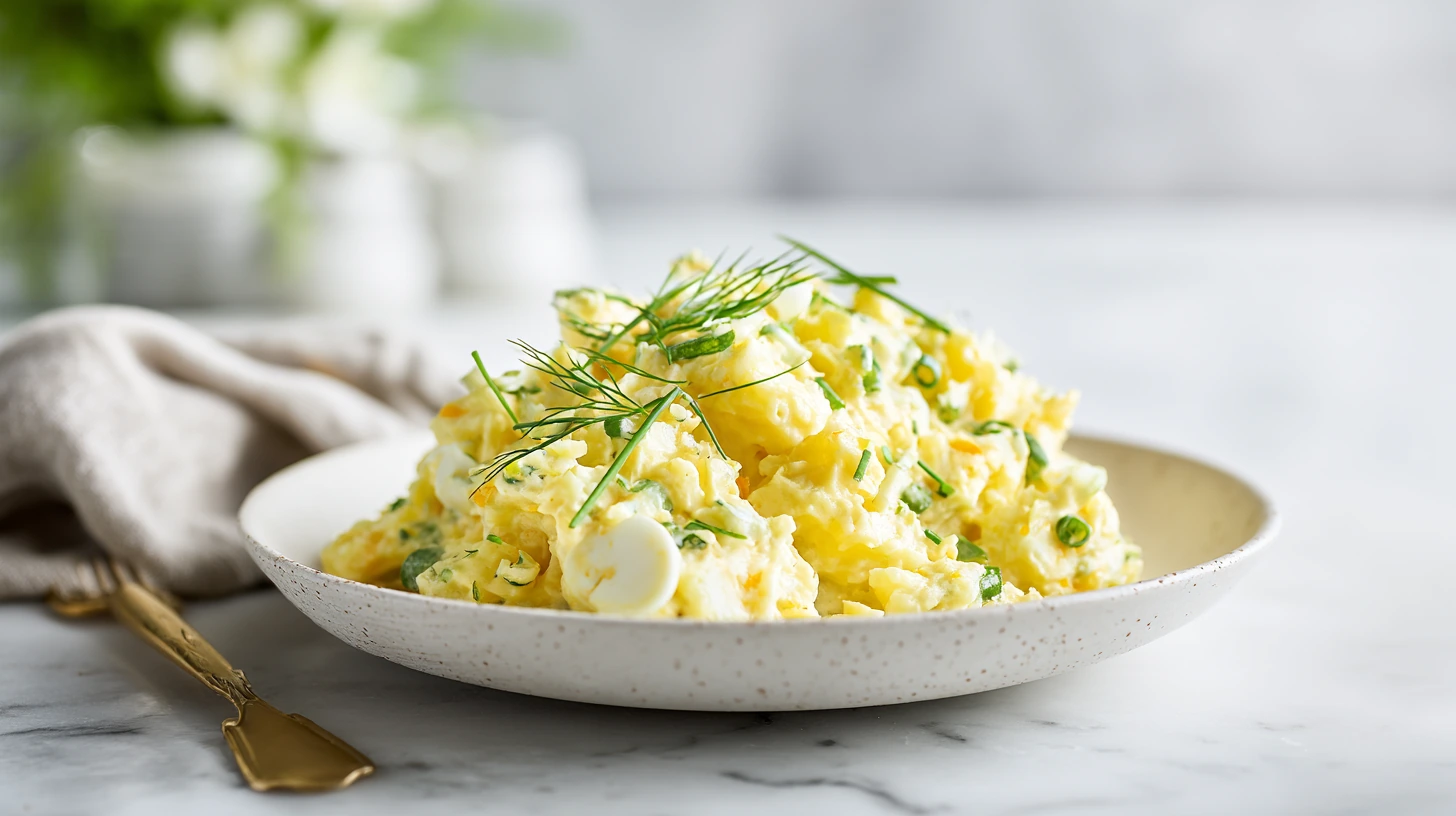
Most people worry about potato salad being too heavy, too rich, or too likely to spike blood sugar at a summer cookout. This recipe solves all three by using a simple science-backed cooling step and a lighter Greek yogurt dressing that stays creamy without being cloying.
This guide covers how resistant starch actually forms in cooled potatoes, which potato varieties give you the most benefit, and how to build a dressing that makes every bite taste intentional.
Table of Contents
What Is Resistant Starch and Why Does It Matter in Potato Salad?
If you have ever felt better after eating cold leftover potatoes than fresh hot ones, there is a real biological reason for that. Resistant starch is a type of carbohydrate that your small intestine cannot fully digest. Instead, it travels intact to your large intestine, where it feeds beneficial gut bacteria and acts as a prebiotic. The result is slower blood sugar absorption, longer-lasting satiety, and less of an insulin spike than you get from freshly cooked hot potatoes.
How retrogradation creates resistant starch
The process is called retrogradation. When you cook a potato, the starch granules swell and gelatinize, making them easy for digestive enzymes to break down quickly. But when you cool those cooked potatoes, something interesting happens: the starch molecules reorganize into tight, crystalline structures that resist digestion. This is not a myth or a wellness trend. Peer-reviewed research confirms that cooling cooked potatoes increases their resistant starch content measurably, with some studies showing a rise from roughly 3 grams per 100 grams to over 5 grams per 100 grams after overnight refrigeration.
For a potato salad, this is genuinely exciting because the dish is already served cold. You are not changing anything about how you enjoy the food. You are simply planning ahead and letting chemistry do the work while you sleep.
Does the type of potato matter?
Yes, and this is where a lot of recipes go wrong. Starchy potatoes like russets are fluffy and light when hot, but they fall apart when cooled and dressed, turning your salad into a gluey, dense mess. For a gut-healthy potato salad, you want waxy or semi-waxy potatoes.
The best choices are:
- Yukon Gold potatoes: semi-waxy with a naturally buttery flavor and enough firmness to hold their shape after cooling
- Red potatoes: fully waxy, with a thin skin you can leave on for extra fiber and color
- Fingerling potatoes: dense and creamy, excellent for smaller bite-sized pieces
Yukon Golds are the gold standard here, and they are what this recipe uses. Their naturally creamy interior gets even more structured after cooling, making them the perfect vehicle for a herby, tangy dressing.
If you love potato-forward salads with creative flavor profiles, the labne crispy potato salad on Forkful Daily shows just how much texture and brightness you can get from potatoes with the right approach.
Print
Resistant Starch Potato Salad: The Cold Potato Trick That Changes Everything
- Total Time: 524 min
- Yield: 4 servings 1x
- Diet: Gluten Free
Description
A cold potato salad made with Yukon Gold potatoes, Greek yogurt dressing, and fresh herbs. The potatoes are cooked, seasoned warm, and chilled overnight so resistant starch forms naturally. The result is a creamy, tangy salad that is good for gut health and easy to make ahead for cookouts, lunches, or weeknight dinners.
Ingredients
For the potatoes:
2 lbs Yukon Gold potatoes (cut into 1-inch chunks, skin on or off)
1 tablespoon olive oil
1 tablespoon fresh lemon juice
1/2 teaspoon kosher salt
For the dressing:
1 cup plain full-fat Greek yogurt
3 tablespoons avocado oil mayo
1 tablespoon Dijon mustard
1 tablespoon apple cider vinegar
1 tablespoon fresh lemon juice
1/2 teaspoon garlic powder
1/2 teaspoon kosher salt
1/4 teaspoon black pepper
For the mix-ins:
2 stalks celery (thinly sliced on the diagonal)
1/4 cup red onion (thinly sliced)
1/2 cup frozen peas (thawed)
3 tablespoons fresh dill (roughly chopped)
3 tablespoons fresh flat-leaf parsley (roughly chopped)
4 strips bacon (cooked until crispy and crumbled, optional)
Instructions
1. Place the potato chunks in a large pot and cover with cold water. Add a generous pinch of salt and bring to a boil over high heat, then reduce to a steady simmer. Cook for 13 to 15 minutes until a fork slides in easily but the centers still hold their shape. Drain immediately and spread the potatoes in a single layer on a rimmed baking sheet.
2. While the potatoes are still warm, drizzle them with the olive oil and 1 tablespoon of lemon juice and season with 1/2 teaspoon salt. Toss gently to coat. The warm potatoes will absorb the seasoning all the way through. Let them cool on the baking sheet at room temperature for 30 minutes.
3. Transfer the cooled potatoes to an airtight container and refrigerate for at least 8 hours or overnight. This chilling period is when the starch retrogrades and resistant starch forms. Do not skip this step.
4. When you are ready to assemble, make the dressing by whisking together the Greek yogurt, avocado oil mayo, Dijon mustard, apple cider vinegar, remaining lemon juice, garlic powder, salt, and black pepper in a medium bowl until smooth and creamy. Taste and adjust seasoning as needed.
5. Remove the chilled potatoes from the fridge. Add the dressing, celery, red onion, peas, and half the dill and parsley. Fold gently with a rubber spatula, taking care not to break the potato chunks. The dressing should coat every surface in a glossy, creamy layer.
6. Let the assembled salad rest for 10 minutes at room temperature so the flavors settle. Transfer to a serving bowl and top with the remaining fresh dill and parsley. Crumble the crispy bacon over the top just before serving if using, so it stays crunchy against the cool, creamy potatoes.
Notes
Store in an airtight container in the refrigerator for up to 4 days. Do not freeze as freezing will make the potato texture grainy after thawing.
For a fully dairy-free version, replace the Greek yogurt with a thick plain coconut yogurt or cashew-based sour cream and use your preferred egg-free mayo.
For maximum resistant starch, chill the potatoes for a full 12 hours before assembling. Do not reheat the finished salad as heat breaks down resistant starch.
Red potatoes or fingerling potatoes can be used in place of Yukon Golds. Avoid russet potatoes as they break apart when chilled and dressed.
- Prep Time: 22 min
- Rest Time: 480 min
- Cook Time: 22 min
- Category: Salads, Side Dishes
- Method: No-Cook, Stovetop
- Cuisine: American
Nutrition
- Serving Size: 1 cup
- Calories: 310 kcal
- Sugar: 5 g
- Sodium: 480 mg
- Fat: 16 g
- Saturated Fat: 4 g
- Unsaturated Fat: 12 g
- Trans Fat: 0 g
- Carbohydrates: 32 g
- Fiber: 4 g
- Protein: 10 g
- Cholesterol: 22 mg
The ingredients that make this gut-healthy potato salad shine
Every ingredient in this recipe pulls its weight. A few of them actively work alongside the resistant starch to make this a legitimately low-glycemic potato salad.
The dressing
The dressing is built on a base of plain Greek yogurt and a small amount of avocado oil mayo. Greek yogurt brings live cultures that support gut health, plus a mild tang that mimics the richness of a full mayo dressing without as much saturated fat. Avocado oil mayo rounds out the creaminess and gives the dressing a glossy coat that clings to every potato wedge.
You will also add:
- Dijon mustard: sharp and slightly acidic, it emulsifies the dressing and keeps it from breaking
- Fresh lemon juice: brightness that cuts through the creaminess and keeps the dressing tasting fresh after hours in the fridge
- A splash of apple cider vinegar: adds depth and a subtle tang that plays off the starch in the potatoes
The role of acid here matters. Acids like lemon juice and vinegar help stabilize resistant starch slightly, and they brighten every other flavor in the bowl. If you want to understand more about how these two acids work in cooking, check out this piece on apple cider vinegar and lemon juice.
The mix-ins
The herbs and vegetables you add to a prebiotic potato salad matter as much as the dressing. Fresh dill is non-negotiable. Its anise-like, slightly grassy fragrance turns a plain dressed potato into something that smells like a farmers’ market on a Saturday morning. Fresh flat-leaf parsley adds color and a clean, green bite.
For crunch and texture, you need:
- Celery: thin-sliced on the diagonal so it contributes crunch without feeling raw or aggressive
- Red onion or green onions: red onion brings a sharp bite and beautiful color, green onions are milder and better if you are serving kids or anyone sensitive to alliums
- Peas or artichoke hearts (optional): peas add sweetness and a pop of green, artichoke hearts add a briny, savory note and extra prebiotic fiber
Bacon is listed as optional but genuinely excellent here. Four slices of crispy bacon, crumbled over the top just before serving, add a smoky, salty crunch that contrasts with the cool, creamy potatoes. People always go back for a second scoop.
How to make resistant starch potato salad step by step
The technique for this cold potato salad recipe is straightforward, but the timing is what makes it work. You need to plan for an overnight chill, which is where the resistant starch magic happens.
Step 1: Cook the potatoes properly
Cut 2 pounds of Yukon Gold potatoes into even 1-inch chunks. Keeping them even means every piece finishes cooking at the same time. Place them in a pot of cold, generously salted water, bring it to a boil, then reduce to a steady simmer. Cook for 13 to 15 minutes until a fork slides in easily but meets just a little resistance at the center. You do not want them so soft that they crumble. Drain them immediately and spread them in a single layer on a sheet pan.
Step 2: Season while still warm
This step is the secret most recipes skip. While the potatoes are still warm and slightly steaming, drizzle them with 1 tablespoon of olive oil, a small pinch of salt, and 1 tablespoon of your lemon juice. Warm potatoes are porous and they will drink in that seasoning right to the core. Cold potatoes just let dressing sit on the surface.
Let them cool to room temperature on the sheet pan, about 30 minutes, then transfer to an airtight container and refrigerate overnight or for at least 8 hours. This cooling period is when retrogradation does its work and your healthy potato salad transforms into a genuinely gut-friendly dish.
Step 3: Make the dressing
Whisk together 1 cup of plain full-fat Greek yogurt, 3 tablespoons of avocado oil mayo, 1 tablespoon of Dijon mustard, 1 tablespoon of apple cider vinegar, 1 tablespoon of fresh lemon juice, 1/2 teaspoon of garlic powder, salt, and black pepper. Taste it. It should be tangy, a little mustardy, and bright. Adjust with more lemon or salt as needed. The dressing can also be made the night before and stored separately in the fridge.
Step 4: Assemble and rest
Remove your cold potatoes from the fridge. Fold in the dressing gently using a large rubber spatula, taking care not to break the potato chunks. Add the sliced celery, red onion, and half the herbs. Fold again. Let the assembled salad sit for at least 10 minutes before serving so the flavors settle and the dressing absorbs into the potato edges.
Top with the remaining fresh dill and parsley, and if you are using bacon, crumble it on right before you bring the bowl to the table so it stays crispy and salty against the cool, creamy base. The contrast in temperature and texture is genuinely satisfying in a way that a warm potato dish simply cannot match.
Tips for the best results and how to customize this recipe
A few small decisions will take this prebiotic potato salad from good to something people ask you to bring to every gathering.
Make-ahead and storage
This recipe is built for making ahead. The resistant starch content is actually highest after the overnight chill, so prep is not just convenient, it is scientifically optimal. After assembly, the salad keeps well in the refrigerator for up to four days. The dressing may loosen slightly as the potatoes continue to absorb moisture, so stir gently before serving and add a spoonful of Greek yogurt if it needs freshening up.
Do not freeze this salad. Freezing collapses the potato cell walls and turns the texture grainy and wet once thawed.
Dressing substitutions
If you are fully dairy-free, replace the Greek yogurt with a thick, plain coconut yogurt or a cashew-based sour cream. The texture will be slightly lighter but still creamy. If you want to skip mayo entirely, increase the Greek yogurt to 1 1/4 cups and add an extra 1 teaspoon of olive oil for body.
A mashed avocado blended into the dressing is another delicious swap that adds healthy fats and a subtle richness without making it taste like guacamole, especially when balanced with enough lemon and mustard.
Flavor variations
The base recipe is herb-forward and tangy, but you can take it in several directions:
- Smoky and warm: add 1/2 teaspoon of smoked paprika to the dressing and swap peas for roasted corn
- Mediterranean: fold in halved Kalamata olives, sun-dried tomatoes, and crumbled feta, then garnish with fresh oregano instead of dill
- Bright and fresh: add a handful of arugula tossed in just before serving, plus extra lemon zest on top
If you want more grain and legume-based salads with bright herb dressings, the greek orzo salad with lemon herb dressing is a perfect companion for a cold lunch spread.
Serving suggestions
This cold potato salad recipe is ideal alongside grilled chicken, burgers, or sausages. It also works as a lighter main dish for a weekday lunch, especially when you add a handful of peas and some crispy chickpeas on top for extra protein and crunch. Serve it in a wide, shallow bowl so the garnishes stay visible and the colors show at once.
Frequently asked questions
Is potato salad high in resistant starch?
Standard warm potato salad is not particularly high in resistant starch because the starch has not had time to retrograde. However, a properly chilled resistant starch potato salad made with waxy or Yukon Gold potatoes and cooled overnight can have a noticeably higher resistant starch content than hot potatoes, making it a better option for blood sugar management and gut health.
Does reheating cold potatoes destroy the resistant starch?
Yes, reheating does reduce resistant starch because the heat causes the starch crystals to re-gelatinize and become digestible again. This is exactly why a cold potato salad recipe is the ideal format for capturing and keeping this benefit. Serve it cold straight from the fridge and the resistant starch remains intact.
What can I substitute for mayonnaise in potato salad?
Full-fat plain Greek yogurt is the best one-to-one substitute for mayo in a gut-healthy potato salad. It keeps the dressing creamy and rich while adding protein and live cultures. Mashed avocado, cashew cream, or a dairy-free coconut yogurt all work well for those who are avoiding dairy or eggs entirely.
How long should I cool potatoes for maximum resistant starch?
Research suggests that cooling cooked potatoes for at least 8 hours produces a significant increase in resistant starch content, with overnight refrigeration (around 12 hours) giving you the best results. Longer cooling beyond 24 hours does not appear to increase the benefit further, so an overnight chill is the practical sweet spot for this recipe.
Conclusion
A resistant starch potato salad is one of those rare dishes where doing less actually gives you more. By cooking the potatoes ahead and letting them rest in the fridge overnight, you end up with a salad that is firmer, more flavorful, and genuinely better for your gut than anything you could throw together in an hour.
Give this a try the next time you are planning a cookout or a casual weeknight dinner. Prep it the night before, and you will have almost nothing to do come mealtime except crumble the bacon and set out a big bowl.
For more recipes like resistant starch potato salad, follow us on Facebook and Pinterest for gut-friendly meal ideas and fresh salad inspiration.