
The first time I encountered a japanese mounjaro recipe, I was sitting in a tiny Kyoto cafe watching a local regular order a peculiar cloudy concoction instead of his usual morning coffee.
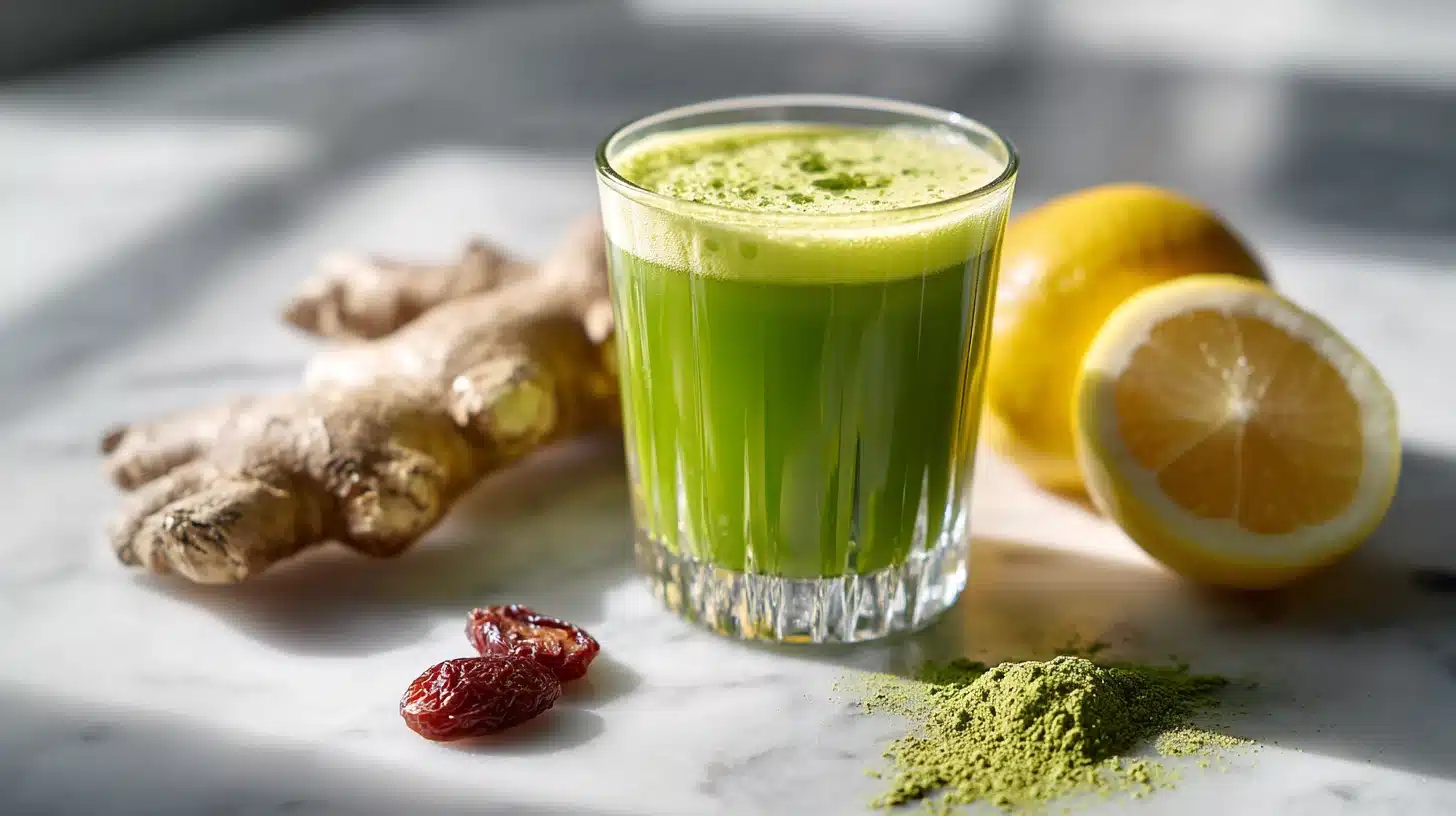
Most wellness tonics taste like muddy water or leave a harsh, astringent scrape on your tongue. This one is different. The combination of oceanic kombu and tart pickled plum gives it a balanced, savory depth that I honestly didn’t expect from something billed as a health drink.
Coming up: the exact temperature to bloom matcha without scorching it, why umeboshi plum is the secret to all-day satiety, and how to layer these ingredients for maximum metabolic impact.
Table of Contents
The Origins of the Japanese Wellness Tonic
The japanese mounjaro recipe is not a traditional pharmaceutical derivation. It is a modern wellness creation that borrows heavily from ancient Japanese dietary staples. The concept of a natural Mounjaro recipe centers around using specific whole foods that mimic the appetite suppressing and metabolism boosting effects of modern GLP-1 medications. In traditional Japanese culture, ingredients like umeboshi plum, kombu, and matcha have been used for centuries to aid digestion, provide sustained energy, and support gut health.
Matcha green tea powder is perhaps the most famous of these components. It contains a high concentration of catechins, specifically EGCG, which is widely studied for its ability to increase thermogenesis and fat oxidation. When combined with the naturally occurring caffeine in matcha, you get a smooth, jitter-free energy lift that keeps you focused throughout the morning. The green powder also provides a rich, earthy flavor base for this tonic.
Kombu, a type of thick edible kelp, introduces a deep umami flavor to the drink. It is rich in iodine, which supports thyroid function and a healthy metabolism. The sea vegetable also contains a compound called alginate, which studies suggest may help bind to heavy metals and support digestive health. When you simmer kombu in water, it creates a savory broth that forms the perfect liquid base for the rest of the ingredients, so the final beverage is deeply nourishing rather than just sweet or fruity.
Finally, umeboshi plum is the undisputed star of the Japanese weight loss drink. This pickled Japanese plum is intensely tart, salty, and deeply savory. It has been used in traditional medicine for its alkalizing properties and its ability to combat fatigue. The citric acid in umeboshi aids in the digestion of carbohydrates and helps the body process lactic acid, making it a popular remedy for morning sluggishness.
If you are looking to expand your morning wellness routine, you might find that this tonic pairs beautifully with a lemon balm drink for weight loss. Combining different cultural approaches to digestion can offer a well-rounded perspective on natural appetite management.
Print
The Japanese Mounjaro Recipe: A 4-Ingredient Morning Tonic
- Total Time: 10 min
- Yield: 1 servings 1x
- Diet: Gluten Free, Vegan
Description
A savory and tart morning wellness tonic combining matcha green tea, kombu broth, umeboshi plum, and fresh ginger to support metabolism and digestion.
Ingredients
For the tonic:
1 strip dried kombu (2 inches long)
1 cup filtered water
1 umeboshi plum (pitted)
1 inch fresh ginger root (peeled and grated)
1 tsp matcha green tea powder (ceremonial grade)
1 wedge fresh lemon
1 tsp raw apple cider vinegar
1/2 tsp raw honey
Instructions
1. Wipe the dried kombu strip with a damp cloth to remove excess surface salt and place it in a small saucepan with the filtered water.
2. Heat the water over medium-low heat to a gentle simmer for 3 minutes until the broth turns a pale greenish-gold and smells of the ocean, then remove the kombu.
3. Mash the pitted umeboshi plum into a paste in the bottom of a serving mug using the back of a spoon.
4. Grate the peeled fresh ginger root finely and add the ginger pulp and its juices directly into the mug with the mashed plum.
5. Let the kombu broth cool for one minute until it reaches about 175 degrees Fahrenheit, then pour it over the ginger and plum paste and stir well.
6. Sift the matcha green tea powder into the mug to prevent clumping.
7. Whisk the mixture vigorously in a zigzag motion until the matcha dissolves completely and a light froth forms on the surface.
8. Squeeze the fresh lemon wedge into the mug, stir in the apple cider vinegar and raw honey, and sip slowly while warm.
Notes
Store any leftover kombu broth in the refrigerator for up to 3 days to use as a base for future tonics.
Do not use boiling water to whisk the matcha or it will become bitter and scorched.
If you cannot find umeboshi plums, substitute a teaspoon of pure umeboshi paste.
For a spicier tonic, increase the fresh ginger to a two-inch piece.
- Prep Time: 5 min
- Cook Time: 5 min
- Category: Drink
- Method: Stovetop
- Cuisine: Asian
Nutrition
- Serving Size: 1 cup
- Calories: 35 kcal
- Sugar: 3 g
- Sodium: 210 mg
- Fat: 0 g
- Saturated Fat: 0 g
- Unsaturated Fat: 0 g
- Trans Fat: 0 g
- Carbohydrates: 8 g
- Fiber: 1 g
- Protein: 1 g
- Cholesterol: 0 mg
Key Ingredients and Their Metabolic Benefits
Understanding the exact components of this japanese mounjaro recipe matters for getting the desired results. Every ingredient pulls its weight in this formulation, working together to create a synergistic effect on your digestion and metabolism. The primary components are fresh ginger, umeboshi plum, kombu, and matcha green tea powder.
Fresh ginger brings a sharp, bright heat to the tonic. It is a powerful circulatory stimulant that increases blood flow and raises core body temperature slightly, which can help burn a few extra calories through thermogenesis. Ginger also contains a proteolytic enzyme called zingibain, which helps break down proteins in the digestive tract, reducing bloating and heaviness after meals. You want to use fresh ginger root here, grated finely, rather than dried powder, because the fresh root contains higher levels of the active volatile oils that provide these benefits.
Matcha green tea powder provides the foundational antioxidant boost. Unlike steeped green tea where you discard the leaves, matcha requires consuming the entire stone-ground leaf. This means you are ingesting a massive dose of antioxidants, chlorophyll, and fiber. The slight bitterness of high-quality ceremonial grade matcha is perfectly balanced by the salt and acid from the other ingredients in this tonic.
Kombu adds the necessary mineral density. The savory, oceanic saltiness of the kelp broth means you do not need to add any additional salt to the recipe. It provides calcium, iron, and magnesium, all of which are essential for cellular energy production. The natural sodium in kombu helps your body absorb the water more effectively, so you remain hydrated at a cellular level rather than just flushing fluids through your system.
The umeboshi plum is the primary appetite suppressant in the mix. The intense sourness triggers a strong response in the taste buds, sending early satiety signals to the brain. It is also packed with polyphenols that support healthy blood sugar regulation. Those exploring different variations of the natural mounjaro recipe often find that the inclusion of this Japanese plum is what sets the formula apart from standard detox waters.
How to Make the Perfect Japanese Mounjaro Recipe
Crafting the perfect japanese mounjaro recipe requires attention to detail, particularly when it comes to water temperature and ingredient layering. You cannot simply dump everything into boiling water, or you will destroy the delicate properties of the matcha and the probiotics in the plum.
Begin by preparing the base broth. Take a small strip of dried kombu, roughly two inches long, and wipe it gently with a damp cloth to remove any surface salt. Place the kombu in a small saucepan with one cup of filtered water. Turn the heat to medium-low and bring it to a gentle simmer. You never want to let the water reach a rolling boil with the kombu inside, as high heat makes the kelp release a bitter, slimy substance. Simmer the kombu for about three minutes until the water takes on a pale greenish-gold hue and smells distinctly of the ocean. Remove the pot from the heat and carefully lift the kombu strip out, setting it aside to cool.
While the broth is cooling, prepare the flavoring agents. Take a one-inch piece of fresh ginger root, peel it, and grate it finely against a microplane. You want the ginger to almost become a wet pulp so it releases its juices easily. Take one whole umeboshi plum and remove the pit. Using the back of a spoon, mash the plum flesh into a rough paste in the bottom of your favorite drinking mug. Add the grated ginger and its juice directly on top of the mashed plum.
Now you must manage the temperature carefully. You want the kombu broth to cool to about 175 degrees Fahrenheit. If you pour boiling water over matcha, it scorches the powder and makes the drink taste unbearably bitter. Pour the warm broth over the ginger and plum paste and stir well. The warmth of the liquid will help extract the essence from the ginger and dissolve the salty tartness of the plum.
Place one teaspoon of high-quality matcha green tea powder into a small sifter. Sift the matcha directly into the mug to prevent clumping. Use a bamboo whisk, also known as a chasen, to vigorously whisk the matcha into the broth in a zigzag motion. This introduces a small amount of air and creates a light, frothy layer on top of the tonic. Squeeze a wedge of fresh lemon over the top to brighten the flavors and add an extra hit of vitamin C.
Finish the japanese mounjaro recipe by stirring in one teaspoon of raw apple cider vinegar with the mother. The vinegar provides a sharp tang that complements the umeboshi perfectly. Add a half teaspoon of raw honey to round off the sharp edges and create a harmonious, savory-sour beverage. Sip it slowly while warm to kickstart your digestion for the day. Those who enjoy a spicy kick in their tonics might also appreciate the flavor profile of a digestive ginger smoothie.
This is one of three viral “natural Mounjaro” drinks worth knowing: the Brazilian Mounjaro (the color-changing butterfly pea version), the classic natural Mounjaro recipe, and this matcha-powered Japanese take. And if matcha is your thing, my sea salt matcha latte makes the perfect afternoon follow-up.
Common Mistakes to Avoid
Even with a simple four-ingredient tonic, technique matters. Here are the most frequent errors people make when preparing this japanese mounjaro recipe.
- Boiling the kombu at a rolling boil makes the broth bitter and causes a slimy texture to leach into the water. Instead, keep the heat at a gentle simmer and remove the kelp before it reaches a full boil.
- Adding matcha to scorching hot water destroys the delicate flavor profile and makes the drink taste harsh. Always let the broth cool for a minute or two until it reaches about 175 degrees Fahrenheit before whisking in the green tea powder.
- Skipping the sifting step for the matcha powder leads to unpleasant floating clumps in your finished drink. Sift the powder through a fine mesh strainer before whisking to ensure a smooth, frothy consistency.
- Using dried ginger powder instead of fresh ginger root eliminates the active enzymes that soothe digestion. Always use freshly grated ginger root to get the full digestive benefits and the bright, spicy flavor.
- Chewing the umeboshi pit or leaving it in the drink can crack a tooth and adds nothing to the flavor. Always remove the hard pit and mash only the plum flesh into a paste to dissolve its salty goodness into the tonic.
Frequently Asked Questions
What are the 4 ingredients in Japanese weight loss drink?
The core four ingredients in this Japanese weight loss drink are fresh ginger, umeboshi plum, kombu, and matcha green tea powder. These components are often supported by water, lemon juice, apple cider vinegar, and a touch of honey to balance the flavors and boost the metabolic benefits.
Does the natural Mounjaro really work?
The natural Mounjaro recipe is not a replacement for prescription medication, but it can support weight loss efforts naturally. The combination of matcha, ginger, and umeboshi helps regulate blood sugar, reduce appetite, and stimulate digestion, making it easier to maintain a calorie deficit without feeling deprived.
How to make a natural Mounjaro recipe with 4 ingredients?
To make a natural Mounjaro recipe, simmer a strip of kombu in water to create a savory broth. Cool the broth slightly, then mash a pitted umeboshi plum and grated fresh ginger in a mug. Pour the broth over the mixture, whisk in sifted matcha powder, and finish with lemon juice and honey.
What is the natural Mounjaro recipe for weight loss?
The natural Mounjaro recipe for weight loss is a morning tonic designed to mimic the appetite suppressing effects of medication. It uses traditional Japanese ingredients known for their metabolism boosting properties, specifically umeboshi, kombu, matcha, and ginger, to promote fullness and energy.
Conclusion
This japanese mounjaro recipe proves that effective wellness drinks do not have to taste like punishment or rely on obscure supplements. By blending traditional Japanese ingredients like umeboshi, kombu, and matcha, you create a savory, energizing tonic that supports your metabolism and digestion naturally. It takes only ten minutes to prepare and delivers a complex flavor profile that is far more interesting than a standard detox water.
With its unique balance of sea minerals, bright ginger heat, and tart plum, this tonic easily earns a permanent spot in your morning rotation. Try drinking a warm mug first thing in the morning before breakfast to kickstart your digestive system and set a mindful tone for your daily eating choices.
For more recipes like the japanese mounjaro recipe, follow us on Facebook and Pinterest for daily wellness tonic inspiration.
More recipes in this series: