The best okra fritters recipe southern living tradition has produced came from my grandmother, who fried them in a cast-iron skillet every July when the garden overflowed. She never wrote anything down, but the smell of cornmeal hitting hot oil is permanently etched in my memory.
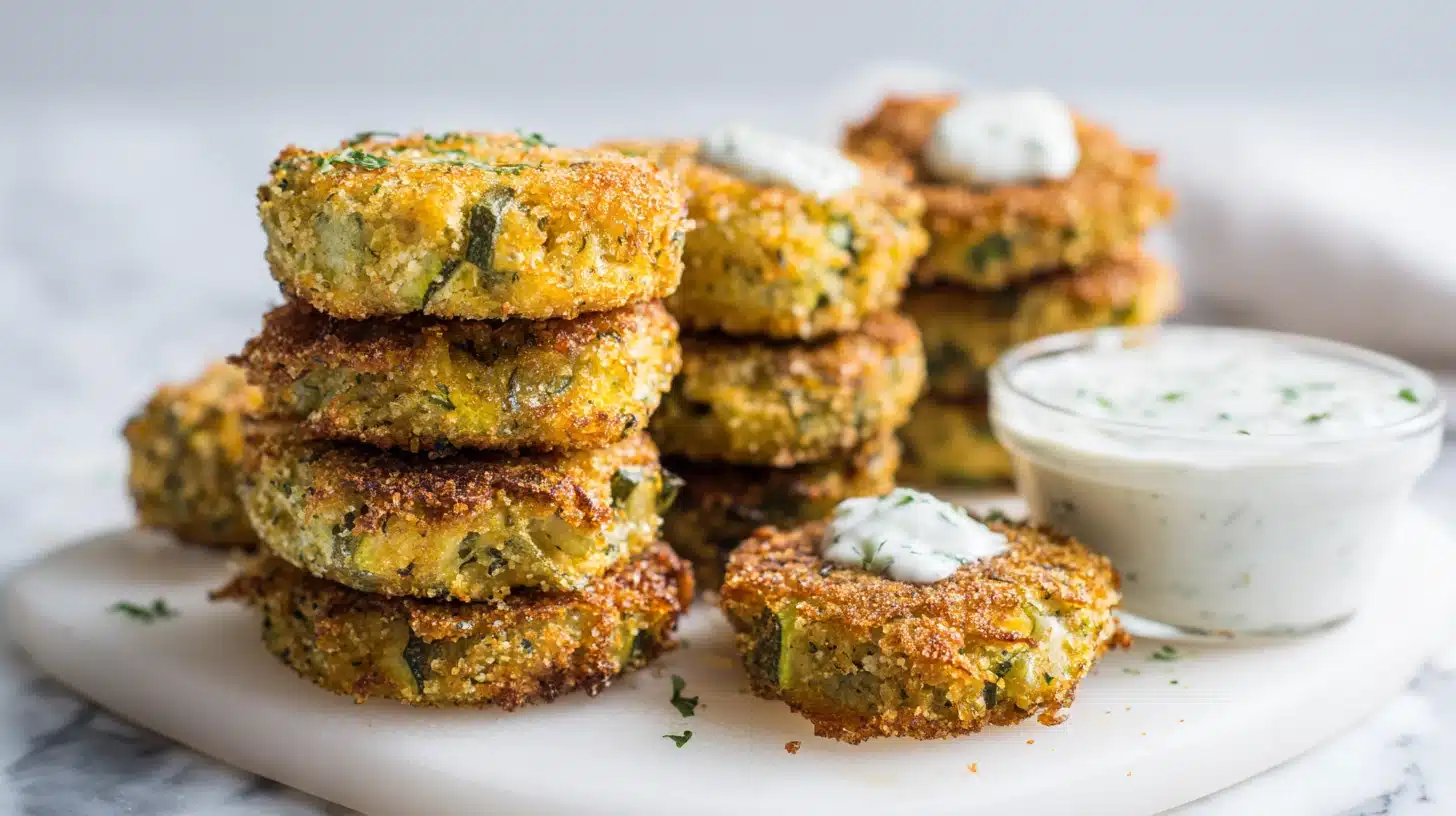
If you have ever bitten into a soggy okra fritter with a gummy center and a greasy shell, you know the disappointment. This recipe solves that with a simple salt-and-rest technique that pulls moisture out of the okra before the batter ever touches the oil.
Here’s what matters: getting the moisture out of the okra before it hits the oil, using a cornmeal-heavy batter that holds together without turning dense, and frying at the right temperature. Skip any one of those and you end up with something soggy. Do all three and you get a fritter that crackles when you bite into it.
Table of Contents
Why this okra fritters recipe southern living style works
Okra is one of those vegetables that people either love passionately or avoid at all costs. The dividing line almost always comes down to one word: slime. That sticky, mucilaginous texture that okra releases when it meets water or slow, wet heat is the single biggest reason home cooks give up on this ingredient entirely. But Southern cooks have known for generations that the fix is not avoidance. The fix is technique.
Fritters are the perfect delivery system for okra because they solve two problems at once. First, the high heat of frying rapidly evaporates the moisture that causes slime. Second, the cornmeal coating creates a physical barrier between the okra and your palate, so even if a trace of mucilage remains, you never feel it on your tongue. This okra fritters recipe southern living cooks have passed down for decades relies on that exact principle, and it works every single time.
What sets this particular version apart is the salt-and-rest step. Most recipes skip straight to battering and frying, which means the okra is still releasing moisture as it hits the oil. That moisture creates steam inside the batter, and steam is the enemy of crispiness. By tossing the sliced okra with salt and letting it sit for ten minutes, you draw out that moisture before it ever has a chance to sabotage your crust. The okra comes out of the colander drier, firmer, and ready to fry up crunchy.
The cornmeal-to-flour ratio matters too. Some recipes use all flour, which produces a softer, cake-like texture. Others go all cornmeal, which can be gritty and prone to falling apart. This recipe uses a 3-to-1 ratio of cornmeal to flour, plus a teaspoon of baking powder for lift. The result is a fritter with a crackling, slightly gritty exterior that shatters when you bite into it, and a tender, custardy interior where the buttermilk and egg hold everything together. If you enjoy okra prepared other ways, you might also appreciate this sauteed okra recipe for a quicker stovetop approach.
The other critical factor is oil temperature. Okra fritters need oil that is hot enough to sear the batter on contact, which means 375 degrees F. At that temperature, the outside sets before the inside has time to steam and get soggy. If the oil is too cool, the fritters absorb grease like a sponge and the crust never crisps. If it is too hot, the cornmeal burns before the okra cooks through. A deep-fry or candy thermometer is your best friend here, and the investment of about eight dollars will transform your frying game permanently.
Print
Crispy Southern Okra Fritters: Golden, Crunchy, No Slime
- Total Time: 28 min
- Yield: 10 fritters 1x
Description
These Southern okra fritters are crispy on the outside and tender on the inside, with no slime. Sliced okra is salted and rested to draw out moisture, then folded into a buttermilk-cornmeal batter and pan-fried until golden brown.
Ingredients
For the okra:
1 lb fresh okra (washed, stems removed, sliced 1/4 inch thick)
1 tsp kosher salt
For the batter:
1/2 cup buttermilk
1 large egg
3/4 cup yellow cornmeal
1/4 cup all-purpose flour
1 tsp baking powder
1/2 tsp black pepper
1/4 tsp cayenne pepper
1 cup peanut oil or canola oil (for frying)
For the dipping sauce:
1/2 cup sour cream
2 tbsp hot sauce
1 tsp lemon juice
Instructions
1. Place the sliced okra in a colander set over a bowl, sprinkle with kosher salt, toss to coat, and let it rest for 10 minutes. The salt draws out excess moisture and reduces slime. Pat the okra dry with paper towels until the surface feels tacky but not wet.
2. In a large bowl, whisk the buttermilk and egg together until smooth and pale yellow with no streaks of egg white visible. Add the dried okra slices and stir to coat them evenly.
3. In a separate shallow bowl, combine the yellow cornmeal, all-purpose flour, baking powder, black pepper, and cayenne pepper. Stir with a fork until evenly blended and no streaks of baking powder remain.
4. Pour the dry mixture into the wet okra mixture and fold gently with a spatula until a thick, shaggy batter forms with the okra evenly distributed. Stop mixing the moment the dry ingredients disappear to avoid tough fritters.
5. Heat the oil in a heavy cast-iron skillet over medium-high heat to 375 degrees F. The oil should shimmer but not smoke. Drop 2-tablespoon portions of batter into the oil and flatten slightly with the back of a spoon into patties.
6. Fry the fritters for 3 minutes per side until deep golden brown with ragged, crispy edges. The cornmeal should crackle audibly when tapped with a spatula. Fry in batches of 4 to avoid crowding the pan.
7. Transfer the fried fritters to a wire rack set over a baking sheet to drain. Sprinkle lightly with extra salt while still hot so it adheres to the crust.
8. In a small bowl, stir together the sour cream, hot sauce, and lemon juice until smooth and tangy. Serve the fritters warm with the dipping sauce on the side.
Notes
Store leftover fritters in the refrigerator for up to 3 days. Reheat at 375 degrees F in an oven or air fryer for 8 minutes to restore crispness.
For a gluten-free version, replace the all-purpose flour with additional cornmeal or a gluten-free flour blend.
If fresh okra is unavailable, frozen okra works if fully thawed and patted very dry before salting.
For extra heat, add 1 tablespoon of finely diced jalapeno to the batter before frying.
- Prep Time: 15 min
- Cook Time: 13 min
- Category: Side Dishes
- Method: Stovetop
- Cuisine: American
Nutrition
- Serving Size: 1 fritter
- Calories: 85 kcal
- Sugar: 1 g
- Sodium: 180 mg
- Fat: 5 g
- Saturated Fat: 1 g
- Unsaturated Fat: 4 g
- Trans Fat: 0 g
- Carbohydrates: 9 g
- Fiber: 1 g
- Protein: 2 g
- Cholesterol: 10 mg
The secret to crispy okra patties every time
The single biggest mistake people make with any okra fritters recipe southern living style is skipping the moisture control step. Okra is roughly 90 percent water, and when you slice it, those water-filled cells rupture and release mucilage, the sticky substance that gives okra its infamous texture. Salting the okra does two things simultaneously: it draws out that water through osmosis, and it firms up the cell walls so the slices hold their shape during frying.
Here is exactly how to do it. Slice your okra into rounds about a quarter inch thick. Place them in a colander set over a bowl, sprinkle with a teaspoon of kosher salt, and toss with your hands until every piece is lightly coated. Let it sit for ten minutes. You will see beads of moisture collecting on the surface of the okra and dripping through the colander. After the rest, press the okra between layers of paper towels until the surface feels dry and slightly tacky but not wet. That tackiness is actually good because it helps the batter cling.
The batter itself is deceptively simple, but the ratios are the result of testing dozens of variations. You want buttermilk and egg for binding and tang, cornmeal for crunch and that distinctive Southern flavor, a small amount of flour for structure, baking powder for lift, and cayenne for a background warmth that does not overwhelm. The batter should be thick enough to hold a scoop shape when you drop it into the oil, but loose enough to spread slightly into a patty. If it is too thick, add a tablespoon of buttermilk. If it is too thin, sprinkle in more cornmeal.
Frying is where patience pays off. Heat your oil to 375 degrees F in a heavy skillet, preferably cast iron, which holds heat beautifully and recovers quickly when you add cold batter. Use about a cup of oil, enough to come up half an inch on the side of the pan. Drop the batter in two-tablespoon portions and do not crowd the pan. Four fritters at a time is the maximum. If you are looking for other crispy vegetable patty techniques, the same principles apply to these summer corn zucchini fritters with tzatziki.
Listen for the oil. When the batter hits the surface, it should sizzle aggressively and immediately. If the oil is quiet, pull the fritter out and wait for the temperature to climb. Fry for about three minutes per side until the fritters are deep golden brown, flipping once with a thin spatula. The edges should look slightly ragged and extra crispy where the batter thins out. Transfer to a wire rack, not paper towels, because paper towels trap steam and soften the bottom.
How to make southern okra fritters step by step
Let me walk you through the entire process from start to finish, with enough detail that you will get it right the first time. This okra fritters recipe southern living families have relied on for generations is not complicated, but each step builds on the last, and shortcuts will cost you crunch.
Start with fresh okra. Look for pods that are bright green, firm, and no longer than four inches. Longer pods tend to be tough and fibrous. Avoid any that feel soft or have brown spots. Wash the okra, pat it completely dry, and slice off the stem end. Then slice each pod into rounds about a quarter inch thick. You should get about four cups of sliced okra from one pound.
Sprinkle the sliced okra with kosher salt in a colander and toss to coat. Set the colander over a bowl and walk away for ten minutes. This is the step that most people skip and it is the reason most okra fritters turn out slimy. While the okra rests, you can mix your dry ingredients. In a shallow bowl, combine three-quarters of a cup of yellow cornmeal, a quarter cup of all-purpose flour, a teaspoon of baking powder, half a teaspoon of black pepper, and a quarter teaspoon of cayenne. Stir with a fork until the colors are evenly blended and no streaks of baking powder remain.
In a separate large bowl, whisk together half a cup of buttermilk and one large egg until the mixture is smooth and pale yellow with no streaks of egg white visible. When the okra has finished resting, press it dry between paper towels. The slices should feel slightly tacky but not wet. Add the okra to the buttermilk mixture and stir to coat every piece.
Now pour the dry mixture into the wet and fold gently with a spatula. Stop folding the moment the dry ingredients disappear into the batter. Overmixing develops the gluten in the flour and makes the fritters tough. The batter should look thick, shaggy, and studded with okra rounds. If you want to explore another okra preparation that skips frying entirely, try this okra salad recipe with japanese flavors for a refreshing contrast.
Heat your oil in a cast-iron skillet over medium-high heat. Use a thermometer to confirm it reaches 375 degrees F. Drop two-tablespoon portions of batter into the oil, four at a time, and use the back of a spoon to flatten them slightly into patties. Fry for three minutes until the bottoms are deep golden brown, then flip and fry another two to three minutes. The fritters should sound crackly when you tap them with the spatula. Move them to a wire rack and sprinkle with a pinch of salt while they are still hot.
Serving suggestions and tasty variations
Okra fritters are best served immediately, while the cornmeal crust is still crackling and the interior is warm and custardy. They make an excellent side dish for any Southern meal, and they also work as an appetizer or snack with a cold drink in hand. What matters is pairing them with something that complements their earthy, slightly tangy flavor without competing for attention.
A simple dipping sauce is all you need. Combine half a cup of sour cream with two tablespoons of your favorite hot sauce and a teaspoon of lemon juice. Stir until smooth and tangy. The creaminess cools the cayenne in the batter, and the acid brightens the whole bite. If you want something richer, remoulade works beautifully too. Mix mayonnaise with a squeeze of lemon, a dash of hot sauce, a teaspoon of capers, and a pinch of paprika.
For a full Southern spread, serve these fritters alongside southern grilled chicken wings and a tall glass of sweet tea. The smoky, charred wings play off the crunchy, cornmeal-dusted fritters in a way that feels like a backyard cookout no matter where you are eating. If you are building a seafood spread, these fritters also pair well with crispy coconut shrimp recipe for a different texture altogether.
Variations are welcome. Add a tablespoon of finely diced jalapeno to the batter for a sharper heat. Fold in a quarter cup of fresh corn kernels for sweetness and a pop of texture. Swap the cayenne for smoked paprika if you prefer a smoky warmth over a sharp one. You can even add a handful of sharp cheddar cheese shreds, which melt into the batter and create little pockets of gooey richness inside the crispy shell. This recipe bends to whatever you have on hand.
If you have leftovers, store them in the refrigerator for up to three days and reheat in a 375 degree oven or air fryer for about eight minutes. Never microwave them, because the microwave creates steam and turns that hard-won crust into something rubbery and sad. Reheated properly, they will not be quite as crisp as fresh, but they will still be deeply satisfying.
Frequently asked questions
How do I keep okra fritters from getting slimy?
The most important step is salting the sliced okra and letting it rest for ten minutes before battering. The salt draws out moisture through osmosis, and patting the okra dry removes the water that causes slime. Frying at 375 degrees F also rapidly evaporates any remaining moisture, so the crust sets before slime can form.
Can I use frozen okra for this recipe?
Yes, but you must thaw it completely and pat it very dry before slicing and salting. Frozen okra releases more water than fresh, so you may need to extend the resting time to fifteen minutes. The texture will be slightly softer than fresh okra, but the cornmeal crust compensates for the difference.
What oil is best for frying okra fritters?
Peanut oil and canola oil are the best choices because they have high smoke points and neutral flavors that let the cornmeal and okra shine. Avoid olive oil, which has a lower smoke point and will burn at 375 degrees F. You need about one cup of oil for shallow frying in a cast-iron skillet.
Can I make okra fritters in an air fryer?
Yes, though the texture will be different. Spray both sides of the battered patties with cooking spray and air fry at 400 degrees F for about ten minutes, flipping halfway. They will be crispy but not quite as shatteringly crunchy as pan-fried versions. The flavor remains excellent.
Conclusion
This okra fritters recipe southern living tradition gave us comes down to one thing: technique over fuss. Salt the okra first. Use the right cornmeal ratio. Fry at the correct temperature. Do that and you turn a divisive vegetable into something people actually fight over at the table. That contrast between the crackling, golden crust and the tender, peppery interior is what keeps me coming back to this recipe every summer.
Give them a try this week when you want something crispy and satisfying. Serve them hot off the rack with that tangy dipping sauce, and watch even the okra skeptics come back for seconds.
For more recipes like this okra fritters recipe southern living classic, follow us on Facebook and Pinterest for weeknight dinner ideas and Southern comfort food inspiration.
Love okra? Browse all 25 easy okra recipes in one place, or try Southern fried okra and baked okra chips next.