My grandmother kept a cast iron skillet permanently stationed on her back burner, and the southern recipe for fried okra she made in it was the dish that could silence a crowded Sunday table in about four seconds flat.
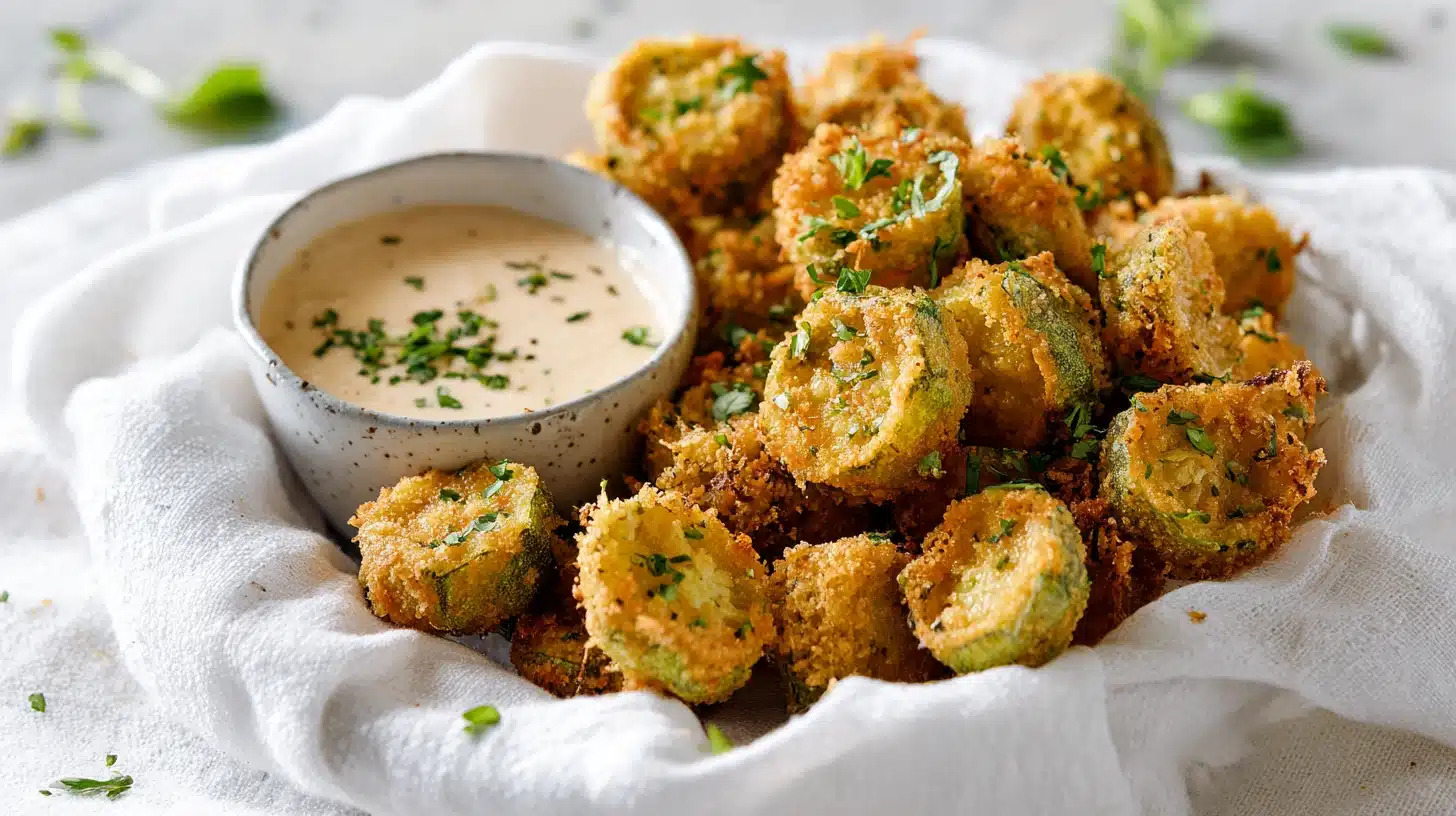
Most people who have struggled with homemade fried okra know the heartbreak of pulling a batch from the oil only to find a gummy, pale coating that slides right off the pod. This recipe fixes that with a two-step dredge that locks in crunch from the first bite to the last.
You’ll walk away with a foolproof coating method, the exact oil temperature that keeps things crispy rather than greasy, and a seasoning blend that tastes like it came straight from a roadside diner in Mississippi.
Table of Contents
What Makes Classic Southern Fried Okra So Special
This dish has anchored Southern tables for generations for good reason. Fried okra sits in a unique category of comfort food: it’s a vegetable that somehow manages to feel indulgent, satisfying a craving the same way a plate of French fries does. The outside shatters with that first crunch, and the inside stays tender and slightly grassy. That’s exactly the contrast that keeps people reaching back into the bowl.
The History Behind the Dish
Okra traveled to the American South through the West African slave trade in the 17th century. It became a cornerstone of Southern cooking because it grew well in hot, humid conditions and was deeply versatile. You could stew it, pickle it, throw it into gumbo as a natural thickener, or coat it in cornmeal and fry it until golden. That last preparation became the one most people grew up eating at church potlucks and family reunions.
Classic southern fried okra is not complicated food, and that’s precisely the point. The ingredient list is short, the technique is straightforward once you understand a few key principles, and the payoff is enormous. It pairs beautifully with southern grilled chicken wings or alongside a plate of fried pork chops for a full Southern spread that feels genuinely celebratory.
Why Okra Gets a Bad Reputation
The slimy reputation that okra carries is almost entirely a cooking-method problem. When you cut okra and expose it to moisture without heat, or when you cook it low and slow in liquid, it releases a mucilaginous compound that creates that slippery texture. Deep frying solves this completely. The high heat seals the cut surfaces almost instantly, keeping the interior tender while the exterior coating turns golden and snappy. Choosing the right okra also matters: look for pods that are no longer than three to four inches, firm to the touch, and a bright, deep green. Larger pods tend to be fibrous and woody, and no amount of good frying technique will fix that.
The buttermilk soak is what makes this classic southern fried okra recipe work so consistently. That brief rest in buttermilk does two things: it tenderizes the okra slightly and, more importantly, it gives the cornmeal coating something sticky to hold onto. Skip this step and you’ll notice the coating falling away in the oil, leaving you with naked pods and a pan full of floating cornmeal crumbs.
Print
The Southern Recipe for Fried Okra That Gets Crispy Every Single Time
- Total Time: 25 min
- Yield: 6 servings 1x
- Diet: Vegetarian
Description
Fresh okra rounds soaked in buttermilk and dredged in a seasoned cornmeal and flour coating, then fried in hot oil until golden brown and shatteringly crispy. This is a classic Southern side dish that comes together in 25 minutes and pairs well with grilled or fried proteins, beans, and cornbread.
Ingredients
For the okra:
1 1/2 lbs fresh okra pods (small, 3 to 4 inches long, trimmed and sliced into 1/2-inch rounds)
1 cup full-fat buttermilk
For the coating:
1 cup fine yellow cornmeal
1/2 cup all-purpose flour
1 tsp kosher salt
1/2 tsp black pepper
1/2 tsp garlic powder
1/2 tsp smoked paprika
1/4 tsp cayenne pepper
For frying:
3 to 4 cups vegetable oil or peanut oil (enough to fill skillet 2 inches deep)
To finish:
1/2 tsp flaky sea salt (for seasoning right after frying)
Instructions
1. Prep the okra: Rinse the okra under cold water and pat completely dry with paper towels. Trim the stem ends and slice each pod into 1/2-inch rounds. Place the sliced okra in a medium bowl and pour the buttermilk over the top. Toss gently to coat every piece and let it soak for 10 minutes.
2. Mix the coating: While the okra soaks, whisk together the cornmeal, flour, kosher salt, black pepper, garlic powder, smoked paprika, and cayenne pepper in a wide shallow bowl until evenly combined.
3. Dredge the okra: Working in batches, lift the okra out of the buttermilk with a slotted spoon, letting the excess drip off. Drop the pieces into the cornmeal mixture and toss to coat on all sides, pressing gently so the coating adheres. Transfer the coated pieces to a wire rack and let them rest for 2 to 3 minutes before frying.
4. Heat the oil: Pour the oil into a cast iron skillet or heavy Dutch oven and heat over medium-high heat until it reaches 375 degrees F on a deep-fry thermometer. The oil should sizzle and immediately rise around a pinch of dropped cornmeal when ready.
5. Fry the first batch: Add a single layer of coated okra to the hot oil without crowding the pan. Fry for 2 to 3 minutes, turning the pieces once or twice with a spider strainer, until they are deep golden brown and smell like toasted cornmeal. You should hear a steady, vigorous sizzle throughout.
6. Drain and season: Transfer the fried okra to a wire rack set over a baking sheet and season immediately with a pinch of flaky sea salt. Do not use a paper towel-lined plate, as steam will soften the crust.
7. Repeat with remaining batches: Allow the oil to return to 375 degrees F between each batch. Continue frying the remaining okra in single layers until all pieces are golden and crispy.
8. Serve hot: Arrange the finished fried okra in a bowl or on a plate and serve immediately with comeback sauce or ranch dressing on the side.
Notes
Store leftovers in an airtight container in the refrigerator for up to 2 days. Reheat on a wire rack at 400 degrees F for 8 to 10 minutes, or in an air fryer at 375 degrees F for 4 to 5 minutes to restore crispiness. Do not microwave.
If you do not have buttermilk, stir 1 tablespoon of white vinegar into 1 cup of whole milk and let it sit for 5 minutes before using.
For a spicier version, double the cayenne and add 1/2 teaspoon of hot sauce directly to the buttermilk soak.
Frozen okra can be used in a pinch: thaw completely, spread on paper towels, and press firmly to remove as much moisture as possible before soaking in buttermilk.
- Prep Time: 15 min
- Cook Time: 10 min
- Category: Side Dishes
- Method: Stovetop
- Cuisine: American
Nutrition
- Serving Size: about 1 cup
- Calories: 210 kcal
- Sugar: 3 g
- Sodium: 380 mg
- Fat: 11 g
- Saturated Fat: 1 g
- Unsaturated Fat: 9 g
- Trans Fat: 0 g
- Carbohydrates: 26 g
- Fiber: 4 g
- Protein: 4 g
- Cholesterol: 2 mg
Ingredients You Need for the Best Crispy Fried Okra Recipe
Getting the ingredient list right is half the battle with any frying recipe. Here, simplicity wins. You don’t need specialty items or anything you’d have to hunt down at a specialty store. This is pantry-friendly Southern cooking at its most honest.
The Okra
Start with one and a half pounds of fresh okra pods. As noted above, smaller is better. Rinse them under cold water, pat them completely dry with paper towels (moisture is the enemy of crunch), and slice off the stem ends. Cut each pod into rounds about half an inch thick. This size fries evenly and gives you that satisfying pop when you bite in.
The Coating
The coating is where this southern recipe for fried okra diverges from versions that disappoint. Many recipes use only cornmeal, which can result in a coating that is gritty rather than crispy. This recipe combines:
- 1 cup fine yellow cornmeal
- 1/2 cup all-purpose flour
- 1 teaspoon kosher salt
- 1/2 teaspoon black pepper
- 1/2 teaspoon garlic powder
- 1/2 teaspoon smoked paprika
- 1/4 teaspoon cayenne pepper (optional, but recommended)
The flour in the mix is the key addition. It binds to the buttermilk more aggressively than cornmeal alone, creating a coating that adheres tightly and fries to a deeper, more uniform golden color. The smoked paprika adds a subtle warmth that you’ll notice in the background of every bite without tasting like anything other than classic Southern.
The Buttermilk Bath and Frying Oil
You’ll need one cup of full-fat buttermilk. If you don’t have buttermilk on hand, combine one cup of whole milk with one tablespoon of white vinegar and let it sit for five minutes. It works nearly as well.
For frying oil, choose a neutral high-smoke-point oil: vegetable oil, canola oil, or peanut oil all work well. You need enough to fill a heavy skillet or Dutch oven about two inches deep. Peanut oil is the traditional Southern choice and does add a faint nuttiness that complements the cornmeal coating nicely.
How to Make Fried Okra Step by Step
This is where the technique comes together. Follow the steps in order and pay attention to the oil temperature above all else. Temperature is the single biggest variable between crispy fried okra and the pale, grease-logged version that gives the dish a bad name.
Step 1: Prep and Soak
Slice your dried okra into half-inch rounds and place them in a medium bowl. Pour the buttermilk over the top, toss gently to coat every piece, and let the okra sit for ten minutes. You don’t need longer than that. While the okra soaks, whisk together your cornmeal, flour, and all the seasonings in a separate wide, shallow bowl. A wide bowl makes the dredging process much faster and more even.
Step 2: Dredge the Okra
Working in batches, lift the okra out of the buttermilk with a slotted spoon or your hands, letting the excess drip off. Drop the pieces into the cornmeal mixture and toss to coat thoroughly. Press gently so the coating adheres to all sides. Transfer the coated pieces to a wire rack or a parchment-lined baking sheet while you coat the rest. Letting them rest on a rack for two or three minutes before frying helps the coating set slightly, which means less of it falls off in the oil.
Step 3: Heat the Oil
Pour your oil into a cast iron skillet or heavy-bottomed Dutch oven and heat it over medium-high heat until it reaches 375 degrees F. Use a deep-fry or candy thermometer if you have one. If you don’t, drop a small pinch of cornmeal into the oil; if it sizzles and rises immediately, you’re close to the right temperature. Don’t rush this step. Oil that is too cool produces greasy okra. Oil that is too hot burns the coating before the interior cooks through.
Step 4: Fry in Batches
Add the okra to the hot oil in a single layer, being careful not to crowd the pan. Crowding drops the oil temperature and causes steaming rather than frying. Cook for 2 to 3 minutes, turning the pieces once or twice with a spider strainer or slotted spoon, until they are deep golden brown and smell like toasted cornmeal. You’ll hear a steady, enthusiastic sizzle the whole time; if the sizzle drops off or sounds wet, your oil has cooled and you should wait a moment before adding more pieces.
Step 5: Drain and Season
Transfer the fried okra to a wire rack set over a baking sheet rather than a paper towel-lined plate. Paper towels trap steam underneath the okra, softening that beautiful crust you just worked for. Season immediately with a pinch of extra salt while everything is still hot. Repeat with the remaining batches, allowing the oil to return to 375 degrees F between each one.
Serve the okra hot. This is not a dish that holds well, and there’s no reason to pretend otherwise. If you’re making it as part of a larger spread alongside something like an old bay shrimp boil recipe, plan the fried okra as your last item before everything hits the table.
Serving, Storing, and Variations on Homemade Fried Okra
This crispy fried okra recipe is at its absolute peak the moment it comes out of the oil, but there are smart ways to serve it, reasonable ways to store it, and a handful of variations worth knowing.
How to Serve It
Classic southern fried okra needs nothing more than a sprinkle of flaky salt. That said, a good dipping sauce alongside it never hurts. A simple comeback sauce made from mayonnaise, ketchup, a splash of hot sauce, and a pinch of garlic powder takes about thirty seconds to mix together and pairs beautifully with the cornmeal crust. Ranch dressing is the crowd-pleasing option if you’re feeding picky eaters.
In terms of what to serve alongside it, fried okra functions as both a side dish and a snack. It works alongside slow-cooked beans, collard greens, cornbread, and grilled or fried proteins. It also holds its own on a snack platter next to pickles and sliced fresh vegetables.
Storing and Reheating
If you have leftovers, store them in a single layer in an airtight container in the refrigerator for up to two days. The coating will soften overnight, but you can bring most of the crispiness back by spreading the pieces on a baking sheet and reheating them at 400 degrees F for 8 to 10 minutes. An air fryer at 375 degrees F for 4 to 5 minutes works even better. Avoid the microwave entirely; it steams the coating into a soggy paste.
Freezing raw, coated okra is also an option. Coat the pieces following the recipe instructions, freeze them in a single layer on a baking sheet until solid, then transfer to a zip-top bag. Fry directly from frozen, adding about one minute of cook time.
Variations to Try
Deep fried okra Southern style lends itself well to a few simple variations once you have the base recipe down:
- Spicy version: Double the cayenne and add a half teaspoon of hot sauce directly to the buttermilk.
- Parmesan crust: Replace two tablespoons of flour with two tablespoons of finely grated Parmesan for a savory, slightly nutty coating.
- Air fryer method: Coat the okra exactly as written, spray generously with cooking spray, and air fry at 400 degrees F for 10 to 12 minutes, shaking the basket halfway through. You get about 80 percent of the crispiness with significantly less oil.
- Whole pod presentation: Skip slicing and fry whole small pods for a dramatic presentation on a sharing platter.
If you enjoy exploring vegetables prepared in unexpected ways, the okra salad recipe with japanese flavors on Forkful Daily is a genuinely surprising and delicious detour from the classic Southern preparation.
Frequently Asked Questions
Why does my fried okra turn out soggy instead of crispy?
The most common culprit is oil that wasn’t hot enough when the okra went in. Below 350 degrees F, the coating absorbs oil rather than crisping in it. The second most common cause is overcrowding the pan, which drops the temperature quickly and traps steam. Always fry in small batches and keep a thermometer in the oil.
Can I use frozen okra for this southern recipe for fried okra?
You can, but fresh okra gives significantly better results. Frozen okra releases a lot of water as it thaws, which makes getting the coating to stick much harder. If you must use frozen, thaw it completely, spread it on paper towels, and press firmly to remove as much moisture as possible before soaking in buttermilk.
What oil is best for frying okra?
Peanut oil is the traditional Southern choice and handles high heat very well. Vegetable oil and canola oil are excellent neutral alternatives. Avoid olive oil, which has a lower smoke point and will impart a flavor that clashes with the cornmeal coating.
How do I keep fried okra warm for a crowd without losing the crunch?
Place a wire rack on a baking sheet and put it in the oven at 200 degrees F. Transfer each finished batch directly to the rack. This keeps the okra warm for up to 20 minutes without the steam that a covered pan or plate would create. Beyond 20 minutes, the crust starts to soften regardless.
Conclusion
The best southern recipe for fried okra is not complicated, but it does reward attention. The two-step dredge, the correct oil temperature, and the wire rack drainage trick are the three details that separate the version people remember from the version they politely eat and forget.
Give this recipe a try this week while okra is fresh at the market. It comes together in 25 minutes, start to finish, and it will earn a permanent spot on your summer table.
For more recipes like this southern recipe for fried okra, follow us on Facebook and Pinterest for classic Southern cooking ideas and crispy comfort food inspiration.
Love okra? Browse all 25 easy okra recipes in one place, or try crispy okra fritters and air fryer okra next.