Summer Squash Pasta changed the way I think about weeknight cooking the first time I made it at the tail end of July, when my kitchen counter was buried under more zucchini than I knew what to do with.
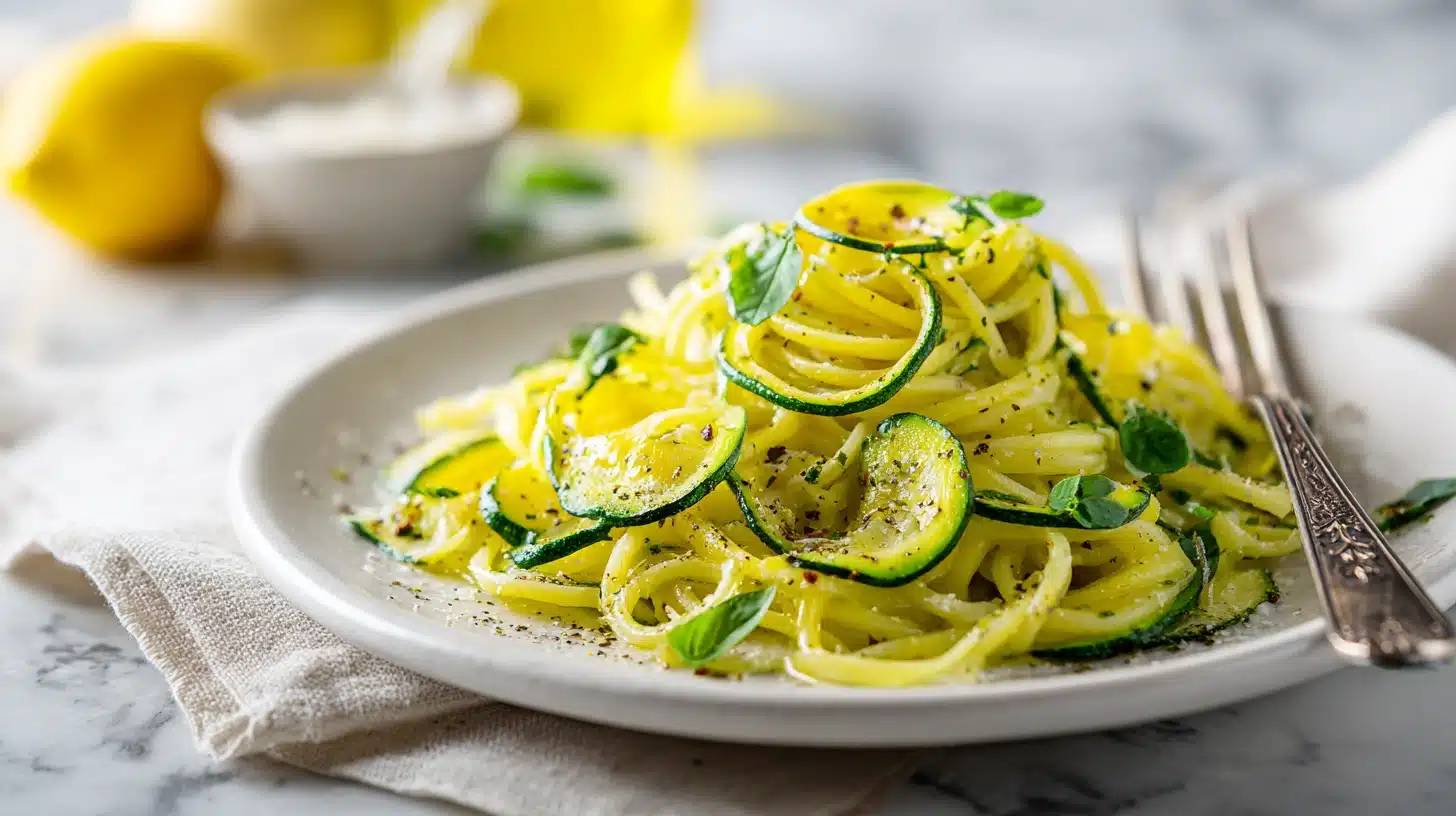
Most zucchini and squash pasta recipes leave you with a watery, sad skillet because nobody tells you the single step that keeps the vegetables golden instead of soggy. This recipe fixes that with one quick technique before anything else hits the pan.
Inside: how to prep your squash for maximum caramelization, why brown butter is the secret sauce here, and exactly how to build a creamy, tangy finish without any cream at all.
Table of Contents
Why This Summer Squash Pasta Recipe Works So Well
There are a lot of easy summer pasta recipes floating around, but most of them treat the squash as an afterthought. They toss raw zucchini into boiling pasta water or dump it straight into a pan with olive oil, and the result is mushy, flavorless, and wet. This recipe treats summer squash as the main event.
The Moisture Problem (and the Fix)
Summer squash and zucchini are made up of roughly 95% water. That water is the enemy of a good sear. When you drop wet squash into a hot pan, it steams instead of caramelizes, and you end up with a texture that is closer to baby food than pasta topping.
The fix is simple and takes about 15 minutes of mostly hands-off time. Slice your squash into half-moons, spread them on a clean kitchen towel or paper towels, salt them lightly, and let them sit. The salt draws out surface moisture. After 10 to 15 minutes, pat them dry. When those pieces hit a screaming-hot skillet, they actually brown. The edges turn amber, the centers stay tender, and the flavor concentrates into something almost sweet and nutty.
Brown Butter as the Flavor Foundation
Once the squash is properly seared, you build the sauce right in the same skillet. Brown butter sounds fancy but it is one of the easiest techniques in the kitchen. You melt butter over medium heat and just keep going. The water in the butter evaporates, the milk solids toast, and the whole pan smells like warm hazelnuts. It takes about four minutes from start to finish.
From there, garlic and capers go in, followed by a squeeze of fresh lemon juice that makes the brown butter sizzle and lifts every bit of flavor from the bottom of the pan. This is your sauce. It is rich, tangy, and complex without a single drop of cream.
Why Cannellini Beans and Goat Cheese Belong Here
This is where the recipe gets interesting. Cannellini beans add a creamy, meaty texture that makes the dish feel substantial. They soak up the brown butter sauce and hold their shape well through a quick toss. Crumbled goat cheese goes in at the very end, off the heat, so it melts into soft, tangy pockets rather than a uniform glaze. A handful of arugula stirred in at the last second adds peppery bite and a little color contrast.
If you love pasta dishes built around simple, honest flavors, you might also enjoy this lemon butter garlic pasta, which uses a similar bright-acidic approach.
Print
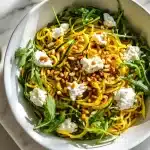
Summer Squash Pasta with Lemon Brown Butter, Pine Nuts, and Goat Cheese
- Total Time: 55 min
- Yield: 4 servings 1x
- Diet: Vegetarian
Description
A skillet summer squash pasta made with caramelized zucchini and yellow squash, a quick lemon brown butter sauce, capers, cannellini beans, and crumbled goat cheese. It comes together in under an hour and works as a satisfying vegetarian dinner any night of the week.
Ingredients
For the squash:
2 medium yellow summer squash (about 1 lb total, sliced into 1/4-inch half-moons)
2 medium zucchini (about 1 lb total, sliced into 1/4-inch half-moons)
1 teaspoon kosher salt (for drawing out moisture)
2 tablespoons olive oil
For the pasta and sauce:
12 oz rigatoni or penne rigate
4 tablespoons unsalted butter
4 cloves garlic (thinly sliced)
2 tablespoons capers (drained and patted dry)
1/4 teaspoon red pepper flakes
Zest and juice of 1 large lemon
1/2 cup reserved pasta water (plus more as needed)
1 can (15 oz) cannellini beans (drained and rinsed)
For finishing:
3 oz goat cheese (crumbled)
1/3 cup pine nuts (toasted)
2 large handfuls baby arugula
Flaky salt and freshly cracked black pepper to taste
Instructions
1. Lay the sliced squash and zucchini in a single layer on a double layer of paper towels. Sprinkle evenly with kosher salt and let them sit for 15 minutes, then press firmly with more paper towels until the surfaces feel dry to the touch.
2. Bring a large pot of heavily salted water to a boil. Cook the rigatoni 2 minutes short of the package directions until genuinely al dente. Before draining, scoop out 1 full cup of pasta water and reserve it. Drain the pasta and set aside.
3. Heat a large wide skillet over high heat until very hot. Add the olive oil, then add the squash and zucchini in a single layer, working in two batches if needed. Press gently against the pan and cook undisturbed for 2 to 3 minutes until the bottoms are deep golden amber. Flip once, cook 1 more minute, then transfer to a plate.
4. Reduce heat to medium. Add the butter to the same skillet. Cook, swirling occasionally, for about 4 minutes until the foam subsides and the butter turns a warm amber color with small brown specks visible and smells like toasted hazelnuts.
5. Add the garlic and capers to the brown butter. They will sizzle immediately. Stir constantly for 60 seconds until the garlic is golden at the edges. Add the red pepper flakes and squeeze in the lemon juice. The sauce will sputter and come together.
6. Pour in 1/4 cup of the reserved pasta water, stirring to incorporate. Add the cannellini beans and the seared squash back to the skillet. Toss gently to coat in the sauce.
7. Add the drained pasta to the skillet. Toss everything together, adding more pasta water a splash at a time until the sauce clings to every piece and looks glossy.
8. Remove the skillet from heat. Stir in the arugula and lemon zest. Fold in most of the goat cheese, leaving some for topping. Scatter the toasted pine nuts over everything. Taste and adjust with flaky salt and cracked black pepper. Divide among four bowls and finish with the remaining goat cheese. Serve immediately.
Notes
Store leftovers in an airtight container in the refrigerator for up to 2 days. Reheat gently in a skillet over low heat with a splash of water to loosen the sauce.
To make this dish vegan, replace the butter with a good vegan butter or a mix of 3 tablespoons olive oil and 1 tablespoon white miso paste. Replace the goat cheese with cashew-based fresh cheese or 3 tablespoons nutritional yeast.
Do not skip the salting and drying step for the squash. It is what allows the vegetables to caramelize instead of steam, and it makes a noticeable difference in texture and flavor.
Toast pine nuts in a dry skillet over medium heat for 2 to 3 minutes, stirring frequently, until golden and fragrant. Watch them closely as they go from golden to burned quickly.
- Prep Time: 40 min
- Cook Time: 15 min
- Category: Dinner, Main Course
- Method: Stovetop
- Cuisine: American
Nutrition
- Serving Size: 1 generous bowl (about 2 cups)
- Calories: 520 kcal
- Sugar: 6 g
- Sodium: 480 mg
- Fat: 22 g
- Saturated Fat: 9 g
- Unsaturated Fat: 11 g
- Trans Fat: 0 g
- Carbohydrates: 63 g
- Fiber: 8 g
- Protein: 18 g
- Cholesterol: 35 mg
Ingredients for Skillet Summer Squash Pasta
Getting the ingredient quantities right is what separates a dish that tastes balanced from one that tastes muddy. Here is everything you need, with a few notes on why each one matters.
The Squash
Use a mix of yellow summer squash and zucchini for color contrast. Two medium squash of each variety, sliced into 1/4-inch half-moons, gives you the right ratio of vegetable to pasta without the dish feeling too heavy on either end.
- 2 medium yellow summer squash (about 1 lb total, sliced into 1/4-inch half-moons)
- 2 medium zucchini (about 1 lb total, sliced into 1/4-inch half-moons)
- 1 teaspoon kosher salt (for drawing out moisture)
The Pasta and Base
- 12 oz short pasta (rigatoni, penne, or gemelli work best for catching the sauce)
- 4 tablespoons unsalted butter
- 4 cloves garlic (thinly sliced)
- 2 tablespoons capers (drained and patted dry)
- Zest and juice of 1 large lemon
- 1/4 teaspoon red pepper flakes
- 1/2 cup reserved pasta water
The Finishing Touches
- 1 can (15 oz) cannellini beans (drained and rinsed)
- 3 oz goat cheese (crumbled)
- 1/3 cup pine nuts (toasted)
- 2 large handfuls baby arugula
- Freshly cracked black pepper and flaky salt to finish
A note on pasta shape: short pasta with ridges or tubes works better than long pasta here because the cannellini beans and squash pieces need somewhere to tuck in. If you prefer long noodles, a thick linguine works, but you will lose some of the scoopability that makes this dish so satisfying. For another take on a garlic butter pasta base, that recipe is a great reference for building this kind of pan sauce.
| Ingredient Category | Key Role |
|---|---|
| Summer squash + zucchini | Main vegetable, texture, sweetness |
| Brown butter + lemon | Sauce base, depth, brightness |
| Capers + red pepper flakes | Salt, brine, gentle heat |
| Cannellini beans | Body, protein, creaminess |
| Goat cheese + pine nuts | Richness, tang, crunch |
How to Make Summer Squash Pasta Step by Step
This lemon garlic summer squash pasta comes together in about 55 minutes total, but most of that is passive time. Active cooking is closer to 20 minutes. Here is the full process.
Step 1: Salt and Dry the Squash
Lay your sliced squash and zucchini out on a double layer of paper towels or a clean kitchen towel. Sprinkle evenly with kosher salt. Let them sit for 15 minutes, then press firmly with more paper towels to remove as much surface moisture as you can. The pieces should feel slightly dry to the touch, not damp.
Step 2: Cook the Pasta
Bring a large pot of heavily salted water to a boil. Cook your pasta two minutes short of the package directions. You want it genuinely al dente because it will finish cooking in the skillet sauce. Before draining, scoop out at least a full cup of pasta water. Reserve it. Drain the pasta and set it aside.
Step 3: Sear the Squash
Heat a large, wide skillet over high heat until it is genuinely hot. Add two tablespoons of olive oil. Add the squash in a single layer (work in two batches if needed) and press them gently against the pan. Do not stir. Let them cook undisturbed for 2 to 3 minutes until the bottoms are deep golden. Flip once, cook another minute, then transfer to a plate. They should look caramelized and smell slightly sweet, almost like roasted corn.
Step 4: Make the Brown Butter Sauce
Reduce heat to medium. Add the four tablespoons of butter to the same skillet. It will foam, then settle. Keep cooking, swirling occasionally, until the foam subsides and the butter turns a warm amber color with tiny brown specks visible at the bottom of the pan. It will smell like toasted hazelnuts. Add the garlic and capers immediately. They will sizzle loudly. Cook for 60 seconds, stirring constantly, until the garlic is golden at the edges.
Step 5: Build the Sauce and Finish
Squeeze the lemon juice into the pan. It will sputter and the sauce will come together quickly. Add the red pepper flakes and 1/4 cup of the reserved pasta water, stirring to incorporate. Add the cannellini beans and the seared squash back to the skillet. Toss to coat. Add the drained pasta and another splash of pasta water if things look dry. The starchy water helps the sauce cling to every piece.
Step 6: Finish and Serve
Remove the skillet from heat. Stir in the arugula and lemon zest. Fold in most of the goat cheese, leaving some for topping. Scatter the toasted pine nuts over everything. Taste and adjust with flaky salt and cracked black pepper. Divide among four bowls, finish with the remaining goat cheese, and serve immediately while the cheese is still slightly warm and the arugula is just barely wilted.
Variations, Tips, and Make-Ahead Notes
This zucchini and squash pasta is flexible enough to work with what you have on hand. Here are the most useful adjustments, along with tips for making parts of it ahead of time.
Vegan Summer Squash Pasta
To make this dish fully vegan, swap the butter for good-quality vegan butter or a combination of olive oil and a tablespoon of white miso paste. The miso adds the same nutty, savory depth that brown butter provides. Replace the goat cheese with a cashew-based fresh cheese or a generous handful of nutritional yeast stirred in at the end. The rest of the recipe stays the same. Cannellini beans already make this dish protein-rich, so nothing feels missing.
Adding Protein
The cannellini beans give this pasta real staying power, but if you want to add animal protein, grilled chicken thighs sliced thin work well on top. Sauteed shrimp, cooked in the same skillet right after the squash, is even faster. For a pantry option, oil-packed canned tuna folded in at the end adds a briny, savory note that pairs beautifully with the capers and lemon. If you want a heartier dish with a similar flavor profile, chicken garlic mushroom pasta is a great jumping-off point.
Swapping the Pasta Shape
Rigatoni is the first choice here, but gemelli, casarecce, and penne rigate all hold the sauce beautifully. If you are cooking for someone who needs a gluten-free option, chickpea pasta works surprisingly well because it has enough body to stand up to the bold sauce and the cooking method stays identical.
Make-Ahead Tips
- Sear the squash up to 4 hours ahead and keep it at room temperature, loosely covered. Do not refrigerate it or it will steam and soften.
- Toast the pine nuts up to 3 days ahead and store them in an airtight container.
- The full dish does not reheat well as leftovers because the squash softens and the arugula wilts completely. It is genuinely best eaten fresh.
Storage
If you have leftovers, store them in an airtight container in the refrigerator for up to two days. Reheat gently in a skillet over low heat with a splash of water to loosen the sauce. Skip the microwave if you can. The goat cheese will re-melt unevenly in the microwave and the squash will turn mushy. A quick skillet warm-up takes only three minutes and keeps the texture much closer to fresh.
For a creamy pasta that reheats even better than this one, one pot creamy garlic pasta is worth bookmarking for nights when you need something reliable.
Frequently Asked Questions
Can I make this summer squash pasta vegan?
Yes, and it is easier than you might expect. Replace the butter with a good vegan butter or a mix of olive oil and white miso paste, and swap the goat cheese for a cashew-based fresh cheese or nutritional yeast. The cannellini beans already provide plenty of plant protein, so the dish stays filling and satisfying without any animal products.
What type of pasta works best for this recipe?
Short, ridged pasta is the best choice here. Rigatoni, penne rigate, gemelli, and casarecce all have the surface texture and hollow shapes that hold the chunky squash, beans, and brown butter sauce. Long pasta like spaghetti or linguine can work, but the squash and beans tend to slide off instead of cling, which changes how the dish eats.
Can I add protein to this dish?
Absolutely. Grilled chicken thighs, sauteed shrimp, or oil-packed canned tuna are all excellent additions. Shrimp is the quickest option: cook it in the same skillet right after searing the squash, remove it, then proceed with the brown butter sauce. The cannellini beans already make this a protein-rich meal, so consider any meat or seafood a bonus rather than a requirement.
What can I use instead of capers if I do not have any?
Finely chopped green olives are the closest substitute in both flavor and texture. They bring the same salty, briny punch that capers provide. A small amount of miso paste stirred into the sauce can also add that savory depth if you are out of both. Avoid skipping the briny element entirely because it is what balances the richness of the brown butter and goat cheese.
Conclusion
Summer Squash Pasta is one of those dishes that looks effortless on the table and tastes like you spent far more time on it than you actually did. The trick of salting and drying the squash before it hits the pan makes all the difference between caramelized and mushy, and the brown butter sauce ties everything together with warmth and depth.
Give this a try on a weeknight when you want something that feels a little special without a lot of effort. It comes together in under an hour and the whole skillet smells incredible.
For more recipes like summer squash pasta, follow us on Facebook and Pinterest for fresh weeknight dinner ideas.