The first time I made garlic brown sugar shrimp, I stood over the skillet watching the sugar melt into the butter and thought, “This smells like something that belongs on a restaurant menu, not a Tuesday night.”
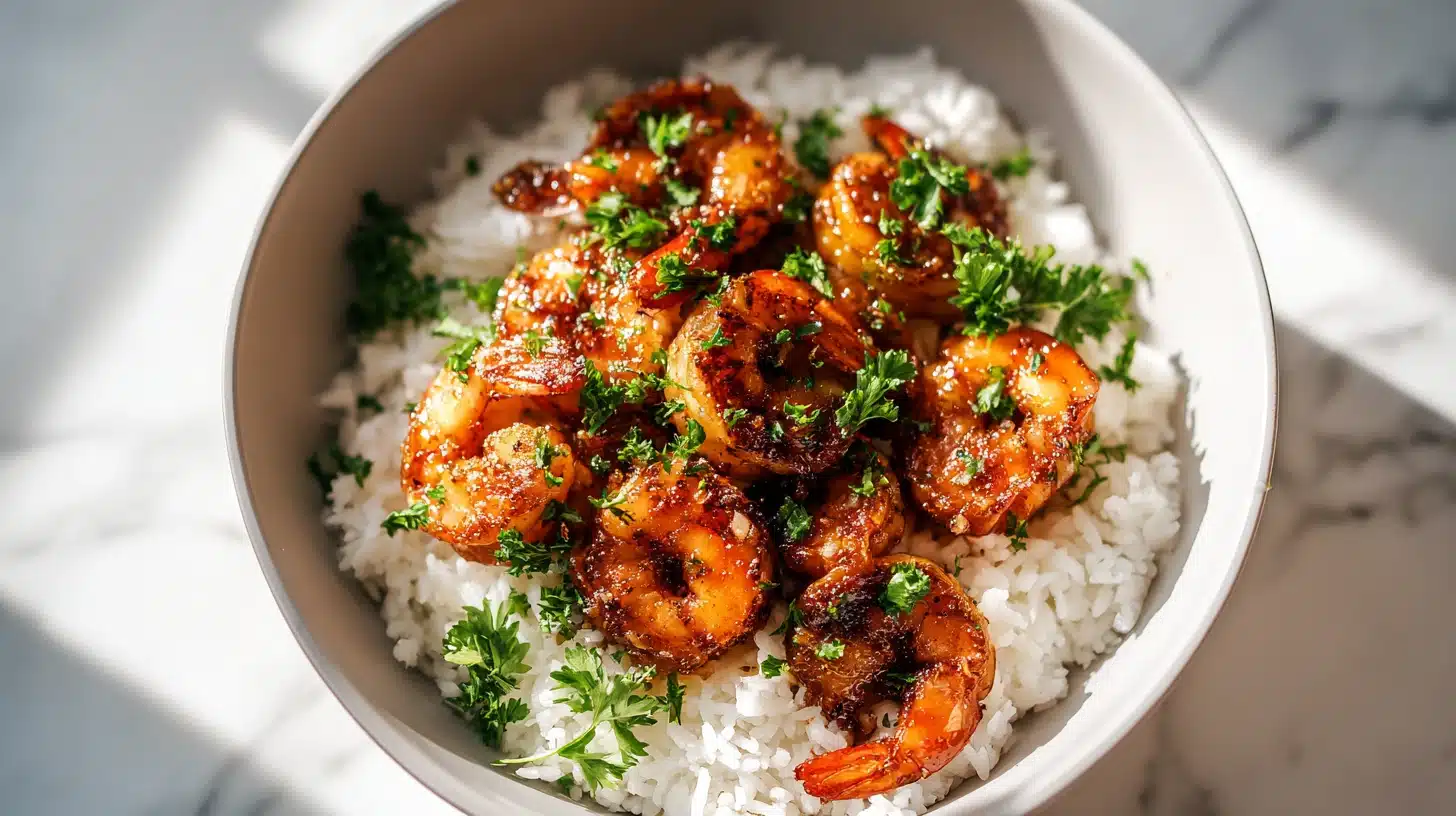
Most quick shrimp recipes either turn out rubbery from high heat or bland from too little seasoning. This one works because a short marinade tenderizes the shrimp while a screaming-hot pan caramelizes the glaze in seconds instead of stewing it.
Here’s what matters: why the marinating time actually changes the texture, how to build the sticky glaze without burning it, and the one searing trick that separates good from genuinely great.
Table of Contents
Why Garlic Brown Sugar Shrimp Works So Well
Brown sugar and garlic taste good together for a reason. The sugar caramelizes under heat, turning from granular sweetness into a deep, almost toffee-like coating. The garlic, cooked in butter at the same time, turns soft and slightly golden, losing its raw sharpness and picking up a roasted, savory depth.
Your taste buds register sweet, savory, and salt all at once. Every bite stays interesting. You stop thinking about stopping.
The Role of the Marinade
This recipe calls for a 45-minute marinade, and that time does real work. Shrimp cook in under two minutes per side, which means they have almost no time to absorb flavor during cooking. The marinade solves this by letting the soy sauce and brown sugar penetrate the surface before the shrimp ever hit the pan.
Soy sauce also acts as a mild brine. It draws a tiny amount of moisture out of the shrimp and then pulls it back in, carrying dissolved sugar and garlic with it. The result is shrimp seasoned all the way through rather than just on the surface. Don’t skip this step. Forty-five minutes is the minimum. You can go up to two hours in the refrigerator without any textural damage.
Understanding the Glaze
The glaze forms directly in the pan from the marinade that clings to the shrimp when you lift them out of the bowl. That residual liquid hits the hot butter and almost immediately begins to reduce. Within 30 to 45 seconds it thickens into a shiny, sticky coating that clings to every curve of the shrimp.
Pan temperature matters more than almost anything else. If the skillet isn’t hot enough, the liquid spreads out, bubbles slowly, and produces steam. The shrimp cook through before the glaze concentrates, and you end up with pale, soft shrimp sitting in a thin, watery sauce. Get the pan properly hot and you get caramelized garlic shrimp with that lacquered finish that looks like you spent far more time than you actually did.
If you like this sweet-savory glaze approach, try it on pork in this garlic brown sugar pork tenderloin juicy glazed easy dinner.
Print
Garlic Brown Sugar Shrimp: The Sweet-Savory Glaze That Changes Weeknight Dinner
- Total Time: 63 min
- Yield: 4 servings 1x
Description
Garlic brown sugar shrimp is a quick pan-seared dinner with a sticky, caramelized glaze made from brown sugar, soy sauce, and fresh garlic. A short marinade seasons the shrimp all the way through, and the whole dish comes together in under 15 minutes of active cooking. It is bold, sweet, and savory all at once.
Ingredients
For the marinade:
3 tablespoons brown sugar (packed)
2 tablespoons soy sauce
5 garlic cloves (minced)
1/4 teaspoon red pepper flakes
1/4 teaspoon black pepper
1/4 teaspoon salt
For the shrimp:
1.5 lbs large shrimp (peeled, deveined, tails on or off, patted dry)
2 tablespoons unsalted butter
1 tablespoon olive oil
For serving:
2 tablespoons fresh flat-leaf parsley (roughly chopped)
Steamed jasmine rice or crusty bread
Instructions
1. Combine the marinade: Whisk together the brown sugar, soy sauce, minced garlic, red pepper flakes, salt, and black pepper in a medium bowl until the sugar fully dissolves and the mixture smells fragrant.
2. Marinate the shrimp: Add the patted-dry shrimp to the bowl and toss until every piece is evenly coated. Cover with plastic wrap and refrigerate for 45 minutes. Do not marinate longer than 2 hours.
3. Prep for cooking: After marinating, lift the shrimp out with a slotted spoon and transfer to a paper-towel-lined plate. Reserve 3 tablespoons of the marinade liquid in a small dish and discard the rest. Blot any excess pooled marinade from the tops of the shrimp.
4. Heat the pan: Set a 12-inch cast iron or stainless steel skillet over medium-high heat for 90 seconds. Add the olive oil and let it shimmer, about 30 seconds, then add the butter and swirl until it melts and the foam settles.
5. Sear the first side: Add the shrimp in a single layer without crowding. You should hear a loud, aggressive sizzle immediately. Cook without moving for 60 to 90 seconds until the edges turn pink and the bottom shows a light golden-brown crust.
6. Flip and glaze: Turn each shrimp over with tongs. Drizzle the reserved marinade around the edges of the pan. It will bubble and thicken into a glossy glaze within 30 to 45 seconds. Swirl the pan or toss the shrimp to coat them evenly.
7. Finish and serve: Remove from heat the moment the shrimp are opaque all the way through and the glaze clings and shines on the surface. Scatter fresh parsley over the top and serve immediately over rice or with bread.
Notes
Store leftovers in an airtight container in the refrigerator for up to 2 days. Cooked shrimp do not freeze well and are best eaten fresh.
To reheat, warm a skillet over medium heat with a small splash of water or broth and toss the shrimp for 60 to 90 seconds. Avoid the microwave as it makes shrimp rubbery.
For a spicier version, swap the red pepper flakes for 1 teaspoon of sriracha stirred into the marinade.
Add 1 teaspoon of freshly grated ginger to the marinade for a warmer, more aromatic flavor profile.
Pat the shrimp completely dry before marinating. Surface moisture dilutes the marinade and prevents the sear needed for a good caramelized glaze.
- Prep Time: 5 min
- Rest Time: 45 min
- Cook Time: 13 min
- Category: Dinner, Main Course
- Method: Stovetop
- Cuisine: American
Nutrition
- Serving Size: about 6 to 8 shrimp
- Calories: 285 kcal
- Sugar: 9 g
- Sodium: 620 mg
- Fat: 12 g
- Saturated Fat: 5 g
- Unsaturated Fat: 7 g
- Trans Fat: 0 g
- Carbohydrates: 13 g
- Fiber: 0 g
- Protein: 28 g
- Cholesterol: 215 mg
Ingredients for Garlic Brown Sugar Shrimp
Getting the ingredient list right is where the recipe either sings or falls flat. There are no obscure additions here, but each ingredient earns its place.
The Shrimp
Use large or extra-large shrimp, labeled 21-25 or 26-30 count per pound. Smaller shrimp overcook before the glaze has time to set. Larger shrimp, like colossal or jumbo, take slightly longer and can end up with the outside glaze burning before the interior is cooked through. Medium-large is the sweet spot.
Fresh shrimp are ideal, but frozen shrimp work beautifully in this recipe. Most “fresh” shrimp at the seafood counter has been previously frozen anyway. Thaw frozen shrimp overnight in the refrigerator or under cold running water for 10 minutes. Pat them very dry with paper towels before marinating. Excess surface moisture dilutes the marinade and prevents the sear you need.
Peeled and deveined shrimp are the most convenient choice. You can leave the tails on for presentation, which makes them easy to pick up and gives the finished dish a cleaner look, or remove them entirely for easier eating.
The Marinade and Glaze Ingredients
Here is a full breakdown of what you need and why each component matters:
| Ingredient | Amount | Role |
|---|---|---|
| Large shrimp, peeled and deveined | 1.5 lbs | The base protein |
| Brown sugar (packed) | 3 tablespoons | Sweetness and caramelization |
| Soy sauce | 2 tablespoons | Saltiness, depth, mild brine |
| Unsalted butter | 2 tablespoons | Fat for searing and glaze richness |
| Garlic cloves, minced | 5 cloves | Savory, aromatic backbone |
| Olive oil | 1 tablespoon | High smoke point for searing |
| Red pepper flakes | 1/4 teaspoon | Gentle heat as a counterpoint |
| Fresh parsley, chopped | 2 tablespoons | Freshness and color at the end |
| Salt and black pepper | To taste | Balance |
Brown sugar is specifically important here. White sugar caramelizes at a higher temperature and lacks the molasses undertone that makes brown sugar glaze taste complex rather than just sweet. Dark brown sugar will give you an even deeper, more robust glaze if you have it on hand.
How to Make Garlic Brown Sugar Shrimp Step by Step
The process breaks into three phases: marinating, prepping your pan, and cooking. Each phase is short, but doing them in order and paying attention to a few key details makes the difference between good and genuinely great.
Phase 1: The Marinade
Combine the brown sugar, soy sauce, minced garlic, red pepper flakes, salt, and black pepper in a medium bowl and whisk until the sugar dissolves. Add the shrimp and toss to coat every piece. Cover the bowl with plastic wrap and refrigerate for 45 minutes.
When the time is up, lift the shrimp out of the marinade with a slotted spoon or tongs and set them on a plate lined with a paper towel. Reserve the marinade liquid in the bowl. You will add a splash of it back into the pan during cooking to help build the glaze. Dab the tops of the shrimp gently to remove any excess pooled liquid while still leaving a thin coating of the marinade on the surface.
Phase 2: Heating the Pan
Set a large stainless steel or cast iron skillet over medium-high heat. Let it heat for a full 90 seconds before adding anything. Add the olive oil and let it shimmer for another 30 seconds. Then add the butter and swirl to melt. You want the butter to foam and then settle, which signals it is hot enough without burning.
Don’t use a non-stick skillet for this step. Non-stick surfaces cap out at lower temperatures and won’t give you the hard sear that creates caramelization.
Phase 3: Cooking the Shrimp
Add the shrimp to the pan in a single layer. Don’t stack or crowd them. If your skillet is smaller than 12 inches, cook in two batches. Crowding drops the pan temperature instantly and the shrimp will steam rather than sear. You’ll hear a satisfying, aggressive sizzle the moment they hit the pan and that sound is exactly what you want.
Cook for 60 to 90 seconds on the first side without moving them. You’re looking for the edges to turn pink and the bottom to show a slight golden-brown color. Flip each shrimp with tongs and cook for another 60 seconds. Drizzle 2 tablespoons of the reserved marinade around the edges of the pan. It will bubble and thicken almost immediately. Swirl the pan or toss the shrimp to coat them in the glaze.
Remove from heat when the shrimp are just opaque all the way through and the glaze is shiny and clings to the surface. Overcooked shrimp turn tight and rubbery, so pull them off the heat the moment they look done. Scatter fresh parsley over the top and serve immediately.
For a different take on classic pan-seared shrimp, the lemon garlic butter shrimp recipe on Forkful Daily is a bright, citrus-forward option worth bookmarking.
Serving, Storing, and Variations
What to serve with garlic brown sugar shrimp
This dish is versatile enough to land on a weeknight dinner table or a casual dinner party spread. The sticky glaze means it pairs best with something that can catch the drips.
- Steamed white rice or jasmine rice is the classic pairing. The mild, fluffy grains balance the bold sweetness of the glaze without competing.
- A bowl of garlic butter pasta underneath the shrimp turns this into a more substantial main course in minutes.
- Roasted broccoli or broccolini works beautifully. The slight bitterness cuts the sweetness and gives you something green on the plate.
- Crusty bread for mopping up the glaze is never wrong. Pile the shrimp over slices of toasted sourdough for a casual, crowd-pleasing presentation.
- A simple cucumber and rice vinegar salad on the side adds a cool, acidic contrast that refreshes the palate between bites.
How to store and reheat
Leftover brown sugar garlic shrimp keeps in an airtight container in the refrigerator for up to two days. Shrimp don’t freeze well once cooked. The cell walls break down and the texture becomes mealy after thawing.
To reheat, warm a skillet over medium heat, add a tiny splash of water or chicken broth, and add the shrimp. Toss for 60 to 90 seconds just until warmed through. Avoid the microwave. The quick blast of intense heat tightens the proteins and makes the shrimp rubbery.
Variations worth trying
The base recipe is the foundation, but there’s plenty of room to move in different directions.
- Add a teaspoon of freshly grated ginger to the marinade for a warmer, slightly spicy note that pushes the flavor closer to an Asian-inspired profile.
- Swap the red pepper flakes for a teaspoon of sriracha to make a pan-seared brown sugar shrimp version with a smooth, building heat.
- Add a tablespoon of rice vinegar to the marinade. It brightens the glaze and keeps the sweetness from feeling one-note.
- Finish with a squeeze of fresh lime juice right before serving. The acid lifts every other flavor and gives the dish a restaurant-style finish.
- For a quick shrimp marinade that pulls double duty, double the batch and use half on shrimp and the other half to glaze grilled pineapple as a side. The caramelized fruit with the sweet-savory shrimp is a combination that looks impressive with almost no extra effort.
Frequently Asked Questions
Can I use frozen shrimp for this recipe?
Yes, absolutely. Thaw frozen shrimp under cold running water for 10 minutes or overnight in the refrigerator. The most important step is patting them completely dry before adding them to the marinade. Any excess moisture on the surface will dilute the marinade and prevent the glaze from forming properly in the pan.
Can I marinate the shrimp longer than 45 minutes?
You can marinate for up to two hours in the refrigerator without any problem. Beyond two hours the soy sauce will start to break down the texture of the shrimp slightly, making them softer and less firm after cooking. For meal prep purposes, marinating overnight is not recommended for this particular recipe.
Why did my glaze burn instead of caramelize?
The most common reason is pan temperature that is too high combined with a glaze added too early. Add the reserved marinade in the last 60 seconds of cooking, not at the start. Sugar burns quickly at very high heat. If you notice the glaze darkening too fast, pull the pan off the burner for a few seconds and swirl before returning it to medium heat.
What is the best pan for caramelized garlic shrimp?
A 12-inch cast iron skillet or stainless steel pan gives the best results. Both retain heat evenly and can handle the high temperature needed for a proper sear. Non-stick pans work in a pinch but won’t produce the same caramelized crust on the shrimp or the same glaze color. If you only have non-stick, increase the heat slightly and extend the sear time by 20 to 30 seconds per side.
Conclusion
Garlic brown sugar shrimp proves that the best weeknight dinners are often the ones where a handful of basic pantry ingredients do something genuinely unexpected together. The marinade does the heavy lifting while you’re busy with everything else, and the actual cooking takes less than five minutes once the pan is hot.
Give this one a try tonight or save it for the weekend when you want something that feels special without the cleanup of an elaborate recipe. It earns its place in regular rotation.
For more recipes like garlic brown sugar shrimp, follow us on Facebook and Pinterest for quick and easy weeknight dinner ideas.