A good garlic brown sugar glaze makes people think you spent far more time cooking than you actually did. That sweet, sticky caramel crust hiding layers of savory garlic and a hit of soy sauce? It’s dinner magic.
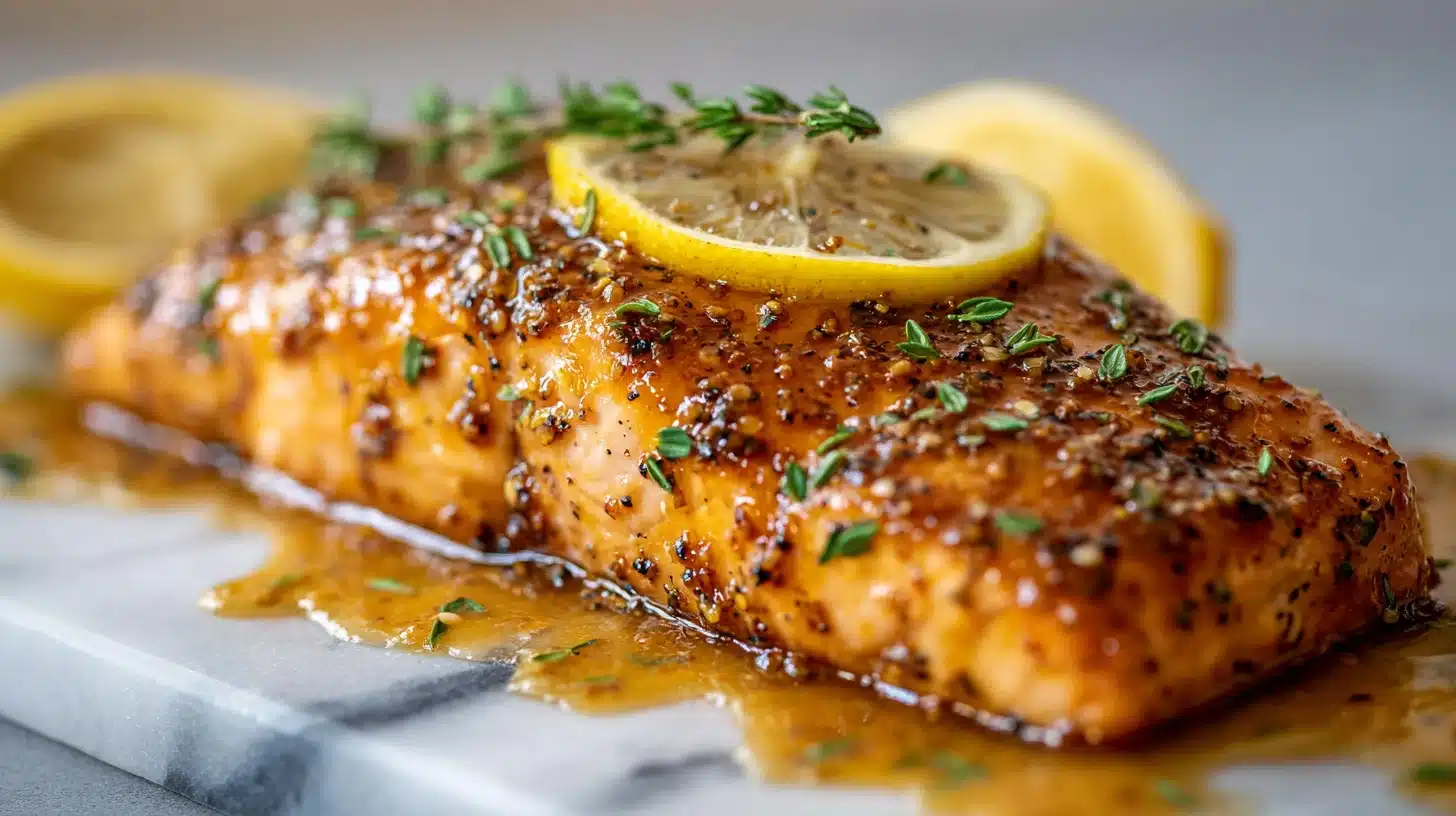
Most glazes slide right off the protein or turn gummy and bitter in the oven. This one stays lacquered and shiny because the ratio of sugar to butter to acid is dialed in correctly.
Here’s what you’ll learn: how to build the glaze from scratch, which proteins work best, and the exact broiling trick that locks in that deep caramelized crust.
Table of Contents
What Goes Into a Great Garlic Brown Sugar Glaze
Every ingredient in a brown sugar garlic glaze earns its place. Get the ratio wrong and you end up with either a cloying candy coating or a watery sauce that never thickens. Get it right and you have a glossy, clinging lacquer that caramelizes beautifully under heat.
The Core Ingredients
Here’s what you need and why:
- Brown sugar: The molasses in brown sugar gives depth that white sugar can’t match. It also lowers the burning point slightly, so you get caramelization at lower temperatures. Light brown sugar works for a milder flavor; dark brown sugar adds an almost smoky richness.
- Garlic: Fresh minced garlic is essential here. Garlic powder won’t caramelize the same way and can taste flat once cooked down. Use at least four cloves, minced fine so they melt into the glaze.
- Soy sauce: This is the umami backbone. Even two tablespoons transform the glaze from simple sweetness into something complex and savory. Low-sodium soy sauce keeps the saltiness manageable.
- Butter: Butter carries fat-soluble flavors and gives the glaze a silky finish. One tablespoon is enough for richness without greasiness.
- Lemon juice: A small squeeze cuts the sweetness and keeps the glaze from tasting one-note. Acid also helps caramelization by slowing sugar crystallization.
- Olive oil: A teaspoon helps the glaze bind to the protein and prevents sticking, especially useful on a sheet pan without parchment paper.
- Red pepper flakes: Optional, but even a pinch adds warmth that balances the sweetness.
- Fresh ginger: About half a teaspoon of grated ginger adds brightness that pairs especially well with salmon.
Building the Glaze: The Right Technique
Combine brown sugar, minced garlic, soy sauce, butter, lemon juice, and olive oil in a small saucepan over medium-low heat. Stir constantly for about two to three minutes until the butter melts and the sugar dissolves. You’re not cooking the glaze all the way down here; you just want everything incorporated and warm enough to brush on smoothly. The glaze finishes cooking on your protein, which is where the caramelization happens.
If you prefer a thicker consistency for marinating, let the glaze cool for ten minutes before applying it. A warm glaze brushed onto cold salmon or chicken thighs will soak in slightly at the surface, giving you deeper flavor rather than just a surface coat.
Print
Garlic Brown Sugar Glaze That Works on Everything (Salmon, Chicken, and More)
- Total Time: 33 min
- Yield: 4 servings 1x
Description
A sweet and savory garlic brown sugar glaze made with brown sugar, fresh garlic, soy sauce, and butter. It caramelizes beautifully over salmon fillets or chicken thighs and comes together in about five minutes. Great for weeknight dinners and meal prep alike.
Ingredients
For the garlic brown sugar glaze:
1/3 cup brown sugar (packed, light or dark)
4 cloves garlic (minced fine)
2 tablespoons soy sauce (low-sodium preferred)
1 tablespoon unsalted butter
1 tablespoon olive oil
1 tablespoon fresh lemon juice
1/2 teaspoon fresh ginger (grated)
1/4 teaspoon red pepper flakes (optional)
For the salmon:
4 salmon fillets (6 ounces each, skin-on, patted dry)
1/2 teaspoon kosher salt
1/4 teaspoon black pepper
1 lemon (sliced, for serving)
Fresh parsley (chopped, for garnish)
Instructions
1. Make the glaze: Combine brown sugar, minced garlic, soy sauce, butter, olive oil, lemon juice, grated ginger, and red pepper flakes in a small saucepan over medium-low heat. Stir constantly for 2 to 3 minutes until the butter melts and the sugar fully dissolves. The glaze will look glossy and smell deeply savory-sweet. Remove from heat and let cool for 5 minutes.
2. Preheat and prep: Preheat your oven to 400 degrees F. Line a rimmed baking sheet with parchment paper. Pat the salmon fillets thoroughly dry with paper towels, then season both sides with salt and pepper.
3. Glaze the salmon: Arrange the salmon fillets skin-side down on the prepared baking sheet. Brush a generous, even layer of the garlic brown sugar glaze over the top and sides of each fillet, using about half the glaze total.
4. Roast the salmon: Transfer the baking sheet to the oven and roast for 12 to 14 minutes, depending on the thickness of the fillets. The flesh should look opaque at the edges and the glaze should be bubbling and fragrant.
5. Broil to finish: Switch the oven to broil on high. Brush the remaining glaze over each fillet, then broil for 2 minutes until the glaze turns deep amber and caramelized on top. Watch closely during broiling to prevent burning.
6. Rest and serve: Remove the salmon from the oven. The internal temperature should read 125 to 145 degrees F depending on your preferred doneness. Let the fillets rest on the pan for 2 minutes so the glaze sets slightly, then garnish with chopped parsley and serve with lemon slices.
Notes
Store leftover cooked salmon in an airtight container in the refrigerator for up to 3 days. Reheat at 300 degrees F for 10 minutes. The glaze itself keeps in a sealed jar in the refrigerator for up to 5 days or in the freezer for up to 2 months.
For chicken thighs: Use the same glaze. Sear bone-in thighs skin-side down in an oven-safe skillet for 4 to 5 minutes, then brush with glaze and roast at 400 degrees F for 22 to 25 minutes until internal temperature reaches 165 degrees F. Brush a second coat at the 20-minute mark.
For grilling: Apply the glaze only in the last 4 to 5 minutes over medium heat to prevent the brown sugar from burning on the grates.
For a thicker glaze: Simmer an extra 2 minutes in the saucepan before brushing. For a sweeter result, swap half the soy sauce for honey and reduce the brown sugar by one tablespoon.
- Prep Time: 5 min
- Cook Time: 28 min
- Category: Dinner, Main Course
- Method: Baking
- Cuisine: American
Nutrition
- Serving Size: 1 salmon fillet
- Calories: 342 kcal
- Sugar: 14 g
- Sodium: 480 mg
- Fat: 16 g
- Saturated Fat: 4 g
- Unsaturated Fat: 12 g
- Trans Fat: 0 g
- Carbohydrates: 18 g
- Fiber: 0 g
- Protein: 34 g
- Cholesterol: 94 mg
How to Use This Glaze on Salmon
Brown sugar garlic salmon is probably the most popular use for this glaze. The natural fats in salmon fillets carry the sweet and savory flavors deep into the flesh, and the skin crisps beautifully under high heat while the glaze turns that gorgeous amber bronze color.
Oven Method
Preheat your oven to 400°F and line a baking sheet with parchment paper. Pat four salmon fillets dry with a paper towel. Drying the surface is critical: moisture stops caramelization. Any water on the fish will steam the surface instead of browning it, and you’ll end up with a pale, sticky mess.
Brush a generous layer of the garlic brown sugar glaze over each fillet. Roast for 12 to 14 minutes depending on thickness, then switch the oven to broil for the final 2 minutes. Watch carefully. Those last two minutes transform the glaze from sticky to shatteringly caramelized, but they can also cross into burned territory fast. You want the top to look deep bronze with a few caramel-colored edges.
Air Fryer Method
The air fryer produces an even faster result. Preheat the air fryer to 390°F. Place the glazed fillets in the basket without overlapping. Cook for 8 to 10 minutes, brushing a second coat of glaze on at the halfway point. The circulating heat creates a crust that rivals anything you can get under a broiler.
If you enjoy garlic-forward seafood, you might also love this lemon garlic butter shrimp recipe, which uses a similar sweet-savory balance in a quick skillet preparation.
How to Tell When Salmon Is Done
Press the thickest part of the fillet gently with a fingertip. It should feel firm but not hard, and the flesh should flake easily when nudged with a fork. The internal temperature should read 125°F to 130°F for medium, or 145°F if you prefer it fully cooked through. At 145°F the fish will be opaque all the way through with no translucent center.
How to Use This Glaze on Chicken
Garlic brown sugar chicken is equally good, and the glaze works especially well on bone-in, skin-on chicken thighs. The fat under the skin renders during cooking and mingles with the glaze, creating a sticky, lacquered exterior that stays juicy underneath.
Skillet-to-Oven Method
Season four bone-in chicken thighs with salt and pepper. Heat a cast iron or oven-safe skillet over medium-high heat with a drizzle of olive oil. Sear the thighs skin-side down for 4 to 5 minutes until the skin is golden and has released its fat. You’ll hear a satisfying sizzle from the moment the skin hits the pan. Flip the thighs, brush the skin generously with the garlic brown sugar glaze, and transfer the skillet to a 400°F oven.
Roast for 22 to 25 minutes until the internal temperature reaches 165°F. At the 20-minute mark, brush on a second coat of glaze and return to the oven for the final stretch. The result is a lacquered, deeply golden skin with tender, juicy meat underneath.
For another garlic-forward chicken dinner that comes together in one pan, check out this one pan garlic butter chicken recipe for a quick weeknight option.
Boneless Chicken Thighs
Boneless thighs cook faster, around 18 to 20 minutes total at 400°F. They’re also ideal for meal prep since they slice easily and hold their moisture when stored. Brush glaze on before cooking and again at the 15-minute mark for maximum caramelization.
Can This Glaze Work on Chicken Breasts?
Yes, but with caution. Chicken breasts are leaner and dry out faster than thighs. If you use breasts, pound them to an even thickness of about three-quarters of an inch and reduce oven time to 18 to 20 minutes. The glaze helps keep the surface moist, but the lean meat is less forgiving if you overshoot the temperature.
Storage, Meal Prep, and Variations
This garlic glaze fits easily into a meal prep routine. The glaze itself keeps beautifully, and leftover proteins reheat without losing their texture or flavor.
Making the Glaze Ahead
The brown sugar garlic glaze can be made up to five days in advance. Store it in a sealed jar in the refrigerator. It will thicken and solidify slightly as it chills because of the butter content. Before using, warm it gently in a small saucepan over low heat or microwave it in 15-second bursts, stirring between each, until it returns to a brushable consistency.
Storing Cooked Proteins
Cooked glazed salmon keeps in an airtight container in the refrigerator for up to three days. Reheat it gently in a 300°F oven for 10 minutes rather than using the microwave, which tends to make fish rubbery. Glazed chicken thighs store for up to four days and reheat well at 350°F for 12 minutes. The glaze re-caramelizes slightly during reheating, which actually improves the texture.
Variations Worth Trying
The sweet and savory glaze formula is a template. Here are a few directions you can take it:
- Honey swap: Replace half the brown sugar with honey for a more floral sweetness and an even glossier finish.
- Dijon addition: A teaspoon of Dijon mustard adds tang and helps emulsify the glaze for a thicker coat.
- Orange zest: One teaspoon of fresh orange zest adds bright citrus that pairs beautifully with salmon.
- Sesame oil: A half teaspoon of toasted sesame oil at the end of cooking pushes the glaze into Asian-inspired territory.
- Smoked paprika: A quarter teaspoon deepens the color and adds a gentle smoke note that works well with chicken.
If you enjoy the combination of garlic and slow-built sweet flavors, the fermented honey garlic recipe is worth exploring as a pantry ingredient that can replace the raw garlic in this glaze for an even more complex flavor.
This garlic brown sugar sauce also works on pork. If you want to see it applied to a full tenderloin recipe, the garlic brown sugar pork tenderloin juicy glazed easy dinner walks you through the same technique with pork-specific timing.
Frequently Asked Questions
How do I know when salmon is fully cooked?
The most reliable method is an instant-read thermometer. Insert it into the thickest part of the fillet and look for 125°F to 130°F for medium or 145°F for fully cooked. Visually, fully cooked salmon will be opaque throughout with no translucent pink center, and the flesh will flake easily when pressed with a fork.
Can I use this glaze for grilling outdoors?
Yes, this garlic brown sugar glaze works well on a grill, but you need to manage the heat carefully. The brown sugar burns quickly over direct high heat, so grill your protein over medium heat and apply the glaze only in the last 4 to 5 minutes of cooking. Brush it on, close the lid for two minutes, then brush a second coat and cook until done. This creates a caramelized crust without charring.
How long should I marinate the salmon?
For salmon, 15 to 30 minutes of marinating in the glaze is plenty. Because brown sugar is hygroscopic, meaning it draws moisture out of food, marinating longer than 45 minutes can actually begin to break down the surface texture of the fish and make it mushy. A short marinade builds great flavor without compromising texture.
Can I prepare the glaze in advance?
Absolutely. The glaze keeps in a sealed jar in the refrigerator for up to five days, or you can freeze it for up to two months. Warm it gently before using since the butter will solidify when cold. Making a double batch on Sunday means you have a ready-to-use garlic brown sugar sauce for salmon on Monday and chicken on Wednesday with almost no extra effort.
Conclusion
Once you have this garlic brown sugar glaze in your weekly rotation, plain roasted salmon and chicken start to feel like missed opportunities. The combination of caramelized brown sugar, sharp fresh garlic, and savory soy sauce creates a depth of flavor that tastes genuinely complex while taking less than five minutes to put together.
Give this recipe a try this week. Whether you use it on salmon for a quick Tuesday dinner or on chicken thighs for a Sunday meal prep session, it’s the kind of sauce that earns a permanent spot in your refrigerator.
For more recipes like garlic brown sugar glaze, follow us on Facebook and Pinterest for sweet and savory dinner ideas all week long.