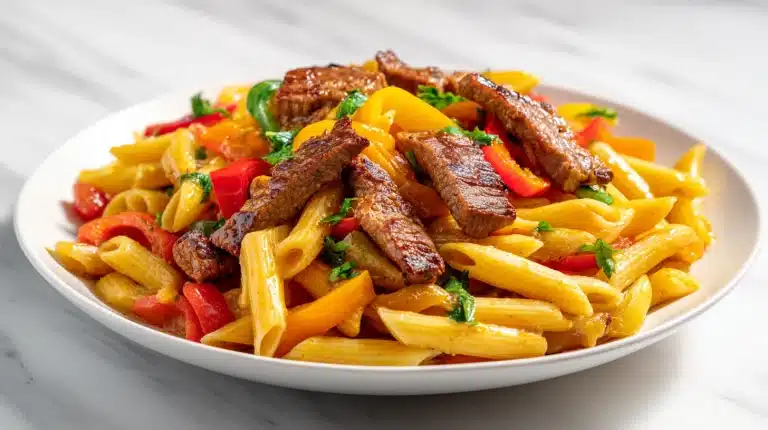
The first time I tasted a proper garlic brown sugar marinade, I pulled a piece of flank steak off the grill and stood there in my backyard eating it straight off the cutting board, not even bothering to bring it inside.
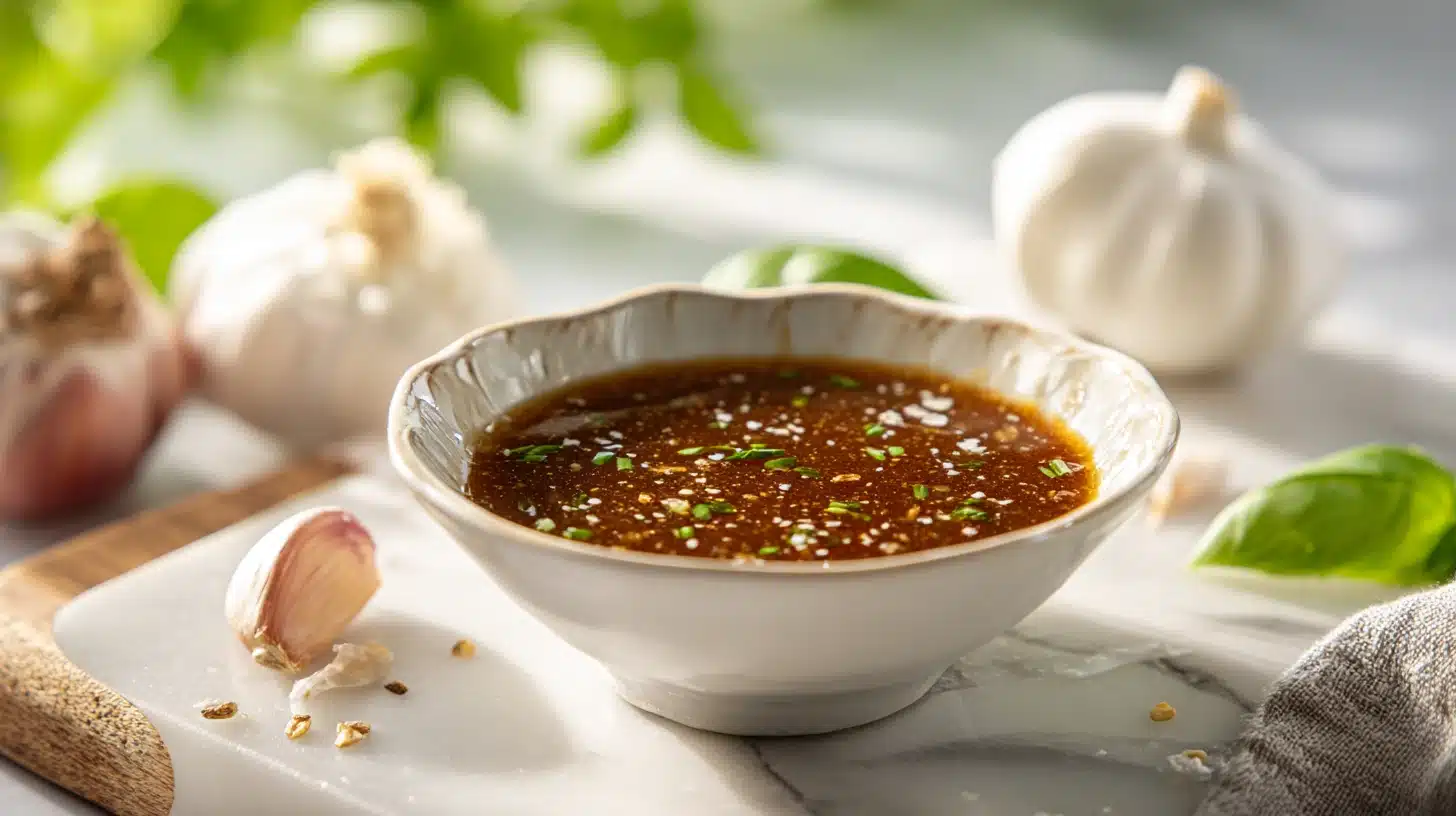
Dry, bland grilled meat is one of the most common dinner disappointments, and it almost always comes down to a weak marinade. This recipe fixes that with a blend of sweet, savory, and tangy ingredients that soak deep into the meat and create a gorgeous caramelized crust.
Coming up: exactly why brown sugar is the secret to a better crust, which proteins work best with this marinade, and how long to marinate for maximum flavor.
Table of Contents
Why this garlic brown sugar marinade works so well
There’s a reason this particular combination of ingredients keeps showing up in restaurant kitchens and backyard grills alike. The garlic brown sugar marinade hits every major flavor note at once: sweet, salty, savory, tangy, and just slightly sharp. Understanding why each ingredient earns its place will help you adjust the recipe with confidence.
The science of brown sugar in a marinade
Brown sugar does two jobs that white sugar simply cannot do as well. First, it tenderizes. Sugar is mildly hygroscopic, meaning it draws moisture into the surface of the meat. More importantly, the molasses content in brown sugar adds a deep, almost earthy sweetness that balances high-heat bitterness from a hot grill or cast iron pan.
The second job is caramelization. When sugar hits a surface above 320 degrees Fahrenheit, it melts and browns. On meat, this creates that sticky, lacquered exterior you see at good barbecue spots: mahogany-colored, slightly crispy at the edges, sweet and smoky all at once. Dark brown sugar delivers a more intense molasses flavor than light brown, so use it if you want something bolder.
Garlic: the savory anchor
Fresh minced garlic is non-negotiable here. Garlic powder will work in a pinch, but fresh garlic contains sulfur compounds that break down and mellow during marinating, leaving behind a rounder, less sharp flavor. As the marinade sits on the meat, those garlic aromatics soak in, so every bite carries that warm, savory depth.
The supporting cast
The remaining ingredients each play a specific role:
- Soy sauce adds saltiness and umami, and the sodium helps the marinade penetrate muscle fibers at a cellular level.
- Olive oil carries fat-soluble flavor compounds into the meat and helps the sugar stick to the surface rather than dripping straight off.
- Balsamic vinegar and apple cider vinegar provide acidity to break down tough proteins and brighten the overall flavor.
- Worcestershire sauce adds a complex, fermented savory note that you might not identify by name but would absolutely notice if it were missing.
- Dijon mustard acts as an emulsifier, binding the oil and vinegar into a cohesive marinade instead of letting them separate.
- A splash of bourbon is entirely optional, but it adds a warm, oaky sweetness that pairs beautifully with both the brown sugar and the smoke from a grill.
If you love the idea of sweet garlic flavors working together in unexpected ways, you might also enjoy reading about this fermented honey garlic recipe for another way to coax complexity out of simple ingredients.
Print
The Best Garlic Brown Sugar Marinade (Ready in 5 Minutes)
- Total Time: 5 min
- Yield: 1 cup 1x
Description
This garlic brown sugar marinade is a quick, five-minute mix of dark brown sugar, fresh garlic, soy sauce, balsamic vinegar, and Dijon mustard. It creates a sticky, caramelized crust on chicken, steak, pork, or seafood. Make a batch ahead and keep it in the fridge for up to five days.
Ingredients
For the marinade (makes about 1 cup):
3 tablespoons dark brown sugar (packed)
4 cloves garlic (minced finely)
3 tablespoons low-sodium soy sauce
2 tablespoons olive oil
1 tablespoon balsamic vinegar
1 tablespoon apple cider vinegar
1 tablespoon Worcestershire sauce
1 teaspoon Dijon mustard
1 tablespoon fresh lemon juice
2 tablespoons bourbon (optional)
1/4 teaspoon kosher salt
1/4 teaspoon black pepper
Instructions
1. Dissolve the sugar: Add the dark brown sugar to a medium bowl. Pour the soy sauce over it and whisk vigorously for about 30 seconds until the sugar is fully dissolved and no granules remain at the bottom.
2. Add the garlic and wet ingredients: Whisk in the minced garlic, olive oil, balsamic vinegar, apple cider vinegar, Worcestershire sauce, and Dijon mustard until the mixture is smooth and cohesive. The Dijon will help bind the oil and vinegar into an emulsified marinade.
3. Finish and taste: Stir in the fresh lemon juice and bourbon if using. Taste the marinade and adjust: add more vinegar if it tastes too sweet, or a pinch more brown sugar if it tastes too sharp. Season with kosher salt and black pepper.
4. Prepare the protein: Place up to 2 lbs of chicken, steak, pork, or seafood in a zip-top bag or shallow dish. Pour the marinade over the protein and press out as much air as possible. Make sure every surface is coated.
5. Refrigerate and marinate: Seal the bag or cover the dish and refrigerate. Use these times as a guide: shrimp 15 to 20 minutes, chicken breasts 30 minutes to 8 hours, salmon 20 to 30 minutes, pork tenderloin 1 to 12 hours, flank steak 30 minutes to 24 hours.
6. Remove and pat dry: Lift the protein out of the marinade and pat the surface completely dry with paper towels before cooking. Discard the used marinade. Dry surfaces sear and caramelize properly; wet surfaces steam.
7. Cook over medium-high heat: Grill, sear in a cast iron skillet, or broil the protein using your preferred method. The brown sugar will caramelize quickly, so watch for deep amber color rather than charring. Cook chicken to 165 degrees F, pork to 145 degrees F, and steak to your preferred doneness.
8. Rest before slicing: Let the cooked protein rest for 5 minutes before slicing. This keeps the juices inside the meat. Slice steak and pork tenderloin against the grain for the most tender result.
Notes
Store unused marinade (not contacted with raw meat) in an airtight jar in the refrigerator for up to 5 days. Once used as a marinade, discard the liquid. To freeze, pour fresh marinade into an ice cube tray, freeze solid, then transfer cubes to a zip-top bag and store for up to 2 months.
To make a quick pan sauce or glaze, set aside a small portion of the marinade before adding the meat, then simmer it in a small saucepan over medium heat for 5 minutes until it thickens to a syrupy consistency. Do not use marinade that has contacted raw meat for this purpose.
Swap dark brown sugar for light brown sugar if that is all you have. The flavor will be slightly less intense but still very good. Avoid white sugar because it lacks the molasses depth that makes this marinade distinctive.
If you do not have balsamic vinegar, use an equal amount of red wine vinegar with a small pinch of extra brown sugar to approximate the sweetness. Rice wine vinegar works well if you are making the Asian-inspired variation with sesame oil and ginger.
- Prep Time: 5 min
- Cook Time: 0 min
- Category: Dinner, Main Course
- Method: No-Cook
- Cuisine: American
Nutrition
- Serving Size: 1/4 cup (marinade for approximately 8 oz of protein)
- Calories: 85 kcal
- Sugar: 12 g
- Sodium: 480 mg
- Fat: 5 g
- Saturated Fat: 1 g
- Unsaturated Fat: 4 g
- Trans Fat: 0 g
- Carbohydrates: 9 g
- Fiber: 0 g
- Protein: 1 g
- Cholesterol: 0 mg
Which proteins work best with this marinade
This is one of those recipes that is genuinely hard to use wrong. The garlic and brown sugar marinade works across a wide range of proteins, though the marinating time and technique shift depending on what you are cooking.
Chicken breast and thighs
Chicken is probably the most common use for a brown sugar garlic marinade, and for good reason. The sweetness of the brown sugar helps chicken skin and boneless pieces brown quickly under high heat, and the acid in the vinegar keeps the meat juicy from the inside. Boneless, skinless chicken breasts benefit most from the tenderizing effect because they have very little fat to keep them moist on their own.
For more chicken inspiration using bold garlic flavors, the one pan garlic butter chicken recipe is another weeknight staple worth bookmarking.
Thighs are more forgiving and can handle a longer marinade, but even 30 minutes in this mixture will give you noticeably more flavor than an unmarinated piece.
Flank steak and skirt steak
These cuts are lean and fibrous, which makes them exactly the kind of meat that benefits most from an acid-forward marinade. The balsamic and apple cider vinegar start breaking down the tough muscle fibers within the first 30 minutes. By the two-hour mark, the meat is tender enough to slice thinly against the grain with almost no resistance.
The brown sugar creates a stunning crust on steak over direct high heat. You will hear the sizzle as it hits the grill grates, smell that caramel-and-garlic perfume rising from the fire, and see the exterior turn deep amber within the first two minutes per side.
Pork tenderloin
Pork tenderloin might be the single best protein match for this marinade. The mild sweetness of pork plays beautifully against brown sugar, and the lean cut cooks quickly so the sugars caramelize without burning. For a full recipe built around this combination, the garlic brown sugar pork tenderloin juicy glazed easy dinner is a fantastic place to start.
Shrimp and salmon
Yes, this marinade works on seafood. Keep the marinating time short (15 minutes maximum for shrimp, 20 minutes for salmon) because acid will begin to cook delicate seafood proteins if left too long. The result is a sweet, sticky glaze that chars beautifully under a broiler or on a hot grill.
How to make the garlic brown sugar marinade
This takes five minutes and a single bowl. No blender, no cooking, no special equipment required. You mix everything together, taste it, and pour it over your protein of choice.
Ingredients at a glance
The full quantities are in the recipe card below, but here is what you are working with:
- Dark brown sugar (packed)
- Fresh garlic cloves (minced finely)
- Low-sodium soy sauce
- Olive oil
- Balsamic vinegar
- Apple cider vinegar
- Worcestershire sauce
- Dijon mustard
- Fresh lemon juice
- Bourbon (optional)
- Kosher salt and black pepper
The mixing process
Add the brown sugar to a medium bowl first. Pour the soy sauce directly over it and whisk until the sugar dissolves, which takes about 30 seconds. This step matters because undissolved sugar will sink to the bottom of the bag or dish and not distribute evenly over the meat.
Once the sugar is dissolved, whisk in the minced garlic, olive oil, balsamic vinegar, apple cider vinegar, Worcestershire sauce, and Dijon mustard. The Dijon will help everything come together into a cohesive, slightly thickened liquid. Add the lemon juice last, taste the marinade, and adjust. If it tastes too sweet, add a splash more vinegar. Too sharp? Another pinch of brown sugar.
Marinating the meat
Place your protein in a zip-top bag or shallow dish. Pour the marinade over it, press out as much air as possible if using a bag, and refrigerate. Use the table below as a guide:
| Protein | Minimum Time | Maximum Time |
|---|---|---|
| Shrimp | 15 min | 20 min |
| Chicken breast | 30 min | 8 hours |
| Salmon | 20 min | 30 min |
| Pork tenderloin | 1 hour | 12 hours |
| Flank steak | 30 min | 24 hours |
Never marinate at room temperature. Always keep the meat in the refrigerator during this process.
Tips, variations, and storage
A recipe this simple still has a few places where small decisions make a big difference. Here are the things I have learned from making this brown sugar garlic marinade dozens of times.
Pat the meat dry before cooking
This is the single most important finishing step. Lift the meat out of the marinade and use paper towels to pat the surface completely dry before it goes onto the grill or into the pan. Wet surfaces steam instead of sear. You want dry meat hitting a hot surface so the sugars can caramelize immediately rather than just bubbling in liquid.
Watch the heat
Brown sugar burns faster than you expect. Over direct flame on a grill, keep the heat at medium-high rather than screaming hot. If you are cooking in a cast iron skillet, start at medium-high and reduce to medium after the first sear. The interior of the meat will catch up to a safe temperature without the exterior turning from caramelized to carbonized.
Variations worth trying
- Spicy version: Add one teaspoon of red pepper flakes or a half teaspoon of cayenne to the base recipe.
- Citrus-forward version: Double the lemon juice and add orange zest for a brighter, fresher profile that works especially well on salmon and shrimp.
- Asian-inspired version: Swap the balsamic for rice wine vinegar and add a teaspoon of toasted sesame oil and fresh grated ginger.
- Alcohol-free version: Replace the bourbon with an equal amount of apple juice and a tiny splash of vanilla extract for a similar warmth without the alcohol.
Storage
This garlic brown sugar marinade keeps well in an airtight jar in the refrigerator for up to five days before it contacts any raw meat. Once it has been used as a marinade, discard the liquid because it will contain raw meat juices. If you want to use the marinade as a sauce, set aside a portion before adding the meat and simmer it in a small saucepan over medium heat for five minutes until it thickens slightly into a glaze.
Frequently asked questions
What does brown sugar do in a marinade?
Brown sugar adds sweetness that balances salty and acidic ingredients, and it caramelizes under high heat to create a sticky, deeply browned crust. The molasses in brown sugar also adds a subtle depth of flavor that plain white sugar cannot replicate. Dark brown sugar has more molasses than light brown sugar, making it ideal for a bolder, richer marinade.
Are garlic and brown sugar a good combination?
They are an exceptional combination. Garlic is intensely savory and aromatic, while brown sugar is sweet and slightly caramel-forward, and the contrast between the two creates a complex, balanced flavor that works across nearly every protein. Most great marinades, glazes, and sauces for grilled meat lean on this same sweet-savory pairing as their backbone.
How long should I marinate chicken?
For chicken breasts, a minimum of 30 minutes gives you noticeable flavor, while two to four hours gives you the best results in terms of both taste and tenderness. You can go up to eight hours in the refrigerator, but beyond that the acid in the marinade can start to make the surface texture a little grainy. Chicken thighs are more forgiving and can go the full eight hours without issue.
How long should I marinate steak?
Flank steak and skirt steak do well with at least 30 minutes in a garlic and brown sugar marinade, but two to six hours is the sweet spot. These cuts are fibrous, so the acid needs time to work through the muscle. You can marinate flank steak overnight (up to 24 hours) if needed, though the texture near the surface may become very soft. Thicker cuts like ribeye or New York strip need only one to two hours because their higher fat content already provides tenderness.
Conclusion
A well-made garlic brown sugar marinade is one of those small kitchen efforts that pays out far beyond what the time investment suggests. Five minutes of mixing transforms an ordinary weeknight protein into something with real depth, a caramelized crust, and that satisfying contrast of sweet and savory in every bite. That flank steak I ate standing in the backyard all those years ago? This is the recipe behind it.
Give this a try tonight over chicken thighs, or save it for your next weekend grill session with a whole pork tenderloin.
For more recipes like this garlic brown sugar marinade, follow us on Facebook and Pinterest for easy grilling and weeknight dinner ideas.