The best lemon garlic butter shrimp I ever tasted came from a beat-up cast iron skillet in a tiny coastal kitchen, and it took less time to cook than it did to set the table.
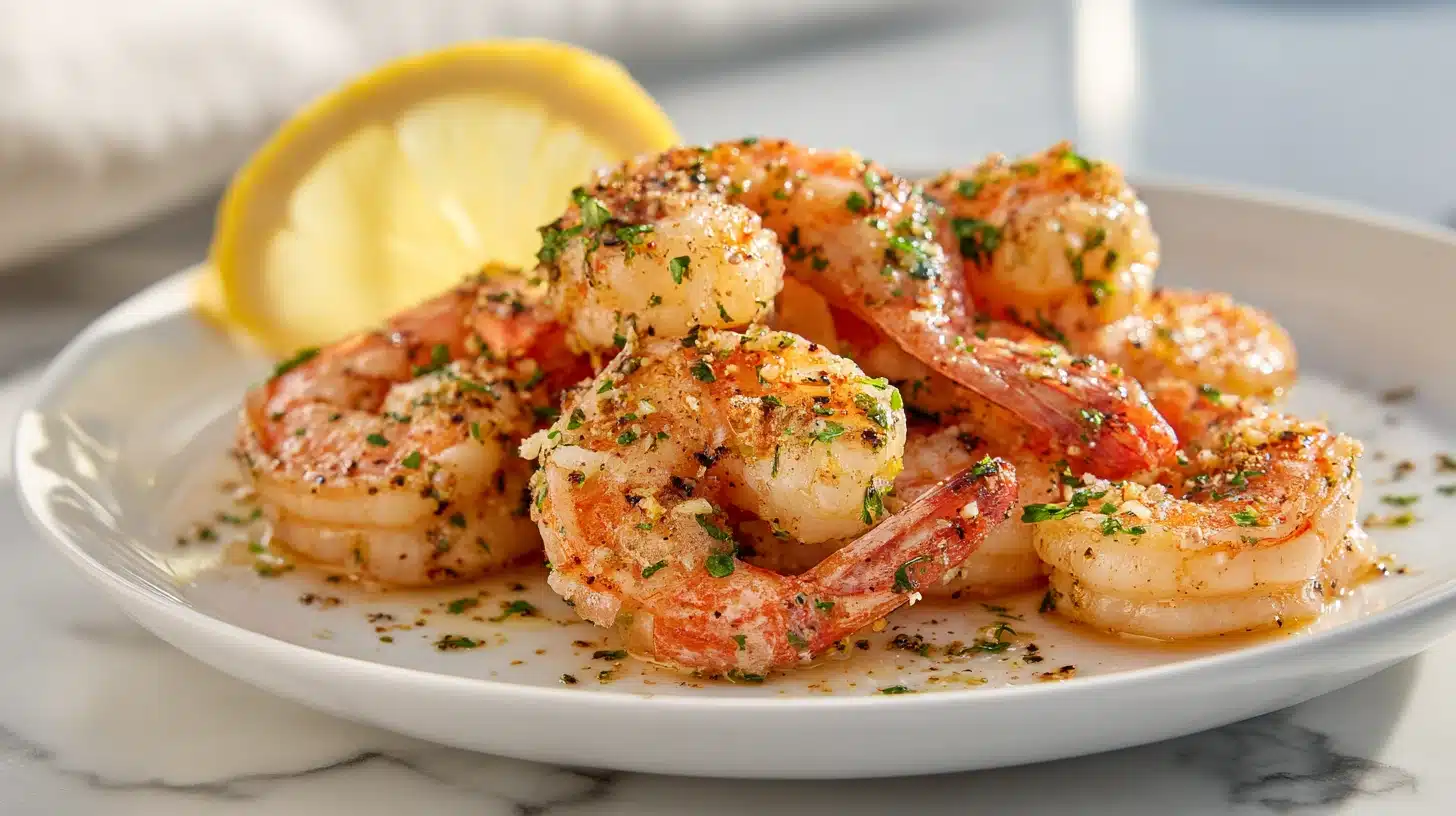
Most people overcook shrimp because they don’t realize how fast they go from perfectly tender to rubbery and tight. This recipe keeps the window wide open with a simple timing trick that guarantees juicy, succulent shrimp every single time.
Inside: you’ll learn exactly how to build that glossy, bright butter sauce, which shrimp to buy for the best texture, and three easy ways to serve this dish on a weeknight.
Table of Contents
Why This Lemon Garlic Butter Shrimp Works So Well
This garlic butter shrimp recipe shows up on every busy cook’s shortlist for good reason. It’s fast, it uses ingredients you already have, and it delivers a sauce so good you’ll want to mop every last drop off the pan with crusty bread.
But speed alone doesn’t make a recipe worth repeating. What makes this lemon shrimp special is the layering of flavors. Olive oil goes in first, which raises the smoke point and keeps the butter from burning too quickly. The garlic blooms in that warm oil and butter mixture, turning fragrant and just barely golden before the shrimp hit the pan. Then lemon juice goes in at the very end, after the heat is dialed back, so the bright citrus note stays sharp and clear instead of cooking off into something flat and bitter.
The Role of Each Ingredient
Every component in this butter shrimp skillet earns its place.
- Shrimp: Large, raw, peeled, and deveined shrimp are the sweet spot. They cook in about two minutes per side, they have enough surface area to pick up a gorgeous sear, and they stay juicy inside the curl.
- Butter: Unsalted butter gives you control over the salt level and creates that silky, golden sauce that clings to every shrimp.
- Garlic: Fresh cloves only. Pre-minced garlic from a jar has already lost most of its volatile oils, which means less flavor and less of that warm, savory depth you’re after.
- Lemon juice and zest: Juice adds acidity that cuts through the richness of the butter. Zest adds a floral, aromatic quality that juice alone can’t replicate. Use both.
- Olive oil: Keeps the butter stable over medium-high heat and adds a subtle fruitiness.
- Red pepper flakes: Optional, but even a small pinch wakes up the entire sauce and gives it a gentle warmth that balances the richness.
- Fresh parsley: Stirred in at the end for color, freshness, and a clean herbal note.
Understanding why each ingredient does what it does puts you in complete control. You can swap the parsley for fresh basil, add a splash of white wine, or turn up the red pepper flakes if you want more heat. The bones of this garlic lemon shrimp are solid enough to handle any of it.
How Lemon Changes Shrimp
Adding lemon to shrimp does more than just flavor it. The acidity in the juice gently interacts with the proteins on the surface of the shrimp, brightening the natural sweetness and helping balance the fatty richness of the butter sauce. It also keeps the shrimp from tasting one-dimensional. Without it, even a beautifully cooked garlic butter shrimp can feel heavy. With a good squeeze of fresh lemon and a little zest, the whole dish lifts.
Print
Lemon Garlic Butter Shrimp: The 15-Minute Skillet Dinner You’ll Make on Repeat
- Total Time: 15 min
- Yield: 4 servings 1x
Description
Lemon garlic butter shrimp is a fast skillet dinner made with large juicy shrimp, fresh garlic, and a bright lemon butter sauce. It comes together in about 15 minutes and works over pasta, rice, or with crusty bread on the side. The sauce is rich and savory with a clean citrus finish that keeps every bite light and balanced.
Ingredients
For the shrimp:
1 1/2 lbs large raw shrimp (peeled, deveined, patted dry)
2 tablespoons olive oil
3 tablespoons unsalted butter (divided)
6 cloves garlic (minced)
1/4 teaspoon red pepper flakes
1/4 cup fresh lemon juice (from about 2 lemons)
1 teaspoon lemon zest
1/4 cup fresh flat-leaf parsley (roughly chopped)
1/2 teaspoon salt (plus more to taste)
1/4 teaspoon black pepper
Instructions
1. Pat the shrimp completely dry with paper towels and season lightly with salt and black pepper. Dry shrimp sear instead of steam, which gives you that lightly golden crust and tender inside.
2. Heat a large skillet over medium-high heat for about 60 seconds. Add the olive oil and 1 tablespoon of butter. The butter should melt and foam almost immediately when the pan is hot enough.
3. Add the minced garlic and red pepper flakes to the pan. Stir constantly for 30 to 45 seconds until the garlic turns fragrant and just barely golden at the edges. It should smell warm and toasty, not sharp.
4. Arrange the shrimp in a single layer in the skillet, giving each one a little space. If the pan is too small, cook in two batches rather than crowding.
5. Cook the shrimp without touching for 90 seconds. The edges should turn pink and the bottom should be lightly golden. Flip each shrimp individually.
6. Cook for another 60 to 90 seconds on the second side until the shrimp are pink throughout and curled into a loose C shape. Remove the pan from the heat immediately.
7. Add the remaining 2 tablespoons of butter, lemon juice, and lemon zest to the pan. Swirl gently to melt the butter and bring the sauce together into a glossy, slightly thickened coating.
8. Toss in the fresh parsley, stir to combine, and taste for salt and pepper. Serve immediately over pasta, rice, or with crusty bread.
Notes
Store leftovers in an airtight container in the refrigerator for up to 2 days. Reheat gently in a skillet over low heat for about 2 minutes. Do not freeze cooked shrimp as the texture becomes mushy after thawing.
For the best results, use fresh minced garlic rather than jarred pre-minced garlic. Fresh garlic has more of its natural oils intact and gives a much stronger, more aromatic flavor to the sauce.
To add white wine to the sauce, pour in 1/4 cup of dry white wine after the garlic blooms and let it reduce for 45 seconds before adding the shrimp. It adds a light depth to the finished sauce.
If your shrimp are extra large or jumbo sized, add an extra 30 seconds per side to the cooking time and check that they are opaque all the way through before pulling them from the heat.
- Prep Time: 10 min
- Cook Time: 5 min
- Category: Main Course
- Method: Stovetop
- Cuisine: American
Nutrition
- Serving Size: 1/4 of recipe
- Calories: 290 kcal
- Sugar: 1 g
- Sodium: 520 mg
- Fat: 18 g
- Saturated Fat: 8 g
- Unsaturated Fat: 10 g
- Trans Fat: 0 g
- Carbohydrates: 4 g
- Fiber: 0 g
- Protein: 26 g
- Cholesterol: 215 mg
Ingredients and Prep: What to Buy and How to Get Ready
Good ingredients bought with intention make a 15-minute dinner taste like something you spent all afternoon on. Here’s exactly what you need and how to set yourself up for success.
The Shrimp
Buy large or extra-large shrimp, raw, peeled, and deveined. The size matters because small shrimp overcook in seconds and large shrimp give you a few extra beats of cooking time, which is much more forgiving.
Fresh shrimp is wonderful if you live near a coast and have access to it. For most people, frozen shrimp is actually the better choice because shrimp is frozen on the boat immediately after harvesting. That means your frozen bag is often fresher than the “fresh” shrimp sitting on ice at the seafood counter, which was likely thawed from frozen anyway.
To thaw frozen shrimp quickly, put them in a colander under cold running water for about five minutes. Never use warm water. It starts to partially cook the shrimp and leads to uneven texture.
Pat the shrimp completely dry before cooking. This is not a step you can skip. Wet shrimp steams instead of sears, and steaming is what gives you that rubbery, grey, disappointingly chewy result instead of the plump, lightly golden, tender shrimp you’re going for.
Full Ingredient List
- 1 1/2 pounds large raw shrimp (peeled, deveined, and patted dry)
- 3 tablespoons unsalted butter (divided)
- 2 tablespoons olive oil
- 6 cloves garlic (minced)
- 1/4 teaspoon red pepper flakes (adjust to taste)
- 1/4 cup fresh lemon juice (from about 2 lemons)
- 1 teaspoon lemon zest
- 1/4 cup fresh flat-leaf parsley (roughly chopped)
- Salt and black pepper to taste
Prep Timeline
The actual cooking time for this easy shrimp dinner is five minutes. You need ten minutes of prep, and most of that is mincing garlic and zesting lemons. Do all your prep before you turn on the heat. Once the pan is hot, things move fast. Mince the garlic, juice and zest the lemons, chop the parsley, and have everything in small bowls next to the stove. If you’re serving this over pasta, get the water boiling first. If you want to serve alongside garlic bread, put that in the oven before you start the shrimp.
Speaking of pasta pairings, garlic butter pasta is one of the easiest bases you can serve underneath this dish and it comes together in the same amount of time.
Step-by-Step: How to Cook Lemon Garlic Butter Shrimp
This is where confidence in the kitchen comes from: knowing exactly what you should see, smell, and hear at each stage of cooking. Follow these steps and this lemon garlic butter shrimp will be perfect on the first try.
Step 1: Get the Pan Hot
Set a large skillet, ideally stainless steel or cast iron, over medium-high heat. Let it get hot for about 60 seconds before adding anything. A properly preheated pan is the most important factor in getting a sear on shrimp.
Add the olive oil and one tablespoon of the butter. The butter should melt and begin to foam almost immediately. If it sits there without foaming, the pan isn’t hot enough yet.
Step 2: Bloom the Garlic
Add the minced garlic and red pepper flakes to the hot fat. Stir constantly for 30 to 45 seconds. You’re looking for the garlic to turn fragrant and just barely golden at the edges. The smell should shift from sharp and raw to warm and toasty. Pull it back from the heat for a moment if it starts to brown too fast. Burnt garlic turns bitter and there’s no recovering from it.
Step 3: Cook the Shrimp in a Single Layer
Add the shrimp in a single layer, giving each one a little space. Don’t crowd the pan. If your skillet isn’t large enough, cook in two batches. Crowded shrimp steam instead of sear and you lose that lightly golden exterior.
Cook without touching for 90 seconds. Flip each shrimp individually. They should be pink and slightly opaque on the cooked side with a faint golden edge. Cook for another 60 to 90 seconds on the second side until the shrimp are just cooked through and curled into a loose C shape.
A C shape means perfectly cooked. An O shape means overcooked. Keep that in mind and you’ll never turn out rubbery shrimp again.
Step 4: Build the Sauce
Remove the pan from the heat or reduce to low. Add the remaining two tablespoons of butter, the lemon juice, and the lemon zest. Swirl the pan gently to emulsify the butter into the lemon juice. The sauce should look glossy and slightly thickened as the cold butter melts into the warm pan.
Add the fresh parsley, toss everything together, and taste for salt and pepper. Serve immediately.
If you enjoy this kind of bright, citrusy skillet cooking, one pan garlic butter chicken recipe uses the exact same technique with equally fast results.
Serving Ideas, Variations, and Storage Tips
One of the best things about this garlic lemon shrimp recipe is how adaptable it is. The base dish is complete on its own, but it also pairs beautifully with just about anything you have on hand.
Best Ways to Serve Lemon Garlic Butter Shrimp
- Over pasta: Toss the shrimp and all the pan sauce with cooked linguine or spaghetti. The butter and lemon coat the noodles perfectly and turn this into a full meal in the same pan. For a more detailed take on this pairing, lemon butter garlic pasta has everything you need.
- Over rice: Plain white rice or cauliflower rice both work beautifully. The sauce soaks into the grains and every bite has that bright garlic butter flavor.
- With crusty bread: Serve the shrimp in a shallow bowl with thick slices of sourdough or a baguette on the side for dipping. This is the most low-effort, highest-reward version.
- Over salad greens: The warm, rich sauce wilts sturdy greens like arugula or spinach just slightly, turning a simple salad into something genuinely satisfying.
- As an appetizer: Serve straight from the skillet with toothpicks and lemon wedges. This is a crowd-pleaser at dinner parties because it’s so fast and looks incredibly impressive.
Variations Worth Trying
Add white wine: After the garlic blooms, pour in 1/4 cup of dry white wine and let it reduce for about 45 seconds before adding the shrimp. It adds a subtle depth and a little extra liquid to the sauce.
Make it creamy: Stir in two tablespoons of heavy cream along with the butter at the end. It turns the sauce richer and softer, more of a bisque-adjacent coating.
Add capers: A tablespoon of rinsed capers tossed in with the parsley adds a briny, tangy punch that plays beautifully against the butter and lemon.
Swap the herbs: Try fresh dill, fresh chives, or a combination of parsley and basil depending on what you have. Each herb changes the personality of the dish slightly.
How to Store and Reheat
This easy shrimp dinner is best eaten the moment it comes off the heat. Shrimp is one of the few proteins that doesn’t improve with time, and reheating tends to push it over the edge into overcooked territory.
That said, leftovers keep in an airtight container in the refrigerator for up to two days. To reheat, put the shrimp and sauce in a skillet over low heat for about two minutes, just until warmed through. Don’t microwave them. The rapid, uneven heat of a microwave will make the shrimp tough and chewy almost immediately.
Freezing cooked shrimp is not recommended. The texture suffers significantly once thawed.
Make It Your Own
The base of lemon garlic butter shrimp is essentially a canvas. Once you understand the technique, you can take it in dozens of directions depending on your mood, the season, or what’s in your fridge. That’s the kind of recipe that earns a permanent spot in your weeknight rotation.
Frequently Asked Questions
How do you make lemon garlic butter shrimp?
Heat olive oil and butter in a skillet over medium-high heat, bloom minced garlic and red pepper flakes for 30 to 45 seconds, then add dry shrimp in a single layer and cook for 90 seconds per side. Remove from heat, add more butter, fresh lemon juice, and zest, then toss with chopped parsley. The entire process takes about five minutes once the pan is hot.
What are the ingredients for garlic butter shrimp?
The core ingredients are large raw shrimp, unsalted butter, olive oil, fresh garlic, lemon juice, lemon zest, red pepper flakes, fresh parsley, salt, and black pepper. These are pantry and fridge staples for most home cooks, which is a big part of why this recipe is so appealing on a weeknight when you don’t want to make a grocery run.
What does adding lemon to shrimp do?
Lemon juice adds acidity that brightens the natural sweetness of shrimp and cuts through the richness of the butter sauce. It also keeps the overall dish from tasting heavy or one-note. The zest adds a floral, aromatic quality on top of the tartness that juice alone can’t provide, and together they give the dish that clean, bright finish that makes it taste fresh and well-balanced.
How do you prevent shrimp from becoming rubbery?
The two biggest causes of rubbery shrimp are a wet surface and overcooking. Always pat shrimp completely dry before they hit the pan, and cook over medium-high heat in a single layer so they sear rather than steam. Pull the shrimp off the heat the moment they curl into a loose C shape and are opaque throughout. An O shape means they’ve gone too far and will be tough. Timing and dryness are everything with shrimp.
Conclusion
If there’s one recipe worth keeping in your back pocket for crazy weeknights, it’s lemon garlic butter shrimp. It’s the dish that looks like you tried hard, tastes like you had all afternoon, and actually takes fifteen minutes start to finish. That combination is almost unfair.
Give it a try this week over pasta, rice, or just with good bread on the side. You’ll find yourself making it again before the week is out.
For more recipes like lemon garlic butter shrimp, follow us on Facebook and Pinterest for quick and easy weeknight dinner ideas.