
There’s something undeniably special about a Jeju matcha latte that sets it apart from your average café drink. Originating from the volcanic island of Jeju, South Korea, this vibrant green beverage combines the finest matcha powder with creamy milk to create a drink that’s both indulgent and surprisingly wholesome.
What makes Jeju matcha particularly remarkable is its terroir, the unique combination of Jeju Island’s volcanic soil, coastal climate, and traditional cultivation methods, which produces matcha with a distinctly smooth, less bitter flavor profile compared to other varieties. When transformed into a latte, this premium matcha delivers a perfect balance of earthy richness and natural sweetness that’s captured the hearts of tea enthusiasts worldwide.
Whether you’re a matcha aficionado or simply curious about this Instagram-worthy drink, learning to make a Jeju matcha latte recipe at home is easier than you might think. With just a handful of simple ingredients and the right technique, you can recreate this Korean café favorite in your own kitchen, customizing it to your exact preferences. Best of all, you’ll enjoy not only its delicious taste but also the calming ritual of preparation and the numerous health benefits that come with every sip.
Ready to bring a taste of Jeju Island into your daily routine? Let’s dive into everything you need to know to master this beloved beverage.
Table of Contents
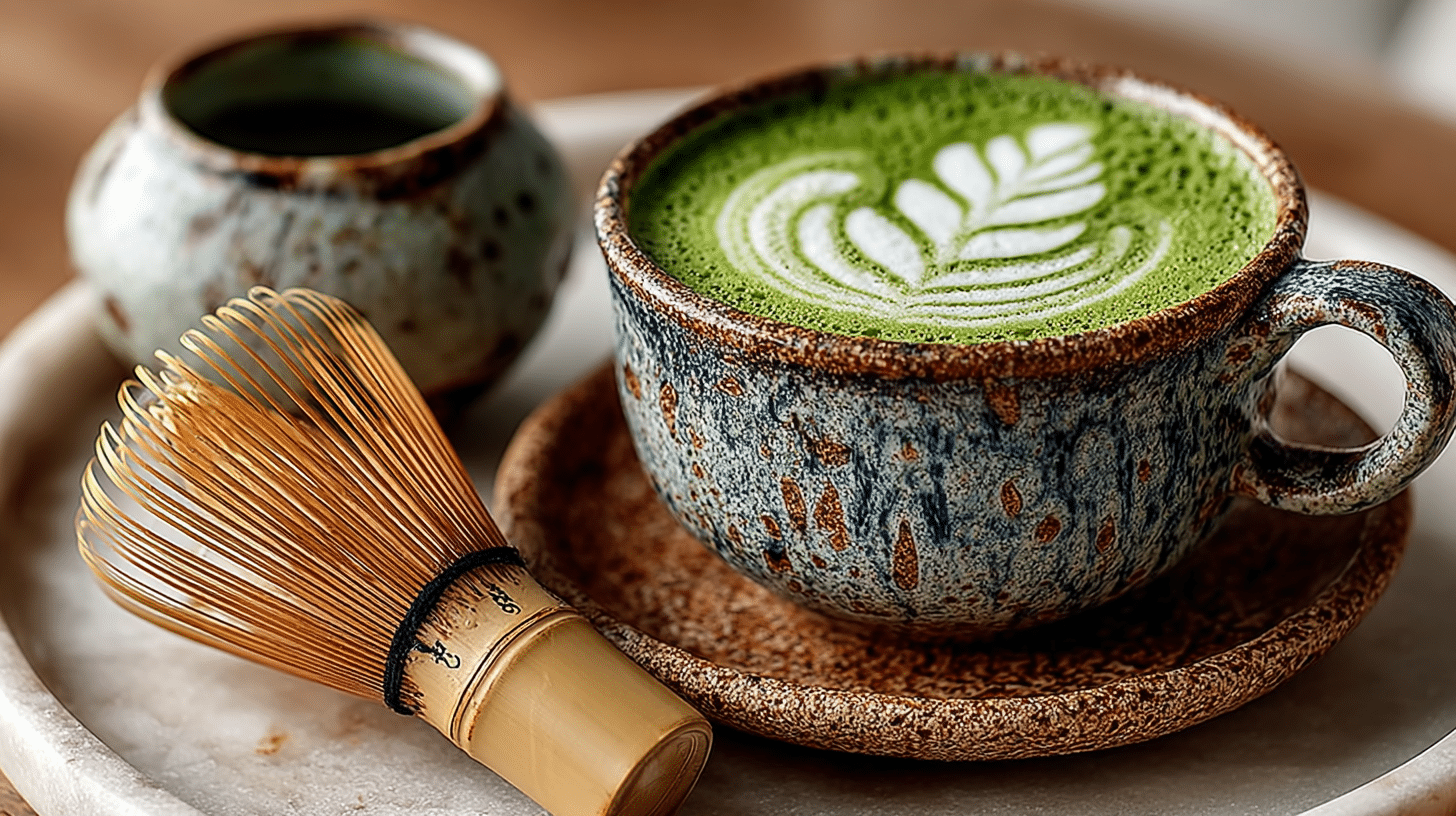
Table of Contents
Why Jeju Matcha Latte Became My Daily Ritual
I didn’t always start my day with a Jeju matcha latte recipe in hand. For years, I was a coffee devotee until a slow morning on Jeju Island shifted everything. It was during a solo retreat for creative inspiration. Tucked inside a tiny cliffside café, I watched the barista gracefully whisk matcha in a ceramic bowl, pouring it over cold oat milk with a swirl so vibrant it looked surreal. One sip and I understood what all the quiet obsession around matcha was really about. The earthy smoothness, kissed with a sea breeze and gentle umami, lingered long after.
From that moment, I was hooked. Back home, I became devoted to recreating that peaceful daily ritual. The secret, I learned, lies in using premium Jeju matcha green tea powder grown in the island’s mineral-rich volcanic soil. Unlike more bitter varieties, Jeju matcha is naturally mellow and smooth, making it ideal for lattes.
Print
Jeju Matcha Latte Recipe
- Total Time: 5 minutes
- Yield: 1 serving 1x
Description
Smooth, earthy, and easy to make, this Jeju matcha latte recipe brings a taste of South Korea’s green tea fields to your cup, hot or iced.
Ingredients
2–3 tsp premium Jeju matcha powder, sifted
60–80 ml hot water (160–175°F)
160–240 ml milk of choice (dairy, oat, almond, etc.)
1–2 tsp sweetener (optional)
Ice cubes for iced version
Instructions
1. Sift the matcha powder into a small bowl.
2. Add the hot water (not boiling) to the bowl.
3. Whisk using a bamboo whisk in a “W” motion until frothy.
4. Add sweetener if using, and stir until dissolved.
5. For iced: Add ice and milk to a glass, then pour matcha mixture on top.
6. For hot: Steam and froth milk, add matcha, and stir to combine.
Notes
Use ceremonial grade Jeju matcha for best results.
Avoid using boiling water to prevent bitterness.
Adjust sweetness based on milk type used.
- Prep Time: 5 minutes
- Cook Time: 0 minutes
- Category: Drinks
- Method: Whisked
- Cuisine: Korean
Nutrition
- Serving Size: 1 glass
- Calories: 70
- Sugar: 4g
- Sodium: 30mg
- Fat: 2g
- Saturated Fat: 0.5g
- Unsaturated Fat: 1.5g
- Trans Fat: 0g
- Carbohydrates: 10g
- Fiber: 1g
- Protein: 2g
- Cholesterol: 0mg
The Secret Behind the Best Jeju Matcha Latte Recipe
What makes Jeju matcha truly special is its freshness and creamy mouthfeel. It blends effortlessly into oat, almond, or whole milk, and its distinct flavor works beautifully with a touch of honey or maple syrup. I now keep a tin of Jeju matcha next to my morning pour-over, often choosing it for its calm, focused energy over caffeine jitters.
In this guide, I’ll show you how to whisk, layer, and savor this latte to perfection. Whether you’re curious about the 30/20/10 rule for matcha or want to explore other flavor twists like this lavender matcha latte recipe or the viral dirty matcha latte recipe, we’ve got you covered with pro tips and easy steps.
How to Make Jeju Matcha Latte at Home (Iced or Hot)
Step-by-Step Jeju Matcha Latte Method
If you’ve ever wondered how to make a Jeju matcha latte, you’ll be surprised how easy it is once you get the whisking technique right. The key is starting with high-quality, finely milled Jeju matcha powder, preferably ceremonial grade. This ensures a smoother, less bitter flavor. Begin by sifting 2–3 teaspoons of the powder into a bowl to eliminate clumps. Then, whisk with hot water (around 160–175°F) using a bamboo whisk in a “W” or “M” motion until a thin layer of foam forms. This aeration helps unlock the delicate grassy notes of the matcha.
For an iced version, simply fill your serving glass with ice, pour in your milk of choice (almond, oat, or dairy), then top it with the whisked matcha for a stunning green-on-white swirl. For a hot latte, steam your milk and combine it with the whisked matcha in a mug. Add 1–2 teaspoons of maple syrup or honey if you like a hint of sweetness. That’s it, you’ve just made your own Jeju matcha latte recipe masterpiece.
Matcha Pro Tips for a Café-Quality Finish
To keep your drink from tasting grassy or gritty, always whisk the matcha thoroughly with water first before combining it with milk. Using water that’s too hot can scorch the powder, leading to bitterness. A milk frother can create a beautiful foam layer if you’re skipping the traditional chasen.
Looking to switch things up? Try the apple pie matcha latte for a cozy twist, or cool down with the layered strawberry matcha latte that’s trending all over TikTok. Both follow the same base method but bring new dimensions with fruity notes and color.
Whether you’re crafting a mindful morning moment or prepping your go-to midday boost, this recipe is endlessly adaptable and always refreshing.
Why Jeju Matcha Tastes Different (And How It Boosts Your Day)
What Does Jeju Matcha Taste Like?
The taste of matcha can vary greatly depending on where it’s grown, but Jeju matcha stands out. Grown in the mineral-rich volcanic soil of South Korea’s Jeju Island, this variety offers a flavor profile that’s smooth, clean, and mellow. It lacks the sharp bitterness often associated with other matcha powders. Instead, the Jeju matcha latte recipe delivers a subtly earthy, umami-rich experience with soft vegetal notes and a buttery finish. That’s why it pairs so effortlessly with different milks, from oat to coconut.
Unlike generic matcha, which can sometimes taste flat or chalky, Jeju matcha has a fresh, spring-green brightness. It’s especially noticeable when you sip it slowly, iced or hot. The layered effect in the iced version also enhances that experience, creating visual appeal and giving you the option to stir and control the flavor intensity.
If you’ve tried creamy creations like this sea salt matcha latte or even the trendy coconut milk matcha, you’ll already know how matcha blends can be customized. Jeju matcha’s natural smoothness makes it the ideal base for all your latte adventures.
Understanding the 30/20/10 Rule for Matcha
If you’re diving into the Jeju matcha latte recipe world, you’ll likely come across the 30/20/10 rule. This guideline refers to the ratio of matcha to water and milk for optimal flavor: 30% matcha concentrate (prepared with water), 20% sweetener or additional flavor, and 50% milk. This balance helps preserve the authentic matcha taste while allowing customization to your preference.
The rule is especially useful when scaling your lattes or making larger batches. It keeps your Jeju matcha latte rich without overpowering it. You can also tweak the ratios depending on the type of milk or sweetener you use. For example, oat milk may already bring sweetness, while almond milk offers a more neutral base.
This method works for hot and iced lattes alike and helps beginners master proportions easily. Stick to it, and you’ll never have a watery or overly strong drink again.
Can You Drink Jeju Matcha Latte Every Day? (Here’s What to Know)
Is It Okay to Drink Jeju Matcha Latte Daily?
Absolutely. In fact, many people, myself included, have replaced their morning coffee with a daily Jeju matcha latte thanks to its more balanced energy release and nutritional profile. Matcha contains L-theanine, an amino acid that promotes calm focus without the crash that comes from coffee. When you use premium powder like the one in this Jeju matcha latte recipe, you’re not just sipping a trendy drink; you’re fueling your body with antioxidants, vitamins, and a gentle caffeine lift that lasts for hours.
Drinking matcha daily is generally safe, especially when consumed in moderate amounts (1–2 servings per day). If you’re sensitive to caffeine, you can start with a smaller amount of matcha (like 1 tsp instead of 2–3) and still enjoy the flavor and benefits. Unlike some lower-grade matchas, Jeju matcha is much easier on the stomach, thanks to its cleaner taste and lower tannin content.
If you’re curious about more ways to enjoy matcha daily, try our banana matcha latte for a potassium-rich twist, or explore the matcha pistachio latte for a nutty, protein-packed variation.
Caffeine and Health Perks of Jeju Matcha Latte
A single serving of your Jeju matcha latte recipe has around 60–80 mg of caffeine, enough to wake you up without feeling jittery. This makes it a great mid-morning or early-afternoon option. Combined with healthy milk alternatives and natural sweeteners, the latte becomes a nourishing, antioxidant-rich drink you can enjoy guilt-free.
Jeju matcha is particularly rich in catechins like EGCG, which are linked to metabolism support, heart health, and skin clarity. Plus, when you prepare it as a latte, you get hydration and nutrients from the milk as well.
So yes, it’s more than okay to make the Jeju matcha latte recipe part of your everyday wellness routine. It’s a mindful moment in a cup and a smarter alternative to your usual coffee run.
Frequently Asked Questions for Jeju matcha latte recipe
How to make a Jeju matcha latte?
To make a Jeju matcha latte, sift 2–3 teaspoons of premium Jeju matcha powder into a bowl. Add 60–80 ml of hot water (160–175°F) and whisk until frothy. Sweeten if desired. For an iced latte, pour milk over ice, then top with the matcha mixture. For a hot latte, steam and froth your milk, then combine with the matcha in a mug.
Is it okay to drink a matcha latte every day?
Yes, enjoying a Jeju matcha latte recipe daily is safe for most people. It offers gentle caffeine, antioxidants, and L-theanine, which promotes calm energy. Just keep your portions moderate (1–2 servings/day), especially if you’re caffeine-sensitive.
What is the 30/20/10 rule for matcha?
This rule helps you balance flavor and texture: 30% matcha concentrate, 20% sweetener or flavor add-in, and 50% milk. It’s a helpful guideline for crafting lattes that taste just right.
What does Jeju matcha taste like?
Jeju matcha is smooth, mellow, and earthy with light umami and grassy notes. It’s less bitter than other matcha types, making it ideal for creamy lattes.
The Jeju matcha latte recipe isn’t just a drink; it’s a ritual. Whether you’re easing into your morning or taking a midday break, this earthy, velvety latte offers a peaceful boost with flavor that sets it apart from the rest. With its gentle caffeine, vibrant green color, and clean finish, Jeju matcha is a must-have in any modern kitchen.
Try it iced, hot, sweetened, or layered, then explore more matcha blends across Forkful Daily. It’s not just about taste, it’s about the moment you create while making it.
Follow Forkful Daily for more daily recipe inspo and behind-the-scenes moments: Facebook | Pinterest.