The best boiled okra recipe shatters the myth that this green pod is destined for a gummy, slimy texture. I grew up dodging okra at family dinners until a proper blanching technique changed everything.
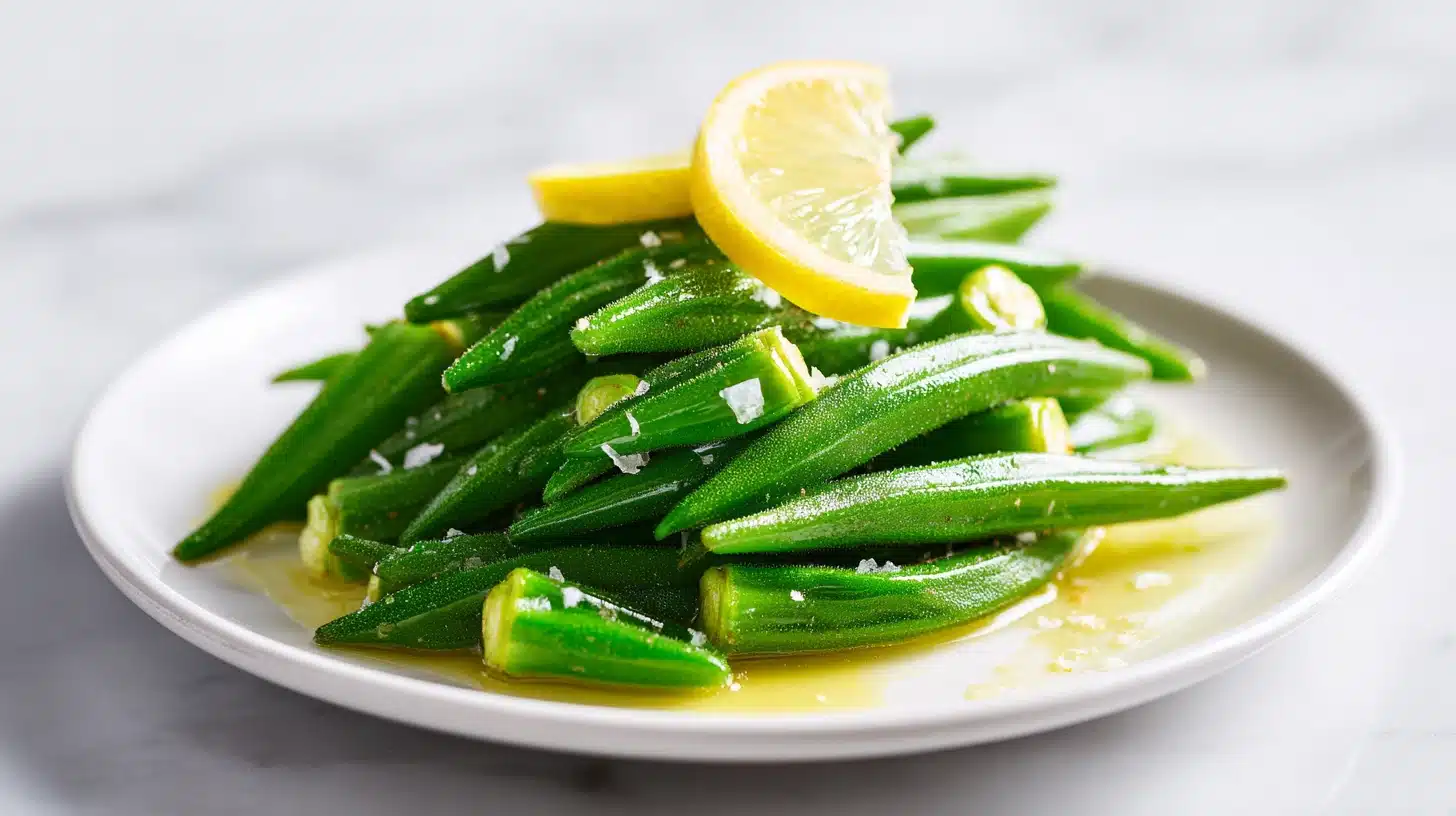
Most cooks dread the sticky mucilage that ruins okra, turning a beautiful vegetable into a mushy mess. I promise this quick boiling and ice bath method guarantees crisp-tender pods with zero slime.
We’ll get into the exact timing needed for the perfect bite, the ice water trick that stops the cooking, and simple flavor finishes like soy sauce or butter.
Table of Contents
The Science of Okra Slime and How to Stop It
Okra pods contain a thick substance called mucilage, which is actually beneficial in some dishes like gumbo where it acts as a natural thickener. But when you want a snappy side dish, that same mucilage becomes your worst enemy. The secret to our best boiled okra recipe is entirely temperature control and acidity. When you understand how heat affects the plant fibers, you gain complete control over the final texture.
High heat breaks down the cell walls rapidly, releasing the mucilage. If you cook okra low and slow, you get a gummy disaster. By boiling it rapidly for a very short time, you cook the exterior while keeping the interior intact. The boiling water should look furious, with large bubbles breaking the surface constantly. If the water is merely simmering, the okra will sit and stew in its own juices, which is exactly what you want to avoid. Keep the heat on high throughout the entire process.
Adding a splash of vinegar to the boiling water helps neutralize the slime, a technique chefs have relied on for decades. The acidity alters the chemical structure of the mucilage, preventing it from becoming sticky. You will also add a generous amount of kosher salt to the water. The salt seasons the pods from the inside out, while the vinegar works on the structural level to reduce the release of the sticky substance. When the water is at a rolling boil, the rapid agitation also helps wash away any surface mucilage before it can cling to the pods.
The second critical step is the shock. Plunging the hot pods straight into an ice water bath halts the cooking process instantly. This preserves that bright emerald green color and locks in the crisp-tender texture. If you skip the ice bath, residual heat will continue cooking the okra until it turns mushy and soft.
You can use this same principle for other preparations. For instance, if you enjoy drinking nutrient-rich okra water, you know the mucilage has its benefits. You can read more about an okra water recipe if you are curious about its health properties. But for this side dish, we want zero slime. When learning how to cook boiled okra, remember that moisture is the enemy. Do not wash the okra after trimming the ends, as water seeps into the pods and encourages sliminess. Wash and thoroughly dry the whole pods first, then trim them just before they hit the boiling water.
Print
The Best Boiled Okra Recipe: Tender, Crisp, and Slime-Free
- Total Time: 15 min
- Yield: 4 servings 1x
- Diet: Gluten Free, Low Carb, Vegetarian
Description
A simple and quick side dish of fresh okra boiled rapidly with vinegar and salt, then shocked in ice water for a crisp-tender texture without any slime.
Ingredients
For the okra:
1 lb fresh okra (small, firm pods)
2 tbsp white vinegar
1 tbsp kosher salt
4 cups ice cubes
4 cups cold water
For the simple finish:
1 tbsp unsalted butter (melted)
1 tbsp fresh lemon juice
1/4 tsp black pepper
Instructions
1. Boil water: Bring a large pot of water to a rolling boil. Add the kosher salt and white vinegar. The water should bubble aggressively and release a faint tangy steam.
2. Prepare ice bath: In a large bowl, combine the ice cubes and cold water. Set the bowl next to the stove so you can move fast.
3. Prep okra: Wash and thoroughly dry the okra pods. Trim the tough stem ends without cutting into the seed cavity to prevent slime.
4. Blanch okra: Drop the trimmed okra into the boiling water. Stir once and boil rapidly for 3 minutes until the pods turn a vibrant bright green color.
5. Shock okra: Immediately transfer the okra to the ice water bath using a slotted spoon. Swirl them around and let cool for 2 minutes until completely cold.
6. Drain dry: Remove the okra from the ice bath and pat completely dry with paper towels to ensure the dressing adheres well.
7. Toss and serve: Place the dried okra in a serving bowl. Drizzle with the melted butter, fresh lemon juice, and black pepper. Toss to coat and serve immediately.
Notes
Store the plain blanched okra in an airtight container in the refrigerator for up to 4 days.
Do not cut into the okra pods before boiling, as this releases the sticky mucilage.
Try tossing the cold okra with soy sauce, black vinegar, and chili oil for a spicy Asian-inspired variation.
- Prep Time: 5 min
- Cook Time: 10 min
- Category: Side Dishes
- Method: Stovetop
- Cuisine: American
Nutrition
- Serving Size: 1 cup
- Calories: 85 kcal
- Sugar: 2 g
- Sodium: 410 mg
- Fat: 6 g
- Saturated Fat: 3 g
- Unsaturated Fat: 3 g
- Trans Fat: 0 g
- Carbohydrates: 7 g
- Fiber: 3 g
- Protein: 2 g
- Cholesterol: 10 mg
Ingredients for the Best Boiled Okra Recipe
An easy boiled okra recipe starts with sourcing the freshest pods you can find. Look for small, firm green pods that are no longer than your index finger. Larger pods tend to be woody and hold significantly more mucilage, making them tough and unappealing even with the best technique. When you press the skin, it should spring back instantly without leaving a dent. The skin should look smooth and feel slightly fuzzy, a sign of peak freshness.
Beyond the okra itself, the ingredient list is intentionally short. You will need a generous pot of water, enough to completely submerge the okra without the temperature dropping. Add kosher salt and a couple of tablespoons of standard white vinegar. The vinegar is your secret weapon for no slime okra, actively breaking down the compounds that cause the sticky texture. It does not leave a strong vinegar taste on the finished pods, so do not be tempted to skip it. The boiling water will smell slightly acidic, but the finished okra will taste clean and grassy.
For the ice bath, you will need a large bowl filled with cold water and plenty of ice cubes. This must be prepared before the okra goes into the boiling pot. Timing is everything, and you cannot scramble to get your ice bath ready while your okra is overcooking on the stove. The water needs to be frigid to stop the cooking instantly.
Once the okra is blanched and shocked, you can take the flavor in several different directions. The simplest finish is a drizzle of good quality olive oil or melted butter, a crack of fresh black pepper, and a squeeze of fresh lemon juice. The acidity from the lemon juice mirrors the vinegar in the cooking water, providing another layer of defense against any residual mucilage while adding a bright, sunny flavor that makes the green pods sing.
If you want an Asian-inspired twist, toss the blanched okra with a little soy sauce, a splash of black vinegar, and a few drops of toasted chili oil. The salty, umami-rich soy sauce clings to the crisp-tender pods beautifully. This makes a fantastic okra side dish for grilled meats or rice bowls. You could also serve it alongside a yogurt dipping sauce recipe for a cooling, creamy contrast to the slight heat of the chili oil. Keeping the base preparation simple allows you to change the flavor profile based on what you are serving for dinner.
Step-by-Step: Quick Boiled Okra Method
Executing this quick boiled okra technique requires focus, but the entire cooking process takes less than five minutes. First, fill a large pot with water, bringing it to a vigorous, rolling boil. The pot needs to be large enough that the temperature will not drop significantly when you add the okra. Add the kosher salt and white vinegar to the boiling water. The water should bubble aggressively and release a faint, tangy steam.
While the water heats, prepare your ice bath in a large mixing bowl. Drop a generous handful of ice cubes into cold water and set it right next to the stove. Proximity is important, as you need to move the okra from the boiling water to the ice bath in a matter of seconds. Wash your fresh okra pods and pat them completely dry with a clean kitchen towel. Trim the tough stem ends off each pod, but be careful not to cut into the seed cavity, as this exposes the mucilage and invites slime.
Once the water is rolling, drop the trimmed okra pods into the pot. Stir them gently once to ensure they are all submerged. Let them boil rapidly for exactly three to four minutes, depending on the thickness of the pods. You are looking for a vibrant, bright green color and a pod that yields slightly when you press it with tongs. You will hear the water bubbling fiercely around the pods, which signals that the high heat is doing its job of setting the exterior structure.
Immediately remove the pot from the heat and use a spider strainer or slotted spoon to transfer the hot okra straight into the ice water bath. Swirl them around to cool them down instantly. The sudden drop in temperature will make a faint hissing sound as the heat leaves the pods. Leave them in the ice water for two minutes, or until they are completely cool to the touch. Drain the okra well and pat it dry with paper towels. Moisture on the surface will repel the oil or butter you add later, making the dish feel greasy. Take the extra thirty seconds to pat them dry.
At this point, the okra is perfectly cooked, crisp-tender, and completely slime-free. You can serve them immediately while slightly warm, or chill them in the refrigerator for a cold side dish. Because the texture is so snappy and clean, these blanched pods are incredibly versatile. Toss them with your favorite dressing, or use them as a base for an okra salad recipe with japanese flavors. The quick blanching preserves their structural integrity, making them robust enough to toss with heavier dressings without falling apart or turning mushy.
Variations and Flavor Pairings
The beauty of mastering the best okra recipe is that you now have a blank canvas. The neutral, slightly grassy flavor of perfectly blanched okra pairs well with a variety of global ingredients. You can keep it rustic or dress it up for a dinner party. The lack of slime means the pods will absorb dressings beautifully without becoming slippery or unpleasant to eat.
For a Southern classic, toss the warm blanched okra with a knob of rich butter, a pinch of cayenne pepper, and a squeeze of lemon juice. The butter coats the pods, giving them a luxurious mouthfeel that contrasts beautifully with their snappy texture. The cayenne adds a gentle warmth that lingers on the palate. This simple butter and lemon combination is often considered the best boiled okra recipe by purists who want to taste the vegetable itself without heavy sauces masking its natural flavor. The warm pods will melt the butter instantly, creating a glossy, appetizing sheen.
If you prefer bold, spicy flavors, try a Sichuan-style dressing. Combine soy sauce, black vinegar, minced garlic, and a generous spoonful of chili oil. Toss the cold okra pods in this mixture and let them marinate for ten minutes. The soy sauce provides salt and umami, while the black vinegar adds a complex, malty acidity that pairs perfectly with the grassy okra. This no slime okra preparation is addictive and makes a fantastic cold appetizer on a hot summer day. The chili oil will pool at the bottom of the bowl, so give it a quick toss right before serving to redistribute the heat.
You can also incorporate the blanched okra into other dishes. Slice them into rounds and fold them into a grain bowl, or add them whole to a charcuterie board for a surprising, healthy crunch. While we often focus on drinking okra preparations for health, as seen when exploring cloves and okra water benefits, eating the whole pods gives you fiber and texture in your meals. Because the okra is already cooked to crisp-tender perfection, it requires no further cooking. You simply toss and serve. Experiment with toasted sesame oil, rice vinegar, or a sprinkle of toasted sesame seeds to find your favorite flavor combination.
Frequently Asked Questions
How do you boil okra so it’s not slimy?
To prevent slime, boil the okra rapidly for only three to four minutes in water mixed with salt and white vinegar. The high heat and acid neutralize the mucilage. Immediately transferring the pods to an ice water bath stops the cooking process and locks in a crisp-tender texture without any gummy residue.
Can I use frozen okra?
Fresh okra is highly recommended for this specific boiling method because frozen okra contains excess water that encourages sliminess. If you must use frozen, do not thaw it first, and boil it for a slightly shorter time. However, the texture will not be as crisp and snappy as fresh pods.
How long does boiled okra last in the fridge?
Properly blanched and dried boiled okra will last in an airtight container in the refrigerator for up to four days. Keep it completely dry and add your chosen dressing, such as soy sauce or olive oil, right before serving to maintain the crisp texture and prevent it from becoming soggy.
Why is my okra slimy?
Okra becomes slimy when it is cooked too slowly, overcooked, or when the pods are damaged and cut open during the washing process. The mucilage inside the pods is released when the cell walls break down over prolonged heat. Boiling quickly and shocking in ice water prevents this breakdown.
Conclusion
This best boiled okra recipe proves that you can enjoy this nutritious vegetable without the dreaded gummy texture. By using high heat, a splash of vinegar, and an immediate ice bath, you guarantee crisp-tender, vibrant green pods every single time.
Give it a try this week and see how this simple technique transforms your opinion of okra.
For more recipes like best boiled okra recipe, follow us on Facebook and Pinterest for fresh weeknight dinner ideas.
Love okra? Browse all 25 easy okra recipes in one place, or try steamed okra and stir fry okra next.