The Tangy Mediterranean Pasta Salad I stumbled onto during a week of chaotic summer meal prep turned out to be the most-requested dish I’ve brought to every gathering since, and I’m convinced it’s because of one small, counterintuitive step that most recipes skip entirely.
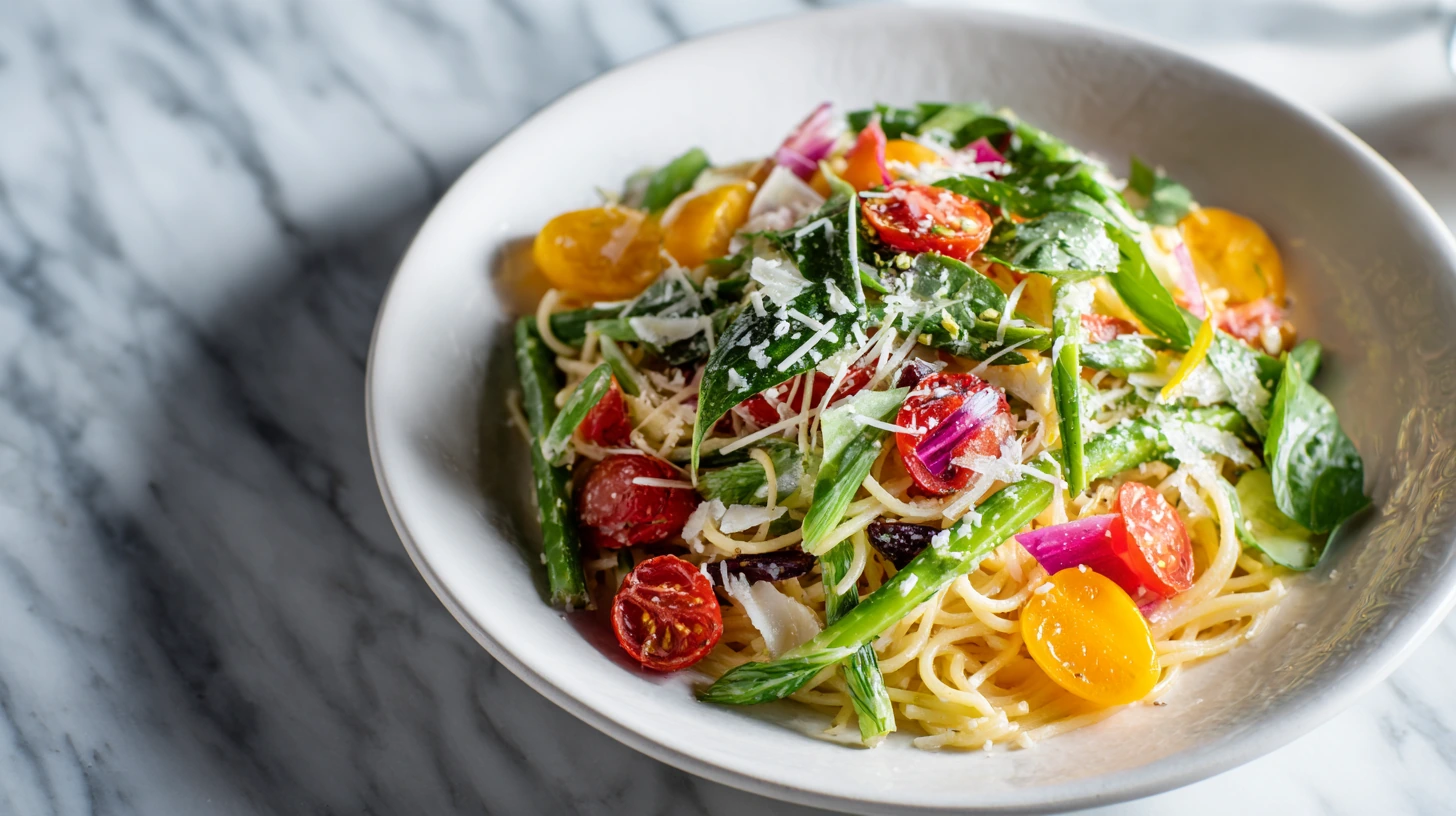
Most cold pasta salads turn into a gummy, dressing-soaked disappointment by the time they hit the table. The pasta absorbs everything and leaves you with a bland, sticky pile. This recipe fixes that with a simple two-stage dressing method that keeps every bite bright and glossy.
Inside: the exact pasta shape that holds dressing best, the ratio of lemon juice to red wine vinegar that creates the perfect tang, and the one ingredient you should add at the very last minute to keep the whole salad tasting freshly made.
Table of Contents
Why This Tangy Mediterranean Pasta Salad Works (The Science of Bright Flavor)
There is a moment in recipe testing when something clicks and you stop adjusting. That moment, for this Mediterranean pasta salad, came when I finally understood what makes the dressing stay punchy instead of going flat after a few hours in the fridge.
The culprit in most sad pasta salads is a single dressing application. You toss everything together, the pasta soaks up the oil and acid, and by serving time the flavor has migrated inside the noodles instead of coating them. The fix is a two-stage approach: dress the warm pasta first with just a splash of red wine vinegar and a pinch of salt right after draining, then add the full dressing when the pasta is completely cool.
The Role of Acid
Lemon juice and red wine vinegar do different jobs here, and you genuinely need both. Red wine vinegar brings a deep, fruity sharpness that settles into the base of the dressing. Freshly squeezed lemon juice adds a bright, fleeting top note that smells almost floral and lifts every other flavor. Together they create a layered tang rather than a one-dimensional sour punch.
The ratio that works every time is two tablespoons of red wine vinegar to one and a half tablespoons of fresh lemon juice per half cup of extra virgin olive oil. That small lean toward vinegar keeps the dressing bold enough to survive a night in the fridge without tasting dull by lunchtime the next day.
Why Pasta Shape Matters More Than You Think
Rotini is the clear winner for a tangy pasta salad. Those tight spirals grab onto bits of crumbled feta, trap little pools of dressing in every twist, and hold up beautifully even after 24 hours. Penne works as a second choice because the ridged exterior and hollow center both catch the dressing, but farfalle is a softer option that can turn slippery if overdressed.
Whatever shape you use, pull the pasta out of the boiling water about 30 seconds before the package says al dente. It will continue to soften slightly as it cools, and a slightly underdone noodle right out of the pot becomes a perfectly firm bite in the finished salad. Rinse the cooked pasta under cold running water for about 45 seconds to stop the cooking and wash away excess starch. That rinse is the only time in cooking I recommend washing pasta, and here it makes a real difference in texture.
If you love exploring different cold pasta styles, the crispy pasta salad on Forkful Daily uses a completely different texture approach that is worth trying alongside this one.
Garlic Without the Bite
Raw garlic can overwhelm a delicate salad within an hour. Instead, grate one small clove directly into the dressing using a microplane. Then let the dressing sit for five minutes before whisking. That brief rest softens the harshest sulfur compounds and leaves you with garlic flavor that is warm and present without making every bite feel sharp.
Print
Tangy Mediterranean Pasta Salad: Bold, Bright, and Better the Next Day
- Total Time: 45 min
- Yield: 6 servings 1x
- Diet: Vegetarian
Description
A bright and tangy cold pasta salad loaded with rotini, cherry tomatoes, cucumber, red onion, kalamata olives, bell pepper, and crumbled feta, all tossed in a bold lemon and red wine vinegar dressing with dried oregano and garlic. It takes about 25 minutes to put together and tastes even better the next day, making it a great option for meal prep, potlucks, and summer tables.
Ingredients
For the pasta salad:
12 oz rotini pasta (dry)
1 1/2 cups cherry tomatoes (halved)
1 English cucumber (cut into quarter-inch half-moons)
1/2 medium red onion (thinly sliced, soaked in ice water for 10 minutes, drained)
1 medium orange or red bell pepper (diced)
1/2 cup kalamata olives (pitted, halved lengthwise)
3 oz feta cheese (block-style, crumbled by hand)
1/4 cup fresh parsley (roughly chopped, added at the last minute)
For the lemon-herb dressing:
1/2 cup extra virgin olive oil
2 tablespoons red wine vinegar (plus 1 extra tablespoon for the warm pasta)
1 1/2 tablespoons fresh lemon juice
1 small garlic clove (grated on a microplane)
1 teaspoon dried oregano
1/2 teaspoon kosher salt (plus more to taste)
1/4 teaspoon black pepper
Instructions
1. Cook the pasta: Bring a large pot of water to a rolling boil and salt it generously. Add the rotini and cook for 1 minute less than the package directs, until just shy of al dente. The pasta should still feel slightly firm when you bite it.
2. Season the warm pasta: Drain the pasta and immediately toss it in a large bowl with 1 tablespoon of red wine vinegar and 1/4 teaspoon of salt. The vinegar will sizzle and steam against the hot pasta. Spread the pasta on a rimmed baking sheet and let it cool for 10 minutes, tossing once halfway through.
3. Make the dressing: In a small bowl or jar, combine the olive oil, 2 tablespoons red wine vinegar, lemon juice, grated garlic, dried oregano, salt, and black pepper. Let the dressing sit for 5 minutes, then whisk until fully combined. It should smell sharp and herby.
4. Prep the vegetables: While the pasta cools, halve the cherry tomatoes, slice the cucumber, drain and pat dry the soaked red onion, dice the bell pepper, and halve the olives. Keep everything separate until you are ready to assemble.
5. Assemble the salad: Add the cooled pasta to a large bowl. Add the cherry tomatoes, cucumber, red onion, bell pepper, and olives. Pour about two-thirds of the dressing over the top and toss gently until everything is coated and glossy.
6. Chill the salad: Refrigerate the salad for at least 20 minutes to let the flavors settle and the pasta firm up slightly. This step makes a real difference in the final texture.
7. Finish and serve: Right before serving, pour the remaining dressing over the salad, add the crumbled feta and the fresh parsley, and toss once more. Taste and adjust with a pinch of salt or a small squeeze of fresh lemon juice if needed.
Notes
Store leftovers in an airtight container in the refrigerator for up to 4 days. This salad does not freeze well due to the fresh vegetables and feta.
For the best results, hold back the fresh parsley and one-third of the dressing until right before serving, even if you made the salad a day ahead. This keeps the herbs bright and the dressing tasting fresh.
Substitute goat cheese or ricotta salata if you cannot find block feta. Both hold up well in the dressing without turning mushy.
For a more filling main-course salad, add one 15-oz can of drained chickpeas or 8 oz of cooked, chilled shrimp right before serving.
- Prep Time: 15 min
- Rest Time: 20 min
- Cook Time: 10 min
- Category: Side Dishes
- Method: No-Cook, Stovetop
- Cuisine: Mediterranean
Nutrition
- Serving Size: 1 cup
- Calories: 380 kcal
- Sugar: 4 g
- Sodium: 520 mg
- Fat: 22 g
- Saturated Fat: 5 g
- Unsaturated Fat: 17 g
- Trans Fat: 0 g
- Carbohydrates: 38 g
- Fiber: 3 g
- Protein: 9 g
- Cholesterol: 14 mg
Choosing and Prepping the Best Mediterranean Ingredients
The success of a Greek pasta salad rests almost entirely on ingredient quality. This is a cold dish with no cooking heat to blend or mellow flavors, so every element shows up exactly as it is. That is both the beauty and the challenge.
Cherry Tomatoes
Buy cherry tomatoes on the vine if you can find them. They have a thicker skin that resists weeping into the dressing, and their sweetness balances the tangy base beautifully. Halve them right before you assemble the salad rather than an hour ahead. A cut tomato starts releasing liquid almost immediately, and that extra juice will dilute your carefully built dressing. About one and a half cups of halved cherry tomatoes is the right quantity for six servings.
Cucumber
English cucumber is the right call here. The skin is thin enough that you do not need to peel it, the seeds are small and not watery, and the flavor is clean rather than bitter. Cut it into quarter-inch half-moons. If you only have a regular garden cucumber, peel it, halve it lengthwise, and scrape out the seeds with a spoon before slicing. This removes the wateriest part and keeps your salad from turning soupy.
Red Onion
Raw red onion can taste aggressive in a cold pasta salad with feta, especially after a night in the fridge. The solution is a quick soak: slice the onion thin, then submerge the slices in ice water for ten minutes. Drain and pat dry before adding to the salad. That soak draws out the sharp allicin compounds without removing the onion’s underlying sweetness and pretty purple color.
Kalamata Olives and Bell Pepper
Use pitted kalamata olives and halve them lengthwise. Their briny, almost wine-like flavor is one of the defining notes of a Mediterranean pasta salad, and they work in every bite rather than arriving as an occasional surprise. One small jar, about half a cup of olives, is the right amount.
For bell pepper, choose red or orange rather than green. Green pepper has a grassy, slightly bitter edge that fights the lemon dressing. Red and orange peppers are sweeter, and that sweetness balances the tangy dressing and salty olives perfectly.
Feta Cheese
Buy a block of feta packed in brine rather than pre-crumbled. Block feta has a creamier, more complex flavor and holds its texture in the salad rather than dissolving into the dressing. Crumble it yourself into uneven pieces, some small enough to coat the pasta and some large enough to find as a creamy, salty bite on their own. About three ounces is plenty for six servings.
For a dish that uses feta in a completely different and equally satisfying way, the mediterranean baked feta eggs recipe on Forkful Daily is a wonderful companion meal for weekend brunch.
Fresh Parsley
Add the chopped fresh parsley at the very last minute, just before serving. Parsley wilts quickly under acidic dressing and turns from bright green to dull olive. When it goes in right at the end, it stays crisp and fragrant and adds a grassy freshness that makes the whole salad taste just-made.
How to Make Tangy Mediterranean Pasta Salad Step by Step
This pasta salad with feta comes together in about 25 minutes of active work, with a 20-minute chill period that you can use to clean up or set the table. Here is the full process broken down so nothing is rushed.
Step 1: Cook and Season the Pasta
Bring a large pot of water to a rolling boil. Salt it generously until it tastes like mild seawater. Add 12 ounces of rotini and cook for one minute less than the package directs. You are aiming for firm rather than soft because the pasta will continue to absorb moisture in the fridge.
While the pasta is still hot from draining, toss it with one tablespoon of red wine vinegar and a quarter teaspoon of salt. The vinegar will sizzle slightly against the warm pasta and start building flavor from the inside out. Spread the pasta on a rimmed baking sheet and let it cool for ten minutes, tossing once halfway through to release steam.
Step 2: Build the Dressing
In a small bowl or jar, combine half a cup of extra virgin olive oil, two tablespoons of red wine vinegar, one and a half tablespoons of fresh lemon juice, one grated garlic clove, one teaspoon of dried oregano, half a teaspoon of salt, and a few cracks of black pepper. Whisk until the oil and vinegar look fully combined. The dressing will smell sharp and herby, and that is exactly right.
Step 3: Assemble the Salad
Add the cooled pasta to a large bowl. Add the halved cherry tomatoes, sliced cucumber, soaked and drained red onion, diced bell pepper, and kalamata olives. Pour about two-thirds of the dressing over the top and toss everything gently but thoroughly. You want every piece of pasta coated, every olive and tomato touched by the dressing.
Refrigerate the salad for at least 20 minutes to let the flavors settle and the pasta firm back up to the right texture. Right before serving, add the remaining dressing, the crumbled feta, and the fresh parsley. Give everything one final gentle toss and taste for seasoning. A pinch more salt or a small squeeze of lemon often brightens the whole thing right at the end.
Timing and Make-Ahead Notes
This cold pasta salad with lemon dressing is genuinely better the next day, which is why it is such a reliable meal prep option. The pasta absorbs just enough dressing overnight to taste rich and fully seasoned, while the reserved third of the dressing you add right before serving restores the brightness. Hold the parsley and the last dressing addition until you are ready to eat, and the rest of the salad can sit in the fridge for up to four days without losing quality.
If you are building a high-protein version of this meal, the protein pasta salad recipe pairs beautifully with this dish’s flavor profile and shows exactly how to add lean protein without changing the texture.
Serving Ideas, Variations, and What to Pair With It
A fully made Tangy Mediterranean Pasta Salad is already a complete side dish, but there are several directions you can take it depending on the occasion, the season, and who you are feeding.
Make It a Main Course
Add one can of drained chickpeas to the assembled salad for plant-based protein that keeps the dish fully vegetarian. Chickpeas absorb the dressing wonderfully overnight and add a creamy, earthy element that makes each bowl more filling. Alternatively, fold in eight ounces of cooked, chilled shrimp or sliced grilled chicken right before serving. Both options turn the salad into a complete one-bowl meal without requiring any extra cooking if you prep the protein in advance.
Adjust the Tang Level
The two-stage dressing method means you have a lot of control over how sharp the final dish tastes. For a milder version, reduce the red wine vinegar by half and skip the lemon juice in the dressing, using a teaspoon of lemon zest instead for fragrance without as much acidity. For an even more aggressive tang, add a tablespoon of capers (rinsed) along with the olives. The briny, sharp little caper bursts take the salad closer to a punchy Sicilian flavor.
Herb Variations
Dried oregano is the backbone of the dressing, but fresh oregano is lovely if you have a plant on your windowsill. Use about a tablespoon of fresh oregano leaves instead of one teaspoon dried. Fresh mint added along with the parsley at the last minute introduces a cool, unexpected note that works especially well in summer. Fresh dill is another excellent option if you want the salad to lean slightly Greek-island in character.
Serving Temperature and Presentation
Pull the salad from the fridge 10 minutes before serving so it is cold but not ice-cold. Very cold temperatures mute flavor, and a slightly warmer salad lets the olive oil loosen back up into a glossy coating rather than sitting thick on the pasta. Serve it in a wide, shallow bowl so every ingredient is visible, and finish with a few whole kalamata olives and a small handful of parsley scattered on top.
This dish travels well to potlucks and picnics in a sealed container kept inside a cooler with an ice pack. At a summer table, it pairs naturally with grilled flatbread, hummus, simple lemon chicken, or lamb chops. It also works as part of a larger spread of cold dishes alongside something like a caprese mozzarella salad pasta tomato recipe for a beautiful, no-cook summer spread.
Scaling the Recipe
This recipe scales cleanly. Double it for a large party by using a full pound of pasta and doubling every other ingredient. The dressing ratio stays the same. For a smaller batch, halve everything and use a six-ounce portion of pasta, which makes enough for three comfortable servings or two very generous ones.
| Serving Size | Pasta | Feta | Cherry Tomatoes | Dressing (olive oil base) |
|---|---|---|---|---|
| 3 servings | 6 oz | 1.5 oz | 3/4 cup | 1/4 cup olive oil |
| 6 servings | 12 oz | 3 oz | 1.5 cups | 1/2 cup olive oil |
| 12 servings | 24 oz | 6 oz | 3 cups | 1 cup olive oil |
Frequently Asked Questions
Can I make this Mediterranean pasta salad ahead of time?
Yes, and this salad genuinely improves after a night in the fridge. Assemble the full salad minus the fresh parsley and the last third of the dressing. Store those two elements separately. Right before serving, pour on the reserved dressing, add the parsley, and toss everything once more. This keeps the herbs bright green and the dressing tasting fresh rather than absorbed.
How long does tangy pasta salad last in the fridge?
Stored in an airtight container, this salad keeps well for up to four days in the refrigerator. The texture is best on days one and two when the pasta is firm and the vegetables still have some crunch. By day three and four the cucumber softens a little, but the flavor is actually at its deepest. Give it a quick toss and a small squeeze of fresh lemon juice to re-brighten it before serving.
Can I use a different type of pasta?
Rotini is the top choice because the spirals trap dressing and ingredients in every twist, but penne, farfalle, orecchiette, and small shells all work well. Avoid spaghetti or linguine for this style of salad as long strands tangle and do not hold the chunky mix-ins as well. Whatever shape you choose, cook it one minute shy of the package directions and rinse it under cold water right after draining.
What can I substitute for feta cheese?
Crumbled goat cheese is the closest substitute in terms of texture and tang. It is slightly creamier than feta and a little less salty, so you may want to add a small pinch of extra salt to the dressing. Ricotta salata is another good option, with a firmer, drier texture and a mild saltiness. For a fully dairy-free version, use marinated white beans or a store-bought vegan feta, both of which hold up in the dressing without becoming mushy.
Conclusion
This Tangy Mediterranean Pasta Salad started as a chaotic weeknight fix and became the dish I am asked for most at every gathering, which still surprises me every time. The two-stage dressing method, the quick vinegar toss on warm pasta, and the last-minute parsley addition are the three small moves that separate this salad from every flat, gummy version you have had before.
Give it a try this week, whether you need a reliable meal prep lunch, a potluck contribution, or a side dish that actually improves overnight. Make it on a Sunday and enjoy it through Thursday.
For more recipes like this Tangy Mediterranean Pasta Salad, follow us on Facebook and Pinterest for fresh Mediterranean meal ideas and easy make-ahead recipes.