The secret nobody tells you about high fiber overnight oats is that the most effective ones are not the prettiest ones on Instagram.
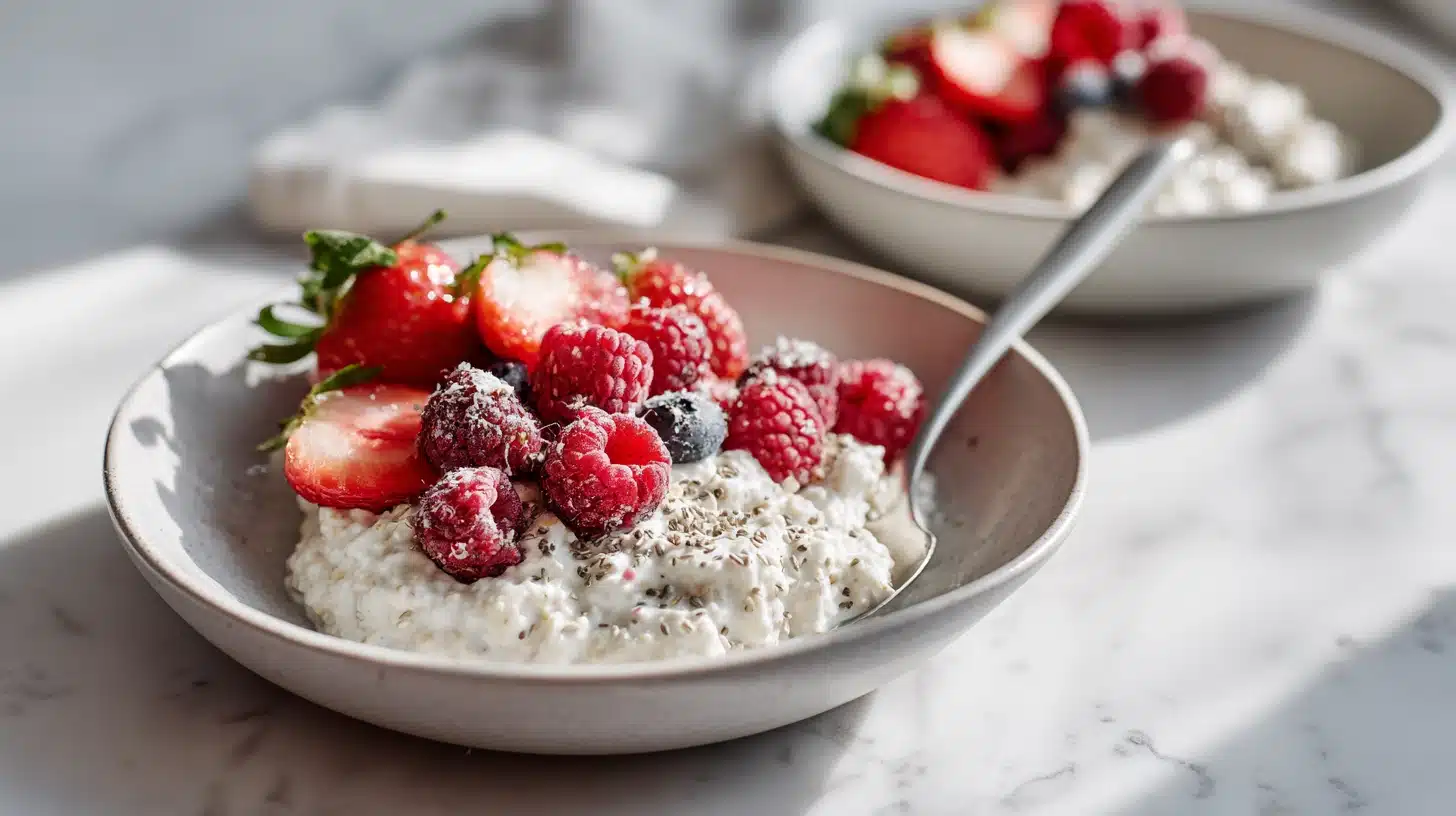
Most people layer their jars beautifully, then wonder why they are ravenous again by 10 a.m. The culprit is almost always under-loading the fiber and over-loading the sweeteners, and this recipe fixes both problems at once.
By the end, you’ll know exactly which fiber-dense ingredients to combine, why soaking time matters more than most recipes admit, and how to nail a creamy texture every single time.
Table of Contents
Why Fiber Belongs in Your Overnight Oats (and How Much You Actually Need)
Fiber gets talked about in vague, clinical terms, but in a breakfast context it does something very concrete: it slows down how fast glucose enters your bloodstream. That means no energy spike at 8 a.m. followed by a crash at 10. Instead, you get a long, steady release of energy that carries you through a meeting, a commute, or a school drop-off without your stomach growling at you.
The daily fiber recommendation for adults is 25 grams for women and 38 grams for men. Most Americans only hit around 15 grams per day. A single serving of this recipe contributes roughly 12 to 14 grams, which makes a real dent in that gap before you even get to lunch.
The Two Types of Fiber and Why Both Matter Here
Oats contain beta-glucan, a type of soluble fiber that dissolves in liquid and forms a gel-like consistency. That gel is exactly what gives overnight oats their thick, almost pudding-like texture when they sit in the fridge. Soluble fiber is also what’s associated with lower LDL cholesterol and improved blood sugar control.
Insoluble fiber does a different job. It adds bulk, keeps things moving through your digestive system, and feeds the beneficial bacteria in your gut. Ground flaxseed, chia seeds, and raspberries bring insoluble fiber into the bowl, creating a recipe that works on both fronts simultaneously.
This is why a recipe built only around oats will never be as effective as one that layers multiple fiber sources. Rolled oats give you the base. Chia seeds swell and thicken. Ground flaxseed adds a subtle nuttiness and a quiet fiber boost. Fresh or frozen raspberries contribute seeds and pectin. Together, they make a genuinely hard-to-beat overnight oats recipe.
Why Overnight Soaking is Non-Negotiable
You can eat oats that have soaked for only an hour and the texture will be grainy and unpleasant. Four hours is the minimum for rolled oats to absorb enough liquid and soften fully. Eight hours, which is just leaving them in the fridge overnight, produces a creamier, more cohesive result.
The soaking also starts to break down phytic acid, a compound in oats that can interfere with mineral absorption. Longer soaking means slightly better absorption of iron, zinc, and magnesium. It’s a small but real nutritional benefit that comes for free just by being patient.
If you’re curious about other high-nutrition morning options, the brain boosting overnight oats recipe on Forkful Daily is worth bookmarking alongside this one.
Print
High Fiber Overnight Oats That Actually Keep You Full Until Lunch
- Total Time: 250 min
- Yield: 2 servings 1x
- Diet: Vegetarian
Description
High fiber overnight oats made with rolled oats, chia seeds, ground flaxseed, and fresh raspberries. Each jar soaks overnight in the fridge and is ready to eat in the morning with no cooking required. One serving provides around 12 to 14 grams of fiber and keeps you full for hours.
Ingredients
For the oat base:
1 cup old-fashioned rolled oats
3 tablespoons whole chia seeds
2 tablespoons ground flaxseed
1 cup unsweetened almond milk
1/2 cup plain full-fat Greek yogurt
2 teaspoons pure maple syrup
1/2 teaspoon ground cinnamon
For the toppings:
1 cup fresh or frozen raspberries (thawed if frozen)
1 teaspoon whole chia seeds (for garnish)
1 teaspoon pure maple syrup (optional, for drizzling)
Instructions
1. Combine the dry base: Add the rolled oats, chia seeds, and ground flaxseed to a medium bowl or directly into two 16-ounce mason jars. Stir them together so the seeds are evenly distributed before adding any liquid.
2. Add the wet ingredients: Pour the almond milk over the oat mixture. Add the Greek yogurt, maple syrup, and cinnamon. Stir firmly for about 30 seconds, scraping the bottom of the jar to make sure no dry oats remain. The mixture will look soupy at this stage, which is correct.
3. Seal and refrigerate: Put the lids on the jars and place them in the refrigerator. Let them sit for at least 4 hours and ideally 8 hours or overnight. Do not stir during this time, as the chia seeds need to absorb liquid undisturbed.
4. Check the texture: In the morning, remove the jars from the fridge and stir each one. The mixture should be thick and creamy, holding its shape briefly when a spoon is dragged through the surface. If it is too thick, stir in a tablespoon of almond milk at a time until you reach your preferred consistency.
5. Add the toppings: Spoon the raspberries on top of each jar. You will see the vivid ruby color begin to bleed slightly into the oats, which adds both color and additional fruit flavor.
6. Finish and serve: Add a garnish of extra chia seeds and a light drizzle of maple syrup if desired. Eat straight from the jar or spoon into a bowl. The jars can also be resealed and taken on the go.
Notes
Store sealed jars in the refrigerator for up to 5 days. This recipe is not suitable for freezing once raspberries have been added, but the oat base without fruit can be frozen for up to 1 month. Thaw overnight in the fridge and stir well before topping.
Use old-fashioned rolled oats only. Instant oats become mushy and steel-cut oats stay too firm without cooking.
To make this recipe vegan, substitute the Greek yogurt with coconut yogurt or oat milk yogurt in equal amounts.
For extra protein, stir in a tablespoon of almond butter or a scoop of unflavored protein powder before refrigerating.
- Prep Time: 10 min
- Rest Time: 240 min
- Cook Time: 0 min
- Category: Breakfast
- Method: No-Cook
- Cuisine: American
Nutrition
- Serving Size: 1 jar (approximately 1.5 cups)
- Calories: 340 kcal
- Sugar: 12 g
- Sodium: 140 mg
- Fat: 11 g
- Saturated Fat: 2 g
- Unsaturated Fat: 9 g
- Trans Fat: 0 g
- Carbohydrates: 47 g
- Fiber: 13 g
- Protein: 14 g
- Cholesterol: 5 mg
The Ingredients That Make These Oats Genuinely High in Fiber
Every ingredient in this recipe earns its place. There is nothing here for decoration.
Rolled Oats (Not Instant, Not Steel-Cut)
Rolled oats are the sweet spot. Instant oats have been processed to the point where they are nearly pre-digested, which means a faster glucose response and a mushier texture. Steel-cut oats don’t soften adequately without cooking, so they stay grainy and chewy in a cold-soak application.
Old-fashioned rolled oats give you around 4 grams of fiber per half-cup dry serving, and they absorb liquid beautifully overnight, becoming thick and creamy without turning into paste.
Chia Seeds
Two tablespoons of chia seeds add approximately 10 grams of fiber, which makes them the single highest-fiber ingredient per tablespoon in the entire recipe. They also absorb up to ten times their weight in liquid, which is part of why the texture gets so thick and satisfying.
Use whole chia seeds rather than ground. Ground chia seeds absorb faster but result in a slightly slimier texture that most people find less appealing.
Ground Flaxseed
Flaxseed needs to be ground for your body to actually access its nutrients. Whole flaxseeds pass through largely intact. One tablespoon of ground flaxseed contributes about 2 grams of fiber along with omega-3 fatty acids that support heart health.
Add it directly to the oat mixture. You won’t taste it as a distinct flavor, but it adds a faint, toasty warmth.
Raspberries
Fresh raspberries are one of the highest-fiber fruits you can find, at around 8 grams per cup. Frozen raspberries work just as well and are often more economical. They’ll thaw overnight in the fridge and bleed a vivid ruby color through the oats, which is honestly a bonus.
Almond Milk and Greek Yogurt
Unsweetened almond milk keeps the recipe dairy-light while providing enough liquid for the oats to absorb. Full-fat plain Greek yogurt adds protein and a tangy creaminess that balances the earthiness of the flax and chia. Together, they create a base that feels rich without being heavy.
A drizzle of pure maple syrup and a pinch of cinnamon round everything out. You don’t need much sweetener because the raspberries bring their own brightness.
Step-by-Step: How to Build the Perfect Jar
This recipe comes together in about 10 minutes of active effort. The fridge does the rest.
Step 1: Mix the Dry Base
In a medium bowl or directly in two lidded mason jars (16-ounce jars work perfectly), combine the rolled oats, chia seeds, and ground flaxseed. Stir them together before adding any liquid. This ensures the seeds are evenly distributed rather than clumping at the bottom.
Step 2: Add the Liquid Ingredients
Pour the almond milk over the oat mixture. Add the Greek yogurt and maple syrup. Stir everything together firmly for about 30 seconds, making sure no dry patches of oats remain at the bottom of the jar. The mixture will look quite liquid at this stage, almost soupy. That’s correct. The chia seeds will absorb a significant amount of liquid and the whole thing will thicken dramatically overnight.
Add the cinnamon now and stir once more. You should be able to smell the warm spice immediately, even in the cold mixture.
Step 3: Seal and Refrigerate
Put the lids on your jars and place them in the refrigerator. Leave them for at least 4 hours, though 8 hours (overnight) is ideal. The oats will absorb the liquid, the chia seeds will swell, and the whole mixture will set into a thick, creamy, spoonable texture.
Resist the urge to check and stir in the middle of the night. Let the chemistry do its work undisturbed.
Step 4: Top and Serve
In the morning, pull the jars out of the fridge and give each one a stir. If the mixture has become thicker than you like, add a splash of almond milk and stir it in to loosen it up. The consistency should be thick enough that a spoon holds its shape briefly when you drag it through the surface.
Add the raspberries on top, a few extra chia seeds if you like a little visual texture, and a light drizzle of maple syrup if you want just a touch more sweetness. Eat straight from the jar at home or grab the lid and take it with you.
The total hands-on time is genuinely about 10 minutes. The fridge handles the transformation while you sleep.
Storage, Meal Prep, and Texture Troubleshooting
One of the best things about high fiber overnight oats is how well they work within a weekly meal-prep routine. You can make up to four jars at once without any quality compromise.
How Long Do They Keep?
Made and sealed properly, these jars stay fresh in the refrigerator for up to 5 days. The texture actually continues to develop for the first 24 to 48 hours, becoming slightly thicker and creamier. After day 3, the raspberries begin to soften into the oats more completely, which some people prefer.
Add fresh fruit toppings in the morning rather than layering them in when you prep, especially if you’re making a full week’s batch. This keeps the fruit from becoming waterlogged.
Texture Fixes
Too thick: Stir in a tablespoon of almond milk at a time until you reach your preferred consistency.
Too thin: You likely used quick oats or didn’t leave enough soaking time. Stick with old-fashioned rolled oats and give it the full 8 hours.
Grainy texture: This is almost always a soaking time issue. If you tried to eat them after only 2 hours, the oats haven’t softened fully.
Bland flavor: Add another pinch of cinnamon, a small drizzle of maple syrup, or a few drops of vanilla extract the next time you prep.
Can You Freeze High Fiber Overnight Oats?
Yes, with a caveat. Freeze them before adding fresh fruit or toppings. Leave about an inch of headspace in the jar so the mixture can expand. Thaw in the refrigerator overnight and stir well before eating. The texture will be slightly softer than freshly made, but the flavor holds up well. This works particularly well if you make a double batch on Sunday and want to have breakfasts ready for the following week.
Variations Worth Trying
Once you’re comfortable with the base recipe, it’s easy to change the flavor profile without losing the high-fiber structure:
- Swap raspberries for blueberries and add a teaspoon of lemon zest for a bright, citrusy version.
- Use peanut butter powder and sliced banana for a protein-forward, slightly sweeter jar.
- Stir in a tablespoon of raw cacao powder and top with dark chocolate shavings for a dessert-adjacent version that still hits your fiber goals.
- Add diced apple and a pinch of nutmeg for a warm, autumnal take on this high fiber oatmeal recipe overnight.
If you need breakfast inspiration beyond oats, the high protein breakfast gelatin cups recipe is another prep-ahead option that works well for busy mornings.
Frequently Asked Questions
Can I use steel-cut oats instead of rolled oats?
Steel-cut oats aren’t a good fit for cold-soaking. They need heat to soften properly, and even an 8-hour soak will leave them with an unpleasantly chewy, almost raw texture. If you prefer steel-cut oats, cook them first, let them cool completely, then use them as the base for overnight oats. The fiber content is similar, but the texture difference is significant.
Are overnight oats actually good for gut health?
Yes, and specifically because of the beta-glucan in oats and the combination of soluble and insoluble fiber from the chia seeds, flaxseed, and raspberries. These fiber types act as prebiotics, feeding beneficial bacteria in your gut. Regular consumption of prebiotic fiber is associated with a more diverse gut microbiome, better digestion, and improved immune function over time.
How do I make these overnight oats vegan?
The only non-vegan ingredient in this recipe is the Greek yogurt. You can substitute it with an equal amount of coconut yogurt, oat milk yogurt, or cashew yogurt without any loss of texture or creaminess. Check that your maple syrup is pure maple syrup rather than honey-blended syrup if strict veganism is important to you. Everything else in the recipe is already plant-based.
What is the difference between this recipe and regular overnight oats?
The key difference is the intentional layering of multiple fiber sources rather than relying on oats alone. A standard overnight oats recipe might give you 4 to 6 grams of fiber per serving. This recipe stacks rolled oats with chia seeds, ground flaxseed, and raspberries to reach 12 to 14 grams per serving. That additional fiber is what makes the difference between a breakfast that holds you until lunch and one that leaves you hungry by mid-morning.
Conclusion
High fiber overnight oats are one of the most genuinely practical breakfasts you can add to your weekly routine. They take 10 minutes to prepare, require no morning cooking, and deliver a level of sustained energy that most quick breakfasts simply cannot match. The combination of beta-glucan from the oats, swelling chia seeds, nutty ground flaxseed, and bright raspberries creates something that’s more than the sum of its parts.
Give this recipe a try this week and see how different your mornings feel when breakfast is already waiting for you in the fridge.
For more recipes like high fiber overnight oats, follow us on Facebook and Pinterest for nourishing make-ahead breakfast ideas.
This recipe is part of my fibermaxxing collection — 21 high-fiber recipes for feeding your gut and staying full longer.