Most Blueberry Orange Sourdough Bread recipes lead to a gummy, purple-stained mess, and the culprit is always when you add the fruit. This guide fixes that with a simple, counterintuitive fold-in technique that keeps your crumb open and your berries intact. You get a loaf bursting with sweet blueberries and bright citrus zest, a crackling crust, and the satisfaction of a perfect bake without spending all day in the kitchen. Below, you’ll find the exact timing for incorporating your levain, the best stretch and fold method for a strong dough, and clear answers on using frozen fruit or swapping in lemon.
Table of Contents

Table of Contents
Why You’ll Love This Blueberry Orange Sourdough
A Bright, Fruity Twist on Classic Sourdough
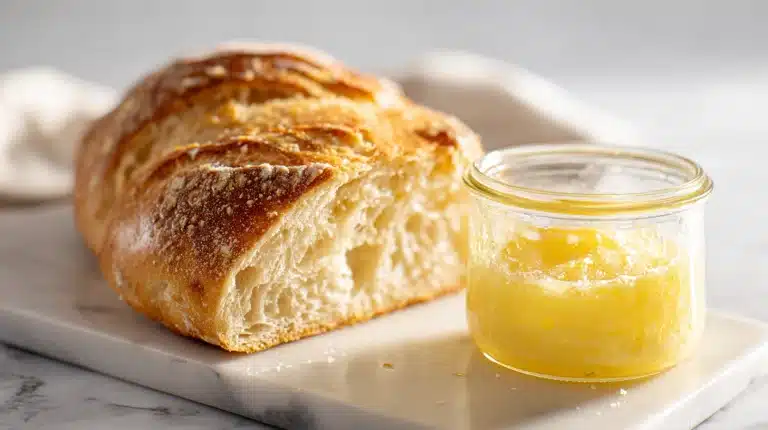
This isn’t your average loaf. Imagine tearing into a crackling crust to find an airy crumb dotted with sweet blueberries and bright pops of orange zest. The natural tang from your sourdough starter perfectly balances the fruit, creating a complex flavor you can’t get from commercial yeast. I developed this recipe after one too many loaves turned into a soggy, purple disaster; the key is folding in the fruit during the bulk fermentation using a specific technique that prevents crushing. You get all the benefits of artisan baking, a chewy texture, incredible keeping quality, and that proud homemade feeling, without it being a weekend-long project.
You’ll love this Blueberry Orange Sourdough Bread because it’s:
- A flavor revelation: The citrus zest makes the blueberries taste even sweeter.
- Surprisingly simple: Uses a straightforward stretch and fold method to build dough strength.
- A visual showstopper: Burst berries create gorgeous purple swirls in every slice.
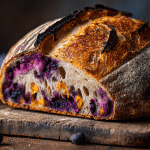
Blueberry Orange Sourdough Bread
- Total Time: 24 hours 20 min
- Yield: 12 slices 1x
Description
This Blueberry Orange Sourdough Bread is a bright, fruity twist on classic sourdough. It features an airy crumb dotted with sweet blueberries and aromatic orange zest, all held together by a crackling crust. The recipe uses a straightforward stretch and fold method and a long cold proof for incredible flavor.
Ingredients
For the Levain:
30g active sourdough starter
30g bread flour
30g all-purpose flour
60g lukewarm water
For the Dough:
300g bread flour
200g all-purpose flour
350g water
10g fine sea salt
50g sugar
For the Add-Ins:
150g fresh blueberries
Zest of 1 large orange
Instructions
1. Mix the Levain: 8-12 hours before baking, combine all levain ingredients in a jar. Cover loosely and let ferment at room temperature until bubbly and nearly tripled.
2. Mix the Dough: In a large bowl, combine the ripe levain, 350g water, and sugar. Add both flours and mix until no dry bits remain. Cover and rest for 30 minutes.
3. Add Salt & Begin Bulk Ferment: Sprinkle salt over dough. Wet hands and pinch it in thoroughly. Cover and begin bulk fermentation (4-5 hours at 74-78°F/23-26°C).
4. Perform Stretch and Folds: Over the first 2 hours, perform 3-4 sets of stretch and folds, spaced 30 minutes apart.
5. Incorporate Fruit: After final fold, pat dough into a rectangle on a damp counter. Scatter blueberries and orange zest over top. Gently fold dough to distribute fruit without crushing.
6. Shape & Proof: Turn dough onto a floured surface. Shape into a tight round or oval. Place seam-side up into a floured proofing basket. Cover and proof at room temp for 1 hour, then refrigerate for 12-16 hours.
7. Preheat & Score: Place Dutch oven in oven and preheat to 450°F (230°C) for 45 minutes. Turn cold dough onto parchment paper. Score the top with a sharp blade.
8. Bake: Place dough (on parchment) into hot Dutch oven. Cover and bake for 25 minutes. Remove lid, reduce heat to 425°F (220°C), and bake uncovered for 20-25 minutes until deeply golden.
9. Cool: Transfer loaf to a wire rack. Let cool completely for at least 3 hours before slicing.
Notes
Store at room temperature for up to 3 days or in the freezer for 3 months. Reheat at 350°F (175°C) for 10 minutes.
For the best rise, ensure your starter is active and bubbly before building the levain. A float test is a reliable check.
Use fresh, firm blueberries for best results. If using frozen, do not thaw them before adding to the dough.
The dough is ready to shape after bulk fermentation when it has increased by 30-50% in volume and shows bubbles along the sides.
Let the loaf cool completely before slicing to allow the crumb to set and prevent gumminess.
- Prep Time: 35 min
- Cook Time: 45 min
- Category: Breakfast, Snack, Sourdough
- Method: Baking
- Cuisine: American
Nutrition
- Serving Size: 1 slice
- Calories: 210 kcal
- Sugar: 8 g
- Sodium: 325 mg
- Fat: 1 g
- Saturated Fat: 0 g
- Unsaturated Fat: 0.5 g
- Trans Fat: 0 g
- Carbohydrates: 43 g
- Fiber: 2 g
- Protein: 6 g
- Cholesterol: 0 mg
Perfect for Using Sourdough Discard
If you maintain a starter, you know the daily dilemma of what to do with the discard. This recipe solves that deliciously. Instead of discarding it, you’ll use some to build your levain, ensuring none goes to waste. It’s a fantastic way to add that distinct sourdough flavor depth to a sweet bread. If you adore fruity bakes, you might also enjoy our lemon blueberry sourdough bread or our strawberry lemon sourdough bread for more bright, tangy variations.
Pro Tip: For the best rise and open crumb, ensure your starter is truly active and bubbly before mixing your levain. A float test in water is a reliable check. Using a blend of bread flour and all-purpose flour gives this loaf the perfect balance of chew and tenderness to support all those juicy berries.
Ingredients & Preparation
Active Time: 35 minutes
Total Time: 24 hours (includes overnight rest)
Yield: 1 loaf (12 slices)
You’ll need a kitchen scale for the best results. This recipe is built for a single, beautifully fruity loaf.
- For the Levain: 30g active sourdough starter, 30g bread flour, 30g all-purpose flour, 60g lukewarm water
- For the Dough: 300g bread flour, 200g all-purpose flour, 350g water, 10g fine sea salt, 50g sugar
- For the Add-Ins: 150g fresh blueberries, zest of 1 large orange
Quick Subs: No bread flour? Use 500g all-purpose flour for a slightly softer crumb. Frozen blueberries work, don’t thaw them, or they’ll bleed. Swap orange zest for lemon for a sharper citrus kick.
Key Ingredients Explained
The flour blend is your foundation. Bread flour has more protein, creating a strong gluten network to trap gas from your active starter and support the heavy fruit. All-purpose flour softens the crumb, preventing a tough chew. Together, they give this Orange Blueberry Sourdough the perfect texture.
Fresh blueberries are ideal; their firm skins hold up better during folding. If using frozen, keep them solid; thawed berries release too much juice and turn your dough grey. The orange zest provides bright, aromatic oils, not liquid, so the dough hydration stays balanced. The sugar feeds your yeast and balances the tang.
Making Your Levain (Sourdough Starter)
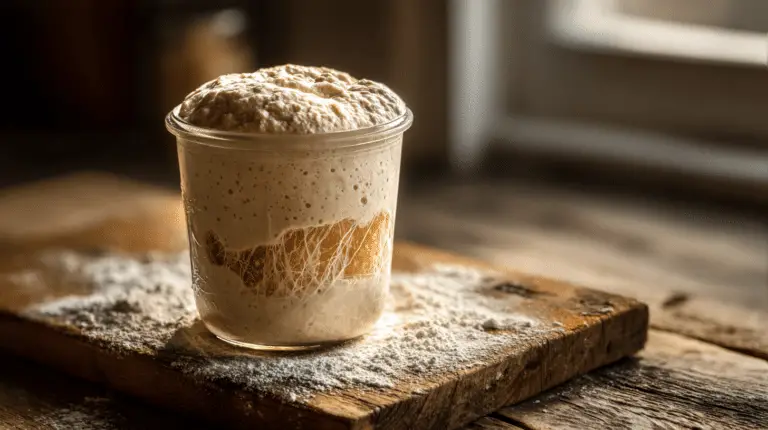
Your levain is just a mini-batch of starter you build specifically for this bake. About 8-12 hours before you want to mix your dough, combine the levain ingredients in a small jar. Stir until smooth, cover loosely, and let it ferment at room temperature. It’s ready when it’s bubbly, has nearly tripled in volume, and passes the float test (a spoonful floats in water). This ripe, active levain is the engine for your Sourdough Bread with Blueberries and Orange. If you enjoy citrus bakes, you might also like our lemon poppy seed sourdough loaf.
Step-by-Step Instructions
Mixing & Bulk Fermentation
- Mix the Dough: In a large bowl, combine your ripe levain, 350g of water, and the sugar. Stir to dissolve. Add the 300g bread flour and 200g all-purpose flour. Mix until no dry bits remain. Cover and let it rest for 30 minutes.
- Add Salt & Begin Bulk Ferment: Sprinkle the 10g salt over the dough. Wet your hands and pinch it in thoroughly. Cover the bowl. This starts your bulk fermentation, which will take about 4-5 hours at a warm room temperature (74-78°F / 23-26°C).
- Perform Stretch and Folds: Over the first 2 hours, perform 3-4 sets of stretch and folds, spaced 30 minutes apart. Wet your hands, grab an edge of the dough, stretch it up, and fold it over the center. Rotate the bowl and repeat around the entire mass.
- Incorporate Fruit: After the final fold, gently pat the dough into a rectangle on a damp counter. Scatter the fresh blueberries and orange zest evenly over the top. Use wet hands to fold the dough over itself several times to distribute the fruit without crushing it.
Pro Tip: If your kitchen is cool, bulk fermentation can take 6+ hours. Look for a 30-50% increase in volume and bubbles along the sides, not just the clock.
Shaping, Proofing & Baking
- Shape the Loaf: After bulk ferment, turn the dough onto a lightly floured surface. Shape it into a tight round or oval. Place it seam-side up into a floured proofing basket (banneton).
- Final Proof: Cover and let it proof at room temp for 1 hour. Then, for the best flavor and easier scoring, refrigerate it for a 12-16 hour cold proof.
- Preheat & Score: Place your Dutch oven in your oven and preheat to 450°F / 230°C for at least 45 minutes. Turn your cold dough onto parchment paper. Score the top quickly with a sharp blade or a lame.
- Bake: Carefully place the dough (on the paper) into the hot Dutch oven. Cover and bake for 25 minutes. Remove the lid, reduce the heat to 425°F / 220°C, and bake uncovered for 20-25 minutes until deeply golden brown.
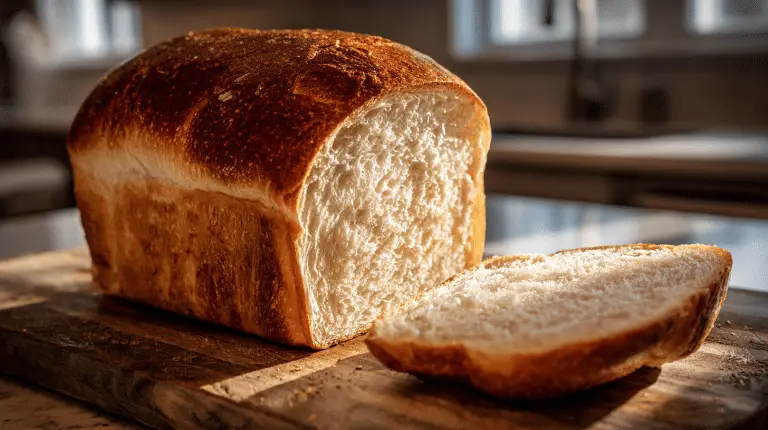
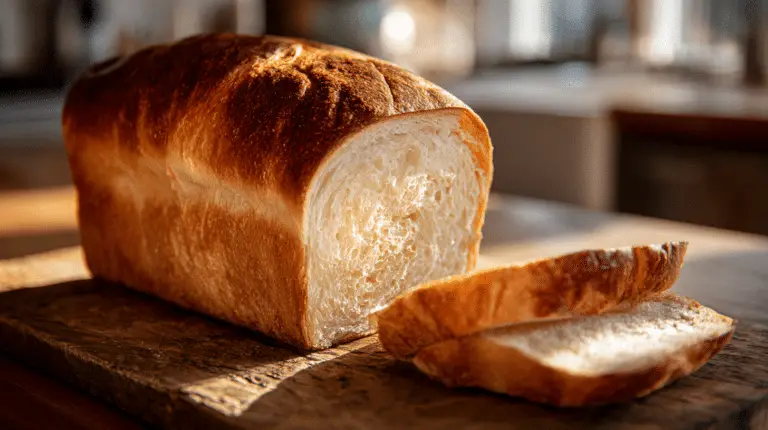
- Cool Completely: The loaf is done when it sounds hollow when tapped and has an internal temperature of 208-210°F / 98-99°C. Let it cool on a wire rack for at least 3 hours before slicing; this sets the crumb and prevents gumminess.
Pro Tip: For extra tang, try a longer, cooler final proof. And if you love fruity breakfast bakes, you’ll adore our greek yogurt blueberry bagels, they’re wonderfully chewy. Looking for a fun starter project? Our chocolate sourdough starter recipe is a delicious twist.
Storage, Tips & Serving Ideas
How to Store Your Sourdough Bread
For the best texture, let your loaf cool completely on a wire rack. Once cool, store it cut-side down on a cutting board for up to 2 hours to enjoy that perfect crust. For longer storage, wrap it tightly in beeswax wrap or place it in a bread bag. Avoid the fridge, as it accelerates staling. Instead, slice and freeze it for fresh toast anytime.
| Counter | Up to 2 hours | Store cut-side down on a board. |
| Freezer | Up to 3 months | Slice, wrap tightly in plastic, and place in a freezer bag. |
| Reheat | — | Thaw if frozen. Warm at 350°F / 175°C for 10 minutes to refresh the crust. |
Expert Baking Tips & Troubleshooting
A few small adjustments make a huge difference. If your fruit sinks, toss the blueberries in a tablespoon of all-purpose flour before folding them in; the light coating helps them stay suspended. For a pale crust, ensure your Dutch oven is fully preheated to create an instant burst of steam.
Dense crumb? This usually means under-fermentation. Ensure your levain is bubbly and active, and let the dough rise by 30-50% during bulk fermentation. Crumbly loaf? You might have over-proofed. In a warm kitchen, shorten the final proof time and rely on the dough’s volume, not the clock. Want more tang? Extend the cold proof in the fridge for up to 24 hours for a deeper sourdough flavor.
Serving Ideas:
- Toasted and slathered with salted butter for the ultimate breakfast.
- Transformed into decadent French toast or bread pudding.
- Served alongside afternoon tea or coffee. For another citrusy treat, try making your own candied orange peel recipe as a garnish.
- Enjoy it as a satisfying snack, just like a slice of our recipe banana bread no butter, but with a tangy, fruity twist.
Frequently Asked Questions About Blueberry Orange Sourdough Bread
Can I use frozen blueberries?
Yes, but use them straight from the freezer. Do not thaw them, as thawed berries release too much juice and will bleed, creating a gummy, grey-purple dough. Tossing the frozen berries in a tablespoon of all-purpose flour before folding them in can help prevent them from sinking to the bottom during baking.
Can I add lemon juice or other citrus?
Swap the orange zest for lemon zest for a sharper flavor. However, avoid adding lemon juice directly to the dough. The extra liquid will throw off the hydration and can weaken the gluten structure. For the best crumb, stick to using just the fragrant zest, which provides bright flavor without adding moisture.
What other fruits or inclusions can I add?
Chopped dried cranberries, cherries, or toasted walnuts are excellent additions. If using fresh fruit like raspberries or blackberries, keep the total weight to 150g and handle them very gently during folding. For chocolate, try folding in 100g of dark chocolate chips during the final stages of bulk fermentation.
Is a crumble topping necessary?
No, a crumble topping is not necessary for this loaf. The beauty of this Blueberry Orange Sourdough Bread is in its crackling, blistered crust from the Dutch oven. Adding a topping can prevent proper oven spring and steam release. For extra sweetness, simply brush the scored loaf with milk and sprinkle it with coarse sugar before baking.
So, the real secret is that fruity sourdough doesn’t have to be complicated or turn gummy. Using the stretch and fold method during bulk fermentation and keeping your blueberries cold makes this process surprisingly quick and hands-off. I always use a chilled dough from the fridge for easier scoring and a better oven spring; it’s my non-negotiable step.
Try this Blueberry Orange Sourdough Bread this weekend; you’ll be amazed at the bright, bakery-quality results. What’s your favorite fruity add-in for sourdough? I’m torn between raspberries and dark chocolate chips.
For more recipes like Blueberry Orange Sourdough Bread, follow us on Facebook and Pinterest for festive brunch ideas and easy homemade baking inspiration you’ll love to save.