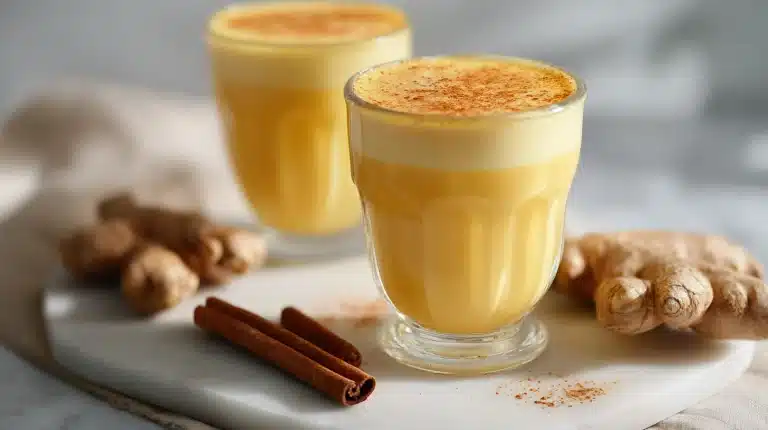
My first sip of proper kahwa happened on a freezing morning in a Kashmiri guest house. The host poured a golden, saffron-studded brew from a copper samovar, and it instantly warmed my bones.

Too often, home attempts at this spiced honey tea turn out miserably bitter. The green tea leaves steep so long that the delicate saffron and cardamom notes get completely crushed by tannins.
Inside: the exact spice ratios to balance the floral notes, the precise four-minute simmer time to prevent bitterness, and the traditional almond garnish technique that adds the perfect creamy crunch.
Table of Contents
The Heritage Behind Your Kahwa Tea Recipe
Kashmiri kahwa is far more than a simple morning beverage. It is a centuries-old tradition born in the cold valleys of the Himalayas, where warming spices and soothing liquids are essential for survival. The authentic kahwa recipe was historically prepared in a massive copper samovar, a tall, ornate kettle positioned right over hot coals. The samovar keeps the spiced honey tea at a constant, gentle simmer throughout the day, welcoming guests and family members alike with a steaming, fragrant cup.
When you set out to master a kahwa tea recipe, you are tapping into a rich lineage of hospitality. The specific blend of spices varies slightly from household to household across the Kashmir region. Some families prefer a heavier hand of cinnamon, while others lean toward the floral perfume of dried rose petals. The core of the Kashmiri green tea experience, however, always remains the same. It relies on a delicate balance of warming spices, a slight sweetness from honey or sugar, and the unmistakable garnish of crushed almonds.
The green tea leaves used in a traditional kahwah recipe are not your typical flat, rolled loose-leaf teas. Kashmiri green tea is a specific variety, often resembling tiny, curled pellets or coarse granules. This unique shape allows the tea to release its mild, nutty flavor slowly without turning aggressively bitter. If you can find these specific green tea leaves at a local international grocer or online spice merchant, they will dramatically improve your final brew.
Understanding this cultural background changes how you approach the cooking process. You know that the goal is a gentle extraction, not a harsh boil that strips the delicate flavors. The saffron strands provide a golden hue, while the cardamom and cloves offer a comforting aroma that fills your entire kitchen. Preparing this drink becomes a meditative morning ritual rather than a rushed afterthought.
Print
How to Make Authentic Kashmiri Kahwa Tea at Home
- Total Time: 12 min
- Yield: 3 servings 1x
- Diet: Vegetarian
Description
Kashmiri kahwa is a fragrant, spiced green tea brewed with saffron, cardamom, and cinnamon. It is sweetened with honey and topped with crushed almonds for a creamy, textured finish.
Ingredients
For the tea:
4 cups filtered water
2 tablespoons Kashmiri green tea leaves
1 Ceylon cinnamon stick
4 green cardamom pods
3 whole cloves
1 pinch saffron strands
1 teaspoon dried organic rose petals
For the garnish:
2 tablespoons crushed almonds
Honey or sugar to taste
Instructions
1. Place the cinnamon stick, green cardamom pods, and whole cloves in a mortar and pestle and gently crush them to release their oils.
2. Add the filtered water to a small saucepan over medium heat and drop in the cracked spices.
3. Heat the water until small bubbles form at the bottom but before it reaches a rolling boil.
4. Add the Kashmiri green tea leaves, dried rose petals, and saffron strands to the water.
5. Reduce the heat to low and let the mixture simmer gently for exactly four minutes until the water turns a clear golden color.
6. Remove the saucepan from the heat and let it rest for one minute so the flavors can settle.
7. Place a fine mesh strainer over your serving cups and pour the golden liquid through to catch the solids.
8. Add honey or sugar to taste and stir until completely dissolved.
9. Divide the freshly crushed almonds between the serving cups and serve immediately while piping hot.
Notes
Store any leftover plain tea in the refrigerator for up to 2 days. Reheat gently on the stove over low heat.
Do not use boiling water to steep the green tea leaves, as it will extract bitter tannins and ruin the delicate floral profile.
For the best flavor, use Ceylon cinnamon rather than cassia cinnamon, as it has a sweeter and more complex aroma.
Crush the almonds right before serving to preserve their natural oils and creamy texture.
- Prep Time: 4 min
- Cook Time: 8 min
- Category: Drink
- Method: Stovetop
- Cuisine: Asian
Nutrition
- Serving Size: 1 cup
- Calories: 45 kcal
- Sugar: 6 g
- Sodium: 10 mg
- Fat: 2 g
- Saturated Fat: 0 g
- Unsaturated Fat: 2 g
- Trans Fat: 0 g
- Carbohydrates: 8 g
- Fiber: 1 g
- Protein: 1 g
- Cholesterol: 0 mg
Essential Ingredients for the Perfect Kahwa Tea Recipe
Gathering the right components is the most critical step in this kahwa tea recipe. You cannot achieve the authentic taste of Kashmiri kahwa without using whole, high-quality spices. Ground spices will make your tea cloudy and overpower the subtle notes of the green tea leaves. The foundation of the brew relies on fresh, filtered water, as the tea is mostly water by volume and any chemical tastes from the tap will ruin the delicate floral profile.
The spice lineup for a proper kahwah recipe is beautifully simple but highly specific. You will need a stick of Ceylon cinnamon, green cardamom pods, and a few whole cloves. These whole spices are lightly crushed using a mortar and pestle just before brewing. Crushing them releases their essential oils, creating a fragrant base that pairs perfectly with the nutty notes of the Kashmiri green tea. Do not skip the dried rose petals, as they provide a distinctly floral aroma that distinguishes kahwa from other spiced teas.
Here is the specific lineup you need for your shopping list:
- 4 cups of filtered water
- 2 tablespoons of Kashmiri green tea leaves
- 1 Ceylon cinnamon stick
- 4 green cardamom pods
- 3 whole cloves
- A generous pinch of saffron strands
- 1 teaspoon of dried organic rose petals
- 2 tablespoons of crushed almonds
- Honey or sugar to taste
Saffron is the crown jewel of this spiced honey tea. Look for deep red threads with minimal yellow or white portions at the tips. These high-quality saffron strands will impart a robust golden hue and an earthy, luxurious flavor. If you enjoy exploring the soothing properties of warm drinks, you might appreciate this valerian root tea recipe for your evening routine.
The almonds must be freshly crushed, not pre-sliced. Crushed almonds release a slight natural oil that floats on the surface of the tea, adding a rich, creamy mouthfeel that perfectly balances the astringency of the green tea. Keep your almonds whole until right before you serve the tea to preserve their natural oils.
Step-by-Step Kahwa Tea Recipe Instructions
Executing this kahwa tea recipe requires careful attention to temperature and time. The biggest mistake people make when brewing green tea is using water that is too hot. Boiling water will scorch the delicate green tea leaves, extracting bitter tannins that completely overpower the saffron and cardamom. You want the water to be just below a rolling boil, around 180 degrees Fahrenheit, before you add any tea leaves.
Preparing the spices and water
Begin your Kashmiri kahwa by placing a small saucepan over medium heat. Add the four cups of filtered water to the pan. While the water warms, place your cinnamon stick, green cardamom pods, and whole cloves into your mortar and pestle. Give them a few gentle but firm presses to crack the pods and break the cinnamon. You want them broken open, not pulverized into dust. Drop these cracked spices directly into the warming water.
Adding the tea and floral elements
As the water begins to release tiny bubbles at the bottom of the pan but before it reaches a fierce boil, add your Kashmiri green tea leaves, dried rose petals, and saffron strands. Reduce the heat to low. Let the mixture simmer very gently for exactly four minutes. You will notice the water transforming into a beautiful, clear golden color. The aroma in your kitchen will shift from sharp spice to a sweet, deeply floral perfume.
Straining and sweetening
After four minutes, remove the saucepan from the heat entirely. Let the tea rest for another minute off the heat to allow the flavors to settle. Place a fine mesh strainer over your serving cups or a small teapot. Pour the golden liquid through the strainer to catch all the whole spices and tea leaves. Discard the solids. Add honey or sugar to your personal preference and stir until completely dissolved. If you are looking for another comforting evening option, a honey cinnamon bedtime drink uses similar warming spices.
Adding the traditional garnish
The final and perhaps most important step in the kahwa tea recipe is the garnish. Divide your freshly crushed almonds between your serving cups. The almonds will float to the top, creating a textured, nutty crust on the surface of the hot tea. As you sip, the crushed nuts coat your tongue, mellowing the astringency of the green tea and rounding out the entire flavor profile. Serve immediately while the tea is piping hot and the saffron color is at its most vivid.
Expert Tips for Your Kahwa Tea Recipe
Mastering a kahwa tea recipe is all about tweaking the small details. Once you have the basic simmer time down, you can start playing with the ratios to suit your personal palate. Some people prefer a stronger cinnamon note, while others want the saffron to be the dominant flavor. The beauty of making Kashmiri green tea at home is that you can adjust it precisely to your liking without ruining the integrity of the brew.
Storing your green tea leaves
You might wonder how long your Kashmiri green tea leaves will last after you open the package. Green tea leaves are sensitive to light, air, and moisture. To keep them fresh for up to one year, transfer them to an airtight, opaque container immediately. Store this container in a cool, dark pantry away from your stove or any heat sources. If the leaves are exposed to air, they will lose their subtle flavor and taste dull and dusty. Before brewing, smell the leaves. They should have a faint, sweet, nutty aroma. If they smell like nothing or have a dusty, flat scent, they are too old to make a good cup of kahwa.
Balancing the sweetness
Choosing between honey and sugar changes the final profile of your spiced honey tea. Honey adds a deep, floral sweetness that complements the saffron and rose petals beautifully. If you use honey, choose a mild, local clover or wildflower honey so it does not overpower the tea. Add the honey to your individual cup after the tea has been strained, rather than boiling the honey with the spices. Boiling honey can destroy its beneficial enzymes and create a harsh, overly sweet flavor.
Customizing the spice level
If you want a spicier brew, gently crush the cardamom pods a bit more before dropping them into the water. You can also add one extra clove. Be careful with cloves, as they have a very strong, numbing spice that can quickly dominate the pot. If you want to explore the warming benefits of different spices in your daily routine, the cloves and okra water benefits are another fascinating area to explore. Always taste your tea after adding your honey and before you add more spices. The sweetening process balances out sharp spice notes, meaning you might need less spice than you initially thought.
Frequently Asked Questions
How do you make Kahwa tea at home?
To make Kahwa tea at home, simmer whole spices like cinnamon, cardamom, and cloves in filtered water. Add Kashmiri green tea leaves, saffron, and dried rose petals. Let everything steep gently for four minutes, then strain the liquid into cups. Sweeten with honey and garnish with crushed almonds before serving.
What is the traditional Kashmiri Kahwa recipe?
The traditional Kashmiri Kahwa recipe involves brewing green tea leaves with whole spices, saffron strands, and dried rose petals in a copper samovar over hot coals. It is sweetened with sugar or honey and served with a generous topping of freshly crushed almonds. It is a fragrant, warming drink specific to the Kashmir valley.
How long will green tea leaves last?
Green tea leaves will last up to one year if stored correctly. You must keep them in an airtight, opaque container in a cool, dark pantry away from heat and moisture. Exposure to air and light will cause the leaves to oxidize, resulting in a dull, flat flavor that lacks the nutty aroma needed for kahwa.
Are kahwa and green tea the same thing?
No, kahwa and green tea are not the same thing. Kahwa is a specific, traditional beverage made with a particular variety of Kashmiri green tea leaves, whole spices, saffron, and almonds. Standard green tea is simply the unoxidized leaves of the Camellia sinensis plant steeped in water, without the added spices and floral garnishes.
Conclusion
This traditional kahwa tea recipe bridges the gap between ancient Himalayan traditions and your modern kitchen. Remembering the delicate four-minute simmer is the secret to avoiding the bitter tannins that ruin so many attempts at making this comforting beverage. The combination of saffron, cardamom, and crushed almonds creates a sensory experience that warms you from the inside out.
Brew a pot of this golden, spiced tea this week when you need a quiet moment of warmth. It is the perfect afternoon companion for a chilly day or a soothing way to unwind after a long morning.
For more recipes like kahwa tea recipe, follow us on Facebook and Pinterest for comforting beverage ideas and cozy morning inspiration.
More recipes in this series: