My grandmother kept a small glass jar of dried valerian root on the highest kitchen shelf, and the first time I cracked it open, I understood why she hid it up there. This valerian root tea recipe is not for the faint of nose, but the sleep that follows it is the kind that makes your alarm feel like an interruption.
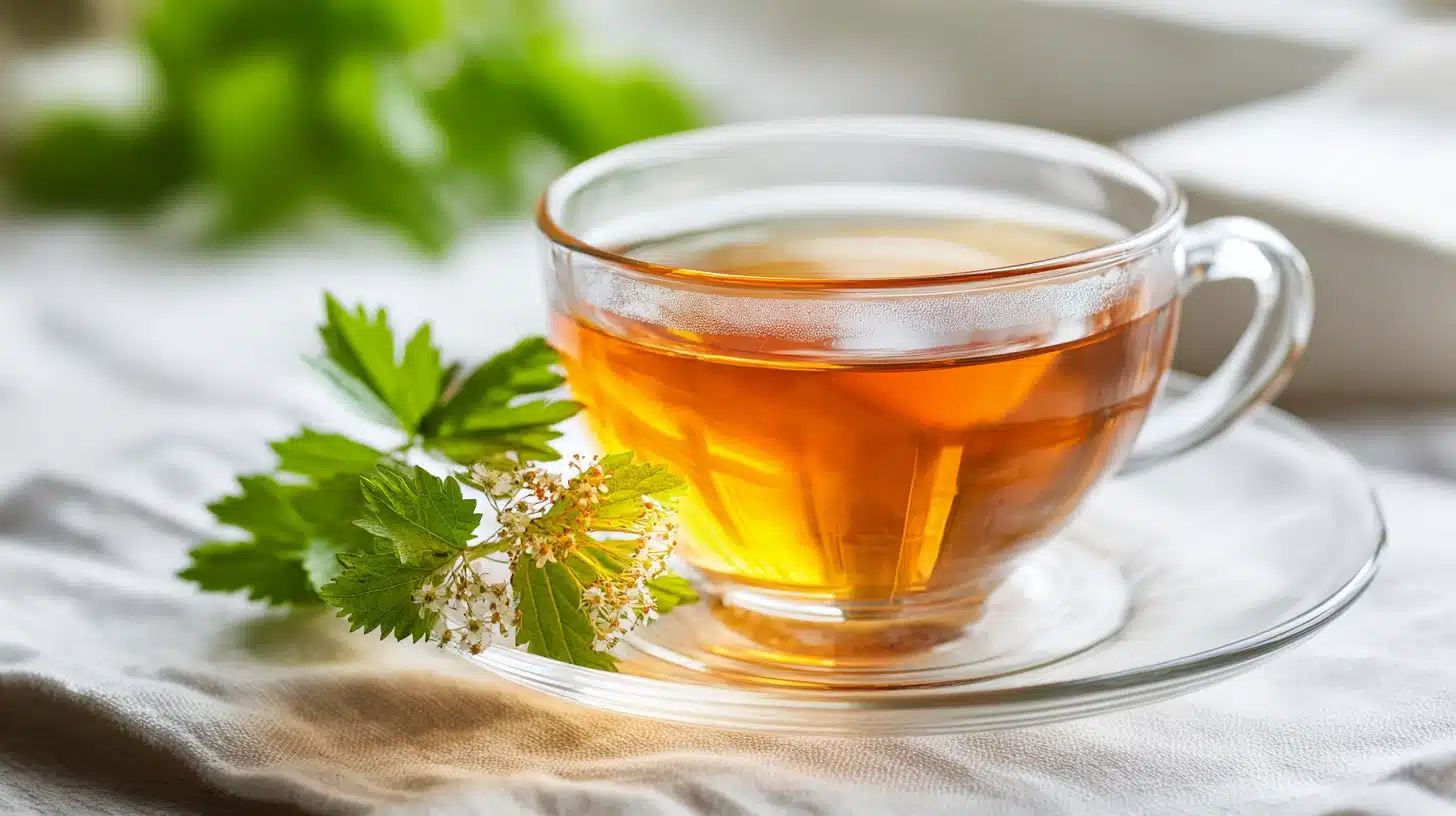
Herbal sleep teas can taste muddy, brew too weak to do anything, or steep so long they turn bitter and undrinkable. This recipe gives you the exact steeping window, the right water temperature, and the add-ins that actually round out the flavor without burying the root’s benefits.
Inside: the ideal steep time for maximum GABA-boosting effect, optional blends that make this tea genuinely pleasant to drink, and the storage trick that keeps your dried valerian root potent for months.
Table of Contents
What Is Valerian Root and Why Does It Work?
Before you brew a single cup, it helps to understand what you are actually working with, because valerian root is not your average herbal ingredient. It comes from the Valeriana officinalis plant, a flowering herb native to Europe and Asia. It has been used as a natural sleep aid for well over two thousand years. Roman physicians prescribed it. Medieval apothecaries sold it. Modern researchers are finally confirming what all those generations of insomniacs already knew.
The Science Behind the Sleep
Valerian root contains several active compounds, most notably valerenic acid and a range of antioxidants. These appear to interact with GABA receptors in the brain. GABA, short for gamma-aminobutyric acid, is the neurotransmitter responsible for calming nerve activity. When GABA levels are low or the receptors are not responding well, you get racing thoughts, muscle tension, and that wired-but-tired feeling that sends you staring at the ceiling at 2 a.m.
Valerian root is thought to slow the breakdown of GABA in the brain, which means the calming signal stays active longer. This is the same general pathway used by some prescription sleep medications, though valerian works far more gently and without the dependency risk. Multiple clinical studies have shown measurable improvements in sleep quality and reduction in the time it takes to fall asleep, particularly with consistent use over two to four weeks.
Beyond sleep, valerian root is often used for anxiety relief and easing muscle tension. If your sleeplessness comes from a body that simply will not unclench at the end of the day, this herbal root addresses that particular issue in a way that chamomile alone typically does not.
What It Smells and Tastes Like
Here is the honest truth no wellness blog wants to tell you: dried valerian root smells a little like old socks soaked in a forest floor. The aroma comes from isovaleric acid, a compound that forms as the root dries and ages. That smell can be alarming the first time. The good news is that the brewed tea, while earthy and slightly bitter, is considerably milder than the dry root suggests. It carries warm, woody, and faintly sweet undertones that hold up well against honey, chamomile, and lemon balm. Once you know what to expect, that distinctive scent actually becomes a kind of Pavlovian cue: your body starts winding down the moment you open the jar.
Sourcing Quality Valerian Root
Look for dried valerian root sold by reputable herbal suppliers. You want root pieces that are light tan to pale brown, dry to the touch, and stored in an airtight container. Avoid anything that looks gray or smells stale rather than sharp. Organic is worth the small price increase here because the root absorbs soil compounds readily. You can find it at natural food stores, co-ops, or online herbal retailers. Once you have a good source, keep the jar sealed and stored away from light and heat.
Print
Valerian Root Tea Recipe: Your New Nightly Wind-Down Ritual
- Total Time: 10 min
- Yield: 1 cup 1x
- Diet: Vegan
Description
A simple, earthy herbal tea made from dried valerian root and optional calming add-ins like chamomile, lemon balm, and honey. This tea is designed to help you wind down before bed by supporting your body’s natural GABA activity. It brews in ten minutes and is fully caffeine-free.
Ingredients
For the base tea:
1 teaspoon dried valerian root pieces (not powder)
8 ounces filtered water
Optional add-ins (choose one or more):
1 teaspoon dried chamomile flowers
1 teaspoon dried lemon balm leaves
1/4 teaspoon ashwagandha powder
1 teaspoon raw honey
2 tablespoons warm whole milk or oat milk
1 small pinch ground cinnamon
Instructions
1. Heat 8 ounces of filtered water in a small saucepan or kettle until it reaches 200 to 205 degrees Fahrenheit. You want steady small bubbles rising from the bottom but not a full rolling boil. This temperature preserves the volatile compounds in the valerian root.
2. Measure 1 teaspoon of dried valerian root pieces and place them into a fine-mesh tea infuser, reusable tea bag, or a small square of cheesecloth tied closed. Leave a little room inside so the water can circulate freely around the root.
3. Set the loaded infuser into your mug and pour the hot water directly over it. The liquid will begin to turn a warm golden brown almost immediately and the earthy, woody scent will rise with the steam.
4. Set a timer and steep for 10 to 15 minutes. Do not rush this step. Less than 10 minutes produces a weak brew and more than 15 minutes turns bitter. The 12-minute mark is a reliable middle ground for both flavor and potency.
5. Remove the infuser from the mug and let the liquid drip back in completely before discarding the root. If you used ashwagandha powder, whisk it directly into the hot tea now until fully dissolved.
6. Stir in honey while the tea is still hot so it melts evenly into the liquid. Add warm milk if using, pouring it in slowly and stirring to combine. The tea should look golden and slightly cloudy if milk is added.
7. Drink the tea 30 to 60 minutes before your intended bedtime. Sip slowly and let the warmth settle through your body as you prepare for sleep.
Notes
Store dried valerian root in an airtight glass jar in a cool, dark cabinet for up to 12 months. Brewed tea does not store well and should be consumed fresh each night.
If the earthy flavor is too strong at first, start with 1/2 teaspoon of dried valerian root and increase gradually over a week as your palate adjusts.
Pairing valerian root with chamomile or lemon balm is not just about flavor. Both herbs also interact with GABA receptors, making the blend genuinely more effective than valerian alone.
Avoid combining this tea with alcohol, prescription sleep medications, benzodiazepines, or antihistamines. If you take any regular medications, check with your doctor before adding valerian root to your nightly routine.
- Prep Time: 10 min
- Cook Time: 0 min
- Category: Drink
- Method: No-Cook
- Cuisine: American
Nutrition
- Serving Size: 1 cup
- Calories: 12 kcal
- Sugar: 3 g
- Sodium: 5 mg
- Fat: 0 g
- Saturated Fat: 0 g
- Unsaturated Fat: 0 g
- Trans Fat: 0 g
- Carbohydrates: 3 g
- Fiber: 0 g
- Protein: 0 g
- Cholesterol: 0 mg
The Core Valerian Root Tea Recipe
This is the base valerian tea recipe, stripped to its essentials. It takes ten minutes, requires no special equipment beyond a fine-mesh infuser or a small piece of cheesecloth, and produces one cup of genuinely effective herbal sleep tea. Everything else in this article builds on this foundation.
What You Will Need
For the tea:
- 1 teaspoon dried valerian root pieces (not powder, for easier straining)
- 8 ounces filtered water
- Optional: 1 teaspoon raw honey
- Optional: 2 tablespoons warm whole milk or oat milk
Equipment:
- Small saucepan or electric kettle
- Fine-mesh tea infuser, reusable tea bag, or cheesecloth square
- Mug that holds at least 10 ounces
- Timer
Step-by-Step Instructions
Step 1: Heat your water to the right temperature. Bring 8 ounces of filtered water to just below a boil, around 200 to 205 degrees Fahrenheit. You are looking for small, steady bubbles rising from the bottom of the pot, not a full rolling boil. Boiling water can drive off some of the delicate volatile compounds in valerian root, so pulling it just shy of that point preserves more of what you actually want.
Step 2: Load your infuser. Measure one teaspoon of dried valerian root pieces and place them in your infuser or tie them loosely in a cheesecloth square. Loose root pieces give a better extraction than a tightly packed bundle, so leave a little room for the water to circulate around the herb.
Step 3: Steep for exactly 10 to 15 minutes. Place the loaded infuser in your mug and pour the hot water over it. Set a timer. Steeping for less than 10 minutes produces a weak infusion that may not give you noticeable effects. Steeping beyond 15 minutes pushes into bitter territory. The sweet spot for both flavor and potency is that 10 to 15 minute window.
Step 4: Remove the infuser and add your optionals. Lift out the infuser and let the liquid drain back into the mug. If you are using honey, stir it in now while the tea is still hot so it dissolves completely. A small splash of warm milk softens the earthy edge and adds a lightly creamy texture that makes the whole experience feel more like a bedtime treat than a remedy.
Step 5: Drink 30 to 60 minutes before bed. This gives the active compounds time to cross the blood-brain barrier and begin their work before your head hits the pillow. Sip slowly and let the warmth do its job.
Flavor Variations and Herbal Blends
The base valerian root tea recipe is effective, but it is also an acquired taste. The good news is that valerian root pairs beautifully with other calming herbs and flavors, and the right pairing makes this homemade valerian tea something you will look forward to each night rather than simply endure.
The Classic Chamomile Blend
Chamomile and valerian have been paired for centuries, and for good reason. Chamomile brings a sweet, apple-adjacent floral note that lifts the earthiness of valerian without competing with it. The two herbs also have complementary mechanisms: chamomile binds to the same GABA receptors as valerian, meaning they genuinely reinforce each other rather than just masking one taste with another.
To make this blend, use three-quarters of a teaspoon of dried valerian root and add one teaspoon of dried chamomile flowers to the same infuser. Steep together for ten minutes. The result smells like a meadow at dusk and tastes like a gentle, floral version of the sleepy time tea you find in grocery stores, except this one actually has some potency behind it.
The Lemon Balm and Ashwagandha Blend
If your sleeplessness is driven more by anxiety and mental chatter than by physical fatigue, this blend addresses the root cause more directly. Lemon balm is another herb known for its anxiety-relief properties, with a bright, citrusy scent that practically resets your nervous system the moment you inhale it. Ashwagandha powder brings adaptogenic support, helping your body manage the cortisol spikes that can wire you up in the evening.
Use half a teaspoon of dried valerian root, one teaspoon of dried lemon balm leaves, and a quarter teaspoon of ashwagandha powder whisked directly into the steeped tea. The lemon balm and valerian steep together in the infuser, then you whisk in the ashwagandha and a teaspoon of honey at the end.
If you enjoy exploring calming herbal drinks beyond this blend, the lemon balm drink for weight loss on Forkful Daily covers a great daytime companion for your herbal routine.
The Honey and Warm Milk Blend
This one is less about adding more herbs and more about making the experience as comforting as possible. Warm milk contains small amounts of tryptophan, a precursor to serotonin and melatonin, which pairs well with valerian’s GABA action. Raw honey adds a light sweetness and, in small amounts, may slightly raise insulin to help tryptophan cross the blood-brain barrier more efficiently.
Steam or gently warm two ounces of whole milk or oat milk separately, then pour your steeped valerian infusion over it. Stir in one teaspoon of raw honey and a small pinch of cinnamon. The result is rich, slightly creamy, and smells like a warm wooden cabin. It is the valerian root infusion for people who want their bedtime tea to feel like a genuine treat.
Adjusting Strength
One teaspoon of dried valerian root per eight ounces of water is the standard starting point. If you find the effects too subtle after a week of consistent use, you can increase to one and a half teaspoons. If you are sensitive to herbal supplements or just beginning your experiment with natural sleep aid tea, start with half a teaspoon and work up gradually.
Storage, Sourcing, and Brewing Tips
Getting the most out of your valerian root tea recipe comes down to three things: how you store your herbs, how you source them, and a handful of small technique details that make a measurable difference in the final cup.
Storing Dried Valerian Root
Dried valerian root is sensitive to light, heat, and moisture. All three accelerate the degradation of valerenic acid, which is the compound you actually want intact when you brew. Store your dried root in an airtight container, glass is best, kept in a cool and dark cabinet. A well-sealed jar stored properly will stay potent for up to twelve months. After that, the root does not become harmful, but it does become progressively weaker, so the steep time that used to knock you out may barely cause a yawn.
Label your jar with the purchase or harvest date. That small habit saves you from ever brewing weak tea and wondering why it stopped working.
Choosing Your Water
Filtered water genuinely makes a difference with delicate herbal teas. Tap water with a high mineral content or a strong chlorine taste will compete with the subtle woody and earthy notes in the tea. A simple pour-over water filter is enough. If you only have tap water, letting it run for thirty seconds and then bringing it to temperature is a reasonable workaround.
Caffeine Considerations
Valerian root is naturally caffeine-free, which is one of the reasons it works as a bedtime drink. If you are blending it with other herbs, double-check that everything in your infuser is also caffeine-free. Yerba mate, guayusa, and even some green tea-based blends can slip into premixed herbal blends, so reading ingredient labels matters. The base valerian root tea recipe and all the blends in this article are fully caffeine-free.
Equipment That Makes It Easier
A fine-mesh stainless steel ball infuser is your most practical tool here. Valerian root pieces are chunky enough that they do not slip through most standard mesh sizes, which means less sediment in your cup. If you are brewing the lemon balm blend, a slightly larger infuser basket works better to give the leaves room to open up and release their oils.
For storage on the brewing side, a small tray with your nightly ingredients already measured out makes the ten-minute routine feel genuinely effortless. Set it up once and you will find yourself looking forward to the ritual rather than having to think about it.
Consistency Is the Secret
One cup of this natural sleep aid tea is pleasant. Two weeks of consistent nightly cups is where real, lasting improvement in sleep quality tends to show up in the research. The valerenic acid in valerian root appears to build up a mild cumulative effect in the body. Think of it less like a pill you take the night you need sleep and more like a practice you build over time.
Frequently Asked Questions
What should I not mix with valerian root?
Avoid combining valerian root with alcohol, prescription sleep medications, benzodiazepines, or any other sedative drugs. The combination can cause excessive sedation. Valerian may also interact with some antihistamines and certain antidepressants, so if you are on any regular medications, check with your doctor before adding a valerian root tea recipe to your daily routine.
Is it okay to drink valerian root tea every day?
Most herbal health practitioners suggest that drinking valerian root tea daily for up to four to six weeks is generally considered safe for healthy adults. Taking a short break of one to two weeks after that period is a reasonable approach. Long-term daily use beyond a few months has not been studied extensively, so periodic breaks are a sensible precaution.
Does valerian root help heart palpitations?
Some people report that valerian root helps reduce palpitations related to anxiety, likely because of its calming effect on the nervous system and its interaction with GABA receptors. However, if you are experiencing frequent or unexplained heart palpitations, that symptom warrants a conversation with your doctor before you address it with herbal tea. Valerian should not replace a proper cardiac evaluation.
How long should I steep valerian root tea?
The ideal steep time for a valerian root tea recipe is 10 to 15 minutes in water that is just under boiling, around 200 to 205 degrees Fahrenheit. Less than 10 minutes produces a weak brew that is unlikely to have a meaningful effect. More than 15 minutes extracts bitter compounds that make the tea unpleasant to drink. Set a timer and pull the infuser at the twelve-minute mark if you want a reliable middle ground.
Conclusion
This valerian root tea recipe is proof that the most effective sleep tools are often the simplest ones. A single teaspoon of dried root, water pulled just short of boiling, and fifteen minutes of patience is all it takes to make a cup that has genuinely been helping people sleep for centuries.
Give it a try this week, ideally at the same time each night, and let the ritual become as calming as the tea itself. Consistency is where the magic lives.
For more recipes like this valerian root tea recipe, follow us on Facebook and Pinterest for soothing herbal drink ideas and natural wellness recipes.