
A pistachio bedtime snack might be the one thing standing between you and a genuinely restful night. The science behind it is more interesting than you’d expect.
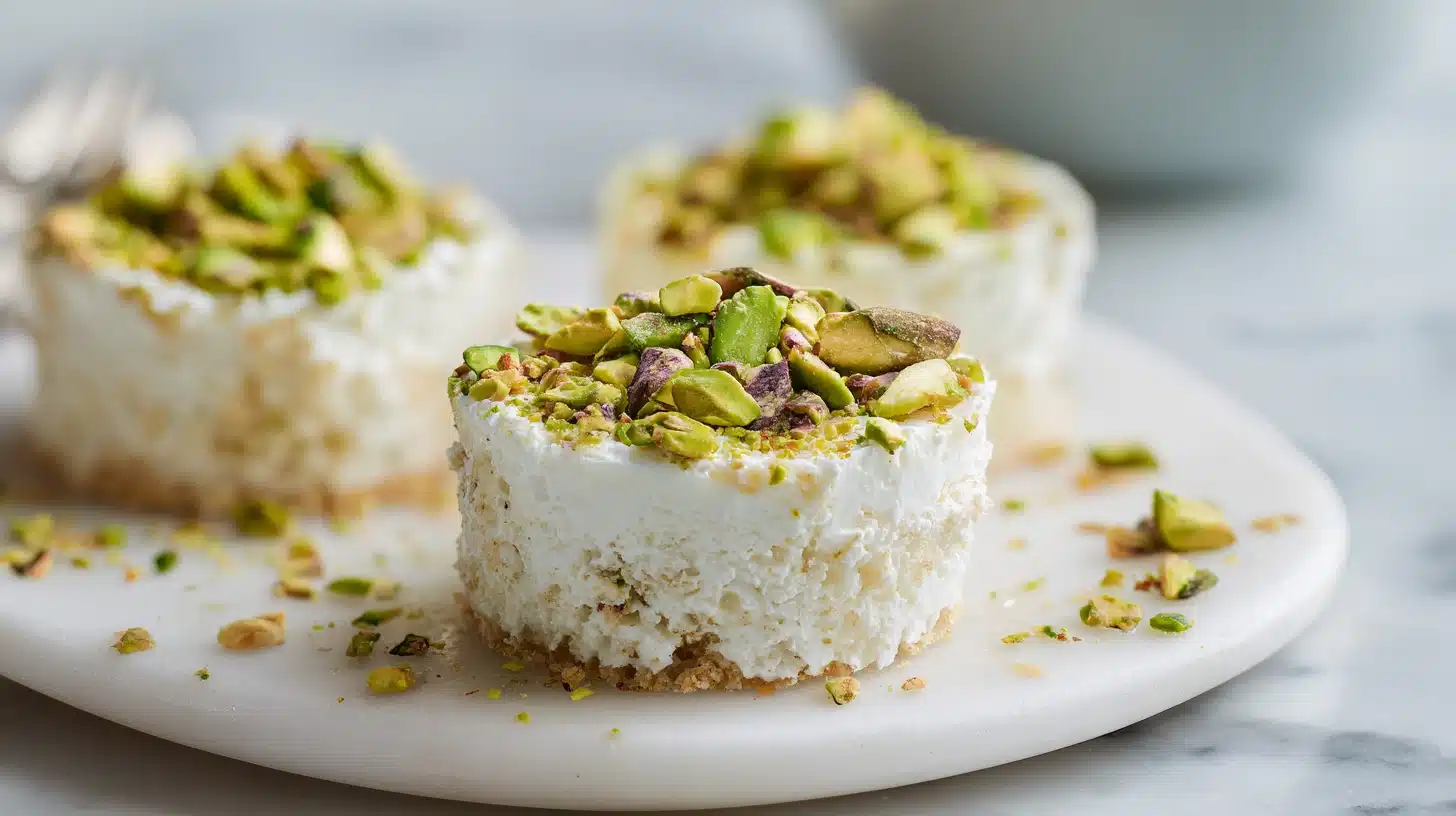
Most late-night snacking gets blamed for poor sleep and weight gain. But pistachios do the opposite. Once you understand why, you’ll stop feeling guilty about that evening handful.
Inside: the specific nutrients in pistachios that support sleep, exactly how many to eat and when, and the smartest ways to pair them so you wake up feeling like yourself.
Table of Contents
Why Pistachios Are One of the Best Bedtime Nuts You Can Eat
Walk down the nut aisle and you’ll find almonds, walnuts, and cashews all competing for the “healthy snack” title. Pistachios tend to get overlooked at night. That’s a real shame, because when it comes to a nighttime snack for sleep, pistachios have surprising advantages.
Melatonin: The Sleep Hormone You Can Eat
Here’s what surprises most people. Pistachios are one of the only whole foods that contain meaningful amounts of melatonin, the hormone your brain releases to signal that it’s time to sleep. A 2014 analysis in the Journal of Food Composition and Analysis measured melatonin across hundreds of foods and found pistachios contained roughly 660 nanograms per gram, far higher than most nuts. A small evening portion gives you a real, food-based dose of this circadian rhythm regulator without a supplement.
Your body’s circadian rhythm, the internal clock governing sleep and wake cycles, responds to light cues and hormonal signals. Eating a melatonin-rich snack like pistachios about an hour before bed can gently nudge that clock in the right direction.
Tryptophan and Magnesium: The Sleep Stack
Beyond melatonin, pistachios contain tryptophan, the amino acid your brain converts into serotonin and eventually into more melatonin. They’re also a solid source of magnesium, a mineral that activates GABA receptors in the brain, the same receptors targeted by many sleep medications, just much more gently. Low magnesium levels are consistently linked to poor sleep quality and frequent nighttime waking.
A 1-ounce serving of shelled pistachios delivers roughly 34 mg of magnesium. That’s not a full daily dose, but paired with other dietary magnesium through the day, it moves you closer to the threshold where sleep genuinely improves.
Blood Sugar Stability Through the Night
One underrated reason people sleep poorly is blood sugar crashing around 2 or 3 a.m., which triggers a cortisol spike that pulls you out of deep sleep. Pistachios have a low glycemic index and a fiber-fat-protein combination that slows digestion and keeps blood glucose steady through the night. This matters for anyone managing prediabetes or monitoring their A1C numbers.
If you want to pair your pistachio sleep aid with something light and sweet without spiking blood sugar, a small scoop of honey pistachio ricotta phyllo cups filling eaten on its own, just the ricotta and pistachio mixture, makes a genuinely satisfying low-sugar option.
Print
The Pistachio Bedtime Snack That Actually Helps You Sleep
- Total Time: 5 min
- Yield: 1 serving 1x
- Diet: Vegetarian
Description
A simple, no-cook pistachio bedtime snack that pairs shelled pistachios with Greek yogurt and a drizzle of honey. The combination delivers melatonin, magnesium, tryptophan, and prebiotic fiber in one small evening portion designed to support steady blood sugar and restful sleep.
Ingredients
For the pistachio snack bowl:
1 oz shelled pistachios, dry-roasted, unsalted (roughly 49 kernels)
3 tbsp plain full-fat Greek yogurt
1 tsp raw honey
2 plain rice crackers (optional, for serving alongside)
Optional garnish:
1 tsp roughly chopped pistachios
1 pinch flaky sea salt
Instructions
1. Measure out 1 oz of shelled pistachios into a small bowl. If using salted nuts, drink a small glass of water alongside to offset the sodium.
2. Spoon 3 tablespoons of plain Greek yogurt into a separate small ramekin or the same bowl beside the pistachios. The yogurt should look thick and cool, not watery.
3. Drizzle 1 teaspoon of raw honey over the yogurt in a slow, steady spiral so it sits on top rather than sinking in.
4. If using the optional garnish, scatter the roughly chopped pistachios over the yogurt for extra crunch and a deeper nutty aroma.
5. Add a very small pinch of flaky sea salt over the entire bowl if desired. The salt contrast makes the honey and pistachio flavors brighter.
6. Eat the snack 45 to 60 minutes before your intended bedtime for the best alignment with melatonin absorption timing. Enjoy the pistachios on their own or alternated with spoonfuls of the yogurt.
Notes
Store any leftover shelled pistachios in an airtight container at room temperature for up to 2 weeks. Pre-portioned ramekins of Greek yogurt can be refrigerated for up to 3 days, covered with plastic wrap.
Use raw or dry-roasted, unsalted pistachios for the best results. Heavily salted varieties add sodium that can cause overnight dehydration in sensitive people.
For a dairy-free version, swap the Greek yogurt for a plain, unsweetened coconut yogurt. The tryptophan content will be lower but the melatonin from the pistachios remains unchanged.
Keep total calories for this snack under 200 to 250. You want your body in rest mode overnight, not working hard on active digestion.
- Prep Time: 5 min
- Cook Time: 0 min
- Category: Side Dishes, Snack
- Method: No-Cook
- Cuisine: American
Nutrition
- Serving Size: 1 snack bowl (1 oz pistachios plus 3 tbsp Greek yogurt)
- Calories: 195 kcal
- Sugar: 7 g
- Sodium: 85 mg
- Fat: 12 g
- Saturated Fat: 2 g
- Unsaturated Fat: 10 g
- Trans Fat: 0 g
- Carbohydrates: 14 g
- Fiber: 3 g
- Protein: 9 g
- Cholesterol: 5 mg
The Gut Connection: Pistachios, Sleep, and Your Microbiome
Sleep science has turned toward the gut in recent years, and pistachios sit right at the intersection of both conversations.
Prebiotic Fiber and Butyrate Production
Pistachios are one of the most prebiotic-rich nuts available. Their fiber feeds specific beneficial bacterial families in the gut, particularly Roseburia and Lachnospiraceae, two genera consistently associated with better metabolic and immune health. When these bacteria ferment prebiotic fiber, they produce butyrate, a short-chain fatty acid that does a remarkable number of things: it reinforces the gut lining, reduces systemic inflammation, and critically for this conversation, appears to support the gut-brain axis that regulates sleep signaling.
A 2020 randomized controlled trial from UCLA found that daily pistachio consumption significantly shifted gut microbiome composition toward these butyrate-producing families compared to a control nut. The participants eating pistachios also scored higher on the Healthy Eating Index, a composite measure of diet quality used by nutrition researchers.
Anti-Inflammatory Effects That Support Rest
Chronic low-grade inflammation is one of the most underappreciated drivers of fragmented sleep. Pistachios are rich in antioxidants, including lutein, zeaxanthin, and gamma-tocopherol, a form of vitamin E that reduces oxidative stress markers. Less inflammation means less cortisol dysregulation and a nervous system that can actually downshift into rest.
This gut-brain-sleep connection is part of why a small protein-forward snack before bed outperforms a carbohydrate-heavy one. If you’re curious about how protein timing at night works, the research behind a bariatric gelatin bedtime recipe covers some of the same mechanisms in a different food format and is worth a read.
A pistachio bedtime snack isn’t just about the nutrients in the nut itself. It’s about what those nutrients do downstream, in your gut, your brain chemistry, and your hormonal environment overnight.
How to Build the Perfect Pistachio Bedtime Snack
Knowing pistachios are good for sleep is one thing. Knowing how to eat them so you actually feel the difference is another.
The Right Amount
Research on the sleep benefits of pistachios clusters around a 1-ounce serving of shelled nuts, roughly 49 kernels or about a small handful. This delivers meaningful melatonin, tryptophan, and magnesium without loading your digestive system right before sleep. Eating much more than 2 ounces at once can slow digestion enough to cause discomfort and actually interfere with sleep rather than support it.
Go for raw or dry-roasted, unsalted pistachios. Heavily salted varieties add sodium that can cause overnight dehydration and disrupt sleep architecture in sensitive people. If you only have salted nuts on hand, a glass of water alongside them levels things out.
Timing: The One-Hour Window
Eating your pistachio sleep aid about 45 minutes to an hour before your intended sleep time seems to be the sweet spot based on melatonin absorption timing. Eating too close to lying down, within 20 minutes, can trigger mild acid reflux in some people, which obviously won’t help anyone sleep. Eating it too early, two or more hours before bed, means the melatonin and tryptophan-to-serotonin conversion window may not align with your sleep onset.
Pairing Ideas That Work
Pistachios are good alone, but they’re genuinely great with a few specific pairings that amplify their sleep-supporting properties.
- With a small cup of tart cherry juice. Tart cherries are one of the other melatonin-rich foods, and combining them creates a compounding effect. Use a 4-ounce pour, not a full glass.
- With a tablespoon of ricotta or cream cheese on a plain rice cracker. The dairy adds more tryptophan, and the minimal carbohydrate helps drive tryptophan across the blood-brain barrier.
- Chopped and stirred into a small bowl of plain Greek yogurt with a drizzle of honey. You get probiotics, casein protein (which digests slowly through the night), and that melatonin boost all in one.
- Alongside a warm matcha pistachio latte made with oat or almond milk. Skip the espresso version at this hour, use a low-caffeine or ceremonial-grade matcha in a small quantity, or simply enjoy the flavored milk steamed with pistachio paste.
The key across all pairings is keeping total calories under 200 to 250. You want your body in rest-and-repair mode overnight, not active digestion.
What to Avoid Pairing With Your Nighttime Pistachios
Some combinations actively undermine what you’re trying to do.
- High-sugar pairings: Chocolate chips, honey in large amounts, or sweetened nut butter can spike blood sugar and undo the glycemic stability pistachios provide.
- Alcohol: A glass of wine with your nuts might feel relaxing, but alcohol disrupts REM sleep and negates many of the benefits.
- Caffeine of any kind: This includes dark chocolate, which contains enough theobromine and caffeine to delay sleep onset by 30 to 40 minutes in caffeine-sensitive people.
Who Benefits Most From a Pistachio Bedtime Snack
A pistachio bedtime snack is useful for most adults, but a few specific groups seem to benefit most noticeably.
People Managing Blood Sugar or Prediabetes
The low glycemic index of pistachios, combined with their fiber and protein content, makes them valuable for anyone monitoring blood sugar or A1C. A small bedtime serving can blunt the 3 a.m. glucose dip that triggers cortisol and disrupts sleep. A 2014 paper in the journal Metabolism found that pistachio consumption improved markers of insulin sensitivity and reduced post-meal blood sugar spikes compared to control diets.
For a broader look at how evening snack timing affects blood sugar and weight loss hormones, the gelatin before bed for weight loss article covers similar nighttime metabolic mechanics and complements this discussion well.
People With Stress-Disrupted Sleep
If your sleep problem is the racing mind and elevated cortisol that comes with chronic stress, magnesium is your missing piece. Pistachios are one of the more accessible dietary sources of magnesium, and their antioxidant profile supports the adrenal health that stress depletes. People who address magnesium deficiency through diet consistently report fewer middle-of-the-night wake-ups.
Older Adults
Melatonin production naturally declines with age, which is a big part of why sleep quality tends to worsen after 50. Food-based melatonin from a pistachio bedtime snack doesn’t replace what the pineal gland used to produce, but it provides a supplemental dose without the grogginess some people experience from melatonin supplements.
People Trying to Improve Diet Quality Overall
Because pistachios are one of the most nutrient-dense nuts per calorie, making them a regular evening habit nudges overall diet quality upward. Research measuring Healthy Eating Index scores in pistachio consumers consistently finds improvement across multiple diet quality metrics, not just the snack itself.
If you’re also looking for other high-protein, sleep-supportive evening options beyond nuts, greek yogurt protein egg bites make a strong companion snack that covers the casein and protein angles without extra preparation.
Frequently Asked Questions
Are pistachios a good bedtime snack?
Yes, pistachios are one of the best bedtime nuts available. They contain melatonin, tryptophan, and magnesium, three nutrients that directly support sleep onset and sleep quality. Their low glycemic index also helps stabilize blood sugar through the night, which reduces the cortisol spikes that cause early-morning waking.
How many pistachios should I eat before bed?
A 1-ounce serving of shelled pistachios, roughly 49 kernels or a small palmful, is the sweet spot most research points to. This delivers meaningful melatonin and magnesium without overloading your digestive system before sleep. Eating more than 2 ounces can cause digestive discomfort that actually interferes with sleep rather than helping it.
Can I eat pistachios with high triglycerides?
Pistachios have a strong clinical record for improving lipid profiles, not worsening them. Multiple studies show that regular pistachio consumption reduces LDL cholesterol and triglycerides while raising HDL cholesterol. That said, if your triglycerides are already elevated, keep your portion to 1 ounce and avoid pairing them with high-sugar foods, which is the combination most likely to push triglycerides higher.
Are pistachios good for A1C?
Research supports this connection clearly. Pistachios have a low glycemic index and a fiber-fat-protein composition that slows glucose absorption and reduces post-meal blood sugar spikes. A 2014 study in the journal Metabolism found that participants who included pistachios in their diet showed improved insulin sensitivity markers. Over time, steadier blood sugar tends to reflect positively in A1C numbers, though diet is just one part of that picture.
Conclusion
The humble pistachio bedtime snack is one of those rare food habits that feels indulgent and happens to be genuinely good for you. From melatonin and magnesium to prebiotic fiber and blood sugar stability, pistachios cover a remarkable amount of ground in a single small handful eaten at the right time of night.
Give it a try this week: pour out a small bowl of dry-roasted pistachios an hour before bed, pair them with a spoonful of Greek yogurt or a few crackers, and pay attention to how you feel the next morning.
For more recipes like our pistachio bedtime snack, follow us on Facebook and Pinterest for nourishing nighttime snack ideas and sleep-friendly recipe inspiration.