If you’re craving a dessert that blends rich flavor, soft texture, and island warmth, this Caribbean fruitcake recipe delivers. Packed with rum-soaked fruit, warm spices, and a hint of citrus zest, it’s a cake made for celebration, or anytime you need a slice of something special. Unlike traditional fruitcakes, this version is light, moist, and full of character. Whether you’re baking for the holidays or sharing with loved ones, this Caribbean classic is easy to make and even easier to love. Let’s dive into the step-by-step guide so you can master this irresistible Caribbean fruitcake recipe at home.
Table of Contents
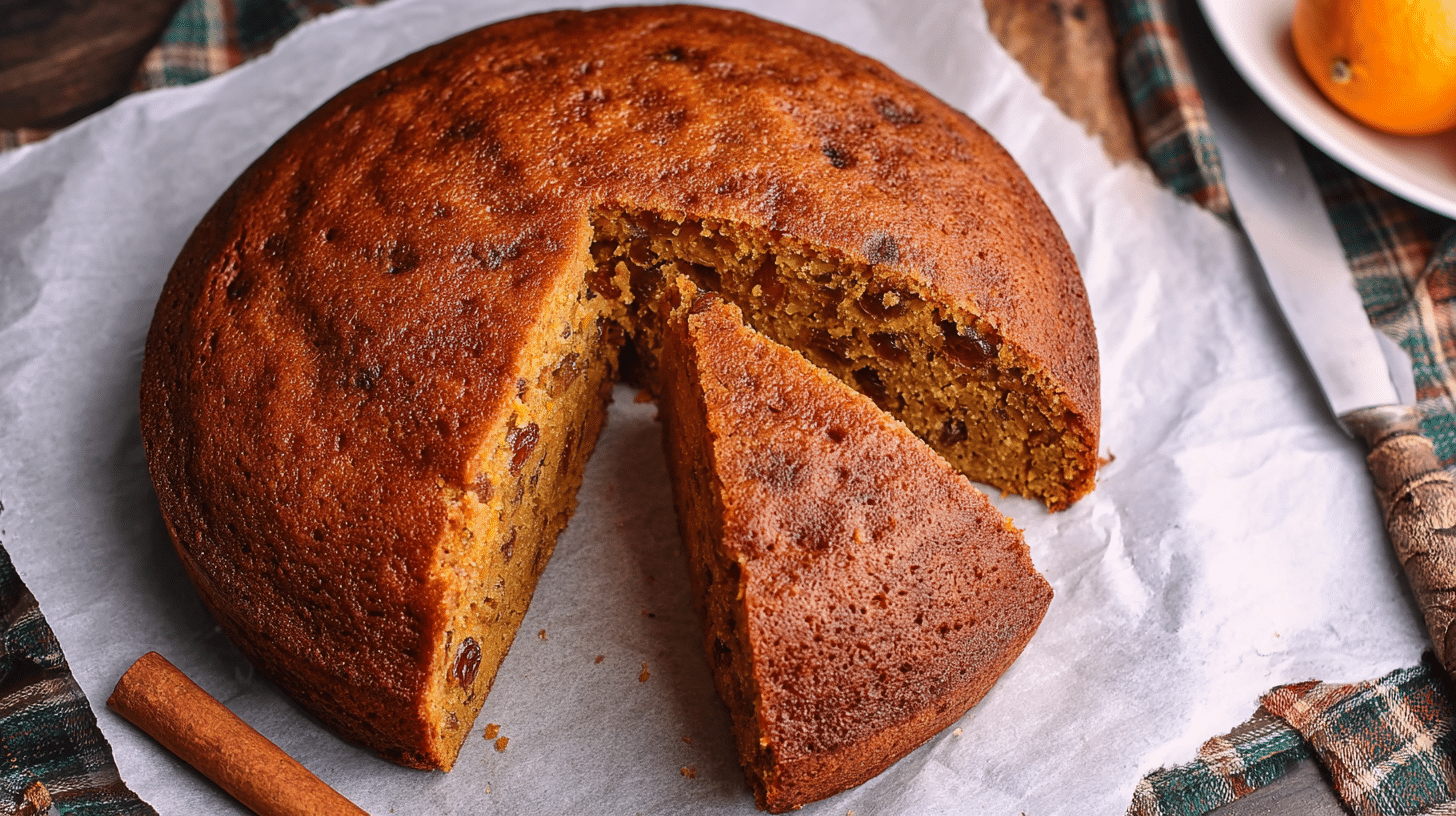
Table of Contents
The Heart of Caribbean Fruitcake: Flavor and Memories
Why This Caribbean Fruitcake Recipe Matters
There’s something deeply nostalgic about the scent of fruitcake baking in the oven. Growing up in a Caribbean household, the moment I caught the warm aroma of nutmeg and orange zest filling the kitchen, I knew something special was about to happen. This Caribbean fruitcake recipe isn’t just a treat; it’s a tradition passed down with joy, laughter, and plenty of stories around the table. Every December, my mom would pull out her well-worn mixing bowl, butter would soften on the counter, and the fruit mix would get its final rum soak. We weren’t just baking, we were making memories.
Print
Caribbean Fruitcake Recipe
- Total Time: 55 minutes
- Yield: 10 1x
Description
This Caribbean fruitcake recipe features moist, buttery cake infused with warm spices, orange zest, and rum-soaked dried fruit. Perfect for holidays or any festive occasion.
Ingredients
1 1/2 cup all purpose flour
1 cup sugar
2 sticks butter, room temperature
4 eggs
1 tsp baking powder
Pinch of salt
1/2 tsp nutmeg
1 tbsp orange zest
1 tsp vanilla extract
1/4 tsp almond extract
1 cup fruit mixture (soaked in rum)
Instructions
1. Preheat oven to 350°F. Grease and flour a 9-inch cake pan.
2. In a bowl, whisk flour, baking powder, salt, nutmeg, and orange zest.
3. Cream butter and sugar until fluffy and pale.
4. Add eggs one at a time, beating well after each addition.
5. Mix in vanilla and almond extracts.
6. Fold in dry ingredients and fruit mix just until combined.
7. Pour batter into prepared pan and smooth the top.
8. Bake for 45–50 minutes or until a toothpick comes out clean.
9. Optional: drizzle 1 tbsp of rum over cake while warm.
10. Cool completely before slicing and serving.
Notes
For richer flavor, soak your fruit for at least 24 hours in dark rum.
Avoid overmixing once flour is added to keep the cake tender.
- Prep Time: 10 minutes
- Cook Time: 45 minutes
- Category: Dessert
- Method: Baking
- Cuisine: Caribbean
Nutrition
- Serving Size: 1 slice
- Calories: 410
- Sugar: 28g
- Sodium: 110mg
- Fat: 20g
- Saturated Fat: 12g
- Unsaturated Fat: 6g
- Trans Fat: 0g
- Carbohydrates: 52g
- Fiber: 1g
- Protein: 5g
- Cholesterol: 100mg
Unlike dense, overly sweet fruitcakes you may have encountered, the Caribbean version is balanced and nuanced. The crumb is soft and buttery, and the mix of dried fruit is lively rather than cloying. The addition of citrus zest and aromatic spices gives it brightness that keeps you coming back for another slice. And while it’s a holiday favorite, I’d argue this cake belongs on the table any time you want to wow guests with something comforting and unexpected.
The recipe itself uses basic pantry staples: flour, sugar, eggs, butter, and extracts. But the magic lies in the technique, especially creaming the butter and sugar until light and fluffy, and adding eggs one at a time to maintain a smooth, airy texture. This attention to detail is the same principle that gives cakes like this cloud cake their signature lift. In short, simple ingredients become extraordinary when treated with care.
Inside the Flavor Profile: What Makes It Truly Caribbean
The flavor of a Caribbean fruitcake recipe is built on contrast earthy spices like nutmeg paired with the zing of citrus, buttery crumb balanced by juicy, rum-soaked fruit. What sets it apart from American-style fruitcakes is not just the ingredients, but the approach. Caribbean fruitcake is often lighter, brighter, and infused with cultural touches like a splash of rum right after baking, a trick that enhances the flavor while the cake is still warm.
You can also personalize the fruit mixture. Some families use raisins, currants, or prunes steeped in rum for weeks. Others might blend in tropical fruits like pineapple or mango for a twist. This versatility is what makes the cake so beloved. And if you’re serving this at a gathering, pair it with a cozy main dish like lentil stew or a crisp side like Brussels cabbage to round out a flavorful spread.
So if you’ve ever hesitated to make fruitcake because of its reputation, trust me, this one will change your mind. It’s vibrant, tender, and brimming with tradition. That first slice might just become your newest holiday habit.
Making the Perfect Caribbean Fruitcake Every Time
The Ingredients Breakdown: What You’ll Need
A great Caribbean fruitcake recipe starts with understanding the role of each ingredient. This cake is all about balance, richness from butter and eggs, structure from flour and baking powder, and character from spices and zest. Here’s a breakdown of the essentials:
- Butter: Use unsalted and make sure it’s at room temperature. Creaming it with sugar creates that light, airy texture you want in a fruitcake.
- Sugar: Regular granulated sugar is perfect here. It sweetens and helps the butter hold air when creamed.
- Eggs: Four eggs might seem like a lot, but they give richness and stability. Add them one at a time to avoid curdling the batter.
- Flour & Baking Powder: All-purpose flour with a bit of baking powder gives just the right lift.
- Spices & Zest: Nutmeg brings warmth, while orange zest gives citrusy brightness. You could even experiment with lemon zest for variation.
- Fruit Mix: This is the soul of the cake. Use a combination of chopped raisins, cherries, or mixed candied fruit soaked in rum if desired.
To take your flavor game further, add vanilla for warmth and almond for complexity. It’s this level of layering that makes the recipe stand out, much like the thoughtful seasoning in a beef and banana curry or a colorful dish like potato soup with vegetables.
Mixing Techniques That Matter
Technique can make or break your fruitcake. Start by creaming the butter and sugar until pale and fluffy. This creates air in the batter for a soft crumb. Then add the eggs one at a time, mixing well between each. This ensures they emulsify into the butter instead of causing it to separate. If your batter ever looks curdled, just beat in a spoonful of flour before continuing.
Once the wet ingredients are combined, stir in the extracts and zest, then gently fold in the dry ingredients and fruit mixture. Don’t overmix. Overworking the batter will develop gluten and make the cake tough.
Bake at 350°F for 45–50 minutes, or until a toothpick inserted in the center comes out clean. As soon as it’s out of the oven, you can pour a tablespoon of dark rum on top to deepen the flavor, a small touch that really sets this cake apart.
Once cooled, slice and enjoy. Or wrap and store this cake, which gets even better the next day, just like flavors blend overnight in something hearty like homemade kale chips that benefit from a little rest.
Caribbean Fruitcake Recipe vs. American Tradition
The Real Difference Between Caribbean and American Fruitcake
If you’ve ever tasted both, you already know: the Caribbean fruitcake recipe is in a category of its own. While American fruitcakes are often packed with neon-colored candied fruits and nuts held together in a dense, sticky batter, the Caribbean version feels fresher, more refined, and purposefully spiced.
The key distinction is how we treat the fruit. In the Caribbean, dried fruits are often soaked in rum or wine for weeks, even months, before being blended into the batter. This soaking process softens the fruit and infuses it with rich, aromatic depth that you just don’t get in traditional American-style cakes. Instead of cloying sweetness, you get complexity and warmth.
Texture is another standout. The crumb of a Caribbean fruitcake recipe is moist but light, never dry, never gummy. That’s because the butter is creamed properly, the flour is just barely mixed in, and the fruit is folded in with care. And while American fruitcakes can feel like a heavy bite, the Caribbean version often finishes with a splash of rum, giving it that unmistakable island personality.
Pairing it with fresh recipes like a tropical twist on banana bread with no butter or even boiled peanuts makes for a fun fusion of flavors at any gathering.
Common Mistakes to Avoid When Baking This Cake
Even the best intentions can lead to fruitcake flops. Here’s what you need to avoid to make your Caribbean fruitcake recipe turn out perfect every time:
- Adding eggs too quickly: This can cause the batter to split. Take your time and mix well between each.
- Overmixing the batter: It toughens the cake. Fold just until the flour disappears.
- Skipping the zest or extracts: These flavor boosters give the cake its signature Caribbean aroma.
- Using dry or unsoaked fruit: This can suck moisture from the batter, making your cake dry.
One bonus tip? Use a light hand with alcohol; a tablespoon drizzled after baking goes a long way. Too much can overwhelm the flavor and texture.
Secrets to Mastering and Personalizing a Caribbean Fruitcake Recipe
Pro Tips That Take Your Caribbean Fruitcake to the Next Level
There’s a reason seasoned island bakers swear by their family’s Caribbean fruitcake recipe; it’s not just the ingredients, but the love and precision in every step. Want to take your version to bakery-quality? These pro tips make a big difference.
First, always cream your butter and sugar until it’s light and pale; it should look almost whipped. This builds structure and ensures a soft texture that makes your Caribbean fruitcake recipe incredibly moist and fluffy, not dense. Don’t rush the egg step, and never skip the sifting of your dry ingredients. These small choices prevent lumps and help the batter stay light.
The fruit mix is where you can really play. Soak your raisins, prunes, or cherries in dark rum or sweet wine for at least 24 hours. Blend part of it if you want a smoother batter, or leave chunks for a rustic look. You can even experiment with dried pineapple or mango for a tropical twist.
Don’t forget the post-bake rum drizzle. As soon as your cake comes out of the oven, pour a tablespoon of rum over the top. It soaks in beautifully while the cake cools and enhances the flavor without overpowering it, a touch that turns a simple cake into a showstopper.
How to Make It Your Own Without Losing Tradition
Once you’ve mastered the traditional Caribbean fruitcake recipe, it’s easy to make it your own. Some bakers love to substitute brown sugar for a deeper caramel note. Others add cinnamon or allspice for extra warmth. Want a bit more moisture? Fold in a spoonful of sour cream or Greek yogurt before baking.
You can also tailor it to different diets. Swap flour for a gluten-free blend, or try plant-based butter and egg substitutes to keep it vegan. The essence of the recipe remains the same: rich, fruity, and spiced to perfection.
One fun twist? Top it with a simple rum glaze or serve it alongside fruit-forward dishes like Brussels cabbage or beef and banana curry for a bold and balanced meal.
With a few thoughtful changes, your Caribbean fruitcake recipe can become your own family tradition, one that evolves, just like the joyful gatherings it’s made for.
Frequently Asked Questions About Caribbean Fruitcake Recipe
How to make Caribbean fruit cake?
Start by soaking your dried fruit (raisins, prunes, cherries) in rum for at least 24 hours. Cream butter and sugar until fluffy, add eggs one at a time, then mix in vanilla, almond extract, orange zest, and spices. Fold in sifted dry ingredients and the soaked fruit. Pour into a prepared cake pan and bake at 350°F for 45–50 minutes. Pour a tablespoon of rum over the hot cake for that signature Caribbean finish.
What is the difference between Jamaican fruit cake and American fruit cake?
The Jamaican or Caribbean fruitcake recipe uses soaked dried fruits, rich spices, and often rum, giving it deep flavor and a moist texture. American fruitcake, by contrast, uses bright candied fruits and nuts with less spice, often resulting in a denser, sweeter cake.
What is the secret to a good fruitcake?
It all comes down to ingredient prep and technique. Soak your fruit for flavor, cream your butter and sugar properly, and mix gently. Don’t rush adding the eggs, and always finish with a touch of rum or glaze for added depth. A good Caribbean fruitcake recipe layers warmth, texture, and richness.
What are common fruitcake mistakes?
Overmixing the batter, using dry or unsoaked fruit, and adding eggs too quickly can ruin texture. Also, skipping spices or zest can make the cake bland. Remember, precision and patience are your best tools for baking success.
Why This Caribbean Fruitcake Recipe Belongs in Your Rotation
Baking a Caribbean fruitcake recipe is more than just following steps; it’s preserving tradition, celebrating flavor, and connecting with something deeper. From soaking the fruit to that final fragrant drizzle of rum, every moment is rich with meaning. Whether you’re a seasoned island baker or just curious to try something new, this recipe brings tropical joy and festive spirit into your kitchen.
Pair it with warm comfort foods like lentil stew or light sides like kale chips for a complete meal with balance and soul. With just a few pantry ingredients, a little patience, and the right technique, you’ll have a cake that earns a permanent spot on your holiday (or anytime) table.
Follow Forkful Daily for more delicious recipes and kitchen inspiration on Facebook and Pinterest.