The step everyone skips in bom-dong bibimbap is the reason it never has the right texture. You can’t just chop and toss this Korean spring cabbage; most bowls end up either soggy or bland. This bomdong bibimbap recipe fixes both, delivering a savory, crisp viral Korean rice bowl in just 15 minutes.
Here, you’ll find the exact dressing ratio, the best napa cabbage substitute, and how to create perfect layers in your bowl. If you love quick, satisfying bowls, you might also enjoy my salmon bowl recipe or Mediterranean lamb bowls.
Table of Contents
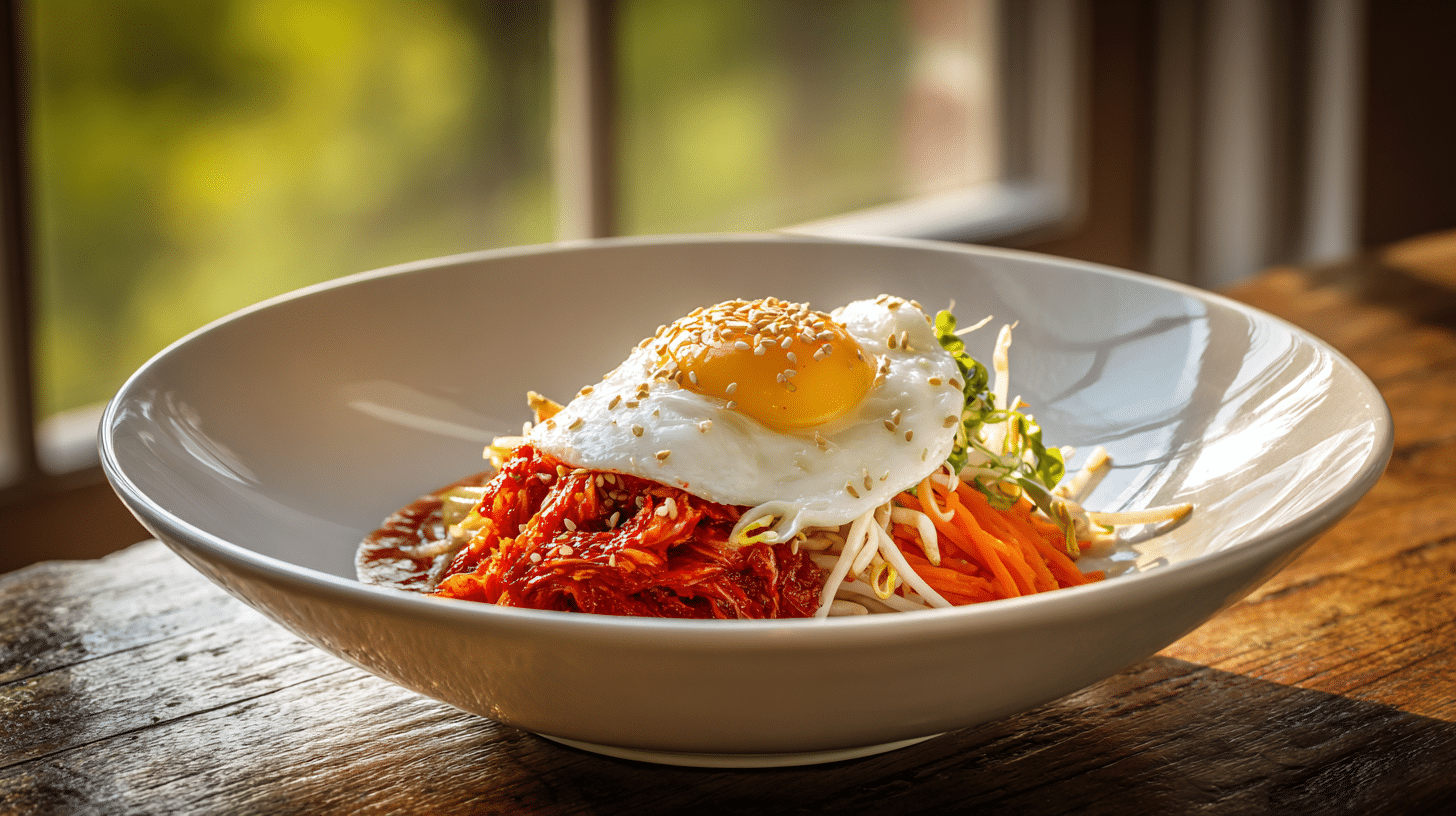
Table of Contents
What Is Bom-dong Bibimbap?
The Viral Korean Spring Dish
Bom-dong bibimbap is a 15-minute Korean spring cabbage bowl that went viral for a good reason. It’s the easiest bibimbap recipe you’ll ever make, built on the idea of a single, seasonal vegetable shining. The clip that started it all was from a popular Korean variety show where host Kang Ho-dong passionately described eating it. He wasn’t just talking about mixing rice and vegetables. He was celebrating the specific, crisp texture of thinly sliced spring cabbage coated in a spicy-sweet dressing.
This Korean cabbage bowl recipe is about speed and savoriness. You start with a base of warm, cooked white rice. Then, you pile on the star, quickly prepared bomdong cabbage, along with classic bibimbap friends like shredded carrot, bean sprouts, and a fried egg. The magic is in the sauce you toss the cabbage in before it hits the bowl. It’s a simple mix of gochugaru (Korean red pepper flakes), soy sauce, sesame oil, garlic, and sesame seeds that clings to every piece. The result is a bowl that’s:
- Fresh and crunchy from the seasonal vegetables
- Deeply savory and a little spicy from the dressing
- Incredibly fast to put together for a weeknight meal
- A perfect vehicle for a runny egg yolk
What Is Bom-dong Cabbage?
Bomdong is a type of Korean spring cabbage. It’s the star of this dish, and using it makes all the difference. If you’ve ever had napa cabbage, you’re in the right ballpark, but bomdong is its more delicate, sweet-tart cousin. It has looser, brighter green leaves and a thinner, more tender rib.
The texture is key. Napa cabbage can be a bit watery and dense when raw, and it wilts into a softer bite when dressed. Bomdong holds its crispness better. Even after a quick toss in the savory dressing, it keeps a pleasant snap. The flavor is also distinct; it has a gentle, almost peppery freshness that napa cabbage lacks. This makes it the perfect, crunchy counterpoint to the soft rice and rich egg yolk in your bibimbap.
If you can’t find bomdong, napa cabbage is the standard substitute. Your napa cabbage bibimbap will be a little softer and milder, but still delicious. For the closest experience, look for the youngest, smallest napa cabbage you can find at the store; its leaves and core will be more tender. Some people also make a similar lettuce bibimbap using butterhead or romaine lettuce for an even lighter version.
Print
Bom-dong Bibimbap Recipe: The Viral Korean Spring Cabbage Bowl in 15 Minutes
- Total Time: 15 min
- Yield: 3 servings 1x
Description
Bom-dong bibimbap is a 15-minute Korean rice bowl built around thinly sliced spring cabbage. The cabbage is tossed in a savory, spicy dressing of gochugaru, soy sauce, and sesame oil, then served over warm rice with carrots, bean sprouts, and a fried egg.
Ingredients
For the cabbage and sauce:
1 small bomdong cabbage (about 450g / 1 lb), pale green/white parts thinly sliced (300g needed)
3 tbsp gochugaru (Korean red pepper flakes)
2 tbsp soy sauce
2 tbsp toasted sesame oil
2 cloves garlic, minced
1 tbsp toasted sesame seeds
For the bowls:
3 cups cooked short-grain white rice, warm
3 large eggs
1 medium carrot (about 75g), julienned or grated
1 cup bean sprouts
Optional:
Thinly sliced cucumber (to replace bean sprouts)
Instructions
1. Prep the cabbage: Slice the bomdong cabbage into thin strips, about ¼-inch wide. Rinse under cold water in a colander and shake well to drain.
2. Make the sauce: In a medium bowl, whisk together the gochugaru, soy sauce, sesame oil, minced garlic, and sesame seeds.
3. Dress the cabbage: Add the drained cabbage to the bowl with the sauce. Toss and massage for 60 seconds until evenly coated.
4. Prepare toppings: Blanch bean sprouts in salted water for 30 seconds, then drain. Julienne or grate the carrot.
5. Cook eggs: Fry 3 eggs sunny-side up over medium heat for about 3 minutes, until whites are set but yolks are runny.
6. Assemble: Divide warm rice between three bowls. Top each with dressed cabbage, carrot, and bean sprouts. Place one fried egg on top of each bowl. Serve immediately.
Notes
Store components separately in airtight containers for up to 2 days. Keep dressed cabbage, rice, and vegetables in separate containers to preserve texture. Do not freeze, texture will change. Reheat rice in the microwave with a damp paper towel for 60–90 seconds.
If you can’t find bomdong cabbage, substitute with the inner leaves of napa cabbage sliced very thin.
The dressing is bold; taste it after mixing and adjust with an extra ½ tsp sesame oil or pinch of gochugaru if needed.
For the closest texture to bomdong, look for a young, small napa cabbage at the store.
The order matters: add the hot egg last so its residual heat slightly warms the veggies without making them soggy.
- Prep Time: 5 min
- Cook Time: 10 min
- Category: Dinner, Main Course
- Method: Stovetop
- Cuisine: Korean
Nutrition
- Serving Size: 1 bowl
- Calories: 480 kcal
- Sugar: 7 g
- Sodium: 780 mg
- Fat: 18 g
- Saturated Fat: 4 g
- Unsaturated Fat: 14 g
- Trans Fat: 0 g
- Carbohydrates: 65 g
- Fiber: 5 g
- Protein: 15 g
- Cholesterol: 185 mg
Bom-dong Bibimbap Ingredients
Active Time: 5 minutes | Total Time: 15 minutes | Yield: 3 servings
This spring, bibimbap comes together with a short, focused list. Every item has a job. Here’s what you need for three bowls:
The star:
- 1 small bomdong cabbage (about 450g / 1 lb). You’ll slice 300g of the pale green and white parts for the salad
The base and toppings:
- 3 cups cooked short-grain white rice. Warm rice makes the best base. Day-old rice works if you reheat it.
- 3 large eggs, one for each bowl. Fry them sunny-side up so the yolk becomes a sauce.
- 1 medium carrot (about 75g), Julienned or grated for a sweet crunch.
- 1 cup bean sprouts. A quick 30-second blanch in salted water gives them the perfect tender-crisp texture.
The dressing:
- 3 tbsp gochugaru (Korean red pepper flakes): This isn’t just for heat. It adds a deep, fruity smokiness. Don’t substitute other chili flakes; the flavor is totally different.
- 2 tbsp soy sauce: For the essential savory, salty backbone.
- 2 tbsp toasted sesame oil: This is non-negotiable. Its nutty aroma defines the dressing.
- 2 cloves garlic, minced: Fresh is best here for a sharp, pungent kick.
- 1 tbsp toasted sesame seeds: For a final nutty crunch.
Substitutions: No bean sprouts? Use thinly sliced cucumber. No gochugaru? Mix 1 tbsp regular chili flakes with ½ tsp smoked paprika for a faintly similar vibe, but the flavor won’t be the same.
Finding Bom-dong and Substitutes
The heart of this viral Korean rice bowl is that specific spring cabbage. In a Korean grocery store, look for “봄동” (bomdong) written on the sign. The heads are smaller, looser, and brighter green than napa cabbage. If your store doesn’t carry it, here are your best options:
| Bomdong cabbage | Napa cabbage | Use the inner, most tender leaves. Your bowl will be softer but still delicious |
| Bomdong cabbage | Baby bok choy | Use the white stems only. Chop them thin. The flavor is milder |
| Bomdong cabbage | Brussels sprouts | Shred them raw very finely. This is a crunchy, peppery alternative |
For the closest experience to the original viral recipe, go with napa cabbage. Just remember: slice it as thinly as you can. The thinner the slice, the better it will absorb the dressing and mimic bomdong’s delicate texture. Whichever cabbage you use, make sure it’s fresh and crisp, no limp leaves.
How to Make Bom-dong Bibimbap
Step 1: Prepping the Cabbage
The texture of your bom-dong bibimbap depends entirely on this first step. Don’t just chop. Start by cutting the cabbage in half lengthwise and cutting out the tough core. Separate the leaves, then stack a few and slice them into thin strips, about ¼-inch wide. You want 300g of these pale green and white strips.
Watch Out: If you’re using napa cabbage as a substitute, slice it even thinner. Its thicker leaves need more help to soften and absorb the dressing properly.
Rinse the sliced cabbage in a colander under cold water. This isn’t just for cleaning; it adds a bit of moisture that helps the seasoning stick. Give it a good shake to remove excess water; you don’t want a soggy bowl. Your cabbage should look crisp and ready to be dressed.
This is the step most people skip, rinsing and thoroughly drying the cabbage before dressing it. Skipping this single step is why most bowls end up soggy.
Step 2: Making the Sauce
This is where the flavor happens. In a medium bowl, combine 3 tbsp gochugaru, 2 tbsp soy sauce, 2 tbsp toasted sesame oil, your 2 minced garlic cloves, and 1 tbsp toasted sesame seeds. Whisk it until it looks like a cohesive, red-hued sauce.
Chef’s Note: Taste it now with a clean spoon. It should be boldly salty, nutty, and spicy. If it tastes flat, add another ½ tsp of sesame oil or a pinch more gochugaru. Remember, this has to season all that cabbage.
If you love bold, savory sauces like this one, the dressing on my hot honey ground beef bowl uses a similar sweet-spicy approach.
Add your drained, sliced cabbage to the bowl with the sauce. Using your hands or tongs, toss and massage everything together for about 60 seconds. You’ll see the cabbage wilt slightly and turn a vibrant red. It’s ready when every strand is evenly coated.
Step 3: Assembling the Bowl
Build your bowls in layers for the best eating experience. Divide 3 cups of warm cooked rice between three bowls, pressing it gently into the bottom. Top each with a portion of the dressed cabbage salad. If you’re looking for a protein-packed grain base, try it over a quinoa bowl-style setup instead.
Now, add your prepared vegetables: a pile of julienned carrots and blanched bean sprouts on opposite sides for color contrast. Finally, fry 3 eggs sunny-side up until the whites are set, but the yolks are still runny. This takes about 3 minutes over medium heat. Slide one egg into each bowl.
Quick Note: The order matters! Putting the hot egg on last lets its residual heat slightly warm the veggies underneath without making them soggy.
Serve immediately. To eat, break the yolk and mix everything thoroughly so the rice gets coated in that rich, spicy dressing and egg yolk sauce.
Serving, Storage, and Tips
How to Serve and Enjoy
Serve your bom-dong bibimbap immediately while the egg is hot and the cabbage is crisp. Mix everything thoroughly right at the table, breaking the yolk so it coats the rice. The warmth wilts the vegetables just enough. For extra flavor, add a small drizzle of toasted sesame oil on top just before mixing.
This quick meal is a complete dinner on its own, but it’s also flexible. Here are easy ways to change it up:
- Add protein: Leftover cooked chicken, thinly sliced Burmese marinated beef, or shrimp from the one-pan garlic butter chicken recipe all work beautifully.
- Swap the veggies: Use julienned cucumber or zucchini ribbons for a different crunch. For another quick bowl with bold Asian flavors, check out my orange beef stir fry or the bang bang salmon bowl with spicy mayo.
- Add fermented punch: Skip the bean sprouts and top with a spoonful of kimchi for a tangy, spicy kick.
- Make it a Korean meal: Pair this with Korean banana milk for a complete Korean-inspired dinner.
Storage and Reheating
This dish is best eaten fresh, but leftovers keep for a short time. Store any undressed components separately to protect their texture.
| Fridge | Store leftover dressed cabbage, rice, and veggies in separate airtight containers for up to 2 days |
| Freezer | Not recommended. The cabbage will become mushy and watery when thawed |
| Reheating | Reheat rice in the microwave with a damp paper towel for 60–90 seconds. Add the dressed cabbage cold or at room temperature. Fry a fresh egg to top |
Pro Tips for Success
Getting the right texture and flavor is easy with a few kitchen-tested tips:
- Start with rice first if you don’t have any cooked. It’s the slowest part.
- Rinse and dry your cabbage thoroughly; a wet cabbage will dilute your dressing and make everything soggy.
- If napa cabbage tastes bitter, toss it with a pinch of salt and let it sit for 5 minutes. Rinse and drain well before adding the sauce. This quick step mellows out harsh flavors.
Troubleshooting
| My cabbage is bitter | This happens with older napa cabbage. Use the innermost, palest leaves. Balance it with an extra ½ tsp of sesame oil in the dressing |
| The dressing is watery | You didn’t shake enough water off the rinsed cabbage. Drain the excess and add another teaspoon of gochugaru to thicken |
| My bowl is soggy | You likely overdressed the cabbage or let it sit too long. Use just enough sauce to coat, and assemble bowls right after making the cabbage salad |
Frequently Asked Questions
What is bom-dong bibimbap?
Bom-dong bibimbap is a viral Korean rice bowl built around bomdong, a seasonal spring cabbage. Unlike traditional bibimbap, which uses multiple seasoned vegetables, this version highlights one star ingredient, the spring cabbage dressed in a savory gochugaru sauce, topped with a fried egg over warm rice. It went viral after being featured on a popular Korean variety show.
What does bom-dong bibimbap taste like?
The dressed cabbage is savory, nutty from sesame oil, and has a mild, fruity heat from gochugaru. The bomdong itself adds a fresh, slightly peppery crunch that’s less watery than napa cabbage. When mixed with warm rice and a runny egg yolk, every bite is a mix of hot, cold, soft, and crisp.
What can I use if I can’t find bom-dong?
Use napa cabbage as your main substitute. For the best result, choose a small, young head and slice it very thinly, about ⅛-inch thick. The inner, pale leaves are most tender. Your bowl will be slightly softer but still delicious. You can also try shredded raw Brussels sprouts for a peppery crunch, or butterhead lettuce for a lighter version.
Is bom-dong bibimbap served hot or cold?
Serve it warm. You build the bowl with warm rice and a hot fried egg. The residual heat slightly wilts the cold, dressed cabbage and vegetables when you mix them, creating the perfect texture. Letting it sit too long makes the rice soggy, so eat it right away.
How is bom-dong bibimbap different from regular bibimbap?
Traditional bibimbap uses multiple seasoned vegetables (spinach, bean sprouts, mushrooms, carrots, zucchini), each prepared separately, which can take 45+ minutes. Bom-dong bibimbap simplifies everything by centering the bowl around one star ingredient dressed in a single sauce. It’s faster (15 minutes vs 45+), simpler, and celebrates seasonal spring eating.
Can I make bom-dong bibimbap without gochugaru?
Yes, but the flavor will be different. For an approximation, mix 1 tablespoon regular chili flakes with ½ teaspoon smoked paprika. However, gochugaru’s unique fruity, smoky heat is what makes this dish special; it’s worth buying a bag from a Korean grocery store or online. A single bag lasts for months and opens up dozens of Korean recipes.
Is bom-dong bibimbap healthy?
Yes, it’s naturally high in fiber, vitamins, and antioxidants from the spring cabbage. A serving with a fried egg provides about 15–20g of protein. To boost the protein further, add grilled chicken, tofu, or shrimp. It’s also naturally gluten-free if you use tamari instead of regular soy sauce.
Make This Spring Bibimbap This Weekend
The 15-minute prep is worth it for the unique texture. Using fresh bomdong cabbage or thinly sliced napa cabbage makes the difference between a crisp bowl and a soggy one. That savory, spicy dressing clings perfectly to every piece.
I always make a double batch of the dressed cabbage for lunch the next day. Try this bom-dong bibimbap recipe this weekend for a quick, satisfying meal that actually feels fresh.
If you enjoyed this, try these quick bowl recipes next:
- Salmon Bowl Recipe, with a crispy rice hack
- Bang Bang Salmon Bowl with Spicy Mayo
- Hot Honey Ground Beef Bowl
- Mediterranean Lamb Bowls
- Blackened Salmon Bowl
- Gyro Bowls
For more recipes like bom-dong bibimbap, follow us on Facebook and Pinterest for quick rice bowl ideas and simple Asian-inspired dinners.