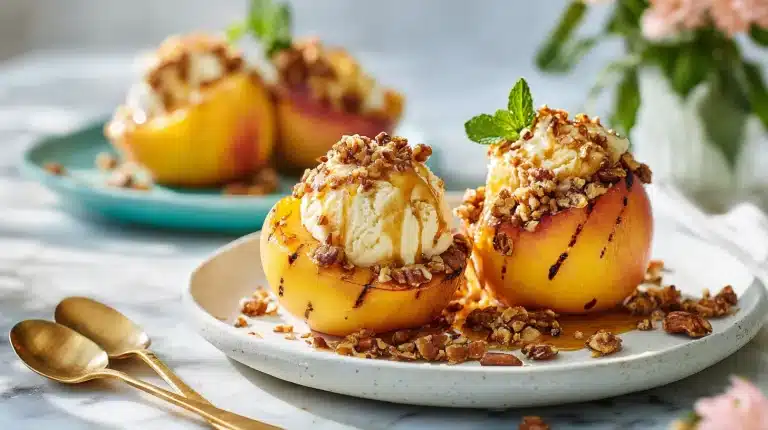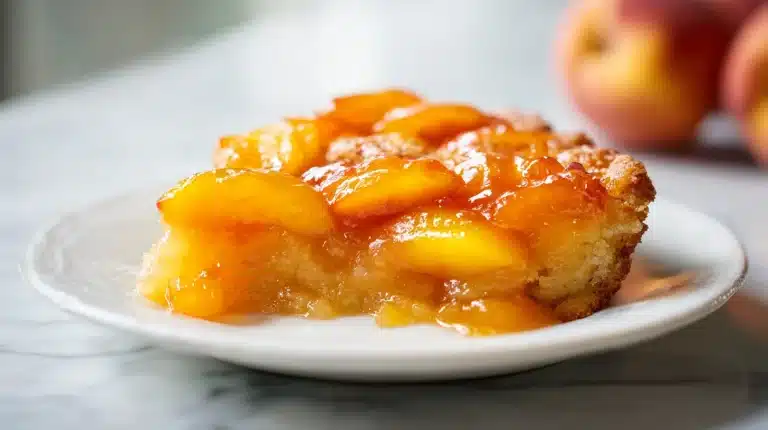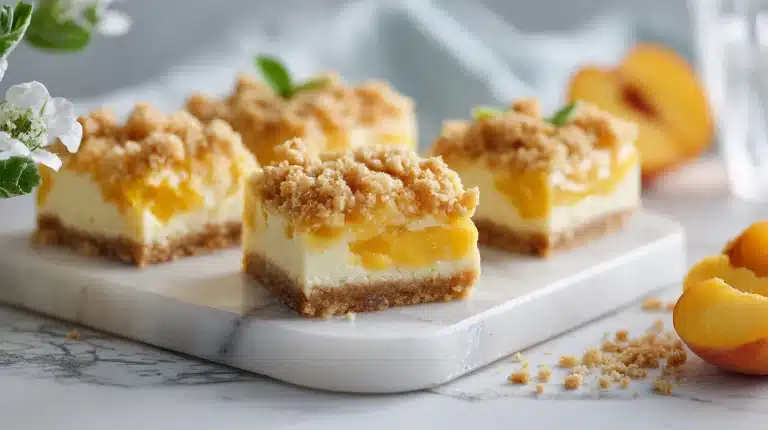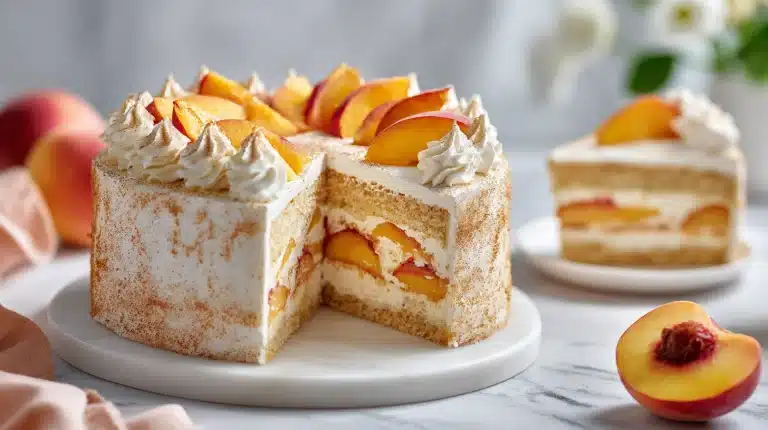
The paula deen peach cobbler smells like a Sunday afternoon in Georgia. Once you know the trick behind its impossibly golden crust, you’ll never look at cobbler the same way again.
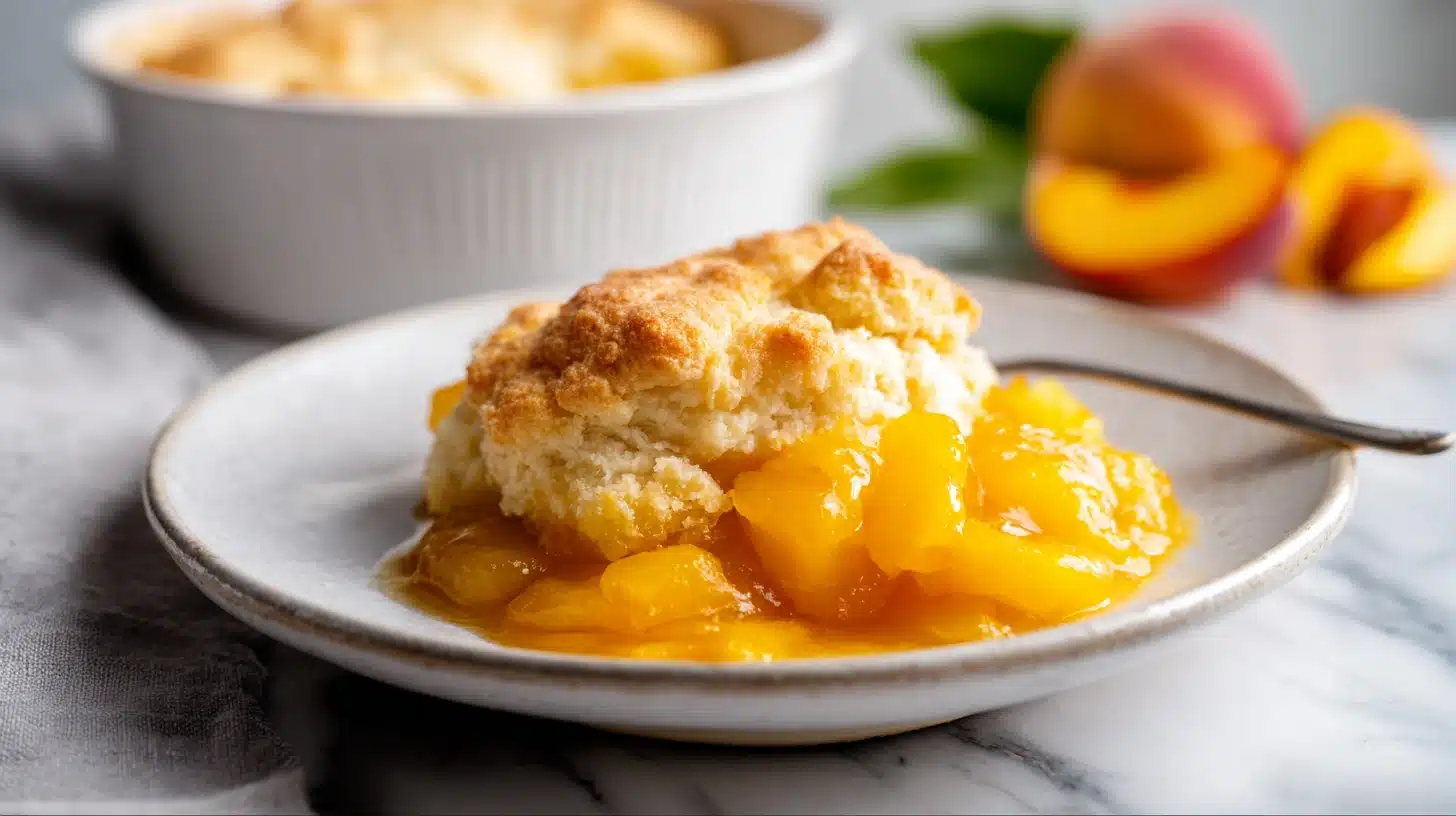
Most cobblers disappoint. The topping turns gummy and pale. The filling pools at the bottom of the dish. This recipe solves both problems with a simple batter-and-butter method that produces a crisp, bronze crust and a thick, syrupy peach layer every single time.
Inside: why melted butter is the secret weapon, how to choose between fresh, canned, and frozen peaches, and exactly how to tell when your cobbler is done without cutting into it too soon.
Table of Contents
The Story and Southern Charm Behind This Recipe
Paula Deen built her reputation on food that feels like a warm hug. Her easy peach cobbler recipe is one of the clearest examples of that philosophy. It’s not complicated. It doesn’t require a pastry cutter, cold butter cubed to the size of peas, or any of the fussy steps that make some fruit desserts feel intimidating. Instead, it leans on pantry staples and a technique so simple it almost feels like cheating: you pour the batter into the dish, pour the butter over the batter, spoon the fruit on top, and the oven does the rest.
Where the recipe comes from
Paula Deen first popularized this style of cobbler through her restaurant The Lady and Sons in Savannah, Georgia, and later through her cookbooks and television shows. The old fashioned peach cobbler Paula Deen made famous is rooted in a long tradition of Southern “pour-over” cobblers, sometimes called “dump cobblers,” that date back generations. The batter rises up around the fruit as it bakes, creating a thick, cakey crust that’s somewhere between a biscuit and a sponge cake in texture.
What sets Paula Deen’s version apart from other Southern peach cobblers is the ratio of butter to batter. She’s famously generous with butter, and that generosity pays off. The melted butter coats the bottom and sides of the baking dish, seeping into the batter as it cooks and producing a bottom crust that’s golden and slightly crisp rather than soggy and pale.
Why this recipe resonates with home cooks
The Lady and Sons peach cobbler works because it meets people where they are. If you have ripe peaches on your counter in August, use them. If it’s February and you’re craving something warm and fruity, a can of sliced peaches works beautifully. If you have a bag of frozen peaches from last summer, those are welcome here too. The recipe doesn’t punish you for using what you have.
It also scales well. The version below makes six generous servings from a standard 9×13-inch baking dish, but you can halve it for a smaller crowd or double it for a potluck. The baking time stays roughly the same because the key variable is the depth of the batter, not the total volume.
One final thing: this dessert is extraordinarily good served warm with a scoop of vanilla ice cream or a dollop of whipped cream. The cold cream against the hot cobbler is one of those simple contrasts that makes a basic dessert feel genuinely special. For a fun pairing, a gelatin ice cream recipe made from scratch would be a creative topping option if you want something a little different.
Print
Paula Deen Peach Cobbler: The Buttery Southern Dessert You’ll Make on Repeat
- Total Time: 55 min
- Yield: 6 servings 1x
- Diet: Vegetarian
Description
A classic Southern dessert made with juicy peaches, a simple self-rising flour batter, and plenty of melted butter. The batter rises around the fruit as it bakes, forming a golden, slightly crisp crust with a thick, syrupy peach filling underneath. Easy to make with fresh, canned, or frozen peaches.
Ingredients
For the cobbler:
1/2 cup unsalted butter (1 stick)
1 cup self-rising flour
3/4 cup granulated sugar
1 cup whole milk (room temperature)
For the peach layer:
3 cups sliced peaches (fresh, canned and drained, or frozen and thawed)
1/4 cup granulated sugar
1/2 teaspoon ground cinnamon
Instructions
1. Preheat the oven to 350 degrees Fahrenheit. Place the stick of butter in a 9×13-inch baking dish and set it in the oven while it preheats. Watch until the butter is fully melted and the dish is evenly coated, then remove carefully.
2. In a medium bowl, whisk together the self-rising flour, 3/4 cup of sugar, and the milk until just combined. A few small lumps are fine. Do not overmix.
3. If using fresh peaches, toss the sliced peaches with the remaining 1/4 cup of sugar and the cinnamon in a separate bowl until coated. If using canned peaches, drain about half the liquid from the can. If using frozen peaches, thaw completely and pat dry with a paper towel.
4. Pour the batter evenly into the dish of melted butter. Do not stir. The butter will push up around the sides and swirl on the surface, which is correct.
5. Spoon the peaches and any accumulated juices evenly over the top of the batter. Do not stir the peaches into the batter.
6. Bake on the center rack for 45 to 50 minutes, until the crust is deep golden brown, the edges are pulling away from the sides of the dish, and the center is fully set and not jiggly. The aroma will shift to a caramel-like smell near the end of baking.
7. Remove from the oven and let rest for at least 10 minutes before serving. The filling will thicken as it cools slightly.
8. Serve warm, scooped into bowls, with vanilla ice cream or whipped cream on top.
Notes
Store covered in the refrigerator for up to 4 days. Reheat individual portions in the microwave in 30-second intervals, or rewarm the full dish covered with foil in a 325 degree oven for 15 minutes.
If using canned peaches, drain about half the syrup to avoid a runny filling. Do not drain all the liquid, as some syrup helps the filling thicken during baking.
If your cobbler is runny, toss the fruit with 1 teaspoon of cornstarch before adding it to the dish. Also make sure the cobbler is fully baked and the center is set before removing from the oven.
No self-rising flour on hand? Substitute 1 cup all-purpose flour whisked with 1 and 1/2 teaspoons baking powder and 1/4 teaspoon salt.
- Prep Time: 10 min
- Cook Time: 45 min
- Category: Dessert
- Method: Baking
- Cuisine: American
Nutrition
- Serving Size: 1 generous scoop (approximately 1 cup)
- Calories: 380 kcal
- Sugar: 42 g
- Sodium: 310 mg
- Fat: 16 g
- Saturated Fat: 10 g
- Unsaturated Fat: 6 g
- Trans Fat: 0 g
- Carbohydrates: 58 g
- Fiber: 2 g
- Protein: 4 g
- Cholesterol: 42 mg
Ingredients you need and why each one matters
Paula Deen’s quick peach cobbler uses a short, unpretentious list of ingredients. Every single one pulls its weight.
The peaches
You’ll need about three cups of sliced peaches for a standard batch. Here’s how each option performs:
- Fresh peaches: The best choice from June through August. Peel them, slice them about a quarter-inch thick, and toss them with a tablespoon of sugar if they aren’t very sweet. A little cinnamon stirred into the fruit adds warmth.
- Canned peaches: Perfectly acceptable and genuinely convenient. Use a 29-ounce can of sliced peaches and drain about half the syrup, not all of it. That remaining syrup adds sweetness and helps the filling thicken into a glossy sauce.
- Frozen peaches: Thaw them first and drain the excess liquid, or your filling will be too watery. Pat them gently with a paper towel before adding them to the dish.
The batter
The batter is a simple mix of self-rising flour, sugar, and whole milk. Self-rising flour already contains baking powder and salt, which means you don’t need to measure those separately. If you only have all-purpose flour on hand, whisk in one and a half teaspoons of baking powder and a quarter teaspoon of salt per cup of flour. The batter will be thin, almost like a crepe batter, and that’s exactly right. Don’t be tempted to thicken it.
The butter
Paula Deen’s recipe calls for a full stick (half a cup) of unsalted butter. You melt it directly in the baking dish in the oven while the oven preheats. This step does two things: it coats the pan so nothing sticks, and it creates a pool of hot fat that the batter flows into when you pour it in. That contact between hot butter and cold batter is what starts building the crispy edges even before the batter has set.
Full ingredient list
| Ingredient | Amount | Notes |
|---|---|---|
| Unsalted butter | 1/2 cup (1 stick) | Melted in the baking dish |
| Self-rising flour | 1 cup | Or all-purpose with leavening |
| Granulated sugar | 1 cup, divided | 3/4 cup for batter, 1/4 cup for peaches |
| Whole milk | 1 cup | Room temperature |
| Sliced peaches | 3 cups | Fresh, canned, or frozen |
| Ground cinnamon | 1/2 teaspoon | Optional but recommended |
Step-by-step instructions for perfect results
Follow these steps closely, especially the order in which you add the batter and the fruit. The sequence matters, and switching it up will affect the texture of the final cobbler.
Step 1: Preheat and melt the butter
Set your oven to 350°F. Place the stick of butter in a 9×13-inch baking dish and slide it into the oven while the oven comes to temperature. Watch it so the butter melts but doesn’t brown. Once it’s fully melted and the dish is evenly coated, pull it out.
Step 2: Make the batter
Whisk together the self-rising flour, three-quarters of a cup of the sugar, and the milk in a medium bowl until just combined. A few small lumps are fine. Don’t overmix, or the gluten in the flour will develop and make the crust tough rather than tender.
Step 3: Layer in the right order
Pour the batter directly into the melted butter in the dish. Don’t stir. You’ll see the butter push up around the sides and swirl on the surface, and that’s exactly what you want. Next, spoon the peaches evenly over the batter. If you’re using fresh peaches, toss them first with the remaining quarter cup of sugar and the cinnamon. If you’re using canned peaches, distribute them across the top along with a few tablespoons of their syrup. Don’t stir the peaches into the batter.
Step 4: Bake until bronze
Slide the dish into the center rack and bake for 45 to 50 minutes. You’ll know it’s done when the top is deep golden brown, the edges are pulling away from the sides of the dish, and the center is set rather than jiggly. The smell will shift from buttery and sweet to something more caramel-like, almost like toffee, right near the end of baking. That aroma is your cue to start checking.
Step 5: Rest before serving
Let the cobbler rest for at least 10 minutes before scooping. This gives the filling a chance to thicken slightly. If you dig in right away, the fruit layer will be soupy. After ten minutes, it will be thick, glossy, and perfectly spoonable.
If you enjoy fruit-forward Southern desserts, you might also love this strawberry rhubarb cobbler for a tangier, two-fruit variation on the same idea.
Tips, swaps, and serving ideas
Even a recipe this simple has a few places where things can go sideways. Here’s how to avoid the most common issues and get the most out of this Southern peach cobbler Paula Deen made legendary.
Fixing a runny cobbler
If your cobbler comes out of the oven with a loose, watery filling, the most likely cause is too much liquid from the fruit. Canned peaches are the usual culprit. Next time, drain the can completely and add back just two to three tablespoons of the syrup. Frozen peaches need to be thoroughly thawed and dried before using. You can also dust the fruit with a teaspoon of cornstarch before adding it to the dish, which helps the juices thicken into a proper sauce as the cobbler bakes.
Another reason for a runny result is underbaking. The center of the cobbler needs to reach an internal temperature of about 195 to 200°F to fully set. If your oven runs cool, add five to ten extra minutes and tent the dish loosely with foil if the top is already as dark as you want it.
Flavor variations worth trying
Paula Deen’s easy peach cobbler is a template as much as it is a recipe. A few swaps that work beautifully:
- Add a teaspoon of pure vanilla extract to the batter for a warmer, more complex base note. If you want to make your own, a vanilla bean paste recipe is simpler than you might think.
- Stir a quarter teaspoon of nutmeg into the peaches along with the cinnamon for a spiced, almost pie-like depth.
- Use brown sugar instead of granulated sugar in the batter for a richer, more molasses-forward flavor.
- Mix in a handful of blueberries or raspberries with the peaches for a burst of tartness that balances the sweetness.
Serving suggestions
Serve warm, straight from the baking dish, with a generous scoop of vanilla ice cream melting over the top. The contrast of the cold, creamy ice cream against the hot, juicy cobbler is the whole point. Whipped cream is a lighter option that works just as well. For a Southern brunch, a slice of cold cobbler alongside a strong cup of coffee is quietly one of the best things in the world.
Storage and reheating
Cover the baking dish tightly with plastic wrap or foil and refrigerate for up to four days. To reheat, place a portion in a microwave-safe dish and heat in 30-second intervals until warmed through, or cover the entire dish with foil and warm it in a 325°F oven for about 15 minutes. The crust will soften slightly after refrigeration, but the flavor stays excellent.
Frequently asked questions
What is the difference between a cobbler and a pie?
A pie has a defined pastry crust on the bottom and often on the top, made from a fat-and-flour dough that’s rolled out before baking. A cobbler skips the rolled crust entirely. Instead, the topping is a poured batter, a biscuit dough, or a dumpling-style mixture that’s dropped or poured over the fruit and baked. The result is more rustic and less structured than a pie, with a tender, cakey texture rather than a flaky one.
Can I use canned peaches instead of fresh?
Yes, and the result is genuinely delicious. Use a 29-ounce can of sliced peaches in light or heavy syrup. Drain about half the liquid before adding the peaches to the baking dish. The remaining syrup thickens during baking and becomes part of the glossy, sweet filling. Avoid peaches packed in extra-heavy syrup, as the cobbler can become overly sweet and the filling may not set properly.
Why is my peach cobbler runny?
The most common reason is excess liquid from the fruit. Drain canned peaches well, thaw and pat dry frozen peaches, and if using very juicy fresh peaches, toss them with a teaspoon of cornstarch along with the sugar before adding them to the dish. The other possibility is underbaking. The cobbler needs a full 45 minutes at 350°F, and the center must be set and not jiggly before you pull it out of the oven.
Can I use other fruit instead of peaches?
Absolutely. The paula deen peach cobbler batter works with almost any fruit. Blueberries, cherries, sliced plums, apricots, and nectarines all bake beautifully using the same method and timing. Mixed berries are a popular choice for a summer variation. In fall, sliced apples or pears tossed with cinnamon and a little brown sugar make a cozy seasonal swap. Adjust the sugar in the fruit layer based on how sweet or tart your fruit is.
Conclusion
The paula deen peach cobbler is proof that the most satisfying desserts are often the simplest ones. A stick of butter, a cup of batter, a pan of ripe fruit, and 45 minutes in the oven produces something that tastes far more effortful than it actually is. That’s the quiet genius of Southern cooking, and it’s why this recipe has earned a permanent place in so many home kitchens.
Give it a try this weekend while peaches are on your mind, and don’t skip that ten-minute rest before serving.
For more recipes like paula deen peach cobbler, follow us on Facebook and Pinterest for cozy Southern dessert inspiration.