The first time I tried to make Greek Yogurt Bagels (High Protein & No Yeast), I ended up with dense, sad little pucks. I learned the hard way that the texture of your yogurt is everything. Hi, I’m Maya Bennett, and after burning through multiple tubs of yogurt in over 20 test batches for Forkful Daily, I finally nailed the chewy, golden bagel we all crave. In this guide, you’ll get my foolproof recipe that’s ready in 35 minutes, the one critical mistake to avoid with your yogurt, and my exact baking tips for that perfect glossy, chewy finish every single time.
Table of Contents
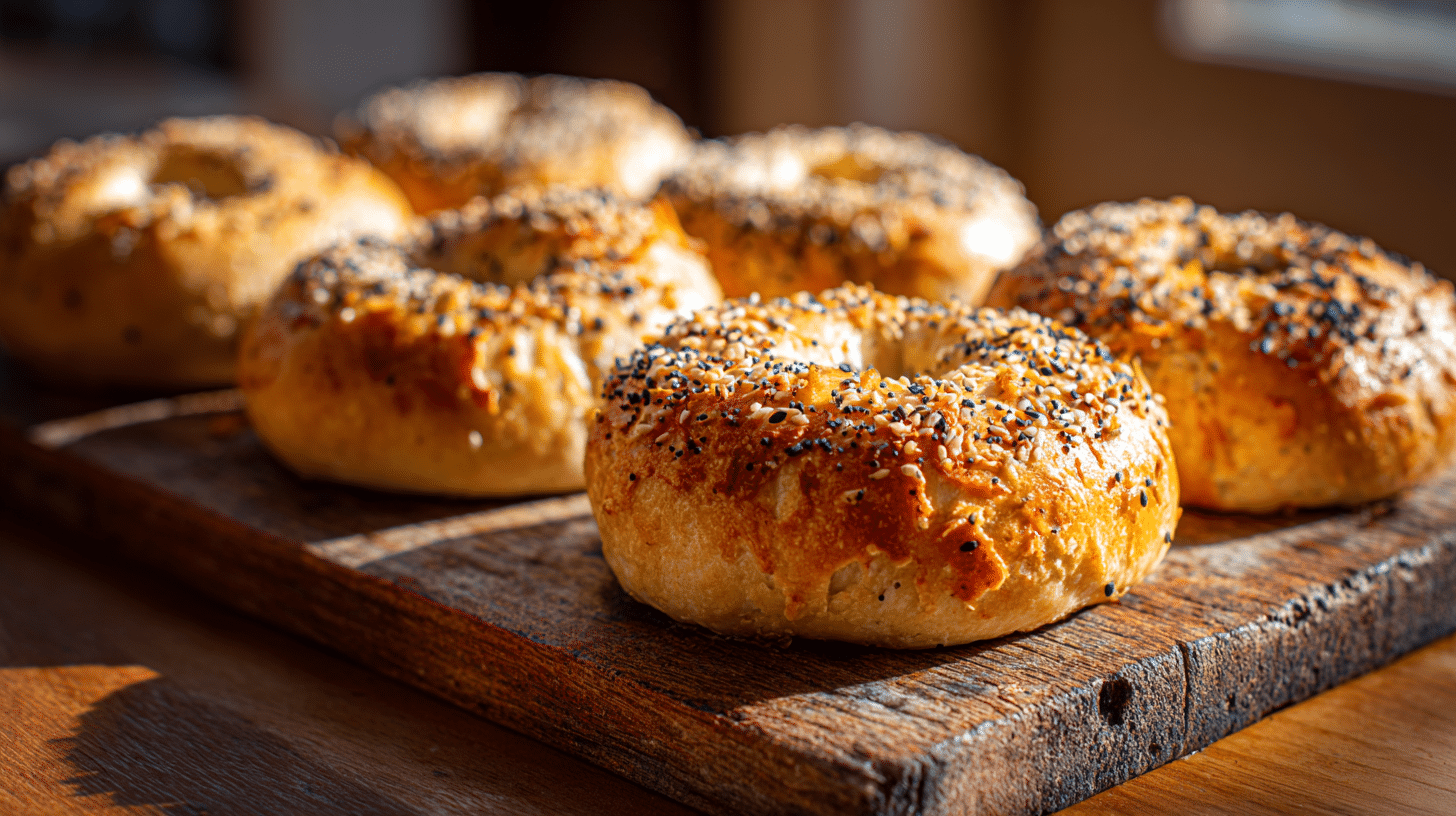
Table of Contents
Why You’ll Love This Recipe
What Makes This Version Special
This recipe was born from pure frustration. I saw a viral video for 3 ingredient greek yogurt bagels and thought, “How hard could it be?” Turns out, very. My first attempts were gummy and weird. The difference here is the meticulous balance of wet to dry ingredients and a specific kneading technique I developed. Unlike basic versions, this one uses an egg wash for a truly glossy, bakery-style crust, and a quick dip in boiling water (don’t worry, it’s 60 seconds!) to guarantee that classic chewy pull. You get the satisfying texture of a real bagel with the high-protein, no-yeast convenience we all want.
Print
Greek Yogurt Bagels (High Protein & No Yeast)
- Total Time: 35
- Yield: 6 bagels 1x
- Diet: Vegetarian
Description
These high-protein, no-yeast Greek Yogurt Bagels are ready in under 35 minutes. The secret is thick Greek yogurt and a quick boil for a chewy, golden, bakery-style crust every time. Perfect for a quick, satisfying breakfast.
Ingredients
2 cups (250g) self-rising flour
1 ½ cups (340g) full-fat Greek yogurt
1 large egg, beaten
Your choice of toppings (e.g., everything bagel seasoning, sesame seeds, coarse salt)
Instructions
1. Preheat your oven to 375°F (190°C) and line a baking sheet with parchment paper.
2. In a large bowl, mix the Greek yogurt and self-rising flour until a shaggy dough forms.
3. Turn the dough onto a lightly floured surface and knead for 2-3 minutes until smooth and no longer sticky.
4. Divide the dough into 6 equal balls. Poke a hole through the center of each and gently stretch to form a bagel shape with about a 1.5-inch diameter hole.
5. Bring a large pot with 2 inches of water to a boil. Gently drop 2-3 bagels in and boil for 60 seconds exactly. Remove with a slotted spoon.
6. Place boiled bagels on the prepared baking sheet. Brush generously with the beaten egg and immediately add your toppings.
7. Bake on the middle rack for 22-25 minutes, until deeply golden brown and the top springs back when gently pressed.
8. Let cool on the baking sheet for 10 minutes before serving.
Notes
Must Use Full-Fat Yogurt: Low-fat or regular yogurt has too much water and will make the dough sticky and the bagels dense.
Don’t Skip the Boil: The 60-second boil is what creates the classic chewy bagel texture and helps them rise.
Check for Doneness: Look for a deep golden crust, a springy top, and an internal temperature of 200°F (93°C) for perfect results.
Best Fresh: These bagels are best eaten the day they are made, but leftovers can be toasted.
- Prep Time: 10
- Cook Time: 25
- Category: Breakfast
- Method: Baking
- Cuisine: American
Nutrition
- Serving Size: 1 bagel
- Calories: 220
- Sugar: 4
- Sodium: 580
- Fat: 3
- Saturated Fat: 1.5
- Unsaturated Fat: 1
- Trans Fat: 0
- Carbohydrates: 38
- Fiber: 1
- Protein: 12
- Cholesterol: 35
The Secret to Perfect Results Every Time
After 20+ test batches, I can tell you the single non-negotiable rule: you must use thick, full-fat Greek yogurt. The kind you can stand a spoon in. Low-fat or regular yogurt has too much water, which turns your dough sticky and your final Greek Yogurt Bagels (High Protein & No Yeast) dense. Squeeze out any visible liquid from the top of the tub with a paper towel.
This ensures the flour can properly bind without needing extra, which is what leads to tough bagels. For that perfect golden rise, bake them at 375°F (190°C) on the middle rack, this temperature gives the interior time to cook through before the exterior gets too dark. Follow these tips, and you’ll get fluffy healthy greek yogurt bagels with a crisp shell every single time.
Ingredients & Preparation
Key Ingredients (And Smart Substitutions)
Here’s exactly what you need for one batch of six Greek Yogurt Bagels (High Protein & No Yeast). I measure the flour by weight for consistency; cup measurements can vary by over 20%.
- 2 cups (250g) self-rising flour: This is the backbone. It already has baking powder and salt mixed in for the perfect rise. If you only have all-purpose, mix 2 cups (250g) with 1 tablespoon of baking powder and 1 teaspoon of fine salt.
- 1 ½ cups (340g) full-fat Greek yogurt: This is your protein and moisture. Use the thickest you can find. I always drain off any visible liquid on top.
- 1 large egg, beaten: For the glossy egg wash. This isn’t optional if you want that bakery shine.
- Your choice of toppings: Everything bagel seasoning, sesame seeds, or coarse salt.
No self-rising flour? Use the all-purpose substitution above. For a flavor boost, swap half the seasoning for dried garlic or onion flakes.
Prep Work That Saves Time
A 5-minute setup prevents sticky frustration. First, line your baking sheet with parchment paper; no greasing needed. Get your toppings ready in small bowls so you can move fast after the egg wash. Whisk that single egg for the wash now, and have a pastry brush nearby. Finally, fill a large pot with about 2 inches of water and put it on the stove; you’ll bring it to a boil while shaping the bagels. This order means you go straight from shaping to boiling to baking without scrambling. The leftover yogurt is perfect for a high protein yogurt bowl or a greek yogurt bowl with nuts and seeds later.
Step-by-Step Baking Instructions
The 5-Step Method
Here’s the exact sequence I use for perfect Greek Yogurt Bagels (High Protein & No Yeast) every time. First, mix the yogurt and flour in a bowl until a shaggy dough forms. Turn it onto a lightly floured surface and knead for about 2-3 minutes until it’s smooth and no longer sticky; over-kneading makes them tough. Divide the dough into 6 equal balls, poke a hole through the center of each, and gently stretch it to about a 1.5-inch diameter. Now, get your pot of water boiling. Gently drop 2-3 bagels in and boil for 60 seconds exactly; they’ll puff up slightly. Transfer them to your prepared sheet, brush generously with egg wash, and add toppings immediately so they stick.
How to Know When It’s Done
Bake your bagels at 375°F (190°C) on the middle rack for 22-25 minutes. Start checking at 22 minutes. You’re looking for three clear signs: a deep, golden-brown crust, a top that springs back when you gently press it, and an internal temperature of 200°F (93°C) if you use a thermometer. A small crack on the surface is normal and means the inside is cooked through. Let them cool on the sheet for 10 minutes; this sets the crust and prevents a gummy interior. They’re best eaten the same day, but leftovers make a great base for a greek yogurt parfait recipe the next morning. For another quick, high-protein breakfast, try my pumpkin protein waffle recipe.
Storage, Troubleshooting & Serving Ideas
How to Store for Maximum Freshness
These bagels are truly best the day you make them, but they keep well if you store them right. Let them cool completely first, trapping steam creates a gummy texture. At room temperature, store them in a paper bag or loosely wrapped in a towel for up to 2 days; a sealed container makes the crust soft. For the fridge, place them in an airtight container or bag for up to 5 days. To freeze for up to 3 months, wrap each cooled bagel tightly in plastic wrap, then place them all in a freezer bag. Thaw overnight in the fridge.
The best way to revive any bagel is to toast it. For a chewy interior and crisp crust, I reheat slices in a dry skillet over medium heat for 1-2 minutes per side.
Common Problems & Quick Fixes
If your batch didn’t turn out perfectly, here’s how to fix it next time. This table covers the issues I ran into most during my testing.
| Dough is too sticky | Your yogurt had too much liquid. Next time, drain it with a paper towel. Knead in 1 tbsp of flour at a time just until it’s no longer sticky. |
| Bagels are dense | You likely over-measured the flour or over-kneaded. Use a kitchen scale. Knead only until smooth (2-3 min). |
| Toppings didn’t stick | You must add toppings right after the egg wash, while it’s still wet. Press them in gently. |
| Crust is pale/soft | Your oven rack was too low or you skipped the egg wash. Bake on the middle rack and don’t skip the wash! |
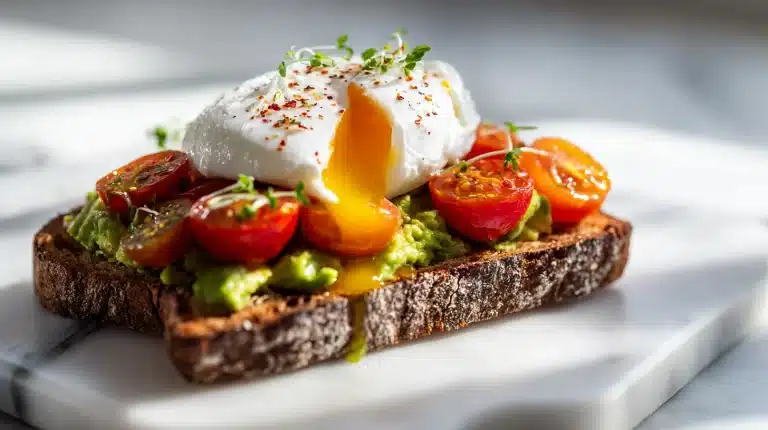
For serving, slice and toast them for classic sandwiches or smear with cream cheese. They also make a fantastic, savory base for a quick lunch, try them topped with avocado and everything seasoning. For a complete high-protein breakfast, pair a toasted bagel half with a side of high protein breakfast gelatin cups or an iced banana cream protein matcha.
Got leftover Greek yogurt from the dough? Two favorite ways to use it up: whip it into a quick tzatziki with Greek yogurt for a savory spread that’s incredible on these bagels, or freeze it into frozen yogurt bark for a high-protein snack.
Can I make Greek yogurt bagels without self-rising flour?
Yes. For every 2 cups (250g) of all-purpose flour, mix in 1 tablespoon of baking powder and 1 teaspoon of fine salt. Whisk these dry ingredients thoroughly before adding the yogurt to ensure an even rise. This substitution works perfectly.
Why are my Greek yogurt bagels dense and gummy?
This is almost always due to excess moisture. You must use thick, full-fat Greek yogurt and drain any liquid from the tub. If your dough is sticky, knead in 1 tablespoon of flour at a time until it’s just smooth. Over-kneading can also cause density.
How do you store Greek yogurt bagels to keep them fresh?
Let them cool completely first. Store at room temperature in a paper bag for 1-2 days. For longer storage, keep them in an airtight container in the fridge for up to 5 days. Always toast to revive; a dry skillet works best, toasting for 1-2 minutes per side.
Can you freeze Greek yogurt bagels?
Absolutely. Wrap each completely cooled bagel tightly in plastic wrap, then place them in a freezer bag. They’ll keep for up to 3 months. Thaw overnight in the refrigerator before toasting and serving for the best texture.
So, just remember: use that thick, full-fat yogurt you can stand a spoon in, and don’t skip the quick boil for the chewiest texture. I always make a double batch on Sunday mornings because they disappear so fast. Give this method a try this weekend; you’ll be shocked at how easy and satisfying these homemade Greek Yogurt Bagels (high protein and no yeast) are. I’d love to know, what’s your go-to bagel topping: classic everything seasoning or something more adventurous?
Follow Forkful Daily on Facebook and Pinterest for daily easy recipes, high-protein breakfast ideas, and simple homemade baking inspiration you’ll love making again and again.